Here's the short answer you probably want first: there's no single "winner." The best insulation for your jacket depends entirely on what you're doing, where you're going, and what you personally value. Wool, a natural fiber, offers incredible breathability and odor resistance but can be heavy and slow to dry. Synthetic insulation, like PrimaLoft or Thinsulate, is lightweight, retains warmth when wet, and dries fast, but it can feel less breathable and may lose loft over time. I've spent over a decade testing gear in everything from Scottish drizzle to dry Colorado cold, and the biggest mistake I see is people choosing a material based on brand hype, not their actual use case.
What You'll Find Inside
- How We Compare: Setting the Ground Rules
- Wool Insulation: The Natural Regulator
- Synthetic Insulation: The Engineered Performer
- Side-by-Side: The Ultimate Comparison Table
- How to Choose: Matching the Insulation to Your Life
- Beyond the Basics: Expert Insights and Common Pitfalls
- Your Questions, Answered
How We Compare: Setting the Ground Rules
Let's get specific. When we talk about insulation, we're judging it on a few key battlegrounds. Forget vague terms like "warm." We need to know warmth-to-weight ratio (how much heat it traps per ounce), compressibility (how small it packs), breathability (how well moisture vapor escapes), durability (how it holds up over years), and critically, performance when damp. That last one is a game-changer and where opinions get real.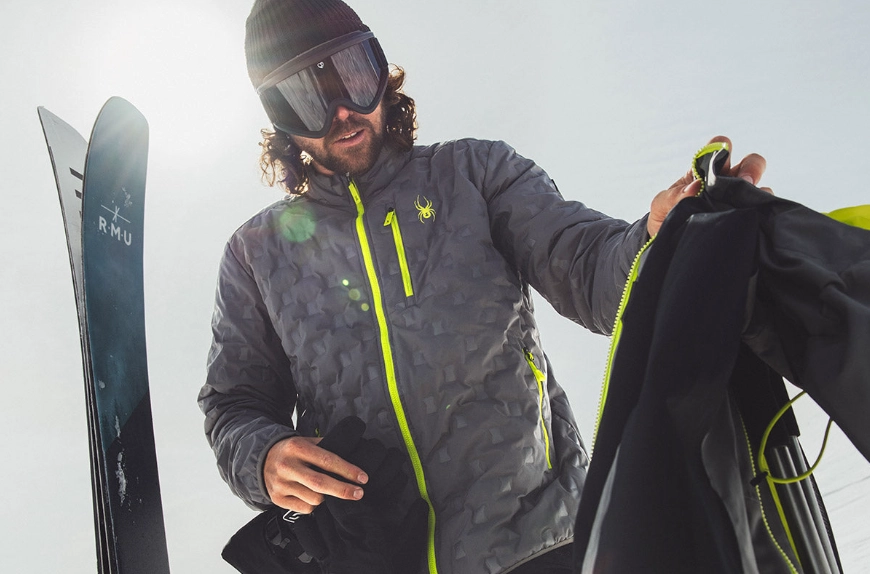
Wool Insulation: The Natural Regulator
Wool insulation isn't just sheared wool stuffed in a jacket. It's often a felted or knitted batting made from fine merino or other wool types. Its magic lies in the structure of the wool fiber itself, which has a natural crimp and can absorb a fair amount of moisture vapor without feeling wet.
The Pros: Where Wool Truly Shines
Temperature Regulation and Breathability: This is wool's superpower. The fibers manage moisture vapor brilliantly, pulling sweat away from your body and releasing it into the air. This means you're less likely to overheat during moderate activity or feel clammy when you stop. On a crisp fall day hike where you're moving uphill, a wool-insulated jacket often feels more comfortable than a synthetic puffy.
Odor Resistance: Wool fibers naturally resist the growth of bacteria that cause smells. You can wear a wool-insulated jacket for multiple days on a trip without it becoming offensive—a huge plus for travel or backpacking.
Durability and Longevity: A high-quality wool insulation, if cared for properly, can last for decades. It doesn't rely on delicate loft structures that can break down; the fibers are inherently resilient. I have a wool-insulated vest from 2012 that's still my go-to for casual wear.
Sustainability Profile: It's a renewable, biodegradable resource. Brands like Smartwool and Icebreaker often highlight their responsible sourcing, which appeals to environmentally conscious buyers. The Sustainable Apparel Coalition provides frameworks for assessing this, though it's always good to dig into a brand's specific claims.
The Cons: Wool's Inherent Drawbacks
Weight and Bulk: To achieve a given warmth level, wool insulation is generally heavier and bulkier than its high-end synthetic counterparts. You won't find an ultra-lightweight, packable down-alternative puffy made from wool.
Drying Time: If it gets truly wet—soaked in a downpour—wool takes forever to dry. While it retains some insulating properties when damp (a fact often touted), being in a cold, wet jacket is a miserable experience. I learned this the hard way on a wet camping trip in Wales.
Cost: Good wool insulation is expensive. The raw material cost and processing drive the price up, often placing wool jackets in a premium price bracket.
Synthetic Insulation: The Engineered Performer
Synthetic insulation encompasses materials like polyester fibers (PrimaLoft, Thinsulate, Coreloft) designed to mimic the lofty clusters of down. The technology has advanced massively. Early synthetics were plasticky and bulky; modern versions are incredibly fine, lightweight, and efficient.
The Pros: Synthetic's Superpowers
Warmth When Wet: This is the headline. The fibers themselves don't absorb water, so even if the jacket shell is soaked, the insulation retains most of its loft and thermal properties. For activities in consistently damp, cold environments (think Pacific Northwest winter, snowshoeing in wet snow, sailing), this is a critical safety and comfort feature.
Lightweight and Packable: High-fill-power synthetics offer an excellent warmth-to-weight ratio and compress down small for stuffing in a backpack. They're the default choice for most backpacking puffy jackets for this reason.
Fast Drying and Easy Care: You can wring out a synthetic jacket, hang it up, and it'll be dry in a few hours. Most are machine washable and durable, making them low-maintenance workhorses.
Hypoallergenic and Consistent: They're a perfect down alternative for those with allergies. You also get consistent performance and fill across the entire garment, with no cold spots.
The Cons: Where Synthetic Falls Short
Long-Term Loft and Durability: This is the Achilles' heel. The continuous filaments in synthetic insulation can break down and lose their crimp over time, especially with compression (like being stuffed in a pack repeatedly). A jacket might lose 20-30% of its warmth over 3-5 years of hard use. It doesn't "wear out" visibly, it just gets less effective.
Breathability (or lack thereof): While some newer technologies (like PrimaLoft's "Gold Active" line) are better, many synthetic insulations trap more moisture vapor than wool. During high-output activities, you might sweat more inside the jacket.
Environmental Concerns: Most are derived from petroleum and are not biodegradable. While some brands use recycled content (like PrimaLoft's use of post-consumer bottles) and recycling programs are emerging, it's a less natural lifecycle than wool.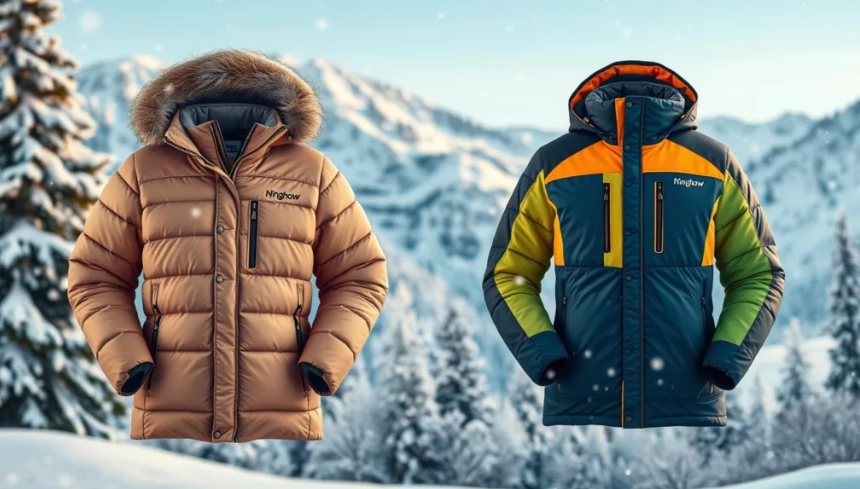
Side-by-Side: The Ultimate Comparison Table
| Feature | Wool Insulation | Synthetic Insulation |
|---|---|---|
| Primary Warmth Source | Traps air in natural fiber crimp; manages moisture vapor. | Traps air in lofty, fine polyester fibers; hydrophobic. |
| Warmth When Damp/Wet | Retains some warmth, but slow to dry and feels cold. | Excels. Retains most loft and warmth even when soaked. |
| Weight & Packability | Heavier, less compressible for equivalent warmth. | Generally lighter and more compressible. |
| Breathability & Moisture Management | Excels. Superior at releasing sweat vapor, reducing clamminess. | Varies; often less breathable, can trap more vapor. |
| Drying Speed | Very slow. | Very fast. |
| Durability & Longevity | Excellent. Fibers are resilient; warmth lasts decades. | Good initially, but loses loft (and warmth) over several years. |
| Odor Resistance | Excels. Natural antimicrobial properties. | Poor. Can hold body odors unless treated. |
| Typical Cost | Premium to high. | Mid-range to premium. |
| Environmental Profile | Renewable, biodegradable. Land/water use considerations. | Often petroleum-based; recycled content available. Not biodegradable. |
| Best For... | Daily wear, urban use, dry-cold climates, low-output activity where breathability is key, multi-day wear without washing. | Wet/cold climates, high-output activities where getting damp is likely, backpacking (lightweight), easy care, allergies to down. |
How to Choose: Matching the Insulation to Your Life
Stop thinking about which material is "better." Start by describing your last three outdoor trips or daily routines. Your past behavior is the best predictor.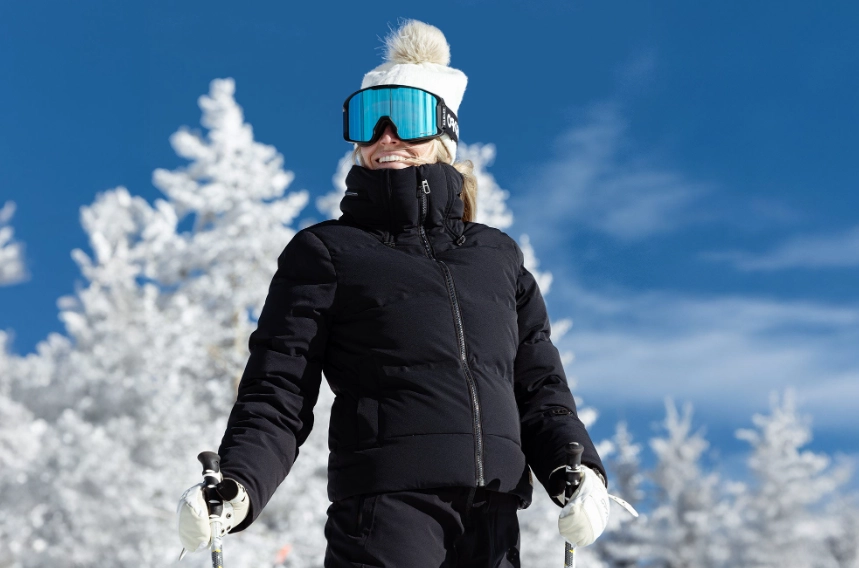
Choose Wool Insulation if: Your winter is dry and cold (think Colorado, Utah). You want a jacket primarily for city commuting, casual wear, or light outdoor strolls. You hate laundry and want to wear the same layer multiple times. You run warm or sweat easily during activity and prioritize breathability. You view the jacket as a long-term investment piece. Budget is less of a constraint.
Choose Synthetic Insulation if: You face damp, slushy, or rainy cold (Pacific Northwest, UK, Northeast US). Your activity involves sweat or potential immersion (skiing, snowshoeing, winter hiking, sailing). You need a lightweight, packable jacket for backpacking or travel. You have allergies to down or wool (some synthetics are hypoallergenic). You prefer easy, machine-washable care. You're okay with replacing your technical jacket every 5-7 years as performance degrades.
A quick scenario: You're buying a mid-layer for ski trips. You mostly ski at resorts, take frequent lodge breaks, and sometimes ski in light snow or drizzle. A synthetic jacket (like one with PrimaLoft Gold) is the safer, more versatile bet—it'll handle the dampness from falling snow and dry fast during your break. If you only ski in bone-dry, ultra-cold conditions and run very hot, then a breathable wool layer might work, but that's a niche case.
Beyond the Basics: Expert Insights and Common Pitfalls
Here's where most blog posts stop. But after a decade, you notice things.
The "Warm When Wet" Myth-Buster: Yes, synthetics retain insulation value. But no one talks about the shell fabric. If your jacket's outer nylon is soaked and clammy against your skin, you'll still feel cold and miserable, regardless of the insulation. The real win of synthetics is the fast drying part, which gets you back to comfort quicker.
The Layering Misconception with Wool: People buy a thick, heavy wool-insulated coat as a standalone piece. Wool's strength is in dynamic layering. A lighter wool-insulated gilet or jacket over a merino base layer and under a weatherproof shell is a sublime, adaptable system for a wide range of conditions. It's more versatile than one bulky item.
Synthetic's Silent Failure: You won't see a hole. The jacket just feels less warm season after season. People blame getting older or a "cold winter," but it's often the insulation slowly dying. Check the loft. If it doesn't puff back up vigorously after airing out, it's losing its fight.
Blends and the Future: Some brands are innovating with blends. I've seen jackets with synthetic cores for loft and wool blended in the fiber facing your body for moisture management and feel. It's a promising area that tries to get the best of both worlds, though it often comes at a high cost.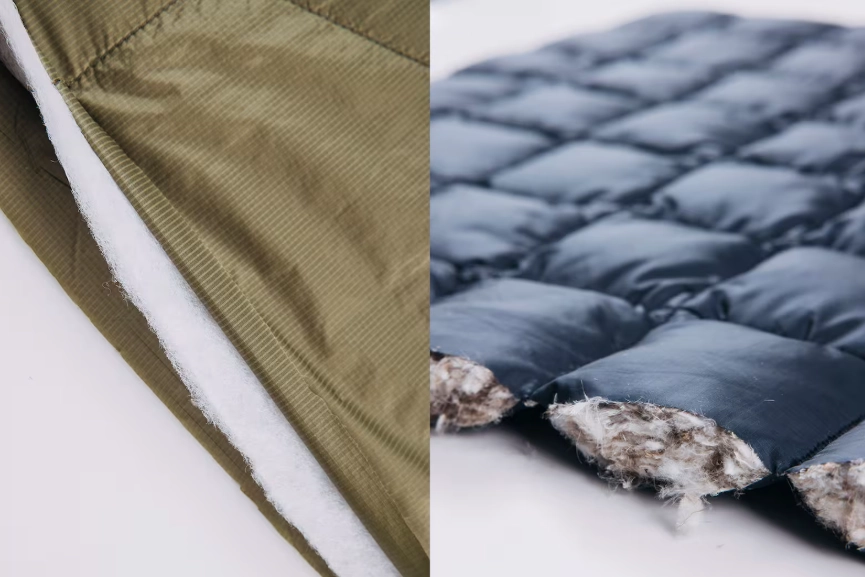
Your Questions, Answered
 How do I wash my synthetic jacket to make it last longer?