You buy a beautiful silk blouse or a vibrant wool rug. It looks perfect. Then, a few months later, you notice it. A pale patch on the shoulder where the sun hits it every afternoon. The rich colors of the rug near the window have dulled. Sun damage to fabric isn't just about fading; it's a silent, cumulative breakdown of fibers that weakens your favorite items until they eventually tear or disintegrate. I learned this the hard way with a linen sofa that faced a south-facing window—within two years, the fabric on the cushions was brittle and the color was completely washed out.
The good news? It's almost entirely preventable. Protecting delicate fabrics from the sun isn't about hiding them away, but about smart, proactive care. This guide dives into the science of sun damage and gives you a practical, room-by-room strategy to keep your textiles looking vibrant for years, not just seasons.
What You’ll Learn in This Guide
How Sunlight Actually Damages Fabric (It's Not Just Color)
Most people think sun damage equals fading. That's the most visible part, but it's just the symptom. The real culprit is ultraviolet (UV) radiation. Think of UV rays as tiny, high-energy bullets hitting the fabric.
Photodegradation is the technical term. Here's what happens:
- Color Fading: UV radiation breaks the chemical bonds in dye molecules. The dye structure changes, reflecting light differently—that's the color shift you see. Darker, more vibrant dyes often have more complex bonds, making them paradoxically more vulnerable in some cases.
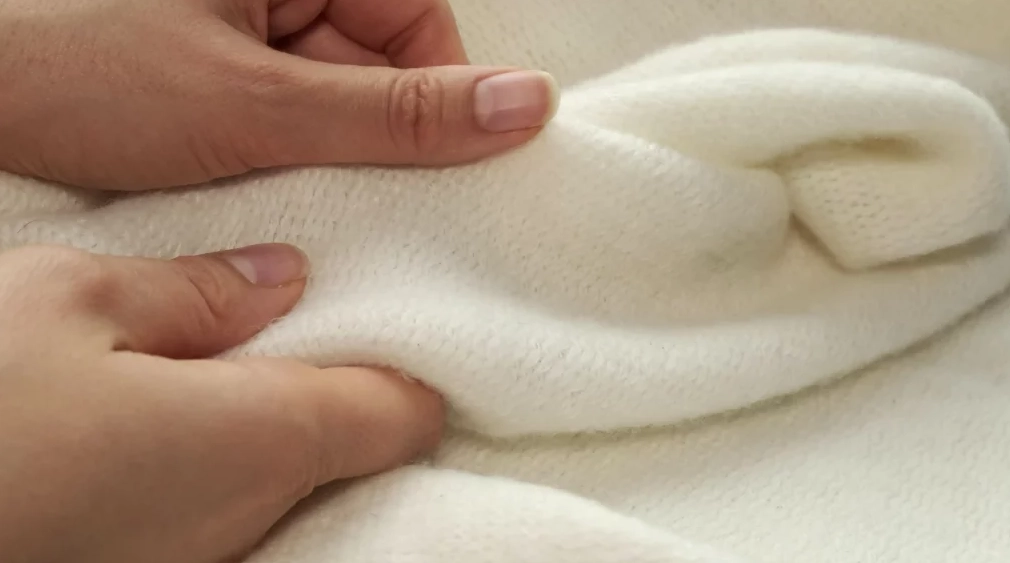
- Fiber Weakening: This is the silent killer. UV rays attack the polymer chains in the fabric fibers themselves. For natural fibers like silk, wool, and cotton, this means the cellulose or protein structures break down. For synthetics like nylon and polyester, the long molecular chains are severed. The result? The fiber loses tensile strength. It becomes brittle, less elastic, and prone to tearing under stress that it could once easily handle.
Your Complete Fabric Protection Toolkit
You don't need a PhD in textile science. You need a layered defense strategy. Think of these as your lines of defense against the sun.
1. The First Line: Physical Barriers (Most Effective)
Stopping UV rays before they touch the fabric is the gold standard.
- UV-Blocking Window Film: This is a game-changer. It's a clear, adhesive film you apply to your windows. High-quality films can block over 99% of UV rays while still letting in visible light. It protects everything in the room—furniture, rugs, artwork. It's a one-time investment with huge payoffs.
- Strategic Window Treatments: Use lined curtains, blackout blinds, or even UV-filtering shades. Close them during peak sun hours (10 am to 4 pm). A simple, light-colored lined curtain can block a substantial amount of UV.
- Fabric Covers & Slipcovers: For furniture in direct sun paths, a simple cotton throw or a dedicated slipcover you can remove when entertaining acts as a sacrificial layer.

2. The Second Line: Fabric Treatments & Sprays
When you can't block the sun, fortify the fabric.
- Fabric Protector Sprays: Look for sprays specifically labeled for UV protection or sun guard. Brands like Scotchgard offer UV-resistant formulas. These create an invisible shield on the fabric surface that scatters and absorbs UV rays. Important: Always test on an inconspicuous area first, as some sprays can alter the fabric's hand (feel) or color slightly.
- Wash-In UV Protectants: For clothing, bedding, and washable items, you can find laundry additives designed to deposit a UV-absorbing layer on fibers during the wash cycle. They're great for sportswear and outdoor fabrics, and their effect is often cumulative over several washes.
3. The Third Line: Smart Habits & Maintenance
Your daily routine matters.
- Rotate and Rearrange: Every few months, rotate cushions on your sofa, flip and rotate area rugs, and shift decorative pillows. This ensures even exposure and prevents one spot from taking the full brunt.
- Gentle Cleaning: Dirt and dust particles can act as tiny lenses, concentrating UV rays and accelerating damage. Regular, gentle vacuuming of upholstery and rugs is protective. For washing, use mild detergents and avoid excessive bleaching agents, which can make dyes more light-sensitive.
- Storage Matters: For seasonal clothing (like a wedding dress or winter woolens), store them in airtight, opaque containers in a cool, dark closet. Acid-free tissue paper is your friend.
A Room-by-Room Defense Plan for Your Home
Let's get tactical. Different rooms face different challenges.
The Bedroom: Your bedding and curtains. High-thread-count cotton and delicate linens are vulnerable. Use blackout curtains—they protect your fabrics and improve your sleep. When making the bed, consider folding the top of the duvet cover down so the same area isn't always facing the window.
The Closet (for clothing): If your closet has doors, keep them closed. If it's an open closet or clothing rack in a sunny room, use garment bags made from breathable, opaque cotton for your most delicate items like silk dresses and suits.
Caring for Specific Delicate Fabrics
Not all fabrics are created equal. Here’s a breakdown of common delicate fabrics and their specific sun vulnerabilities.
| Fabric Type | Sun Sensitivity Level | Primary Risk | Top Protection Tip |
|---|---|---|---|
| Silk | Extremely High | Fast fading (especially bright dyes), fiber weakening (protein fiber). | Never store or display in direct sunlight. Use padded hangers in a dark closet. For silk curtains, line them with a blackout fabric. |
| Wool & Cashmere | High | Yellowing of whites/creams, fiber embrittlement. | Sun can cause irreversible yellowing. Keep wool rugs out of direct sun paths. Store winter knits folded in cedar chests or opaque boxes. |
| Linen | Moderate to High | Fading and loss of strength (cellulose fiber degrades). | Its natural, often lighter colors show fading less, but the fiber weakens dramatically. Rotate linen cushion covers frequently. |
| Velvet (especially silk/ cotton) | Very High | Color fading and permanent flattening of the pile. | Sun can crush the nap. Keep velvet furniture away from windows. Use a fabric brush regularly to lift the pile. |
| Vintage & Antique Textiles | Extremely High | Catastrophic, irreversible damage. Dyes are often unstable. | Treat like a museum piece. UV-filtering glass for framed pieces. Never, ever expose to direct sun. Consider professional conservation advice. |
Note: "Moderate" sensitivity still means damage will occur over time—it just might take a few seasons instead of a few months.
Your Sun & Fabric Questions Answered
The goal isn't to live in a dark cave. It's to enjoy your beautiful things for as long as possible. By understanding how sun damage works and implementing a few of these strategic defenses, you can stop the slow fade and preserve the integrity of your favorite fabrics. Start with the biggest threat—that south-facing window—and work your way through your home. Your silk, your wool, your perfect linen will thank you a decade from now.