Let's be honest. The morning after a birthday or holiday often looks like an archaeological dig through layers of crumpled, torn wrapping paper, sticky tape, and plastic ribbons. It's wasteful, expensive, and honestly, a bit depressing. What if your gift wrapping could be part of the gift itself? That's the magic of making your own reusable fabric gift wrap. It's not just an eco-friendly switch; it's a move towards more beautiful, thoughtful, and downright satisfying gift-giving. I've been using fabric wraps for over a decade, and once you start, you'll never look at disposable paper the same way again.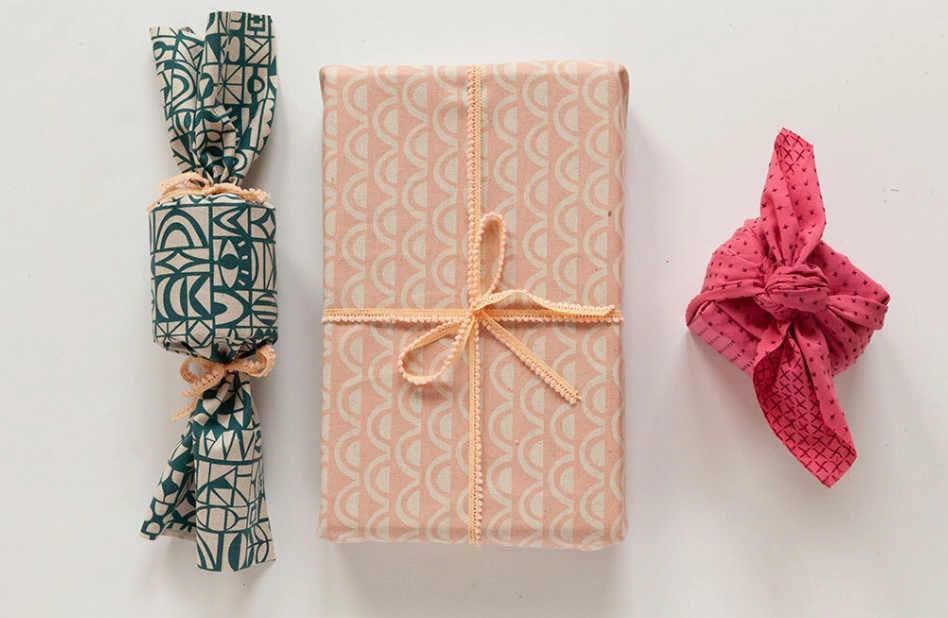
What's Inside This Guide
- Why Switch to Reusable Fabric Gift Wrap?
- Gathering Your Materials and Tools
- The Ultimate Fabric Selection Guide
- The No-Fuss Sewing Method (For Squares & Rectangles)
- Mastering Furoshiki: The Japanese Art of Fabric Wrapping
- How to Care For and Store Your Fabric Wraps
- Your Reusable Wrap Questions, Answered
Why Switch to Reusable Fabric Gift Wrap?
This isn't just about being green. Sure, the environmental stats from the U.S. Environmental Protection Agency on holiday waste are staggering, but the personal benefits are what will hook you. A fabric wrap is durable. I have wraps I made eight years ago that still look fantastic. They're versatile—the same wrap can beautifully cover a book, a wine bottle, or a oddly shaped toy. They lay flat for storage, unlike rolls of paper. And there's a subtle, unspoken message when you hand someone a gift in fabric: "I took the time. This is special." It elevates the entire experience.
Gathering Your Materials and Tools
You don't need a fancy sewing studio. If you can thread a needle or operate a basic sewing machine, you're golden. Here's the shortlist:
- Fabric: This is your main ingredient. We'll dive deep into choices next.
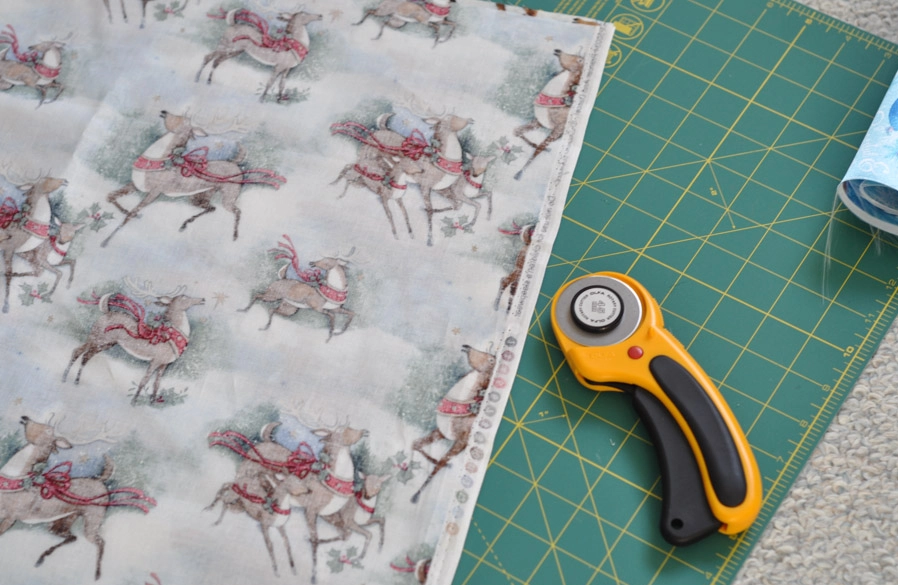
- Scissors or Rotary Cutter: Sharp fabric scissors are non-negotiable for clean edges.
- Ruler and Fabric Marker/Chalk: For measuring and marking straight lines.
- Iron and Ironing Board: This is the secret weapon for professional-looking results. Pressing seams is 80% of the battle.
- Sewing Machine or Needle & Thread: A machine is faster, but hand-sewing with a simple running stitch works perfectly and is quite meditative.
- Pins or Clips: To hold fabric in place before sewing.
Pro Tip from the Scrap Bin: Before you buy anything new, raid your linen closet. An old cotton bed sheet with a faded edge? Cut out the good middle part. A tablecloth that's seen better days? Perfect fabric source. Thrift stores are also goldmines for large pieces of fabric at a fraction of the cost.
The Ultimate Fabric Selection Guide
Choosing the right fabric is the most important decision. Get this wrong, and your wrap will be frustrating to use or won't last. I've made all these mistakes so you don't have to.
A common beginner error is using fabric that's too stiff (like heavy canvas) or too flimsy (like cheap voile). You want something with a bit of body that still drapes nicely. The weave matters more than the print.
| Fabric Type | Best For | Pros | Cons & Considerations |
|---|---|---|---|
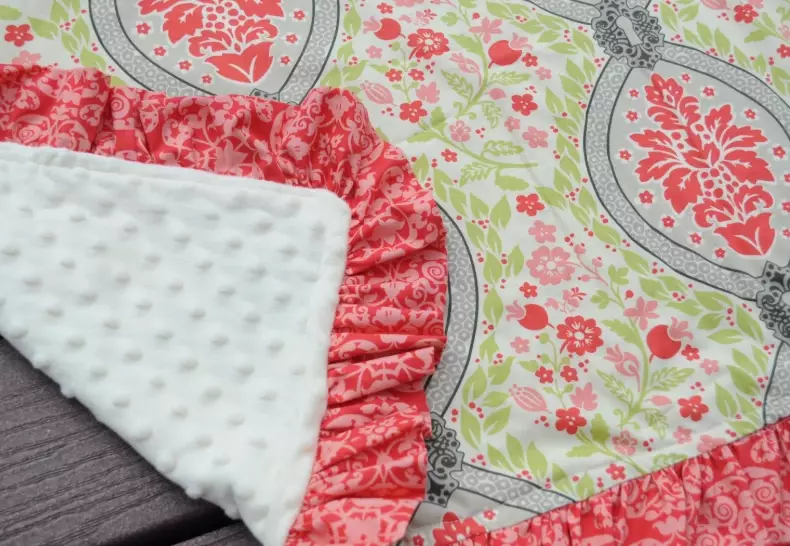
| 100% Cotton (Quilting Weight) | Beginners, all-purpose wrapping, furoshiki. | Easy to sew, presses well, vast variety of prints, durable, washable. | Can wrinkle. Pre-wash to prevent shrinkage. |
| Linen or Cotton-Linen Blend | A premium, rustic look. Great for knots. | Beautiful drape, gets softer with use, strong, naturally textural. | More expensive, can be prone to wrinkles (which some love). |
| Flannel or Brushed Cotton | Winter gifts, cozy aesthetic, padding delicate items. | Soft, warm feel, provides cushioning, opaque. | Thicker, so knots can be bulkier. May attract lint. |
| Lightweight Wool or Felt | No-sew option, structured shapes. | Doesn't fray, so edges need no finishing. Luxurious feel. | Dry clean or hand wash only. Can be pricey. |
| Recycled Sari Silk or Scarves | Instant, zero-sew luxury wraps. | Stunningly beautiful, no work required, extremely durable. | Often irregular shapes, can be slippery to knot. |
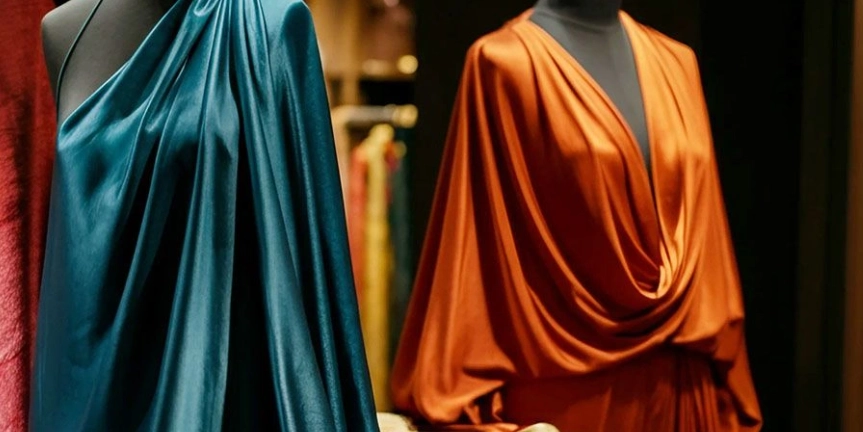
Avoid these fabrics: Stretchy knits (they're hard to wrap neatly), very slippery silks or satins (frustrating for beginners), and ultra-heavy fabrics like upholstery weight (they make terrible knots).
The No-Fuss Sewing Method (For Squares & Rectangles)
Let's make a standard 24-inch square wrap. You can scale this up or down.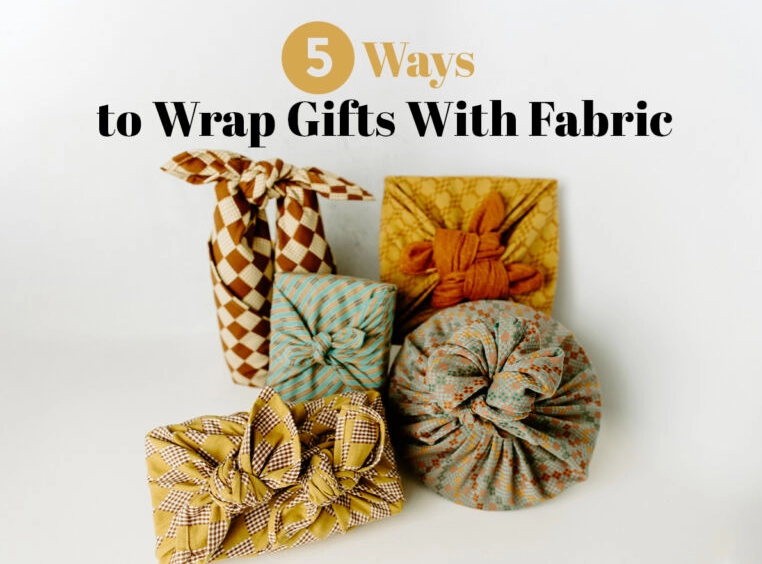
Step 1: Cut and Press
Cut your fabric to 25 inches square. Why 25 when we want 24? We need a half-inch seam allowance on all sides. Once cut, press the fabric flat. Seriously, don't skip the ironing.
Step 2: Create the Hem
Fold one edge over by 1/4 inch towards the wrong side of the fabric. Press it down. Now fold it over again by another 1/4 inch, enclosing the raw edge. Press again. Pin or clip in place. Repeat this on all four sides.
Step 3: Sew the Edges
Using a straight stitch on your machine (or a hand-running stitch), sew close to the inner folded edge all the way around. Go slow on the corners—pivot with the needle down. Backstitch at the start and finish. That's it. You now have a finished, durable fabric wrap.
The "Lazy Genius" Corner: If you hate hemming, use pinking shears to cut your square. The zigzag edge significantly reduces fraying on tightly-woven fabrics like cotton. It gives a cute, rustic look and is a totally valid, no-sew finish for casual wraps.
Mastering Furoshiki: The Japanese Art of Fabric Wrapping
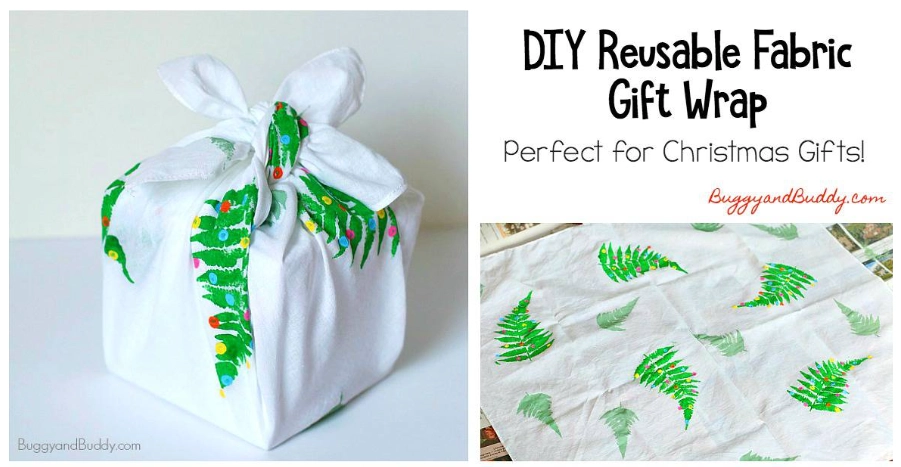
This is where the real fun begins. Furoshiki is the ancient Japanese technique of using cloth for carrying and wrapping items. No tape, no pins, just clever folds and knots. It's surprisingly simple once you see it.
The Basic "Two-Knot" Carry Wrap
Place your item in the center of the square cloth. Bring two opposite corners together over the item and tie them in a simple overhand knot. Take the remaining two corners, bring them up, and tie a second knot over the first. You now have a secure, carrying-handle pouch. Perfect for a box of cookies or a book.
The Elegant Bottle Wrap
Lay the bottle in the center of the cloth, diagonally. Bring the bottom corner up over the bottle. Take the two side corners and cross them in front, then bring them around to the back and tie them. Fluff the top corner. It looks impressive but takes 20 seconds.
The key is to practice with an empty box or bottle first. Use a slightly larger cloth than you think you need—it's more forgiving. Resources like those from the Japanese government's cultural sites often have excellent visual guides on traditional techniques.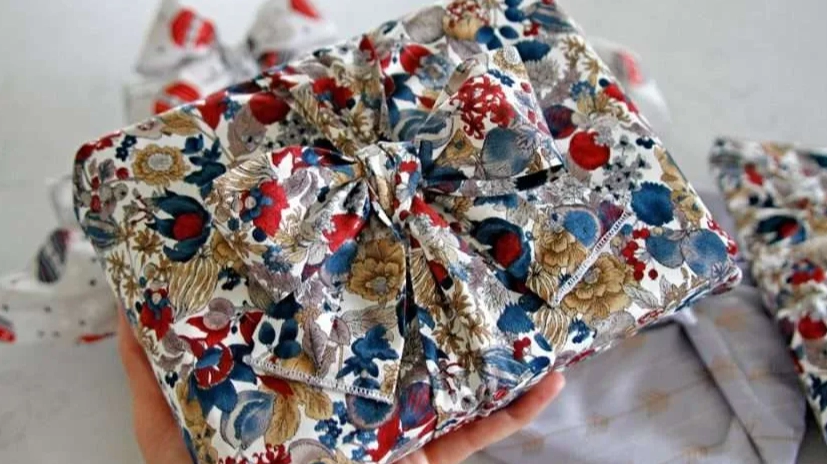
How to Care For and Store Your Fabric Wraps
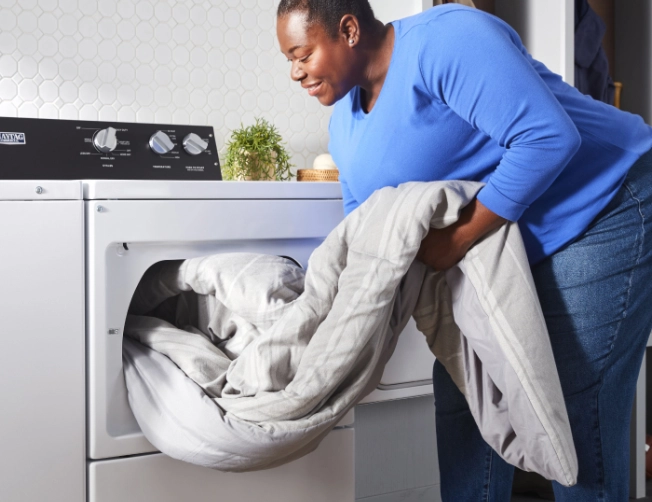
This is the lifecycle that makes the system work. When your recipient unwraps the gift, they simply fold the cloth and return it to you. If it gets a stain or needs a refresh, most cotton and linen wraps can go right in the washing machine on a gentle cycle. Tumble dry low or line dry. Iron if you want that crisp look.
Storage is a dream. I keep mine in a simple basket near my gift closet. They lay flat, don't get crumpled like paper, and are always ready to go. Some people roll them and store them in a vase as a decoration.
Your Reusable Wrap Questions, Answered
 What if people don't give my fabric wrap back? I don't want to be rude and ask for it.