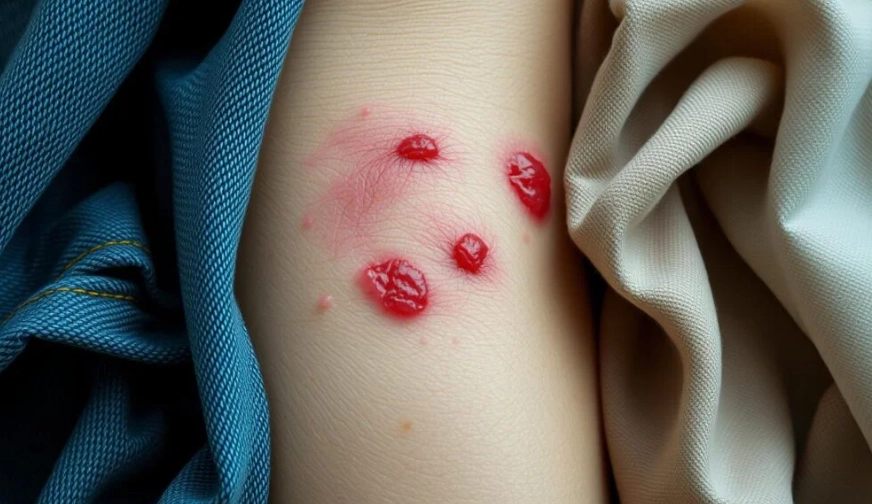
You just bought a new modal t-shirt. It feels incredibly soft, almost like a second skin. But then a nagging thought hits: can this smooth, luxurious fabric actually cause skin irritation? If you have sensitive skin, or you're simply cautious about what touches your body, this is a smart question to ask. The short answer is: pure modal fabric is highly unlikely to cause irritation on its own. But—and this is a big but—the journey from wood pulp to the garment in your closet involves steps that can introduce irritants. Let's peel back the layers.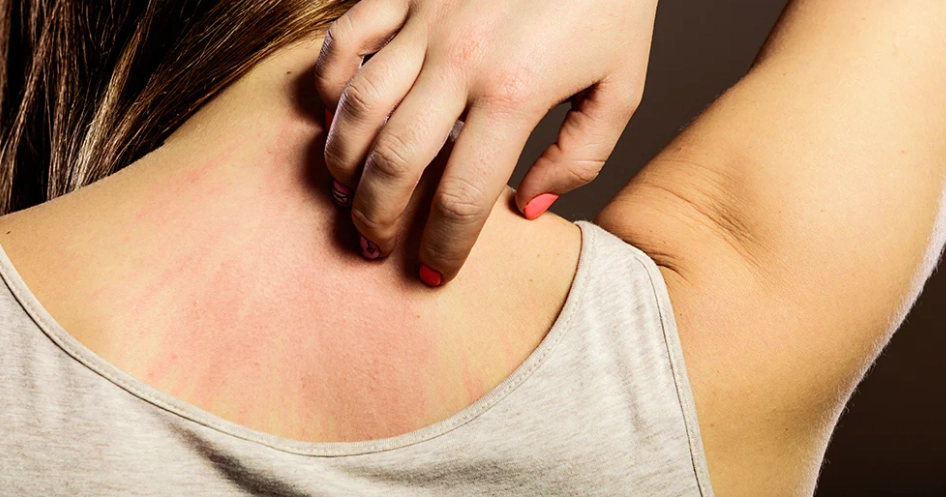
What’s Inside?
- What Exactly is Modal Fabric?
- Why Modal Fabric is Usually Considered Skin-Friendly
- The Hidden Culprits: When Modal Might Cause Problems
- How Can You Choose Modal Fabric That Won't Irritate Your Skin?
- What Are the Best Fabric Alternatives for Extremely Sensitive Skin?
- Your Questions on Modal and Skin, Answered
What Exactly is Modal Fabric?
Modal isn't a synthetic plastic like polyester. It's a type of rayon, which puts it in the semi-synthetic camp. It starts with beech tree pulp. That pulp is dissolved using a chemical process (the lyocell process, which is more eco-friendly than the older viscose method) and then extruded into fine fibers. The result is a fabric celebrated for its silky drape, breathability, and that signature softness that gets even softer with washing.
Because it comes from trees, its base structure is cellulose, similar to cotton. This is the first clue to its general skin compatibility.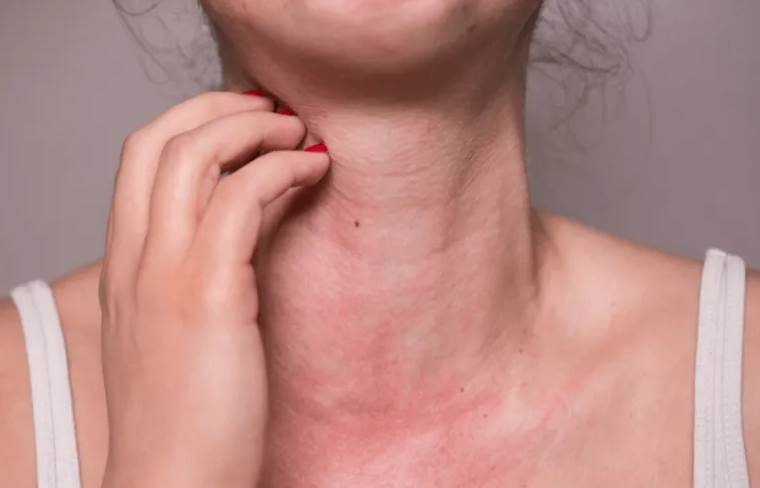
Why Modal Fabric is Usually Considered Skin-Friendly
On paper, and in its purest form, modal has several traits that make it a friend to sensitive skin.
Breathability & Moisture-Wicking: Modal fibers are excellent at pulling moisture (sweat) away from your skin and allowing it to evaporate quickly. Damp skin trapped against fabric is a primary breeding ground for irritation and chafing. By keeping you drier, modal reduces this risk significantly.
Smooth Fiber Surface: Under a microscope, modal fibers are incredibly smooth and uniform. Compare that to cotton, which can have tiny, rough fibrils. This smoothness means less mechanical friction against the skin, which is a direct cause of irritation for many people, especially with conditions like eczema.
Hypoallergenic Potential: The cellulose base is inherently less likely to provoke allergic reactions compared to protein-based fibers like wool or certain synthetic chemicals. It doesn't provide a good home for dust mites, a common allergen, either.
I've worked with textiles for over a decade, and here's a non-consensus point I often see missed: people conflate "itchiness" with "allergy." Wool itches because of its scaly fiber structure (mechanical irritation). Modal doesn't have that. So, if a modal garment makes you itch, the fiber itself is almost never the villain.
The Hidden Culprits: When Modal Might Cause Problems
This is where the story gets practical. The modal fiber is innocent until proven guilty, but the manufacturing process can add accomplices. Here are the real reasons a modal garment might cause skin irritation.
1. Chemical Residues from Dyeing and Finishing
This is the number one suspect. To turn beige modal into that vibrant emerald green or deep black, it undergoes dyeing. Some dyes, particularly certain azo dyes or those used for deep, solid colors, can leave chemical residues that sensitive skin reacts to. Formaldehyde-based resins might be used for wrinkle-resistant or "easy-care" finishes. Even softeners and brighteners added for that extra "feel" can be problematic.
A personal case: A friend once bought a set of cheap, brightly colored modal bedding. She broke out in a mild, itchy rash. After switching to undyed, GOTS-certified modal sheets, the problem vanished. The modal wasn't the issue; the dyeing process was.
2. Blended Fabrics
Pure 100% modal is less common than you think. It's often blended with elastane (spandex) for stretch, or polyester for durability and cost. If you have a known sensitivity to synthetic rubbers or plastics, the elastane or polyester in the blend could be the trigger, not the modal.
3. Individual Skin Sensitivities and pH
Everyone's skin microbiome and pH balance is unique. In rare cases, an individual might react to something specific in the modal processing chain, even if it's deemed safe for most. Also, detergents and fabric softeners you use at home can cling to modal's absorbent fibers and then transfer to your skin.
Let's compare how modal stacks up against other common fabrics in key skin-friendly categories:
| Fabric | Breathability | Moisture Wicking | Typical Fiber Smoothness | Common Irritant Risk (from processing) |
|---|---|---|---|---|
| Modal | High | Excellent | Very High | Medium (Dyes/Finishes) |
| Cotton | High | Good (but holds moisture) | Medium (can be rough) | Low-Medium (Pesticides/Finishes) |
| Silk | Medium | Good | Very High | Low (but can irritate via static) |
| Polyester | Low | Poor (traps sweat) | High | Low (but can cause heat rash) |
How Can You Choose Modal Fabric That Won't Irritate Your Skin?
You don't have to avoid modal. You just need to shop like a pro. Follow these steps to find the good stuff.
Look for Third-Party Certifications. This is your best shield. Certifications like GOTS (Global Organic Textile Standard) or OEKO-TEX Standard 100 are crucial. GOTS ensures organic fibers and restricts harmful chemicals in processing. OEKO-TEX tests the final product for a long list of harmful substances. A label that says "MADE IN GREEN by OEKO-TEX" adds ethical production criteria on top of safety.
Prioritize Light Colors or Undyed Garments. The less intense the dye, the fewer chemicals were likely used. Whites, creams, light grays, and pastels are safer bets than neon pinks or jet blacks if you're highly sensitive.
Check the Blend. If you know elastane irritates you, seek out 100% modal or modal blended with cotton. Read the care label every time.
The Sniff Test. This sounds simple, but it works. When you get a new modal item, give it a good smell. A strong chemical or plasticky odor is a red flag for residual processing chemicals. A mild, neutral smell is what you want.
Always Wash Before First Wear. Never skip this. Use a fragrance-free, dye-free detergent for sensitive skin. This washes away any surface residues from manufacturing and shipping. Skip the fabric softener entirely—it coats fibers and can reduce breathability.
What Are the Best Fabric Alternatives for Extremely Sensitive Skin?
If you've tried certified modal and still have issues, or you want to explore other options, here are my top picks.
Lyocell (often branded as Tencel™): Think of this as modal's more refined cousin. It uses a even more closed-loop, eco-friendly process (often with less harsh chemicals) and results in an even smoother fiber. It's my top recommendation for people with severe eczema or psoriasis. The production data from Lenzing, the maker of Tencel™, shows exceptionally low chemical residue levels.
Organic, Combed Cotton: Look for GOTS-certified organic cotton. "Combed" means the shorter, rougher fibers have been removed, leaving a softer, smoother yarn. It's a classic for a reason—reliable and widely available.
Linen: Made from flax, linen is highly breathable, antimicrobial, and gets softer with every wash. Its textured feel is different from silky modal, but it's fantastic for hot weather and sensitive skin. Ensure it's undyed or naturally dyed.
Avoid "performance" or "anti-odor" synthetics unless specifically designed for sensitive skin. The chemical treatments on these are often the problem.
Your Questions on Modal and Skin, Answered
 Are there specific brands known for skin-safe modal clothing?