You see it on hangtags and in marketing copy all the time now: "biodegradable fabric." It sounds like the perfect solution. Buy a shirt, wear it, and when you're done, it just... disappears back into the earth. No guilt, no landfill, just a clean, green cycle. If only it were that simple.
The term "biodegradable" is one of the most misunderstood and, frankly, misused words in sustainable fashion today. As someone who's spent over a decade sourcing materials and watching greenwashing trends come and go, I can tell you that a label claiming biodegradability often tells you less than you think. It's not a magic ticket to environmental absolution. Let's pull back the curtain.
What You'll Discover in This Guide
- What is Biodegradable Fabric? (The Science, Not the Slogan)
- Common Biodegradable Fabrics: From Field to Fiber
- How to Identify Truly Biodegradable Fabrics
- The Big Problem with "Biodegradable" Textiles
- Biodegradable vs. Compostable: The Critical Difference
- Making Informed Choices: A Realistic Approach
- Your Questions Answered
What is Biodegradable Fabric? (The Science, Not the Slogan)
At its core, a biodegradable material is one that can be broken down by microorganisms like bacteria and fungi into water, carbon dioxide (or methane), and biomass. The key phrase there is "can be." It doesn't mean it will under any conditions.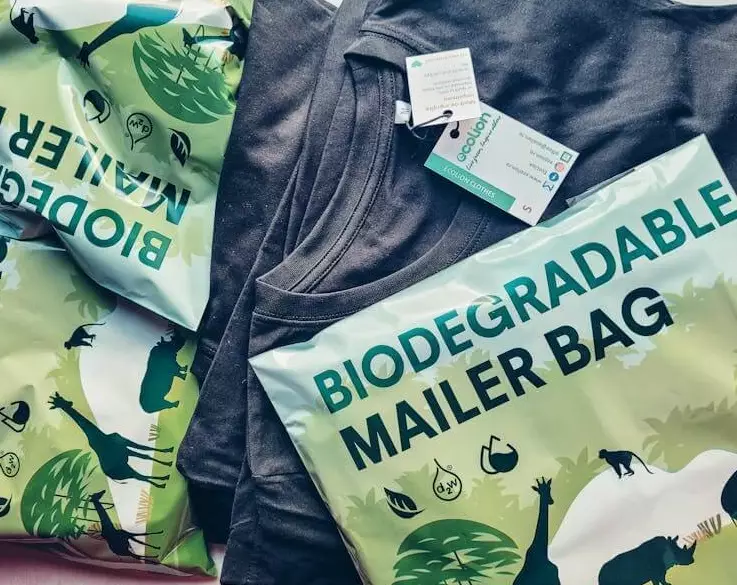
Think of a leaf falling in a forest. It biodegrades quickly in that moist, microbe-rich environment. Now take that same leaf and seal it in a plastic bag. It might sit there for years, preserved. The material hasn't changed, but the environment has.
That's the first major catch with fabrics. A "biodegradable" polyester (yes, they exist) might break down in an industrial composting facility at 60°C, but it will sit inert for centuries in a cold, dry landfill. The term, on its own, is almost meaningless without context.
The Expert's Red Flag
If a brand only uses the word "biodegradable" without specifying conditions, timeframe, or certification, treat it as a marketing claim, not a factual guarantee. They're banking on your positive association with the word, not providing usable information.
Common Biodegradable Fabrics: From Field to Fiber
Most truly biodegradable fabrics come from natural origins. But even here, the devil is in the details—specifically, the farming practices and processing chemicals used.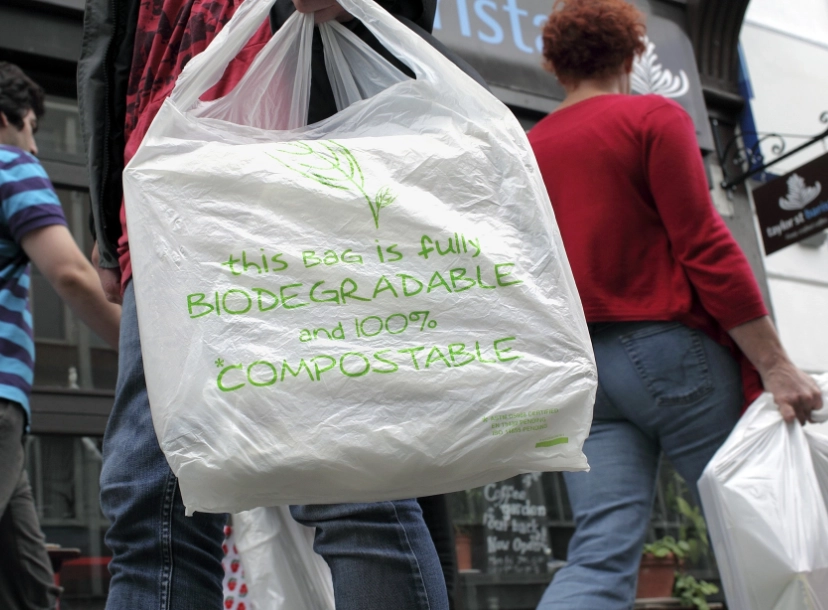
| Fabric | Raw Material | Degrades Best In | Key Thing to Watch For |
|---|---|---|---|
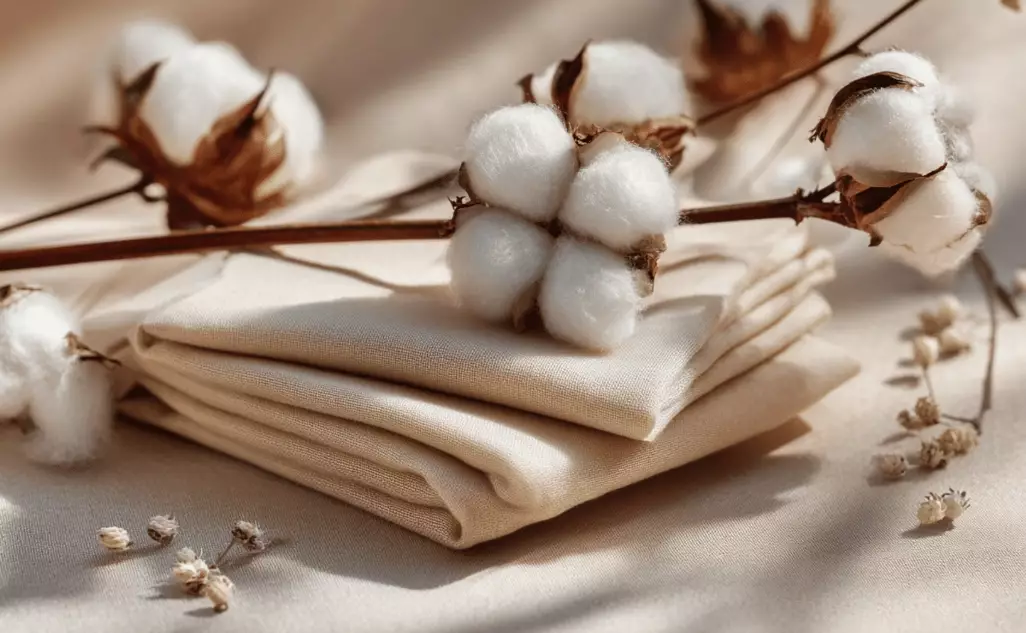
| Organic Cotton | Cotton plant (GMO-free, no synthetic pesticides) | Home compost, soil | Must be organic. Conventional cotton is soaked in chemicals that linger in the fiber and soil. |
| Linen & Hemp | Flax or hemp plant stalks | Home compost, soil | Very low-impact crops. Ensure natural dyeing processes for full biodegradability. |
| Tencel™/Lyocell | Wood pulp (often from eucalyptus) | Industrial composting, marine environments | A man-made cellulosic fiber. Its closed-loop solvent process is eco-friendly, and it biodegrades even in seawater relatively quickly. |
| PLA (Polylactic Acid) | Corn starch or sugarcane | Industrial composting facility ONLY | A bioplastic. Will NOT break down in home compost or landfill. Requires specific high-heat conditions. |
| Wool & Silk | Animal fibers (sheep, silkworms) | Soil, compost | Heavy chemical treatments in processing (moth-proofing, dyeing) can hinder breakdown. |
Notice how I specified organic cotton? That's a non-negotiable distinction. A study by the Textile Exchange highlights that conventional cotton farming accounts for a significant share of global insecticide use. Those chemicals are woven into the very fiber. When that shirt degrades, it's not just returning clean biomass to the earth.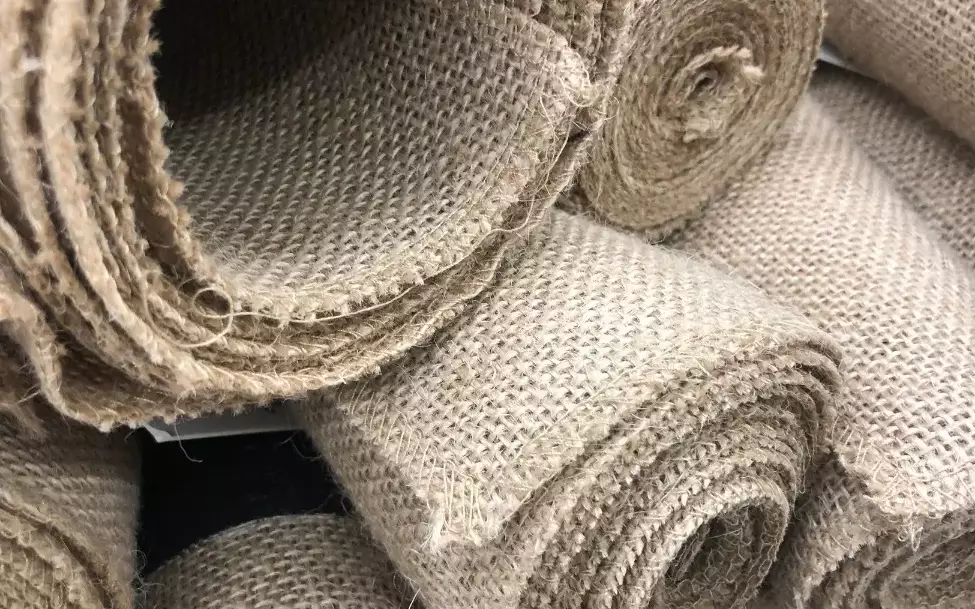
How to Identify Truly Biodegradable Fabrics
So how do you cut through the noise? Look for specifics, not vibes.
First, check for certifications. These are third-party verifications that mean something.
- GOTS (Global Organic Textile Standard): For organic fibers. It covers environmental and social criteria from harvest to labeling.
- OEKO-TEX Standard 100: Ensures the final fabric is free from harmful levels of toxic chemicals, which is a prerequisite for safe biodegradation.
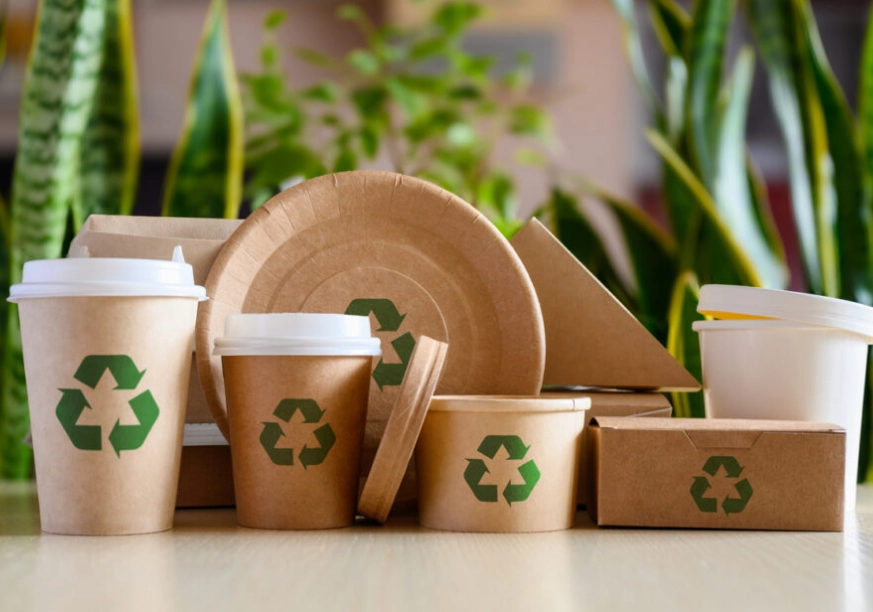
- Compostability Certifications (e.g., TÜV Austria OK compost HOME): The gold standard. This means the material has been tested and proven to fully break down in a home compost bin within a specific timeframe.
Second, interrogate the brand's transparency. A trustworthy company will tell you not just what the fabric is, but how it's made. Look for information on:
- Fiber source (e.g., "organic cotton from India," "Tencel from sustainably managed Austrian forests").
- Dyeing process (low-impact, natural, or AZO-free dyes).
- End-of-life instructions ("This garment is home compostable" vs. a vague "biodegradable").
The Sneaky Saboteurs: Finishes and Blends
Here's a mistake I see even well-intentioned designers make. They choose a beautiful organic linen, then apply a durable water repellent (DWR) finish so it doesn't stain. Or they blend it with 5% spandex for stretch.
That finish? It's usually a PFAS-based chemical, the "forever chemical." That 5% spandex? It's synthetic plastic (polyurethane).
The entire garment is now not biodegradable. The synthetic components will persist, contaminating the compost pile or soil. Always check the full material composition. A 100% natural fiber content is your safest bet.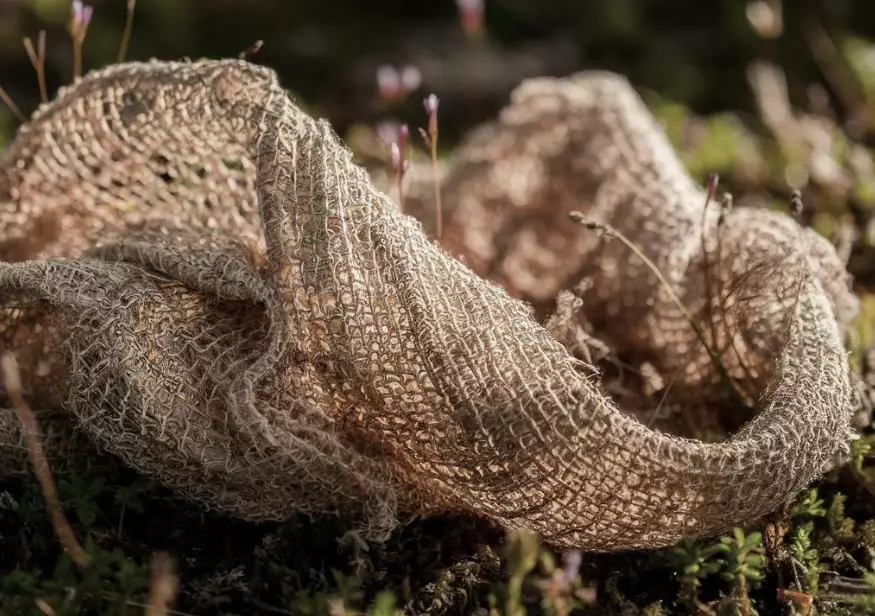
The Big Problem with "Biodegradable" Textiles
The most significant issue is the disposal environment. Over 80% of discarded textiles end up in landfills or are incinerated, according to the Environmental Protection Agency (EPA).
Modern landfills are designed to be dry and anaerobic (lacking oxygen) to prevent waste from breaking down and creating liquid leachate and methane gas too quickly. This mummifies waste. A head of lettuce, one of the most biodegradable things on the planet, can be found intact in landfills decades later.
So, your "biodegradable" organic cotton t-shirt, if thrown in the trash, will likely meet the same fate. It's preserved, not decomposed. The promise of biodegradability only rings true if the item is disposed of in the correct biological system—like a compost bin.
Biodegradable vs. Compostable: The Critical Difference
This is the most important distinction you need to know.
All compostable materials are biodegradable, but not all biodegradable materials are compostable.
Compostable is a higher, more specific standard. It means the material will break down into non-toxic, nutrient-rich compost (humus) within a specific timeframe in a composting environment. It's a controlled process with a beneficial output.
Biodegradable just means it will eventually break down, but it could take 5 years or 500 years, and it might leave behind toxic residues or microplastics.
When shopping, "compostable" is the term that carries weight. And even then, ask: home compostable or industrially compostable? Your backyard bin can't reach the temperatures needed to break down PLA or heavily processed materials.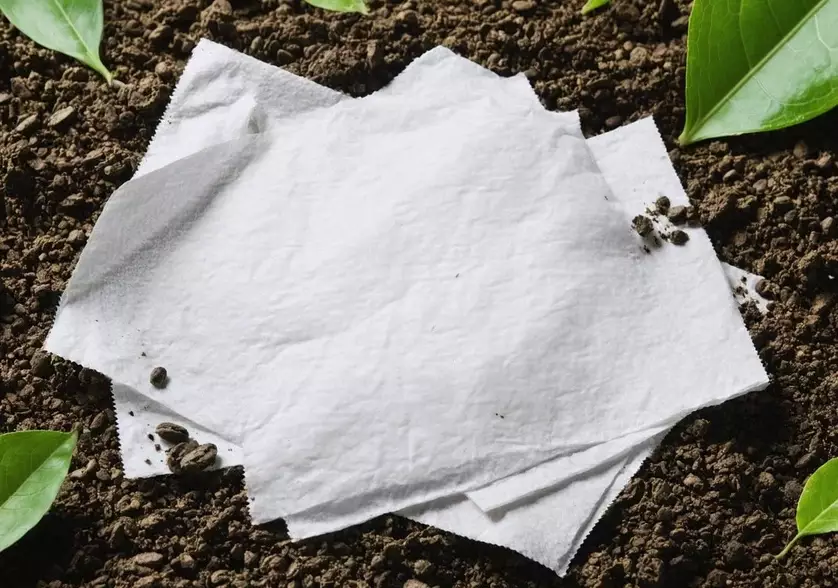
Making Informed Choices: A Realistic Approach
Chasing a perfectly biodegradable wardrobe is a bit of a fool's errand. A more effective strategy is to prioritize the circular economy: buy less, choose high-quality durable items, repair them, and pass them on.
For items that truly have a short lifespan or are single-use by nature (think certain hygiene products, tea bags, or event decor), then seeking certified compostable options makes perfect sense.
For your everyday clothes, focus on:
- Natural, Single-Fiber Fabrics: 100% organic cotton, linen, hemp, Tencel.
- Non-Toxic Processing: Look for GOTS or OEKO-TEX certifications.
- End-of-Life Plan: Can you compost it at home? If not, can it be easily recycled (like pure Tencel) or is it durable enough to have many lives through resale or donation?
Sometimes, a well-made synthetic like recycled polyester might be the more durable, long-lasting choice for a performance jacket, even if it's not biodegradable. Durability prevents waste. It's a complex trade-off.