Let’s cut straight to the chase. Modal fabric is made by chemically dissolving wood pulp from beech trees, then forcing it through tiny holes to create soft, durable fibers. But that simple answer misses the fascinating—and surprisingly eco-friendly—details that make modal a favorite for underwear, bedsheets, and premium activewear. I’ve spent years sourcing fabrics for small-batch clothing lines, and the journey from forest to finished spool is more nuanced than most blogs let on. The real story isn't just about dissolving wood; it's about a specific solvent, a near-magical closed-loop system, and a final product that feels nothing like the paper it came from.
What You'll Learn
The Raw Material: It All Starts with Beech Trees
Not just any wood. The vast majority of modal is made from the pulp of beech trees (Fagus sylvatica). You’ll often see “beechwood” on tags. There’s a reason for this specificity. Beech trees are a champion of sustainable forestry in their native regions like Austria and Central Europe. They regenerate from their own stumps, don’t typically require irrigation or pesticides, and are often harvested from PEFC or FSC-certified forests. This isn't about clear-cutting rainforests. The wood is chipped into uniform pieces, then cooked to remove lignin (the glue that holds wood together) and hemicellulose, leaving behind relatively pure cellulose. This cellulose pulp looks like thick, wet cardboard sheets. It’s the universal starting block for all cellulosic man-made fibers, but what happens next defines whether you get modal, viscose, or lyocell.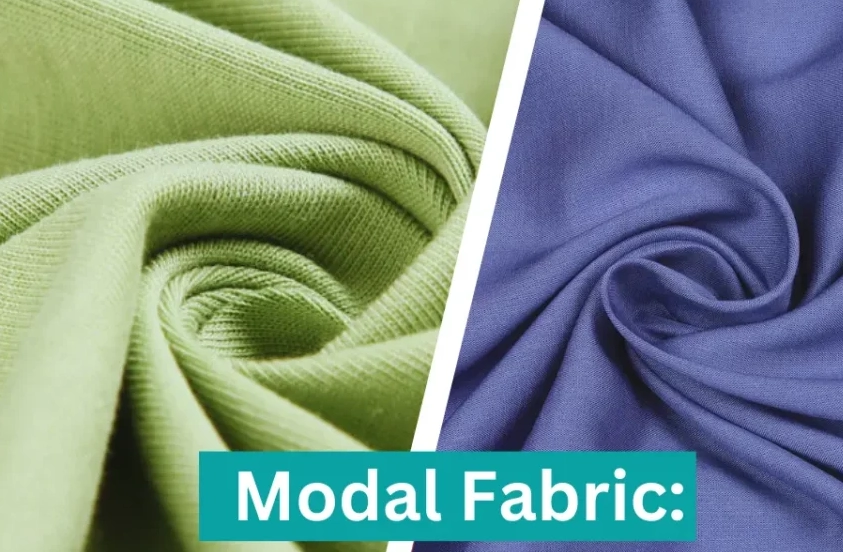
A quick note from experience: When a brand just says “wood pulp,” dig deeper. Beechwood is the gold standard for modal. Pulp from eucalyptus or bamboo can be used, but the final hand-feel and properties shift. True, high-quality modal almost always starts with beech.
The Core Process: Chemical Dissolution and Spinning
This is where modal separates itself from its less eco-friendly cousin, viscose. Both processes dissolve wood pulp, but the solvents and recovery rates are worlds apart.
Step 1: Dissolving the Pulp in NMMO
The dried cellulose sheets are shredded and then dissolved in a solvent called N-Methylmorpholine N-oxide (NMMO). This is the heart of the modern modal process. Unlike the carbon disulfide used in traditional viscose, NMMO is far less toxic and, crucially, can be recovered and reused with incredible efficiency—over 99% in modern systems. The mixture becomes a thick, honey-colored, syrupy liquid called “dope.”
Step 2: Filtering and Spinning into Fibers
The dope is filtered to remove any impurities. Then, it’s forced through a spinneret—a showerhead-like device with microscopic holes. The key here is the bath it’s extruded into. For modal, it’s a dilute NMMO or water bath. As the fine streams of liquid cellulose hit the bath, they solidify into continuous filaments. This is called “wet spinning.” The fiber is then stretched, or drawn, which aligns the cellulose molecules. More stretching generally means a stronger, finer fiber. Modal undergoes a higher degree of stretching than standard viscose, which is why it’s stronger when wet.
Step 3: Washing, Drying, and Finishing
The new fibers are washed thoroughly to remove all traces of solvent. Remember that 99% recovery rate? The washed-out NMMO is purified and pumped back to the start of the process. This is the famed “closed-loop” system pioneered by companies like Lenzing AG (who trademarked TENCEL™ Modal). The clean fibers are dried, oiled to prevent static, and wound onto large spools as filament yarn. It can also be cut into staple lengths (shorter fibers) to be spun like cotton.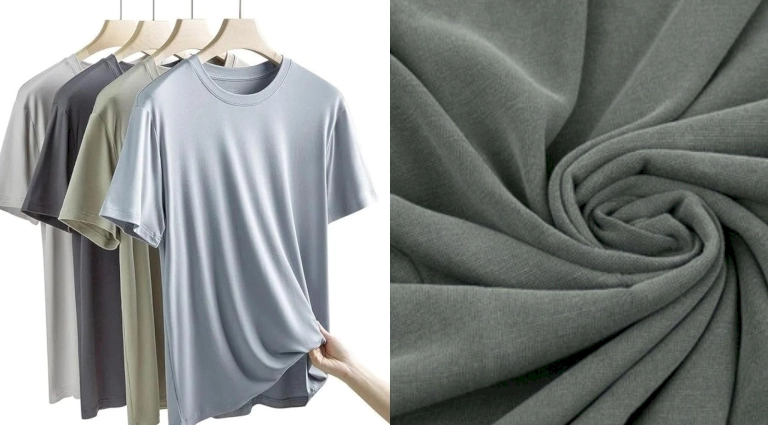
Modal vs. Lyocell vs. Viscose: A Manufacturing Showdown
People get these confused. They’re all cellulosic, but the manufacturing differences lead to distinct fabrics. Here’s the breakdown you won't find on a generic tag.
| Feature | Modal (Modern) | Lyocell (TENCEL™) | Standard Viscose/Rayon |
|---|---|---|---|
| Primary Solvent | N-Methylmorpholine N-oxide (NMMO) | N-Methylmorpholine N-oxide (NMMO) | Carbon Disulfide (CS₂) |
| Solvent Recovery | High (>99% in closed-loop) | Very High (>99.5% in closed-loop) | Low ( |
| Wood Pulp Source | Primarily Beech | Primarily Eucalyptus | Various (eucalyptus, bamboo, beech) |
| Fiber Strength (Wet) | Good, stronger than viscose | Excellent, strongest of the three | Poor, weakens significantly |
| Typical Hand Feel | Silky-soft, smooth, drapey | Soft, can be slightly cooler & heavier | Soft, but can feel slimy or cold when wet |
| Environmental Impact | Lower impact, sustainable if certified | Lowest impact (benchmark for closed-loop) | Higher impact, chemical pollution risk |
Here’s the subtle point most miss: Lyocell and modal are made with the same solvent (NMMO) but often from different trees and with slightly different process parameters. Lyocell (like TENCEL™) is usually made from eucalyptus and is known for exceptional strength. Modal, from beech, is tuned for supreme softness and luster. Think of Lyocell as the high-performance athlete and Modal as the luxury comfort specialist. Viscose is the older, less efficient cousin with baggage.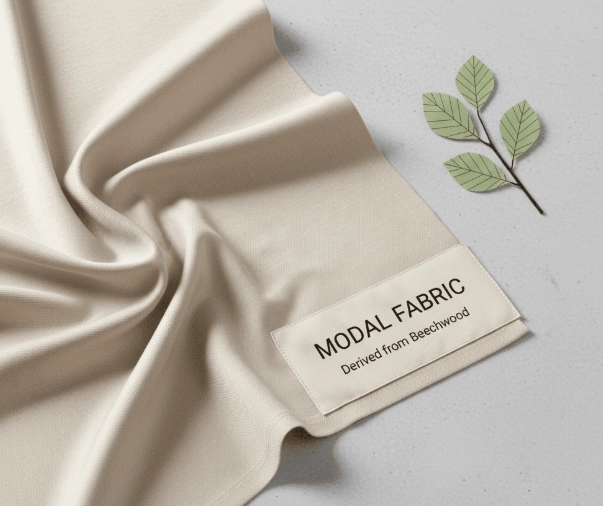
Environmental Impact: The Good and the Gray Areas
Modal is marketed as “eco-friendly,” and the closed-loop NMMO process is a genuine step forward. But let’s be precise.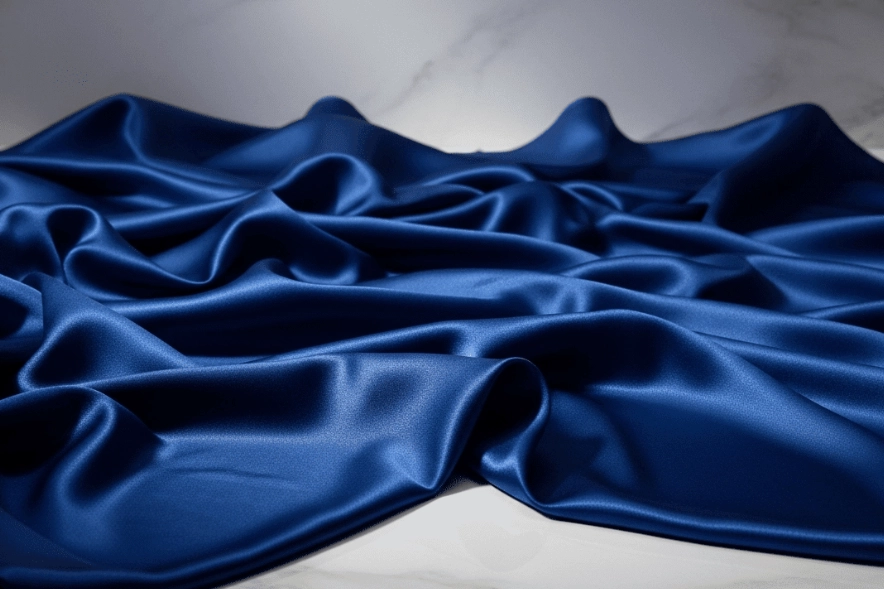
The Good: The closed-loop system drastically reduces chemical waste and water pollution compared to old viscose mills. Beech tree sourcing is generally sustainable. The fabric is biodegradable. A 2022 report from the non-profit Canopy highlighted modal from responsible producers as a lower-risk option.
The Gray: “Closed-loop” doesn’t mean zero impact. Energy is still used, and some solvent is inevitably lost. The term “modal” itself isn’t a protected trademark like TENCEL™. Any producer using beech pulp and an NMMO process can call their fabric modal, even if their solvent recovery is only 80%. That’s why looking for certifications is non-negotiable.
- Look for TENCEL™ Modal: This is Lenzing’s branded version and guarantees the high recovery rate and sustainable forestry.
- Check for FSC or PEFC: These certify the wood comes from responsibly managed forests.
- OEKO-TEX Standard 100: Ensures the final fabric is free from harmful levels of chemicals.
Without these, you’re taking the brand’s word for it. I’ve seen “eco-modal” that was just slightly improved viscose.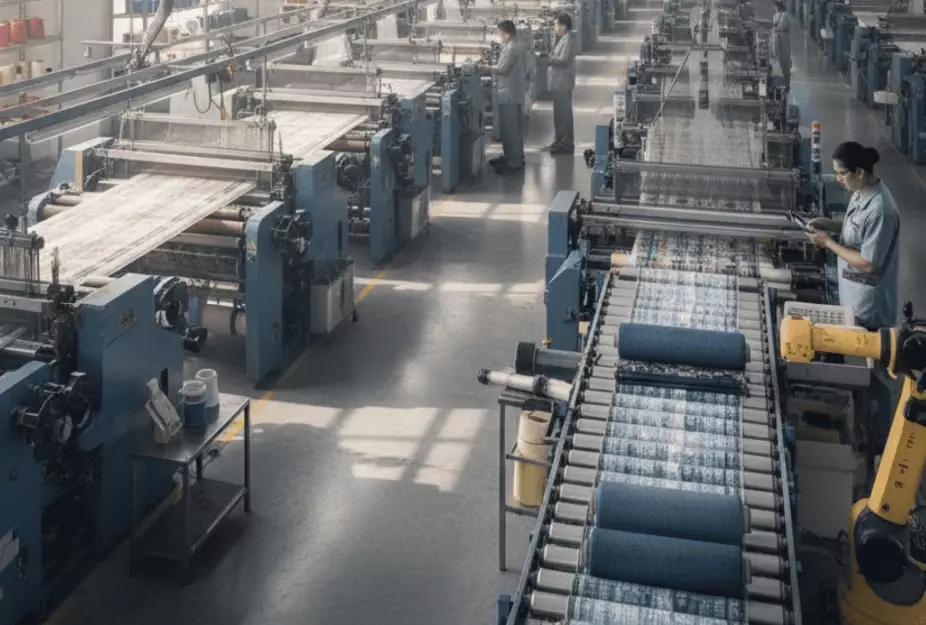
Why Modal Feels So Different: The Properties Explained
The manufacturing process gifts modal its unique character. That high-wet-strength spinning creates a fiber with a rounder, smoother cross-section than the jagged shape of standard viscose. This smoothness is why it feels luxuriously soft against the skin and resists pilling better. Its high absorbency (about 50% more than cotton) comes from the porous structure of the regenerated cellulose. It wicks moisture away quickly, but the smooth surface means it still feels relatively dry. It’s also less prone to wrinkling and has a beautiful, subtle sheen and excellent drape.
But it has a downside: like most cellulosics, it can shrink if washed in hot water or tumble-dried on high heat. Always check the care label, but cool washes and line drying are your friends.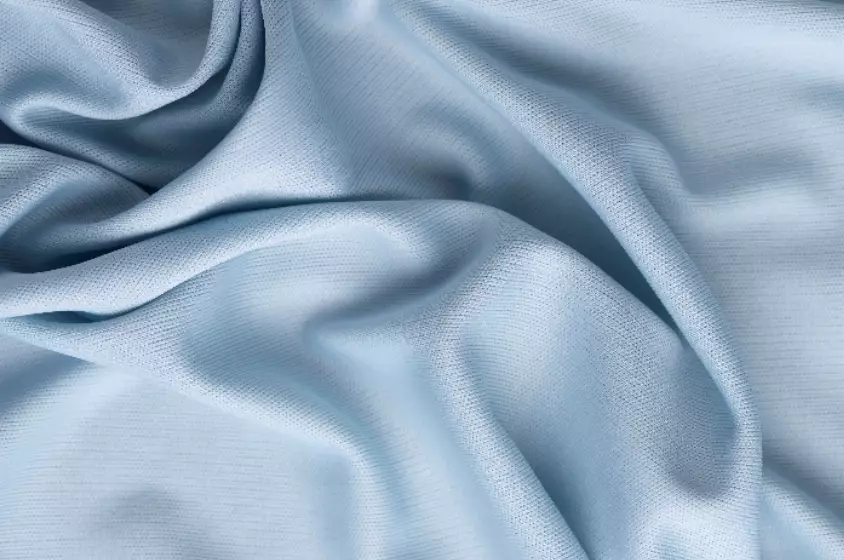
Your Modal Fabric Questions, Answered
So, how is modal fabric made? It’s a clever marriage of nature and technology. We take sustainably harvested wood, dissolve it in a kinder solvent, spin it with care, and recover almost all the materials used. The result isn’t just a soft fabric; it’s a testament to how textile manufacturing can evolve. It’s not perfect, but when you choose certified modal from a transparent brand, you’re voting for a process that values resources, worker safety, and the kind of comfort that makes you forget you’re even wearing clothes.