You've probably seen the label "cotton modal" on a shirt or bedsheet and wondered what it means. Is it just fancy marketing? Not at all. Cotton modal fabric is a specific blend that's become a quiet superstar in our wardrobes and homes. I've been working with textiles for over a decade, and I can tell you this isn't just another fabric trend—it's a practical solution to some common clothing frustrations. In simple terms, it's a blend of natural cotton fibers and semi-synthetic modal fibers, usually in a ratio like 50/50 or 60/40. The goal? To take the best qualities of each and create something better than the sum of its parts. Think of the breathability and sturdiness of cotton meeting the incredible softness and drape of modal. The result is a fabric that feels luxurious but doesn't require babying.
What You'll Learn in This Guide
What Exactly is Cotton Modal Fabric?
Let's break it down. Cotton is the old reliable, grown from the cotton plant. Modal is a type of rayon, but don't let "rayon" scare you. It's made from regenerated cellulose, usually from beech trees. The process, pioneered by companies like Lenzing AG (whose TENCEL™ Modal is a major player), involves pulping the wood and then spinning the cellulose into fibers. It's more sustainable than many fully synthetic processes.
When you blend these two, you're not just mixing threads. The fibers are combined at the yarn-spinning stage, creating a single yarn that has both cotton and modal characteristics woven into its core. The exact feel and performance depend heavily on the blend ratio. A 60% cotton, 40% modal blend will feel more like a super-soft, improved cotton. Flip it to 40% cotton, 60% modal, and you get a fabric with incredible fluidity and silkiness, but with a bit more structure than pure modal.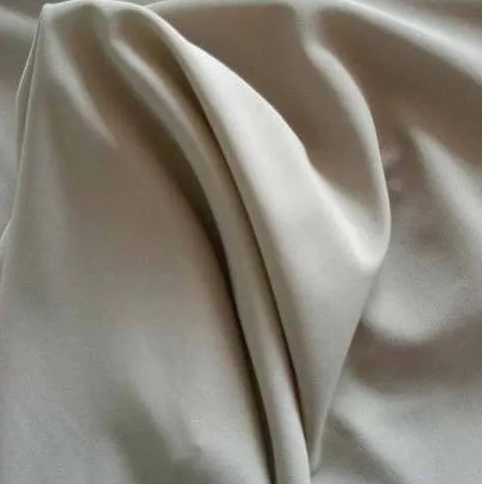
The Manufacturing Process: How It's Made
The magic happens in the spinning mill. Cotton bales and modal staple fibers are opened, cleaned, and blended thoroughly. They're then carded (aligned) and drawn out into a sliver before being spun into yarn. This intimate blending is key. A cheap version might just weave cotton and modal yarns together, which doesn't give the same unified benefits. The good stuff—the kind you want—is blended at the fiber level. After spinning, the yarn is knitted or woven into fabric. It often undergoes finishing processes like mercerization (for cotton) to increase strength and luster, and sometimes a softener is applied to enhance that signature touch.
Why You'll Love It: Top 3 Benefits of Cotton Modal
So why go for the blend? Here are the concrete advantages that make it worth seeking out.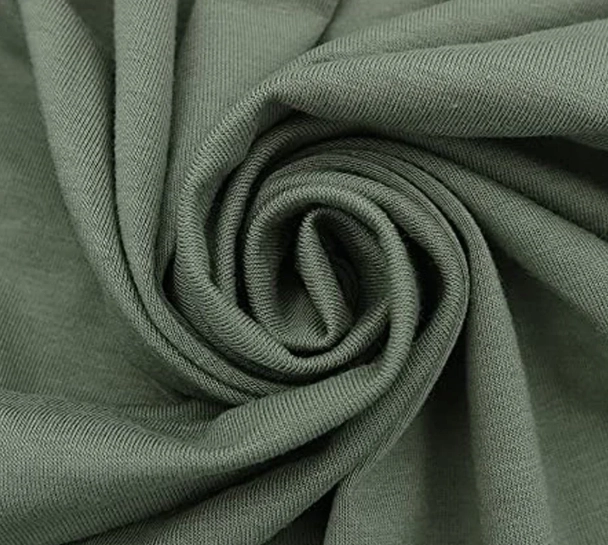
1. Next-Level Comfort and Softness. This is the biggest draw. Modal is inherently softer than cotton, and that characteristic dominates the blend. Cotton modal fabric is often described as "buttery" or "silky" against the skin. It's a go-to for people with sensitive skin or who just hate that rough, new-cotton feel. The softness also increases with washing, unlike some cottons that can get stiff.
2. Durability Meets Easy Care. Pure modal, while soft, can be delicate and prone to stretching out over time. Cotton adds backbone. I've had cotton modal t-shirts that last for three seasons of regular wear and washing, holding their shape far better than a pure modal top would. It's also less prone to pilling than some fuzzy cotton blends, thanks to the long, smooth modal fibers.
3. Breathability and Moisture Management. Both fibers are highly breathable. Cotton absorbs moisture well, while modal absorbs about 50% more moisture than cotton and wicks it away faster. This makes cotton modal an excellent choice for sleepwear, activewear, and everyday basics in warm weather. You stay dry and comfortable. It's not a technical performance fabric for marathon running, but for yoga, walking, or a hot summer day, it outperforms standard cotton.
There's a sustainability angle too. Modal production, especially from certified sources like Lenzing, typically uses less water and land than conventional cotton farming. When you choose a blend, you're indirectly supporting more efficient resource use. Organizations like the Textile Exchange track these impacts, highlighting modal's role in more responsible fiber production.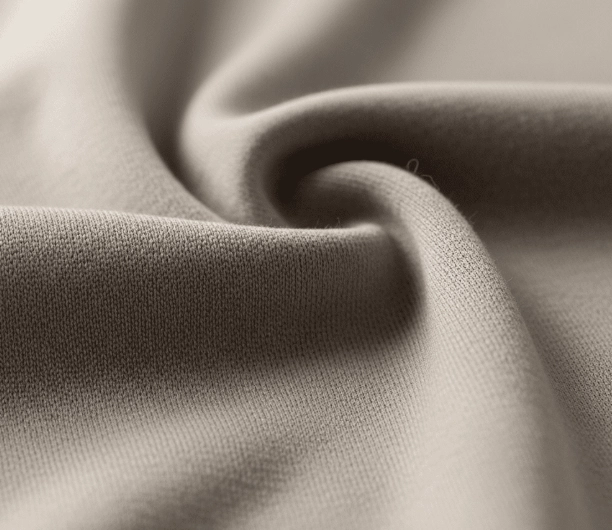
Cotton Modal vs. 100% Cotton vs. 100% Modal
Let's get practical. How do you decide? This table cuts through the confusion.
| Feature | Cotton Modal Blend (e.g., 50/50) | 100% Cotton | 100% Modal |
|---|---|---|---|
| Feel & Softness | Exceptionally soft, smooth, and often silk-like right away. | Can be soft, but often has a crisp or slightly coarse feel until broken in. | The softest of the three; ultra-luxurious and fluid. |
| Durability & Shape | Very good. More resistant to stretching and pilling than pure modal. | Excellent. Known for its strength and ability to hold structure. | Lower. Can stretch out over time and may be more delicate when wet. |
| Breathability | Excellent. Combines the absorbency of cotton with modal's wicking. | Excellent. Highly breathable and absorbent. | Excellent. Highly breathable and superior at wicking moisture. |
| Wrinkling | Moderate. Wrinkles less than pure cotton, more than pure modal. | High. Prone to wrinkling. | Low. Naturally wrinkle-resistant and drapes beautifully. |
| Typical Cost | Mid-range. Often more affordable than high-end pure modal. | Wide range (from cheap to premium). | Often higher-end due to production process. |
| Best For | Everyday luxury: T-shirts, underwear, pajamas, bed linens, casual dresses. | Sturdy basics: Jeans, button-down shirts, towels, heavy-duty bedding. | Lingerie, flowing nightgowns, drapey blouses, luxury loungewear. |
My personal take? For daily wear items where you want comfort and longevity, cotton modal is the sweet spot. I switched my basic t-shirts to cotton modal years ago and never looked back. Pure cotton can feel like cardboard in comparison, and pure modal sometimes lacks the heft I want for a t-shirt.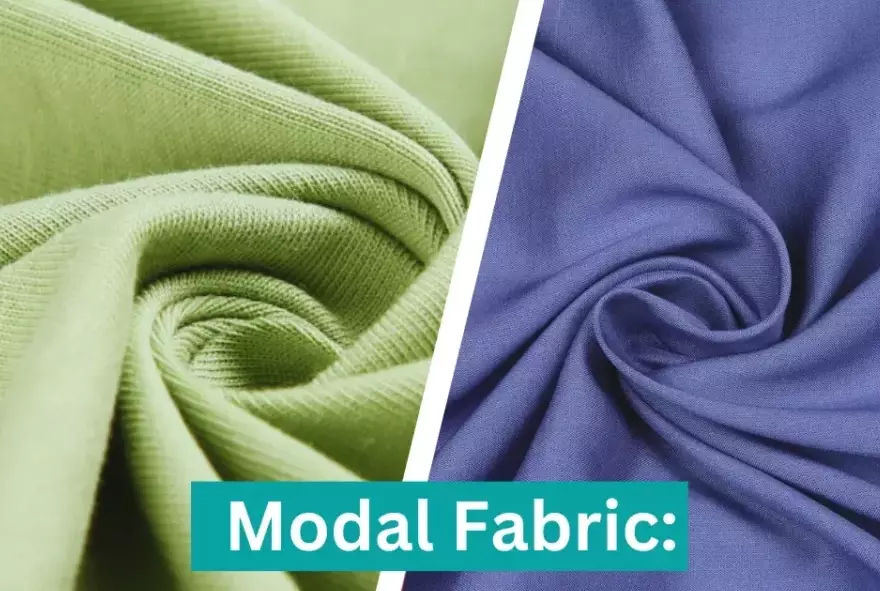
Where You'll Find It: Best Uses for Cotton Modal Fabric
This fabric isn't for everything, but where it shines, it really shines.
Apparel You'll Wear on Repeat
T-shirts and Tanks: This is the classic application. Brands like Kotn, Everlane, and even higher-end lines use it for their premium basics. The fabric drapes nicely, doesn't cling uncomfortably, and feels cool in summer. I have one in heather grey that's my absolute favorite—it looks more expensive than it was.
Sleepwear and Loungewear: Its moisture-wicking properties make it ideal for pajamas. You won't wake up in a sweaty tangle. For loungewear, it offers that cozy feel without the bulk of fleece.
Underwear and Socks: The softness and breathability are perfect for sensitive areas. It reduces irritation and keeps you feeling fresh.
Casual Dresses and Tunics: The fabric has a beautiful drape that works well for simple, flowing silhouettes. It's less formal than silk but feels more special than plain jersey cotton.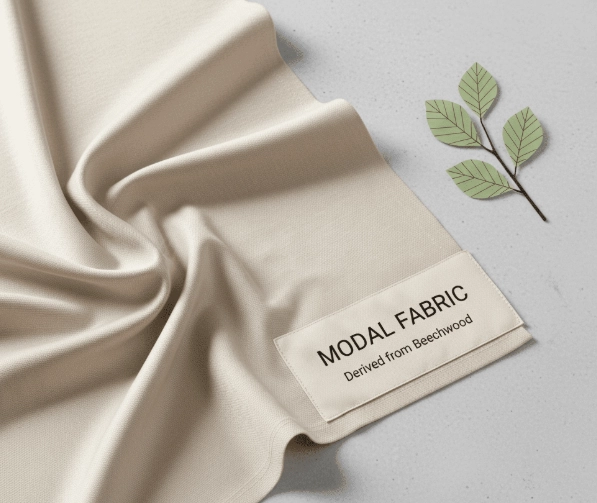
Home Textiles That Upgrade Your Space
Bed Sheets and Pillowcases: This is a growing category. Cotton modal sheets are often marketed as a "hot sleeper" solution. They feel cool and smooth against the skin and are less prone to pilling than some low-thread-count cotton sheets. They don't have the crisp, percale feel of high-quality cotton, but rather a soft, satiny touch.
Lightweight Robes and Towels: Modal's absorbency makes it a candidate for towels and robes, though cotton provides the necessary durability. You'll find it more in lightweight, quick-drying travel towels or plush robes.
Making It Last: The Complete Care Guide
Here’s where people mess up. They treat it like indestructible cotton or delicate silk. It's neither. Follow these steps to keep your cotton modal pieces in perfect shape.
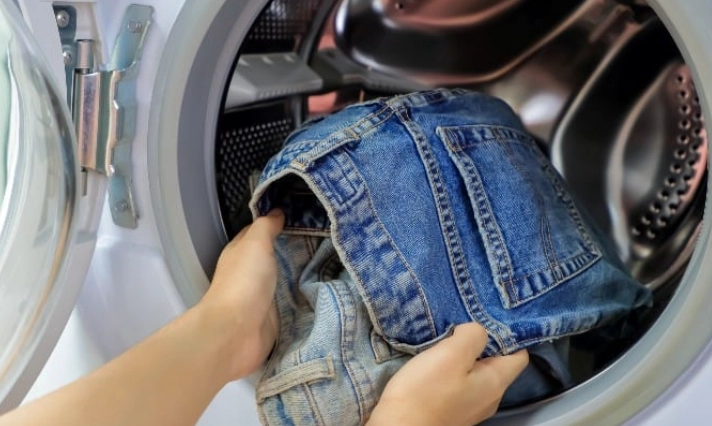
Washing: Turn garments inside out. Use cold or lukewarm water on a gentle cycle. Hot water is the enemy—it can weaken the fibers and cause shrinkage, especially on the modal side. A mild detergent is best. Avoid bleach.
Drying: This is critical. Air dry whenever possible. Lay items flat on a drying rack or hang them. The tumble dryer's high heat is the fastest way to shrink, weaken, and wrinkle cotton modal. If you must use a dryer, choose the lowest heat setting and remove items while still slightly damp to minimize wrinkles.
Ironing: You usually won't need to. If you do, use a low to medium heat setting and iron while the garment is still slightly damp, or use a steam function. Always iron on the reverse side to prevent shine marks on the soft surface.
Storing: Fold knit items like t-shirts to avoid stretching on hangers. Woven items can be hung. Keep in a cool, dry place.
A common mistake I see is throwing a new cotton modal dress in a hot wash and high-heat dry, then wondering why it's now a top. Treat it gently, and it will reward you with years of softness.
Your Questions, Answered
Is cotton modal fabric good for people with sensitive skin or eczema?
Generally, yes. The fibers are smooth and less likely to irritate than rough cotton or wool. The excellent moisture-wicking also helps keep skin dry, which can prevent flare-ups. However, always check the finish. Some fabrics have chemical softeners or dyes that can cause reactions. If you have severe sensitivities, look for Oeko-Tex certified cotton modal, which guarantees the absence of harmful substances.
Can I use cotton modal for workout clothes?
For low to medium-intensity workouts like yoga, Pilates, or weight training, it's fantastic. It's breathable, absorbs sweat, and feels comfortable. For high-intensity, sweat-drenching cardio, you might want a dedicated synthetic performance fabric that dries even faster. Cotton modal can feel heavy when completely saturated.
Does cotton modal fabric shrink?
It can, primarily due to the cotton content and exposure to heat. The modal fiber itself is quite stable. The shrinkage risk is the main reason for cold washing and air drying. If you follow those care instructions, shrinkage should be minimal, often less than 3-5%. Pre-washed garments from reputable brands have usually already undergone this process.
Why is my cotton modal shirt pilling?
While it's more pill-resistant than some fabrics, pilling can happen, usually in areas of friction (underarms, sides where a bag rubs). This is often a sign of lower-quality modal fibers or a loose knit. You can use a fabric shaver to remove pills. To prevent it, wash inside out on gentle and avoid rough surfaces.
Is cotton modal more expensive than regular cotton?
Usually, yes. The modal production process and the blending expertise add cost. You're paying for enhanced comfort and performance. It's not exorbitant, but expect to pay a premium over a basic 100% cotton t-shirt. I find the cost-per-wear justifies it, given how much longer and more comfortably I wear my cotton modal pieces.
How eco-friendly is cotton modal fabric really?
It's a mixed bag, but generally a step in the right direction. Modal from sustainably managed beech forests (like Lenzing's) uses a closed-loop process that recycles water and solvents. It requires less water than conventional cotton farming. The cotton side is the bigger variable. Look for blends that use organic or Better Cotton Initiative (BCI) cotton to improve the overall sustainability profile. No fabric is perfect, but a cotton modal blend from responsible sources is a considered choice.