Let's cut to the chase. Yes, modal fabric is exceptionally comfortable. It's often described as "buttery soft" or "silky smooth," and for good reason. But as someone who's bought, worn, and sometimes been disappointed by modal pieces over the years, I can tell you that comfort isn't a single yes/no switch. It's a spectrum influenced by weave, blend, garment construction, and frankly, how you care for it. A cheap modal blend tee can feel scratchy after ten washes, while a well-made modal dress feels like a second skin for years. This guide isn't just about repeating that modal is soft. We're going to dissect why it feels that way, when it might not live up to the hype, and how to pick the pieces that deliver on the comfort promise.
What You'll Discover in This Guide
What Is Modal Fabric, Really?
Modal is a type of rayon. That's the first thing to get straight. It's not a synthetic like polyester; it's made from regenerated cellulose, which comes from beech trees. The process, pioneered by the Austrian company Lenzing (whose TENCEL™ Modal is the gold standard), breaks down wood pulp into a fiber. This isn't just eco-marketing fluff—the production method is more controlled and efficient than standard viscose rayon, using less water and a closed-loop system that recycles solvents.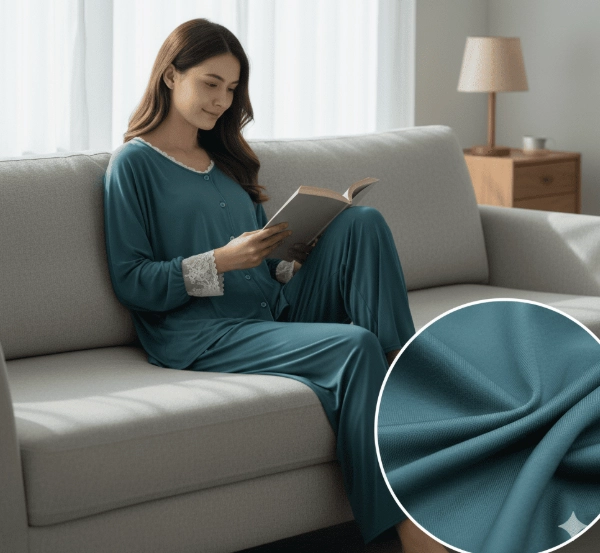
The result is a fiber with a round, smooth cross-section. Think of a perfectly cylindrical silk strand versus the twisted, irregular shape of some cotton fibers. That smoothness is the secret to modal's signature drape and that initial soft feel against your skin. It lacks the microscopic "hairs" that can cause prickling.
The Comfort Breakdown: Touch, Breathability, Durability
Comfort is multi-layered. Let's separate the marketing from the reality.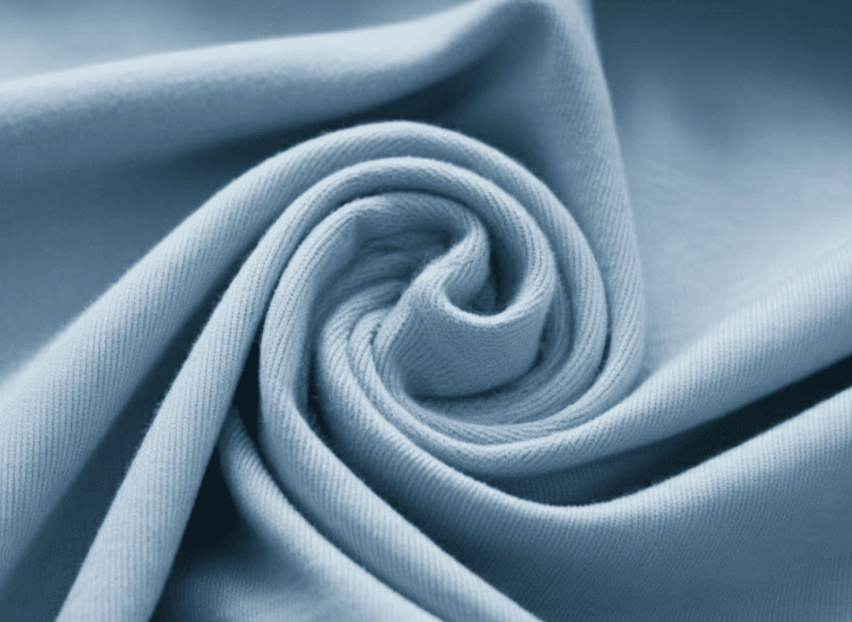
1. The Feel: Softness and Drape
Modal's softness is immediate. It's often softer than cotton right out of the package. The drape is phenomenal—it flows and skims the body rather than sitting stiffly. This makes it incredible for loungewear, nightgowns, and lightweight summer dresses. However, that same fluidity means 100% modal knits can sometimes feel too thin or clingy. Some people describe it as "feeling naked," which is great or disconcerting depending on your preference. I've found that modal blends (with 5-10% elastane or a bit of cotton) often provide the ideal balance of softness and structure.
2. Temperature and Moisture Management
This is where modal shines and often beats cotton. Modal is hygroscopic—it absorbs moisture vapor (sweat) much more efficiently than cotton. According to research from Lenzing, modal can absorb 50% more moisture than cotton while feeling dry to the touch. In practice, a modal t-shirt in humid summer weather will wick sweat away faster, leaving you feeling cooler and less sticky. It's breathable, allowing air to circulate.
But here's a nuanced point: in extremely wet conditions (like heavy sweating during intense cardio), modal's high absorbency can work against it. The fabric may hold onto liquid sweat longer than a synthetic performance fabric designed to move moisture outward. For yoga or a summer walk? Perfect. For a 10k run? Maybe not the best pick.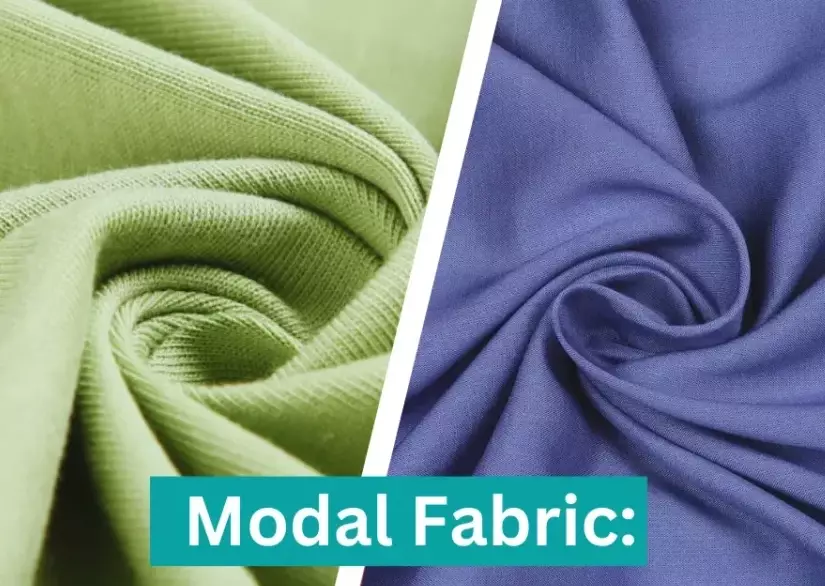
3. Durability and Long-Term Comfort
This is the make-or-break factor for me. A fabric that's soft once but pills, stretches out, or fades after five washes is not comfortable. Modal is stronger than standard viscose when wet, which is a plus for washing. However, its weakness is abrasion. Pure modal bedsheets, for instance, might develop thin spots faster than long-staple cotton if you're an active sleeper.
The long-term comfort secret is in the care. Modal is prone to stretching when wet and heavy. Never hang a soaking wet modal sweater to dry—it will become a dress. Always lay it flat. Use gentle cycles and cool water. With proper care, a good modal item retains its softness wash after wash, often getting even softer, unlike some cottons that can stiffen.
| Comfort Factor | Modal's Performance | Key Consideration |
|---|---|---|
| Initial Softness | Excellent. Often surpasses new cotton. | Can feel very thin in 100% form. |
| Breathability | Very High. Excellent for warm weather. | May not be ideal for extreme sweat scenarios. |
| Moisture Wicking | Superior to cotton. Feels drier. | Absorbs moisture vapor well, not necessarily liquid sweat. |
| Drape | Fluid, elegant, body-skimming. | May not provide much structure or warmth. |
| Durability (with care) | Good. Retains softness over time. | Weak against abrasion; can stretch if mishandled. |
| Temperature Regulation | Good for cooling. Lightweight. | Not inherently insulating for cold weather. |
Modal vs. Cotton: The Ultimate Comfort Showdown
Everyone wants to know how it stacks up against the classic. It's not that one is universally better; they excel in different areas.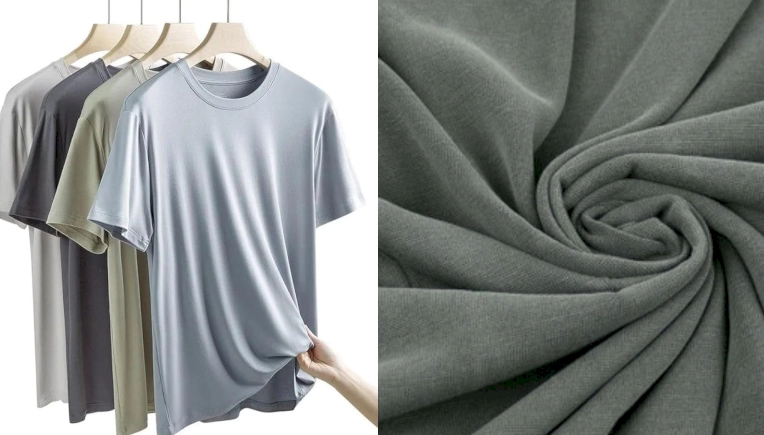
Think of a hot, muggy day. You put on a classic cotton tee. It's comfortable, but as you sweat, the cotton absorbs the moisture and holds it. The fabric gets damp, heavy, and can stick to your skin. It takes a while to dry. Now, put on a high-quality modal tee. It likely feels softer from the start. As you sweat, it pulls the moisture into the fibers more efficiently, but the surface feels drier faster. The fabric remains lighter. For summer comfort, modal has a distinct edge.
Now think of a crisp fall day. A thick, soft cotton jersey feels cozy and substantial. It has a comforting weight and a bit of "tooth" or texture that feels warm. A 100% modal top of the same weight might feel cooler, slicker, and less insulating. For that snuggly, casual feel, cotton often wins.
Where modal truly outpaces cotton is in consistent softness after washing. Cheap cotton can become rough. High-quality Pima or Supima cotton stays soft, but modal frequently wins in side-by-side feel tests over dozens of washes, especially in items like underwear and sheets.
My personal rule? I reach for modal for warm-weather base layers, underwear, pajamas, and flowing casual wear. I prefer cotton for terry towels, heavier sweatshirts, and when I want more structure in a t-shirt.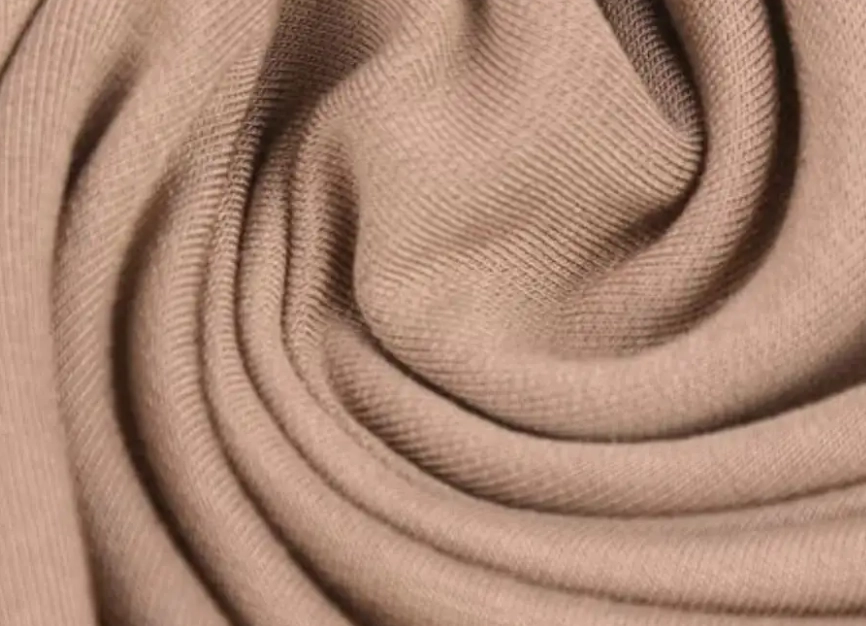
How to Choose Comfortable Modal Clothing
Seeing "modal" on a tag isn't a guarantee. Here’s how to shop like you know what you're doing.
Check the Blend: For everyday tops and dresses, look for blends. Modal/Spandex (95/5 or 90/10) gives you that softness with recovery, so it won't bag out. For something warmer, a modal/cotton blend (50/50 or 60/40) combines modal's softness with cotton's familiar structure and warmth.
Feel the Weight (GSM): Grams per square meter matters. A 150 GSM modal tee will be ultra-light and breezy, maybe too sheer. A 200-220 GSM modal tee has more substance, feels more durable, and is less likely to cling transparently. For loungewear, I prefer the heavier weight.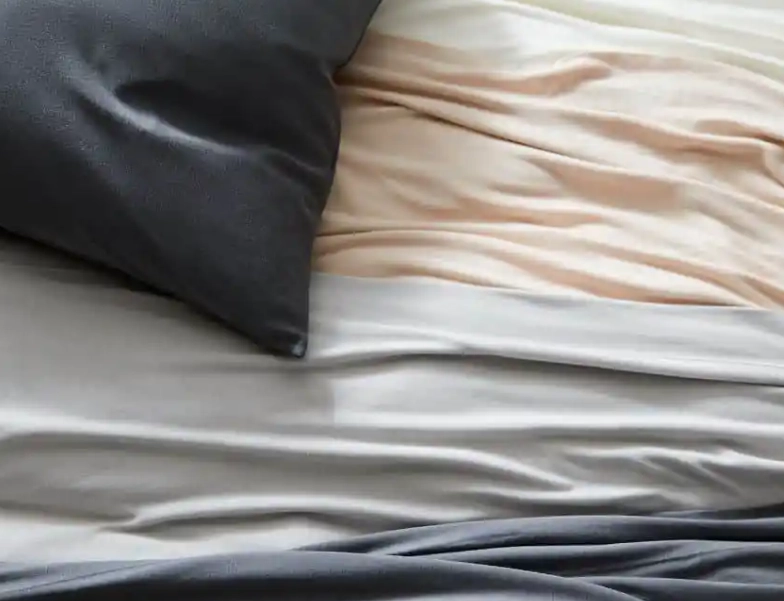
Look for Brand Clues: Brands that tout TENCEL™ Modal (by Lenzing) are generally using a higher-quality, more sustainably produced fiber. It's a good proxy for better performance and consistency. Patagonia, Eileen Fisher, and Allbirds are examples of brands that often use TENCEL™ fibers.
Decode the Care Label: This tells you about the fabric's behavior. "Lay flat to dry" is almost a given for modal. If it says "tumble dry low," it's likely a robust blend. If it says "dry clean only," be wary—it might be a delicate weave that won't hold up to long-term comfortable wear.
Price is a Signal (Usually): Extremely cheap modal is a red flag. The production of good modal isn't dirt cheap. A $10 modal shirt might pill instantly or lose shape. Investing $30-$50 in a well-made modal piece from a reputable brand often translates to years of superior comfort.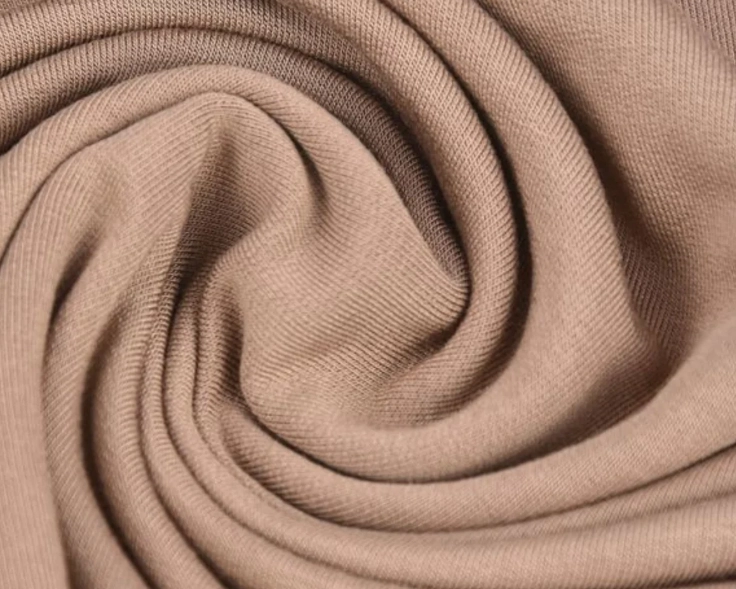
Your Modal Comfort Questions, Answered
So, is modal fabric comfortable? The evidence is overwhelming. Its unique blend of silky softness, superior breathability, and moisture-wicking ability makes it a top-tier choice for everyday comfort, particularly in warmer climates or for skin-sensitive wear. The comfort isn't a myth—but it is a promise that requires you to be a slightly informed shopper and a careful launderer. Choose the right blend, respect the care label, and you'll have pieces that deliver a level of soft, easy comfort that's hard to beat.