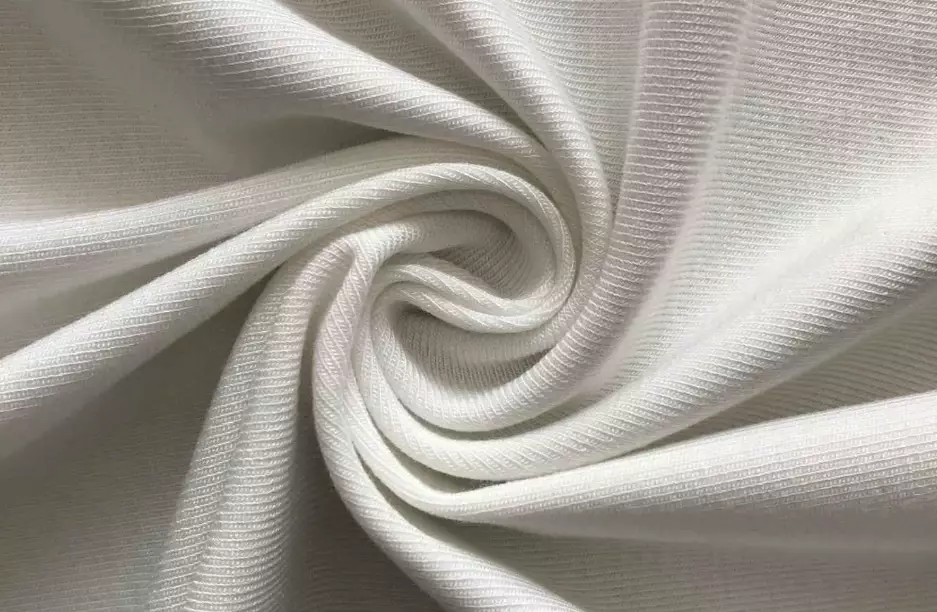
Micro Modal fabric is a type of rayon, but calling it that is like calling a sports car "a vehicle." It misses the point entirely. If you've ever owned a piece of clothing that felt unbelievably soft, draped perfectly, and somehow kept you cool, there's a good chance it was made from Micro Modal. It's the secret behind those premium-feeling underwear, t-shirts, and bedsheets that brands charge a bit more for. But what exactly is it, and is it worth the hype (and the price tag)? Let's cut through the marketing fluff.
At its core, Micro Modal is a branded, high-performance version of modal, which itself comes from beech tree pulp. The "Micro" refers to the ultrafine fibers used, which are what give it that signature silky-smooth hand feel. The Austrian company Lenzing AG invented and trademarked it, and they control the production to strict environmental standards. So when you see "Lenzing™ Modal" or "MicroModal," you're looking at the real deal.
What You’ll Learn Inside
What Is Micro Modal & How Is It Made? From Tree to T-Shirt
The journey starts in sustainably managed beech forests, primarily in Europe. Lenzing, the main producer, sources wood from forests certified by programs like PEFC or FSC, which means trees are replanted. This is the first big differentiator from generic modal or viscose, which might source wood from less regulated areas.
The wood is chipped and processed to extract cellulose, the natural polymer that makes up plant cell walls. This cellulose is then dissolved using a non-toxic solvent in a closed-loop system. Here's the crucial part: Lenzing's process recovers and reuses over 99% of the solvent and water. This closed-loop method, branded as "Edelweiss" technology, is a cornerstone of its environmental claim and sets it apart from older, more polluting viscose methods.
The dissolved cellulose is forced through tiny spinnerets (think of a high-tech showerhead) to form threads. For Micro Modal, these spinnerets have incredibly fine holes, creating fibers that are much thinner than standard modal or cotton. These fine fibers are then spun into yarn and woven or knitted into fabric. The result is a material with a dramatically increased surface area, which is the scientific reason it feels so luxuriously soft and absorbs moisture so well.
Quick Fact: Not all modal is Micro Modal. "Modal" is a generic fiber category. "Micro Modal" is Lenzing's specific, high-grade version with finer fibers and a controlled, eco-friendly production process. Always check the label.
The Key Benefits: Why People (and Brands) Are Switching
So why go through all this trouble? Because the end product has a combination of properties that are hard to beat.
Softness That Actually Lasts
This is the headline act. The fineness of the fibers creates a surface that's incredibly smooth against the skin. Unlike some cheap cotton that can get rough after repeated washes, high-quality Micro Modal often gets softer. I have a Micro Modal t-shirt that's five years old, and it's still the first thing I reach for on a lazy Sunday.
Moisture Management Superpowers
It absorbs moisture (sweat) much faster than cotton. Cotton soaks it up and holds it, leaving you feeling damp. Micro Modal pulls moisture away from your skin and spreads it across the fabric's surface, where it evaporates quickly. This makes it fantastic for activewear, sleepwear, and basics in warm climates.
Breathability and Temperature Regulation
It's highly breathable. The fabric structure allows air to circulate, helping to regulate your body temperature. You stay cooler in summer and don't overheat as easily. It's not a miracle wool substitute for winter, but for three-season wear, it's excellent.
Drape and Color Vibrancy
The fibers are strong yet flexible, giving the fabric a beautiful, fluid drape that doesn't cling awkwardly. It also takes dye exceptionally well, resulting in rich, deep colors that resist fading better than many natural fibers.
The Sustainability Angle (The Important One)
This is where it gets interesting. Compared to conventional cotton, which is notoriously thirsty and pesticide-heavy, beech trees generally require less water and no irrigation. Lenzing's closed-loop process is a significant environmental advantage. The fabric is also biodegradable and compostable under industrial conditions. However, it's not perfect—it's still a processed fiber, and the transportation footprint exists. But within the realm of cellulosic fibers, it's a leader. Organizations like the Textile Exchange recognize Lenzing's efforts in responsible sourcing.
Modal vs. Cotton: The Real-World Showdown
Let's be clear: cotton isn't going away. It's a fantastic, natural, and durable fiber. But for specific uses, Micro Modal has distinct edges. Don't just take my word for it; see how they stack up side-by-side.
| Feature | Micro Modal | Cotton (Conventional) |
|---|---|---|
| Feel & Softness | Exceptionally soft, silky smooth from the first wear. Often gets softer. | Can be soft, but often requires breaking in. Quality varies widely (Pima, Egyptian are softer). |
| Moisture Absorption | Absorbs 50% more moisture than cotton, dries much faster. | Absorbs moisture well but holds it, leading to a damp feeling and slower drying. |
| Breathability | Excellent. Allows for strong air circulation. | Good, but can become heavy and less breathable when wet. |
| Durability | Strong when wet, but fibers can be prone to pilling if blended poorly or washed harshly. | Generally very durable, especially in thicker weaves. Strengthens when wet. |
| Environmental Impact | Lower water footprint in raw material growth, closed-loop processing. Biodegradable. | High water and pesticide use in conventional farming. Biodegradable. |
| Typical Use Cases | Underwear, premium t-shirts, sleepwear, robes, activewear liners, bedsheets. | Jeans, shirts, towels, bedding, heavy-duty workwear, socks. |
| Price Point | Generally higher, reflecting the specialized process. | Wide range, from very cheap to premium for specialty cottons. |
The takeaway? Think of cotton as your reliable, sturdy friend—great for hard-wearing jeans or a crisp oxford shirt. Micro Modal is your luxury comfort pick—ideal for anything that sits directly against your skin for long periods where feel and moisture management are key.
How to Spot High-Quality Micro Modal (And Avoid Disappointment)
Not all Micro Modal is created equal. A cheap product labeled "modal" might pill, lose shape, or feel scratchy. Here's what to look for:
Check the Label for the Brand Name: Look for "Lenzing™ Modal" or "MicroModal." This is your best guarantee of the fiber quality and sustainable production process. Generic "modal" is a gamble.
Examine the Blend: Pure Micro Modal is luxurious but can be delicate. Many of the best-performing garments use a small blend of another fiber for durability. A 95% Micro Modal / 5% Elastane or Lycra blend is gold standard for underwear and leggings—it adds just enough recovery to prevent bagging. For t-shirts, 100% or blends with a bit of cotton work well. Be wary of blends with a high percentage of cheap polyester; it defeats the purpose of breathability.
Feel and Drape It: It should feel cool and slick to the touch, not warm or plasticky. It should drape fluidly, not stand stiffly. Hold it up to the light; a high-quality knit will have a consistent, fine texture.
Price is a (General) Indicator: The production process is more expensive than basic cotton or generic viscose. If the price seems too good to be true, it probably is. You're likely getting a lower-grade modal or a blend with minimal actual modal content.
The Real-World Care Guide: Making It Last
This is where people mess up. They treat it like rugged denim and wonder why it's stretched or pilled.
Washing: Always, always turn garments inside out. This protects the outer surface from friction. Use cold or lukewarm water on a gentle cycle. Hot water can weaken the fibers and cause shrinkage. Use a mild detergent—skip the heavy-duty stuff and fabric softener. Fabric softener coats the fibers, clogging up the very pores that make it breathable and absorbent.
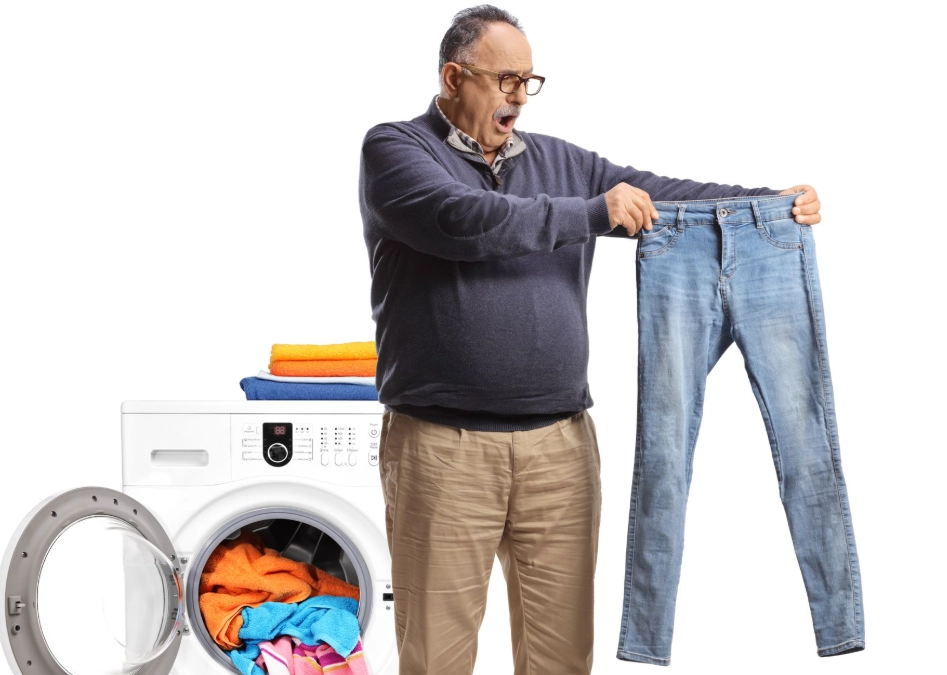
Drying: This is non-negotiable for me: air dry. Lay items flat on a drying rack or hang them to dry. The high heat of a tumble dryer is the fastest way to damage Micro Modal. It causes excessive shrinkage, weakens the fibers, and promotes pilling. If you must use a dryer, use the absolute lowest heat setting (or no heat) and remove while still slightly damp.
Ironing: You rarely need to. If you must, use a low heat setting and iron while the garment is still slightly damp, or use a pressing cloth. High heat can scorch or melt the fibers.
Where You'll Find It & What's Next
You're already surrounded by it, even if you didn't know the name.
Apparel: This is the biggest category. Look for it in premium underwear brands (like Calvin Klein, Tommy John, many DTC brands), luxury t-shirts, sleepwear and loungewear, and as a lining in activewear.
Home Textiles: High-thread-count bedsheets often use modal blends for that hotel-sheet feel. Towels and bathrobes made from Modal are incredibly absorbent and quick-drying.
The future is in innovation. Lenzing is already developing Modal with added moisture-wicking technologies for sportswear and Modal with embedded color (Color Modal) that uses even less water and dye. The push is towards making an already sustainable fiber even more circular and high-performance.