You found that perfect modal t-shirt, but the color is all wrong. Or maybe you have a set of modal bedsheets that have seen better days. The question pops into your head: can I dye modal fabric? The short, direct answer is yes, you absolutely can. But—and this is a big but—you can't treat it like cotton or polyester. Getting vibrant, lasting color on modal requires understanding what it is and following a specific process. I've ruined a few pieces learning this the hard way, so you don't have to.
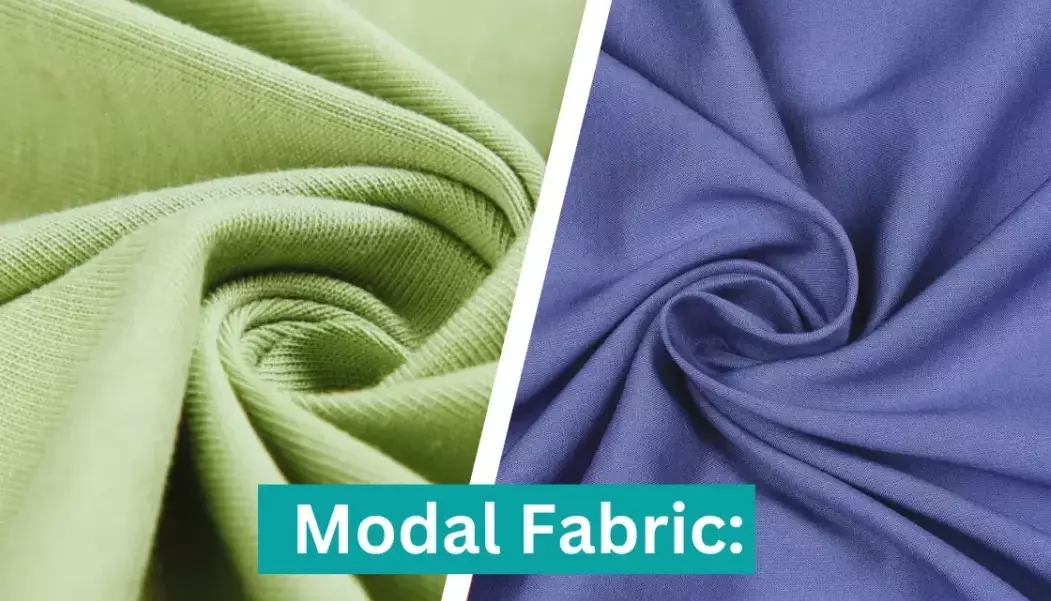
Modal is a type of rayon, a regenerated cellulose fiber made from beech tree pulp. This origin story is crucial. It means modal behaves more like cotton or linen (other plant-based fibers) than like synthetic nylon or polyester when it comes to dyeing. It absorbs dye well, but its specific structure demands the right type of dye and a bit more patience during the fixing process.
What's Inside: Your Dyeing Roadmap
What Makes Modal Fabric Unique?
Before you dunk anything in dye, let's talk about what you're working with. Modal, often branded by Lenzing AG as TENCEL™ Modal, is prized for its silky feel, breathability, and drape. It's stronger than standard viscose rayon when wet, which is good news for dyeing—it can handle the agitation.
The key thing most guides gloss over is fibril alignment. Modal fibers are smoother and more aligned than cotton. This can sometimes make dye penetration slightly trickier initially, but it also means it can achieve a beautiful, deep, and even color if you do it right. The common mistake is rushing the dye bath. Because it looks and feels so smooth, people assume it will dye quickly. It doesn't. It needs a good, long, hot soak to let the dye molecules bond properly with the cellulose chains.
Pro Tip: Check the care label! Is it 100% modal, or a blend? A modal-cotton blend is straightforward. A modal-spandex (elastane) blend is trickier—the spandex won't take the cellulose dye, resulting in a slightly muted, heathered look (which can be cool). Modal-polyester blends are the hardest; you'd need a dual-action dye or risk a very pale result on the modal parts.
What Are the Best Dyes for Modal Fabric?
This is the most critical choice. Use the wrong dye, and you'll get a faint, wash-out color. For cellulose fibers like modal, you need dyes that form a covalent chemical bond with the fiber. Here’s the breakdown:
| Dye Type | Best For | Key Requirement | Color Fastness | My Experience |
|---|---|---|---|---|
| Fiber Reactive Dyes (e.g., Procion MX, Dharma Trading Co.) | **The gold standard.** Home vat dyeing, immersion dyeing. | Needs soda ash (fixer) and warm/hot water for 30-60+ mins. | Excellent. Becomes part of the fiber. | This is what I use for serious projects. The colors are vibrant and last for years. |
| All-Purpose Dye (e.g., Rit All-Purpose) | Quick projects, mixed-fiber blends. Contains direct dye (for cellulose) and acid dye (for protein fibers). | Very hot water, constant stirring. Salt helps. | Good to Fair. It sits inside the fiber but can bleed more over time. | Convenient but fades faster. I use it for refreshing faded items, not for dramatic color changes. |
| Natural Dyes (e.g., turmeric, avocado pits, madder root) | Eco-conscious projects, subtle hues. | **Requires a mordant** (like alum) to bind the color to the modal fiber. A must-do step. | Variable. Can be good with proper mordanting. | A fun weekend project. The colors are soft and beautiful, but it's a whole process. |
Forget about acid dyes (for wool/silk) or disperse dyes (for polyester). They simply won't work on modal. The industry standard for dyeing modal at scale, as noted in textile chemistry resources from associations like the American Association of Textile Chemists and Colorists (AATCC), is reactive dyeing. That's your clue for home success.
How to Dye Modal Fabric: A Step-by-Step Guide
Let's walk through dyeing a light grey modal t-shirt to a deep navy blue using fiber reactive dyes. This is the method that gives pro results.
Gear Up: What You'll Need
A large stainless steel pot (never use for food again), rubber gloves, measuring spoons/cups, fiber reactive dye (like Procion Navy), soda ash (the fixer), non-iodized salt, a stirring stick, and a place to rinse (a utility sink is ideal).
The Process, Step by Step
1. Pre-Wash, No Exceptions. Wash the modal item in hot water with a bit of mild detergent, no fabric softener. This removes any finishes or oils that would block the dye. Dry it. This step is boring but non-negotiable. I once skipped it on a new modal scarf, and the dye came out splotchy.
2. Prepare the Dye Bath. Fill your pot with enough hot water (about 105°F / 40°C) for the fabric to move freely. Dissolve the salt in some hot water first, then stir it into the bath. Salt helps drive the dye into the fiber.
3. Add the Dye. Dissolve your measured dye powder in a small cup of warm water. Stir it until completely smooth—no lumps. Slowly pour this slurry into the salt bath, stirring constantly.
4. The Soak. Add your damp, pre-washed modal item. Stir and agitate it for the first 10-15 minutes to ensure even coverage. Then, let it soak in the warm dye bath for another 20 minutes, stirring occasionally.
The Critical Moment: Do not add the soda ash yet! This is where beginners mess up. Adding the fixer too early causes the dye to bond too quickly to the first fibers it touches, leading to uneven color.
5. Activate with Soda Ash. Dissolve the soda ash in warm water. After the initial 30-minute soak, slowly pour the soda ash solution into the pot while stirring. The chemistry is now happening. The dye molecules are forming permanent bonds with the cellulose.
6. The Long Bond. This is the secret. Maintain the bath temperature (around 105°F) and let the fabric soak for at least 60 minutes, stirring every 10-15 minutes. For deep, rich colors like navy, I go 90 minutes. This extended time is what makes modal dyeing successful.
7. The Rinse-Out. Wearing gloves, pull the item out. Rinse it in cool water until the water runs mostly clear. Then, wash it alone in the washing machine with warm water and a mild detergent to remove any unfixed dye. Dry as usual.
Post-Dye Care: For the first few washes, wash your newly dyed modal separately or with similar dark colors. Using a dye-trapping sheet (like a Shout Color Catcher) is a smart safety measure. This prevents any residual dye from staining other laundry.
Troubleshooting: Fixing Common Dyeing Problems
Things don't always go perfectly. Here's how to salvage your project.
Problem: Color came out pale or washed out.
Likely Cause: Water too cool, not enough dye, not enough soda ash, or time too short.
Fix: You can usually re-dye it. Make a fresh bath, ensuring the temperature and chemical ratios are correct, and give it the full time.
Problem: Color is uneven or splotchy.
Likely Cause: Fabric wasn't pre-washed, item was dry when added, or inadequate stirring at the start.
Fix: This is harder to fix perfectly. Try an over-dye with a much darker shade (e.g., go from splotchy light blue to a uniform charcoal).
Problem: Dye bleeds in subsequent washes.
Likely Cause: Inadequate rinsing or fixing. Common with all-purpose dyes.
Fix: Soak the item in a hot water bath with 1 cup of white vinegar for 30 minutes. The vinegar helps set the dye. Then rinse thoroughly in cool water. This often stops the bleeding.
Your Dyeing Questions, Answered
So, can you dye modal fabric? Absolutely. It's a rewarding project that breathes new life into favorite items. The trick is respecting its cellulose nature, choosing a reactive dye, and giving it the time it needs to bond. Forget the quick 10-minute dips. Embrace the slow chemistry. Your perfectly dyed, vibrant modal piece will be worth the extra half hour of patience.