You spend a third of your life in bed. Yet most people put more research into buying a phone than the sheets they sleep on. It's a mistake. The wrong fabric can trap heat, irritate your skin, and turn a potential eight hours of deep rest into a night of tossing. Choosing the right bedding fabric isn't about luxury; it's a non-negotiable part of sleep hygiene. Forget thread count marketing for a second. The real game-changer is the fiber itself—cotton, linen, bamboo, silk—and how its unique properties align with your body's needs.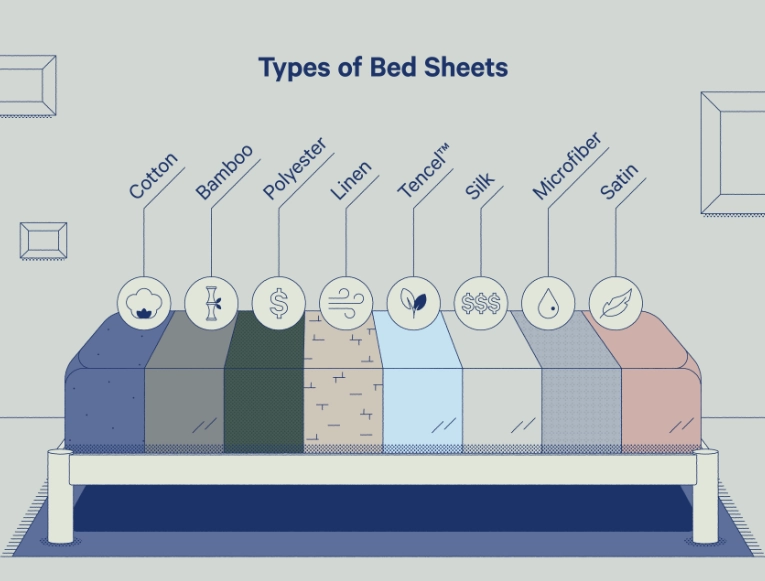
Let's cut through the noise. I've spent years testing fabrics, talking to textile experts, and making my own expensive mistakes (hello, scratchy "luxury" linen). This guide is about the practical, often overlooked details that actually impact your sleep.
Your Quick Fabric Finder
Key Fabric Showdown: A Detailed Comparison
Think of this as a spec sheet for your sleep. Each fabric has a personality. Price, feel, temperature control, and durability vary wildly.
| Fabric | Best For | Feel & Texture | Temperature Regulation | Durability & Care | Price Point |
|---|---|---|---|---|---|
| Cotton (Percale) | Hot sleepers, year-round use, crisp feel lovers. | Crisp, cool, and matte. Like a fresh button-down shirt. | Excellent breathability. Wicks moisture well. | Very durable. Gets softer with washes. Easy care (machine wash). | Mid-range. Varies with quality (Egyptian, Pima). |
| Cotton (Sateen) | Cold sleepers, luxury feel seekers. | Silky, smooth, and lustrous. Drapes heavily. | Less breathable than percale. Retains more body heat. | Durable but can snag easier due to weave. May pill over time. | Mid to high-range. |
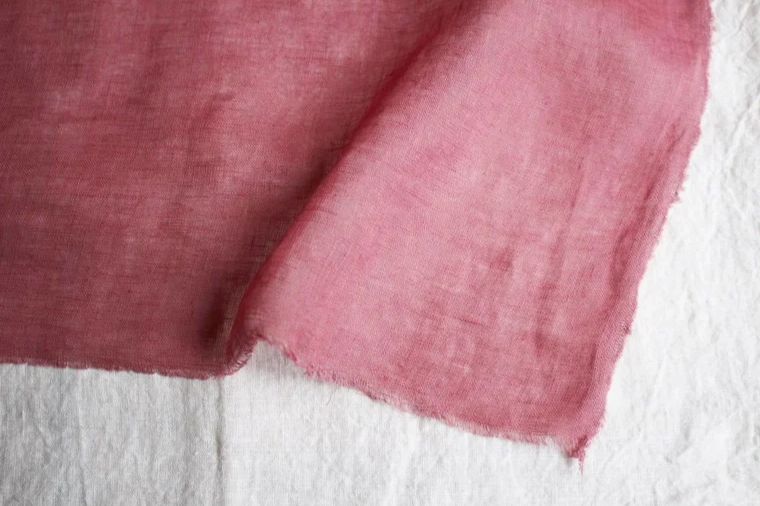
| Linen | Very hot sleepers, humid climates, texture lovers. | Rustic, textured, and slubby. Starts coarse, softens dramatically. | Superior. Highly breathable and moisture-wicking. | Extremely durable (stronger wet). Wrinkles are part of the charm. Machine washable. | High. A long-term investment. |
| Bamboo Rayon/Lyocell | Sensitive skin, hot sleepers, silky-smooth feel lovers. | Buttery soft, silky, and drapey. Often compared to high-end silk. | Very good. Naturally thermoregulating and moisture-wicking. | Softer fibers can be less durable than cotton/linen. Follow care labels (often cool wash). | Mid-range. Watch for greenwashing. |
| Silk | Dry skin, hair care, cold sleepers (for insulation). | Uniquely smooth, luxurious, and cool to the touch. | Good for balancing temperature. Naturally hypoallergenic. | Delicate. Requires hand wash or dry clean. Can be damaged by sweat/sun. | Very High. |
| Flannel/Cotton Brushed | Cold sleepers, winter months only. | Fuzzy, soft, and warm. Like a soft shirt. | Insulating. Traps heat. Avoid if you overheat. | Durable. May pill with washing. Can shed lint initially. | Low to Mid-range. |
That table gives you the basics, but the devil's in the details.
Thread Count: The Most Overrated Metric
Here's a non-consensus take: above 400, thread count is often a marketing gimmick. To achieve ultra-high counts (like 1000), manufacturers use thinner, weaker ply threads or aggressive chemical finishes that make sheets feel stiff initially but break down quickly. For a crisp, cool feel, aim for a 200-400 thread count percale weave. For a smoother, warmer feel, a 300-600 thread count sateen weave is fine. The weave and fiber quality matter infinitely more.
The Bamboo Debate: Rayon vs. Lyocell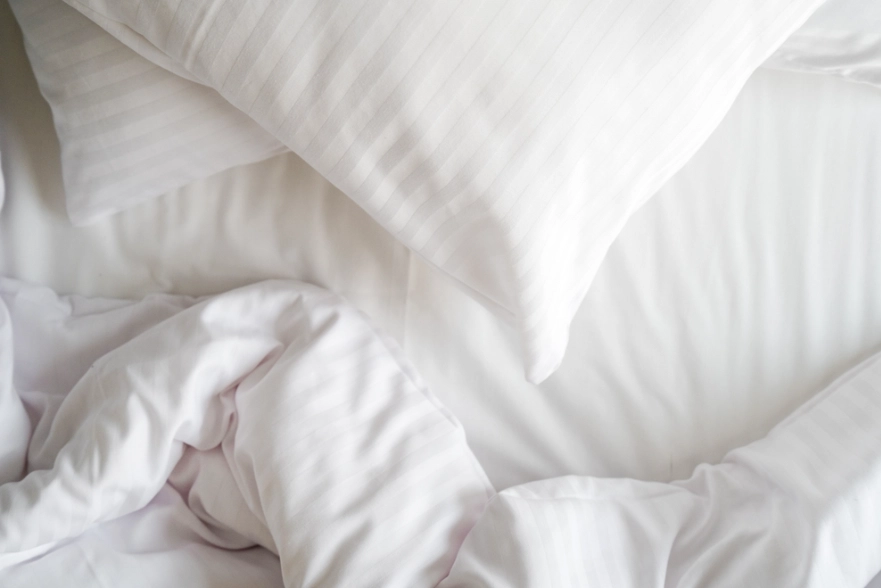
"Bamboo" bedding is almost always bamboo rayon (viscose) or the more eco-friendly Tencel™ Lyocell. Both start as bamboo pulp but use different chemical processes. Lyocell is a closed-loop system that recycles solvents, making it more sustainable. The feel is similar—incredibly soft. The key question isn't just "is it bamboo?" but "what's the manufacturing process?" Look for Oeko-Tex or FSC certifications if sustainability is a priority.
How to Choose Fabric Based on Your Sleep Type
Your personal thermostat dictates everything. Let's match fabric to your nighttime reality.
If you're a Hot Sleeper or Night Sweater:
Your priority is moving moisture and heat away. Linen is the undisputed champion here. Its hollow fibers and loose weave act like a built-in ventilation system. Percale cotton is a close second—that crisp, breathable weave is a classic for a reason. Bamboo-based fabrics are also excellent due to their moisture-wicking properties. Avoid sateen, silk (as pajamas), and flannel like the plague.
If you're a Cold Sleeper:
You need coziness and insulation. Flannel or brushed cotton is your winter best friend. Cotton sateen has a denser, warmer drape. Silk is surprisingly warm for its weight, as it traps a layer of air. You can also layer a warm duvet rather than opting for overly hot sheets.
If you have Sensitive or Allergy-Prone Skin:
Look for natural, minimally processed fibers. Organic cotton (GOTS certified) ensures no harsh chemical residues. Silk is naturally hypoallergenic and resistant to dust mites. Bamboo lyocell is also very smooth and less likely to irritate. Avoid cheap "microfiber" (polyester) at all costs—it can trap heat and irritate skin.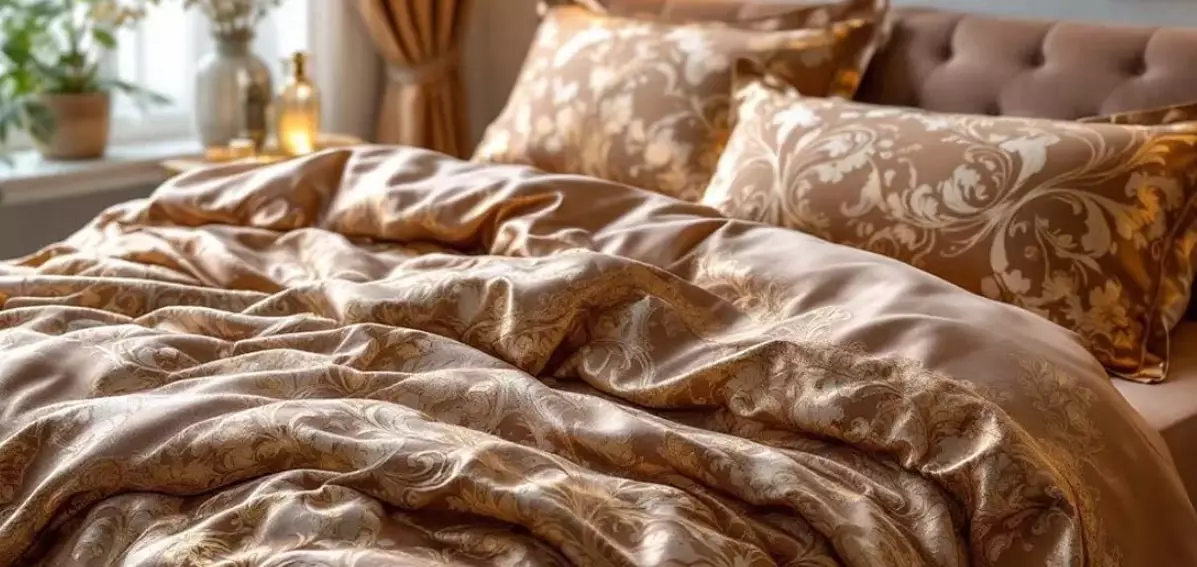
Pro Tip from a Textile Veteran: Don't judge linen by its first sleep. New linen can feel stiff and rough. It requires a breaking-in period of 3-5 washes to achieve that legendary, soft, lived-in comfort. It's a commitment, but for many, it's worth it.
Beyond Fabric: Construction & Care Secrets
The fiber is the engine, but construction is the chassis. A great fabric made poorly will disappoint.
Weave Matters More Than You Think:
- Percale: A simple one-over, one-under crisscross. It's breathable, crisp, and matte. Think hotel sheets.
- Sateen: A three-over, one-under weave that creates a silky surface with a subtle sheen. It's warmer and less breathable.
- Twill: Recognizable by diagonal lines (like denim). Durable and dense, less common in bedding.
Finishing Touches:
"Mercerized" cotton has been treated with a caustic soda solution that increases its strength, luster, and dye affinity. It's a good thing. "Stone-washed" or "garment-washed" means it's pre-softened, so it feels broken in right out of the package.
Care is Non-Negotiable:
You can buy the best fabric in the world and ruin it in one wash. Always check the label. Wash in cool or warm water (never hot) with a mild detergent. Avoid fabric softeners—they coat fibers, reducing breathability and absorbency. Tumble dry on low heat and remove promptly to minimize wrinkles. For linen and cotton, don't be afraid of the dryer on low; it helps soften them up.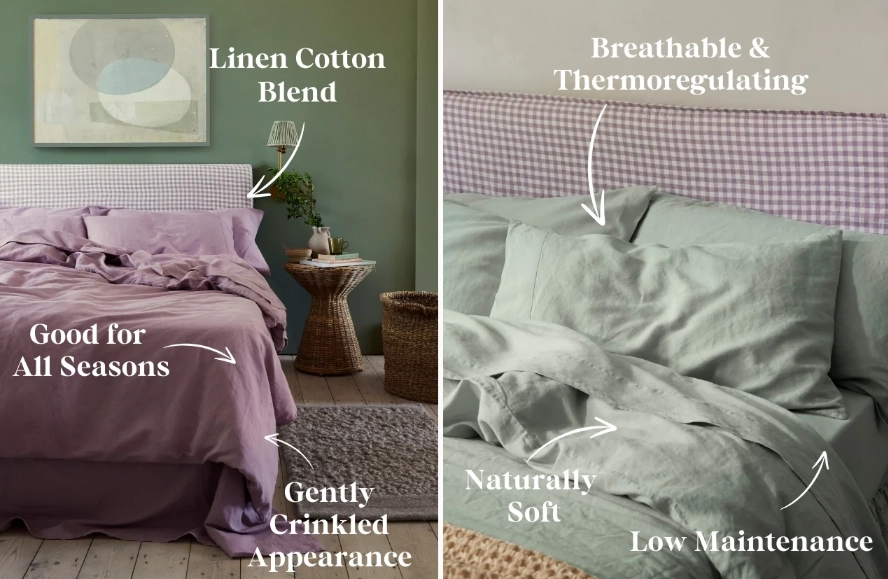
Common Mistakes & Expert Tips
I've seen these errors time and again.
Mistake 1: Buying for Look Over Feel. That gorgeous, high-thread-count sateen set might look like a magazine spread but could turn your bed into a sauna if you run hot.
Mistake 2: Ignoring the Climate. Have a summer set and a winter set. Your flannel sheets are a misery in July. A lightweight linen or percale is perfect.
Mistake 3: Assuming Higher Price = Better Sleep. A $800 silk set might not be right for a hot, active sleeper. A $200 set of high-quality percale or linen could be perfect.
My Personal Strategy: I use linen duvet covers and pillowcases year-round for their temperature magic, but I pair them with percale cotton fitted sheets. Why? Linen sheets, while amazing, can be too textured and drapey for some. This combo gives me the best of both worlds: the cooling top layer and a smooth, crisp sheet to lie on.
Your Bedding Fabric Questions, Answered
 How often should I replace my sheets for optimal sleep hygiene?
The perfect bedding fabric isn't a universal answer. It's the one that disappears when you sleep—you don't feel too hot, too cold, or itchy. You just feel comfortable. Start with your body's needs (hot vs. cold sleeper), then factor in feel and care. Sometimes, mixing and matching (like my linen/percale combo) creates the ideal sleep ecosystem. Skip the marketing hype, focus on the fiber and weave, and invest in the fabric that will support a third of your life. Your sleep quality will thank you.