If you've ever slipped into a pair of underwear, a t-shirt, or bedsheets that felt unbelievably soft, light, and almost silky against your skin, there's a good chance you've met Micro Modal. It's that fabric that makes you go, "Wow, what is this made of?" It's not quite cotton, not quite silk, but something uniquely comfortable. The simple answer is that Micro Modal is a type of regenerated cellulose fiber, made primarily from the pulp of beech trees. But that's just the start. The real story is in how it's made, why that process matters, and what it actually means for you when you wear it or sleep on it. Let's peel back the layers.
Quick Navigation: What You'll Learn
- What Exactly is Micro Modal Fabric?
- How is Micro Modal Fabric Made? The Step-by-Step Process
- Key Properties & Benefits: Why It's So Loved
- Micro Modal vs. Other Fabrics: A Performance Comparison
- Where You'll Find Micro Modal: Common Applications
- How to Choose and Care for Micro Modal Products
- Your Micro Modal Questions Answered
What Exactly is Micro Modal Fabric?
Think of Micro Modal as the high-performance, luxury cousin of regular Modal fabric. Both come from the same family tree—literally. They are bio-based fibers derived from beechwood pulp. The "Micro" prefix isn't just marketing fluff. It refers to fibers that are finer and thinner than standard modal fibers. This finer denier (a unit of fiber thickness) is what gives Micro Modal its signature ultra-soft, smooth, and lightweight hand-feel. It's like the difference between a standard cotton thread and a high-thread-count Egyptian cotton yarn.
The most important name to know here is Lenzing AG, an Austrian company. They are the pioneers and the primary global producer of both Modal and Micro Modal fibers under the brand name Lenzing Modal and MicroModal AIR. When a brand says their product is made with "Lenzing Modal," you know it's the authentic, sustainably produced material. Many generic "modal" fabrics exist, but they may not follow the same closed-loop, eco-friendly process.
Core Takeaway: Micro Modal is a superfine version of modal fiber, made from sustainably harvested beechwood. Its exceptional softness comes from its incredibly fine fiber structure, not from chemical softeners.
How is Micro Modal Fabric Made? The Step-by-Step Process
The journey from tree to textile is where the magic—and the sustainability claims—happen. It's a lot more sophisticated than just grinding up wood.
The Raw Material: Beech Trees from Sustainable Forests
It starts in managed forests, primarily in Europe. Beech trees are chosen because they regenerate naturally without artificial irrigation or pesticides. Lenzing, for instance, sources its wood from PEFC or FSC-certified forests. The wood is chipped into a pulp.
The Lyocell Process: A Closed-Loop System
This is the critical, eco-friendly part. The beechwood pulp is dissolved in a non-toxic, organic solvent called N-Methylmorpholine N-oxide (NMMO). This creates a viscous, honey-like solution. The solution is then forced through ultra-fine spinnerets (think of a high-tech showerhead) to create the superfine Micro Modal filaments. The solvent is recovered and reused in a closed-loop system with a recovery rate of over 99%. This drastically reduces waste and chemical runoff compared to traditional viscose rayon production.
I remember visiting a textile trade show years ago and a Lenzing rep showing me the difference in fiber under a microscope. The standard modal was smooth, but the Micro Modal was almost ethereally thin and consistent. That visual stuck with me—it explained the feel perfectly.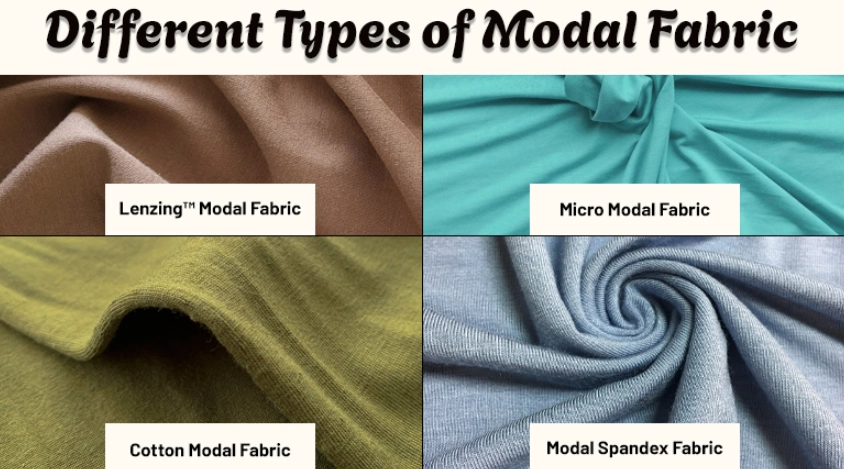
Spinning, Washing, and Finishing
The newly formed filaments are spun into yarn, washed, dried, and sometimes given a slight twist for strength. The resulting yarn is then knitted or woven into fabric. A common misconception is that this process uses a lot of water. While water is used, the closed-loop system means it's also cleaned and recycled extensively within the production plant. According to data from Lenzing, their production process uses significantly less water than conventional cotton farming.
Key Properties & Benefits: Why It's So Loved
Knowing what Micro Modal is made of explains its standout features. It's not just soft; it's functionally brilliant.
- Unmatched Softness & Drape: The fine fibers create a fluid, luxurious drape that feels amazing against sensitive skin. It's a top choice for loungewear and intimates for this reason.
- Breathability & Moisture-Wicking: The cellulose structure allows it to absorb moisture (like sweat) quickly and release it into the air. You stay drier and more comfortable than in many synthetic blends.
- Strength and Durability: Don't let the softness fool you. It's surprisingly strong, especially when wet, which means it holds up well to washing. My oldest Micro Modal t-shirt has outlasted several cheaper cotton ones.
- Color Vibrancy: The fibers take dye exceptionally well, resulting in rich, deep colors that resist fading longer than some other fabrics.
- Wrinkle Resistance & Easy Care: It naturally resists creasing and typically requires little to no ironing—a huge practical benefit.
Micro Modal vs. Other Fabrics: A Performance Comparison
Let's get practical. How does it stack up against the usual suspects in your drawer?
| Fabric | Softness | Breathability | Moisture Management | Durability | Eco-Impact (Typical Production) |
|---|---|---|---|---|---|
| Micro Modal | Excellent (Ultra-soft) | Excellent | Excellent (Wicks & dries fast) | Very Good (Strong when wet) | Good (Closed-loop, sustainable wood) |
| Standard Cotton | Good (Softens over time) | Good | Fair (Absorbs but holds moisture) | Good | Variable (High water/pesticide use possible) |
| Polyester | Fair (Can feel synthetic) | Poor (Traps heat) | Good (Wicks but doesn't absorb) | Excellent | Poor (Petroleum-based, sheds microplastics) |
| Silk | Excellent (Smooth) | Good | Good | Fair (Delicate, weak when wet) | Variable (Silk worm farming) |
| Lyocell (Tencel™) | Excellent (Smooth & cool) | Excellent | Excellent | Very Good (Strong when wet) | Excellent (Closed-loop, often from eucalyptus) |
Notice how Micro Modal and Lyocell (like Tencel™) are close cousins? They share the same lyocell production process. The main difference is the raw material (beech vs. eucalyptus) and the resulting fiber profile—Micro Modal is engineered specifically for that ultra-soft, intimate apparel feel.
Where You'll Find Micro Modal: Common Applications
You're not just buying "fabric"; you're buying performance for a specific need.
Intimate Apparel & Underwear: This is its flagship domain. Brands like Calvin Klein, Tommy John, and countless DTC brands use it for boxers, briefs, bras, and camisoles. The combination of softness, breathability, and moisture-wicking is perfect here.
Premium Loungewear & T-Shirts: For those "nothing feels better" weekend clothes. It's less prone to pilling than some cotton blends, maintaining a neat look.
Bedding & Sheets: Micro Modal sheets offer a cool, silky sleep surface. They're a great alternative to silk or high-thread-count sateen cotton for hot sleepers.
Activewear Blends: Often blended with a small amount of spandex for leggings or performance tops to add stretch while keeping the soft, breathable base.
How to Choose and Care for Micro Modal Products
A little knowledge here saves you money and disappointment.
Choosing: Look for the Lenzing Modal or MicroModal badge. This guarantees the authentic, sustainably produced fiber. Check the blend. 100% Micro Modal is luxurious, but a 95%/5% blend with elastane (spandex) is fantastic for fitted items needing stretch. Feel it. Authentic Micro Modal should feel consistently smooth and cool, not just superficially softened.
Caring: It's easy, but there are pitfalls. Always wash in cold water on a gentle cycle. Hot water can weaken the fibers over time. Use a mild detergent. Avoid bleach or fabric softeners—they can break down the fibers and ruin the natural hand-feel. Softeners coat fibers; you don't need that here. Tumble dry low or, better yet, air dry. High heat is the enemy. I've found air-drying preserves the color and texture best. If you must iron, use a low heat setting.
Your Micro Modal Questions Answered
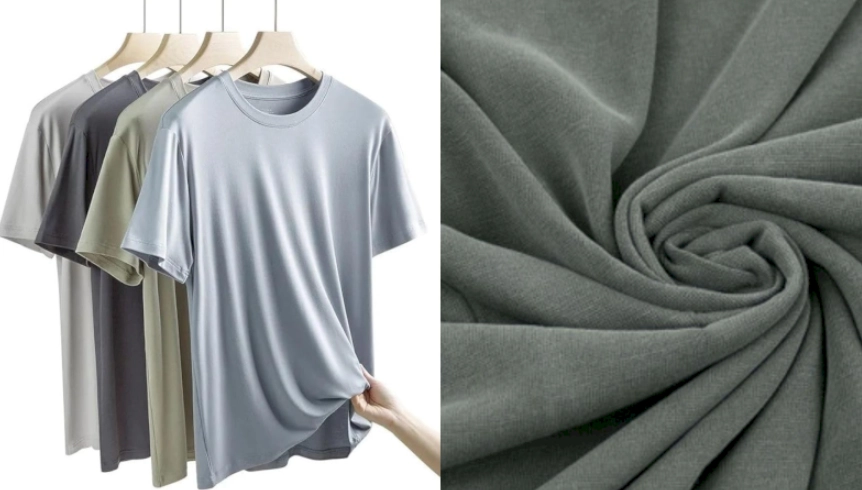 How can I tell if a product is using real, sustainable Micro Modal and not just generic modal?
 So, what is Micro Modal fabric made of? It's the result of smart engineering and sustainable forestry, transforming beechwood into one of the most comfortable fibers you can wear. It proves that luxury and responsibility don't have to be mutually exclusive. When you choose a product made with genuine Micro Modal, you're not just choosing softness—you're choosing durability, breathability, and a smaller environmental footprint. That's a feel-good story, right there in your wardrobe.