You've felt it. That impossibly soft T-shirt, the bedsheets that feel cool and smooth against your skin, the underwear that doesn't bunch up. The tag says "Modal." It feels natural, maybe even luxurious, but it doesn't look or drape like traditional cotton. So what exactly is modal fabric made of? Is it a synthetic plastic like polyester, or is it something else entirely? The answer is more interesting than you might think. Modal isn't a petroleum-based synthetic, nor is it a natural fiber like wool. It sits in a unique, often misunderstood category: it's a regenerated cellulosic fiber made from beech tree pulp. Let's peel back the layers on this popular fabric.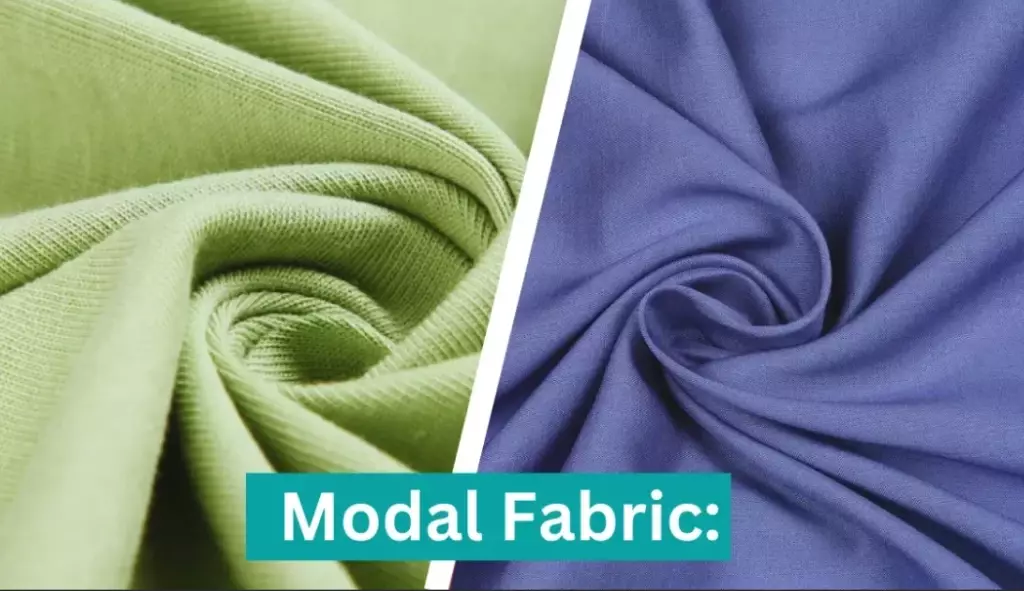
What You'll Learn
The Surprising Natural Source of Modal
Modal's journey begins in the forest, not the oil field. The primary raw material is beechwood pulp, specifically from the European beech tree (Fagus sylvatica). This is the first key fact that separates it from fully synthetic fabrics. The trees used are often sourced from sustainably managed forests, particularly in Austria and neighboring regions, where companies like Lenzing (the pioneer and major producer of branded Modal) have established closed-loop systems.
Why beech trees? They grow relatively quickly without the need for artificial irrigation, pesticides, or extensive land transformation. This makes the raw material input more environmentally friendly compared to water-intensive crops like conventional cotton. The wood is chipped and processed to extract the cellulose—the fundamental building block of plant cell walls. This cellulose is the same polymer, just in a different form, that gives cotton its strength and absorbency. So, at its chemical core, modal shares a lineage with cotton, bamboo, and other plant-based fibers.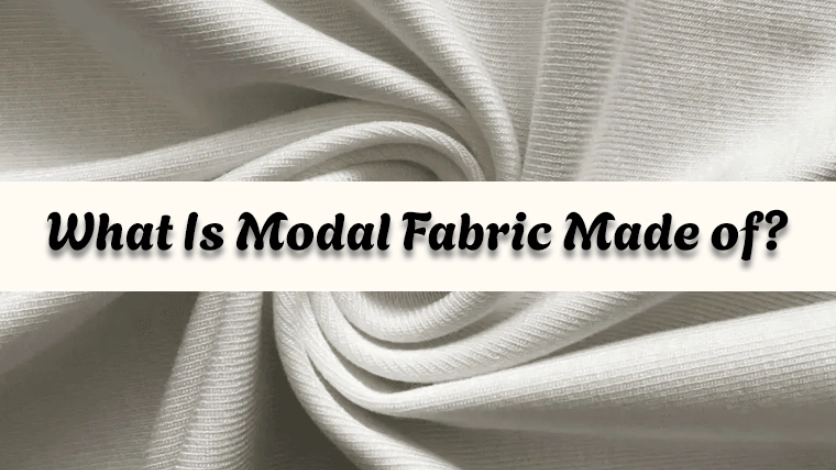
My take: A common misconception is that "wood pulp" sounds cheap or artificial. In reality, it's a sophisticated starting point. The magic—and the environmental impact—lies almost entirely in the next step: how that pulp is transformed into a soft, spinnable fiber.
How is Modal Fabric Made?
The process of turning beechwood chips into modal yarn is where the "regenerated" part comes in. It's a chemical process, which is why modal is not classified as a 100% natural fiber (like cotton or linen) but as a semi-synthetic or regenerated cellulose fiber. Here’s a simplified breakdown:
- Pulp Production: Beechwood logs are debarked, chipped, and treated to dissolve the lignin and hemicellulose, leaving behind a purified cellulose pulp.
- Chemical Dissolution: This pulp is dissolved in a chemical solvent to create a viscous, honey-like solution. Traditionally, this involved carbon disulfide in the viscose process, but modern modal production, especially Lenzing's, uses a more environmentally responsible process with much higher recovery rates of the chemicals.
- Spinning: The viscous solution is forced through a spinneret—a device with tiny holes—into a bath. This bath causes the cellulose to solidify, forming continuous filaments. This is the birth of the modal fiber.
- Post-Treatment: The new fibers are washed, bleached (often with oxygen-based methods for eco-friendly versions), dried, and cut into the desired staple length for spinning into yarn.
The quality of modal can vary dramatically based on this manufacturing process. High-quality, branded modal like Lenzing Modal™ uses an evolved process that recovers over 95% of the chemicals and uses significantly less water and energy than generic viscose. This is a crucial detail most fabric guides miss: not all modal is created equal. The generic stuff can be associated with more pollution.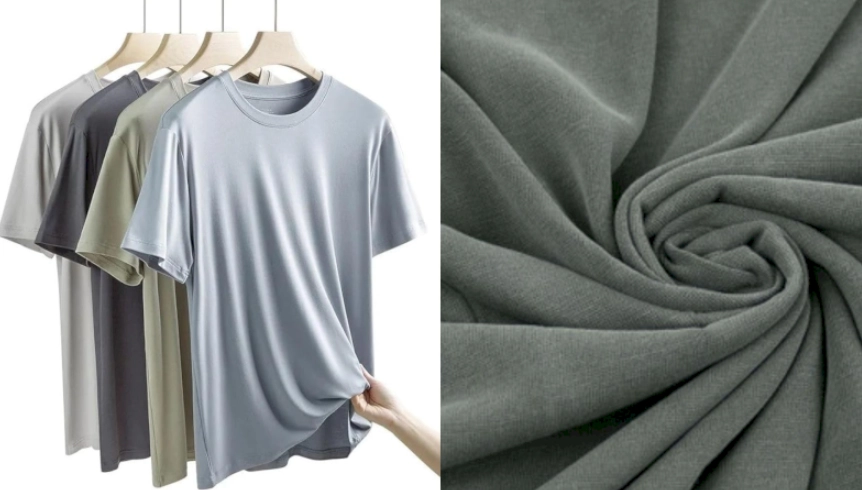
Modal Fabric Properties and Benefits
So, why go through all this trouble? Because the resulting fabric has a combination of properties that are hard to beat. Modal is often described as having the best of both worlds.
- Superior Softness: This is its headline act. Modal fibers are finer and smoother than cotton, resulting in a silkier, often more luxurious hand feel. It gets softer with every wash.
- Excellent Moisture Wicking: Modal absorbs 50% more moisture than cotton, but it doesn't feel clammy. It pulls sweat away from the skin quickly and releases it into the air, keeping you dry.
- Breathability: Its cellulosic structure allows for good air circulation, making it a great choice for activewear and summer clothing.
- Color Retention: Modal takes dye exceptionally well, resulting in vibrant, rich colors that are less prone to fading compared to cotton.
- Drape and Shine: It has a beautiful, fluid drape and a subtle, natural sheen that makes garments look more elegant.
- Resists Shrinkage & Pilling: It's more dimensionally stable than cotton and less likely to form those annoying little balls of fiber (pills).
Heat is its enemy. High heat in the dryer or iron can damage the fibers, making them brittle.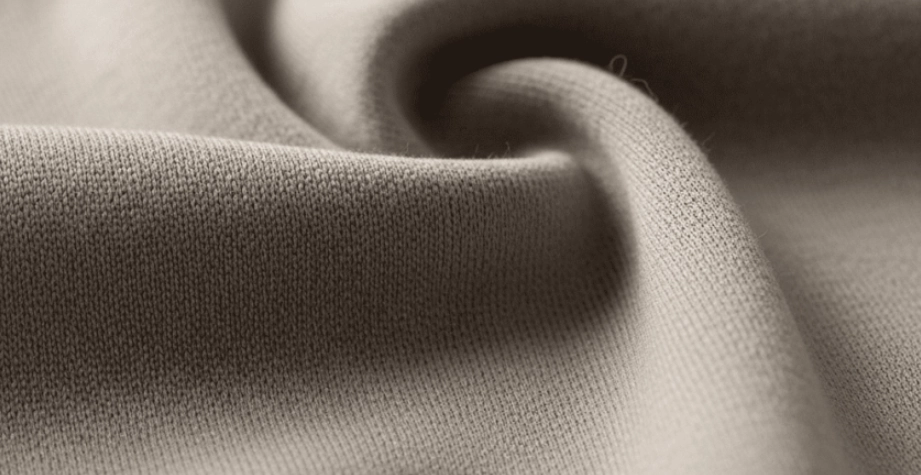
Modal vs. Cotton, Rayon & Lyocell: A Clear Comparison
To really understand modal, you need to see it side-by-side with its peers. This table cuts through the marketing speak.
| Fabric | Primary Raw Material | Key Feel & Traits | Environmental Profile (Typical) | Best For |
|---|---|---|---|---|
| Modal | Beechwood Pulp | Silky soft, high absorbency, great drape, breathable. | Good (esp. branded). Less water than cotton, sustainable wood sources. | Underwear, pajamas, t-shirts, bedsheets, casual dresses. |
| Cotton (Conventional) | Cotton Plant | Familiar, breathable, can be crisp or soft, durable. | High water & pesticide use unless organic. | Everyday wear, towels, denim, shirts. |
| Rayon (Viscose) | Wood Pulp (various) | Soft, drapey, but can be weaker when wet. | Often poor. Chemical-intensive with low recovery rates. | Flowy blouses, linings, inexpensive dresses. |
| Lyocell (TENCEL™) | Wood Pulp (often eucalyptus) | Exceptionally smooth, strong, moisture-wicking, eco-process. | Excellent. Closed-loop solvent system (NMMO). | Premium activewear, denim, luxury basics, towels. |
Think of modal as a premium, more eco-conscious version of traditional viscose rayon, with better strength and softness. It's often more affordable than Lyocell but shares many of its high-performance moisture properties.
Where You'll Find Modal Fabric: From Skin to Sheets
Modal isn't a niche fabric anymore. Its comfort-driven properties have made it a staple in specific categories where touch matters most.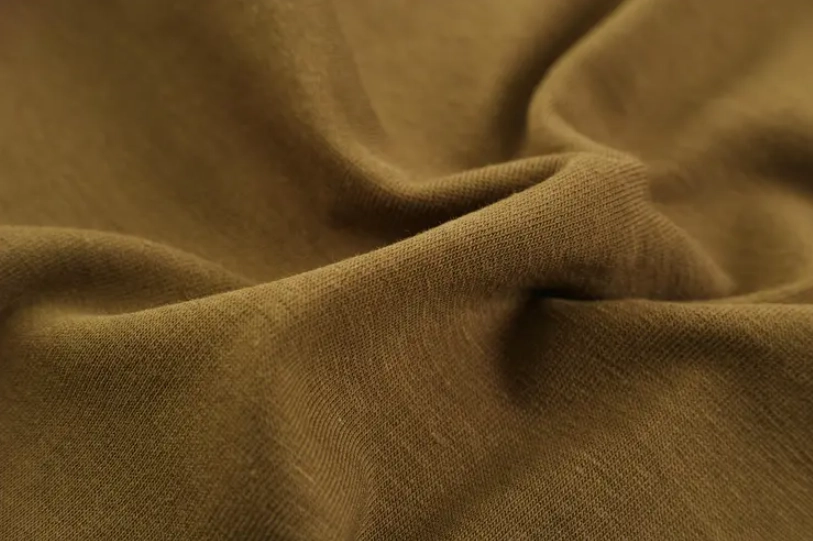
Apparel You Wear Against Your Skin: This is modal's sweet spot. Brands like Hanky Panky (lingerie), Cos, and Everlane use it for underwear, camisoles, and t-shirts because it's non-irritating and manages moisture. That pair of socks that never seems to get sweaty? Could be a cotton-modal blend.
Home Textiles: The luxury bedding sector loves modal. Sheets and duvet covers made from modal or modal-cotton blends offer a cool, slick feel that's perfect for hot sleepers. They feel like a hotel upgrade.
Active and Casual Wear: Its breathability and wicking make it great for lightweight workout tops, yoga pants, and casual weekend wear. You'll often see it blended with a small amount of spandex for stretch.
I made the switch to modal-blend socks and pajamas a few years ago, and the difference in comfort, especially in humid weather, was immediately noticeable. The cotton ones just felt damp by comparison.
Caring for Your Modal Garments
To make your modal clothes last, follow the care label. But here's the expert-level advice that often gets omitted:
- Wash in Cool Water: Use a gentle cycle with cold or lukewarm water. Hot water can cause excessive softening and weakening over time.
- Skip the High Heat: This is the biggest mistake. Never tumble dry on high. Air dry is best. If you must use a dryer, choose the lowest heat setting or a "delicate" cycle and remove while slightly damp to minimize wrinkles.
- Iron on Low: If ironing is needed, use a low-temperature setting (silk/wool level). A steamer is a gentler, better option.
- Avoid Harsh Chemicals: Chlorine bleach will destroy the fibers. Use oxygen-based bleaches if necessary.
Treat it like you would a delicate silk blend, not like hardy cotton denim.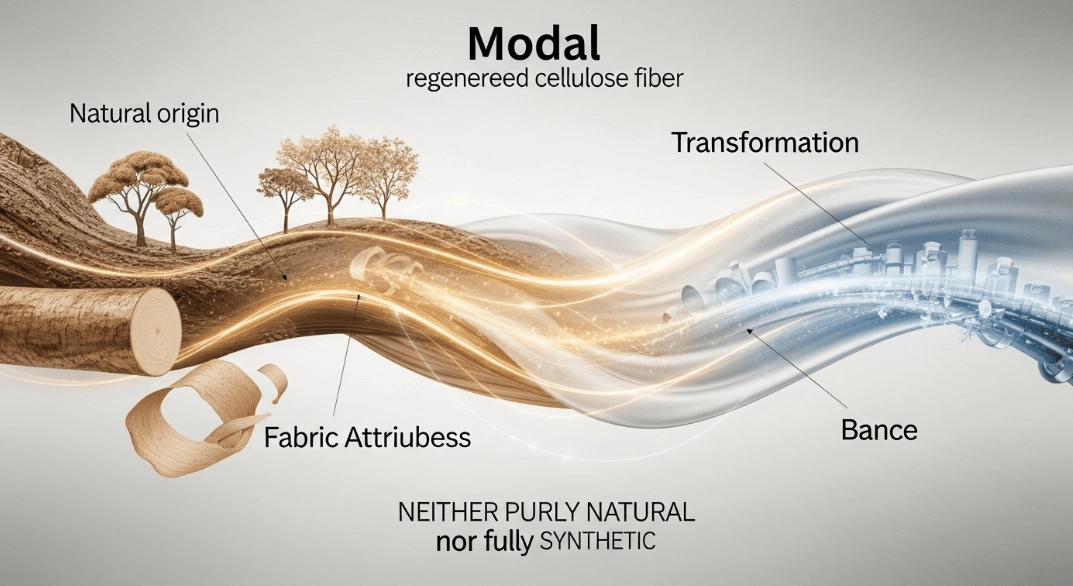
Your Modal Questions Answered
 Is modal better than cotton?