You love your silk blouse, that scarf, the sheets. But the "dry clean only" tag feels like a threat. What if I told you that most silk can be safely washed at home? The trick isn't magic, it's method. Washing silk isn't about being rough or scared—it's about being gentle and smart. I've ruined a piece or two learning this, so you don't have to. Let's get into the real, actionable steps that keep silk luxurious for years, not just cycles.
Your Silk Washing Roadmap
- The Non-Negotiable Pre-Wash Checklist
- The Gold Standard: How to Hand Wash Silk Step-by-Step
- Can You Machine Wash Silk? (The Truth with Settings)
- Drying and Ironing Silk Without the Crunch
- Silk Stain Removal: A Cautious Approach
- Special Cases: Different Silk Types Need Different Care
- Your Silk Washing Questions, Answered
The Non-Negotiable Pre-Wash Checklist
Before water touches fabric, do this. Every time.
Read the care label. Obvious, but I've ignored it. If it says "dry clean only" on a structured blazer or heavily embellished item, listen. This guide is best for "hand wash" or silent-label simple silk items like camisoles, scarves, and sheets.
Check for colorfastness. Dab a hidden spot (like an inside seam) with water and a bit of your planned detergent. Press with a white cloth. Any color transfer? If yes, dry cleaning is safer.
Address stains first. Never put a stained silk item into a general wash. The warm water can set the stain permanently. We'll tackle stains separately later.
Close zippers, fasten hooks. These can snag and pull delicate threads.
The Gold Standard: How to Hand Wash Silk Step-by-Step
This is the safest method. It takes 20 minutes but adds years to your garment's life.
- Fill & Mix: Plug your sink. Use lukewarm water—not hot, not cold. Hot water damages fibers; cold can prevent detergent from working fully. Add a small amount of detergent and swish to dissolve.
- Submerge & Swirl: Place your silk item in. Gently press it down to soak. Let it sit for 3-5 minutes, no longer. Don't wring, twist, or scrub.
- The Agitation Myth: You'll read "agitate gently." I think that's misleading. Instead, imagine you're slowly folding it through the water. Use a lifting and pressing motion. Focus on underarm and collar areas if needed.
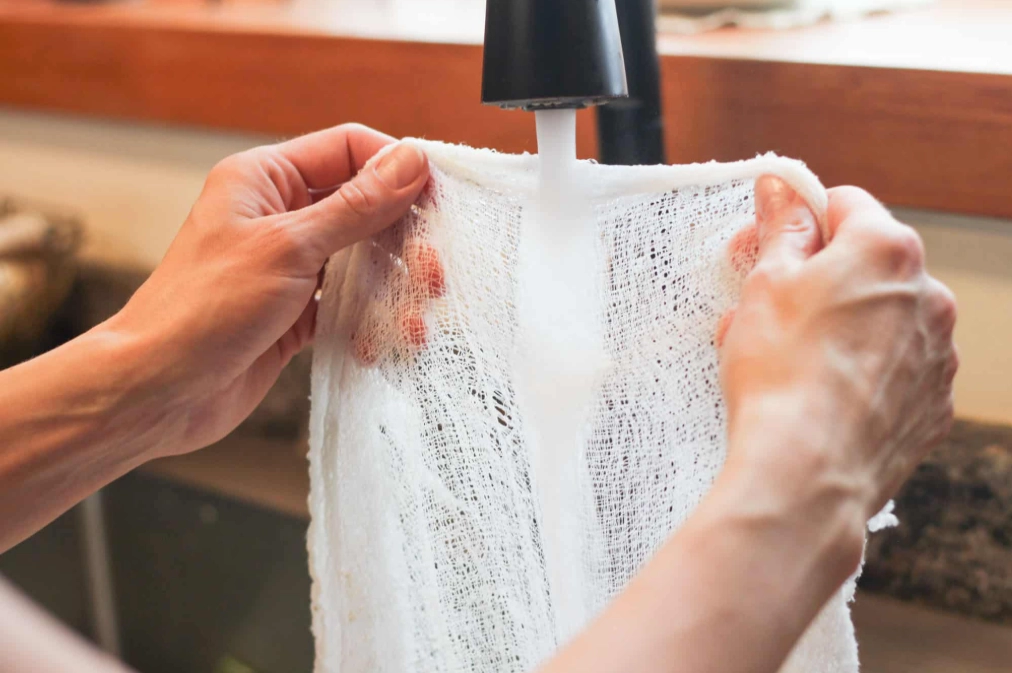
- Rinse, Rinse, Rinse: Drain the soapy water. Refill with fresh lukewarm water. Press the garment to release soapy water. Repeat 2-3 times until the water runs completely clear. Residual detergent dulls silk's shine.
- The Towel Roll: This is critical. Lay a clean, thick towel flat. Place the wet silk item on it. Roll the towel up from one end, like a jelly roll. Press firmly along the roll. The towel will absorb a huge amount of water. You can repeat with a second dry towel if it's still very wet.
Can You Machine Wash Silk? (The Truth with Settings)
Yes, but with strict rules. I machine wash my plain silk pillowcases weekly. For clothing, I reserve this for durable items like simple silk slips.
Your machine must have a dedicated delicate/wool/handwash cycle. This is non-negotiable. A regular "delicate" setting on an old machine might still be too harsh.
Use a mesh laundry bag. A zippered bag is your silk's seatbelt. It prevents friction and twisting.
Detergent and Settings:
- Detergent: Liquid, mild, and minimal. Half the usual amount.
- Temperature: Cold or 30°C (86°F) max.
- Spin Speed: The lowest possible (often 400 RPM or less).
- No fabric softener, ever. It coats the fibers, breaking down the silk over time.
Is it a risk? Slightly. But for low-stakes, replaceable items, it's a practical timesaver. Never machine wash printed, pleated, or silk blends with unknown elastane content.
Drying and Ironing Silk Without the Crunch
How you dry silk defines its final handfeel.
Never, ever tumble dry. The heat and tumbling will shrink and likely ruin the fabric.
Lay flat to dry on a fresh, dry towel or a mesh drying rack. Reshape the garment to its original dimensions. Keep it out of direct sunlight, which can fade colors.
Ironing Silk: Iron silk while it's still slightly damp. If it's fully dry, use a steam setting or a pressing cloth (a clean cotton pillowcase works).
- Temperature: Use the "Silk" setting. If your iron doesn't have one, use the lowest heat.
- Technique: Iron on the reverse side to prevent water spots or shine. Use quick, gliding motions. Don't press down and hold.
Silk Stain Removal: A Cautious Approach
Panic leads to damage. Here's a calm protocol.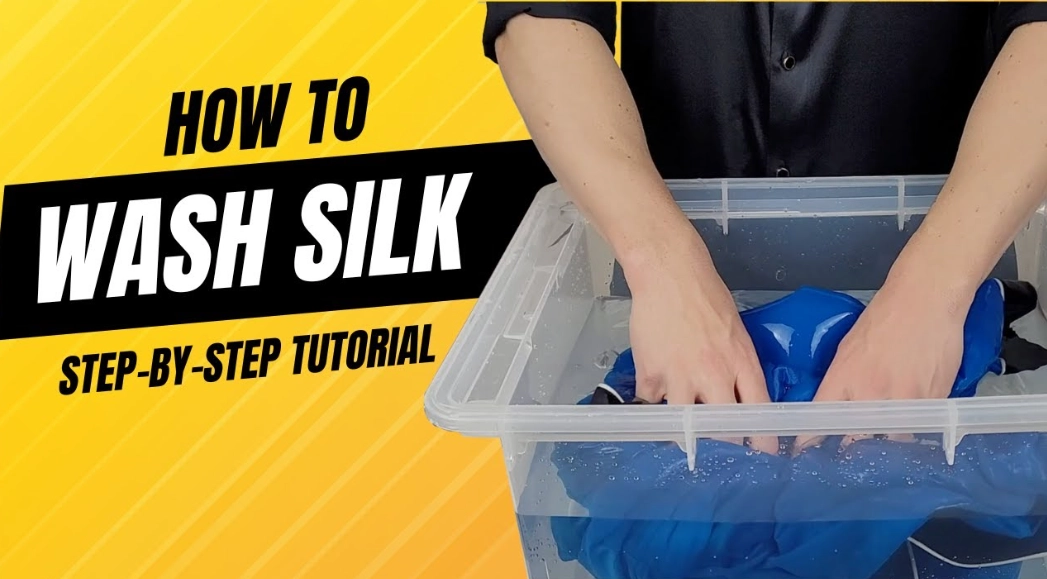
- Blot, don't rub. Use a clean, white cloth to soak up as much of the spill as possible.
- Test any cleaner on an inside seam first.
- For water-based stains (wine, juice): Flush the back of the stain with cool, clean water. This pushes the stain out, not deeper in.
- For oil-based stains (makeup, food): A tiny drop of mild dish soap on the stain, gently worked in with your fingertips, can help. Rinse thoroughly.
- Never use bleach, vinegar, or harsh stain removers like you would on cotton. They can dissolve the protein fibers.
If the stain persists after a gentle attempt, stop. Take it to a professional cleaner and point out the stain. Tell them what it is and what you've tried.
Special Cases: Different Silk Types Need Different Care
Not all silk is created equal. A little knowledge here saves a lot of heartache.
| Silk Type | Key Characteristic | Washing Recommendation | Biggest Risk |
|---|---|---|---|
| Charmeuse | Shiny, slippery face, dull back. Common in blouses and lingerie. | Hand wash only. Very prone to water spots. | Water spots, snagging. |
| Crepe de Chine | Matte, pebbly texture with good drape. | Hand wash or careful machine wash in a bag. Quite durable. | Texture can lose its crispness if overheated. |
| Raw/Dupioni Silk | Slubby, irregular texture, stiffer hand. | Hand wash gently. Can be more colorfast. | Can lose its distinctive stiffness if washed too often. |
| Silk Velvet | Pile fabric with a nap. | Dry clean only. Water can crush the pile permanently. | Crushing, matting of the pile. |
| Silk Blends (e.g., Silk/Wool) | Mixed fibers behave differently. | Always follow the care label for the most delicate fiber. | Shrinkage at different rates. |
For more detailed fabric science, resources like the International Association for Textile Care provide guidelines on fiber properties.
Your Silk Washing Questions, Answered
 How often should I wash my silk bedding vs. my silk blouse?
The bottom line isn't fear, it's respect. Silk is a strong natural fiber, but it's sensitive to heat, acid, and harsh treatment. Treat it like you'd treat a good haircut—with gentle products, low heat, and a focus on preserving its natural state. Ditch the dry-clean-only anxiety for your everyday silks. With this method, you're not just cleaning clothes; you're preserving little pieces of luxury.