You grab the bottle, pour a capful into the little drawer, and start the wash. Fabric softener feels like a no-brainer, right? Soft clothes, nice smell, less static. But here's the thing I learned the hard way after years working with textiles: that simple step can ruin your favorite towels, make your workout gear less effective, and even gunk up your machine. Most guides just tell you to use it. I'm going to tell you when to skip it, how to measure it perfectly, and what the alternatives really do.
What's Inside This Guide
What Fabric Softener Actually Does (The Science Bit)
Think of your laundry fibers under a microscope. After washing, they're rough, frayed, and carry a slight negative electrical charge (which causes static cling). Fabric softener is a cationic surfactant. In plain English, it's a positively charged lubricant that coats the fibers.
This coating does three main things:
- Smooths the Fibers: It acts like a microscopic layer of silicone, letting fibers slide past each other. That's the softness you feel.
- Neutralizes Static: The positive charge cancels out the negative charge on the fabrics, reducing static electricity.
- Imparts Fragrance: The coating traps scent molecules, making the smell last longer.
But that coating is the whole story—the good and the bad. It's not being rinsed away. It's designed to stay. This is the critical point most people miss.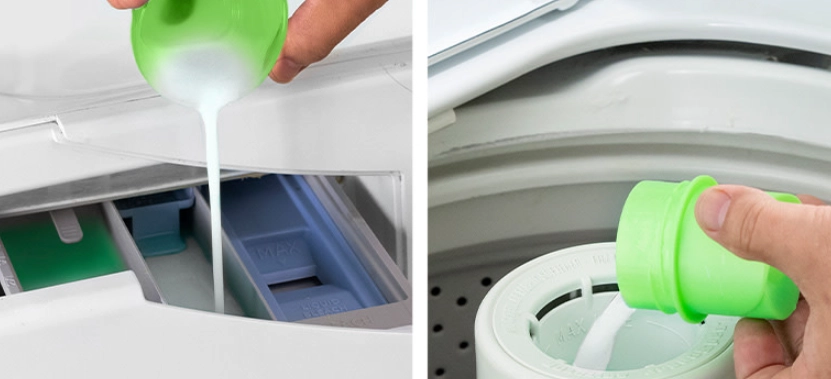
Key Takeaway: Fabric softener doesn't clean. It's a post-wash cosmetic treatment that physically coats your clothes. Understanding this explains why it's terrible for some fabrics.
How to Use Fabric Softener Correctly: A Step-by-Step Method
If you're going to use it, do it right. The biggest mistake? Overpouring. More is not better. It leads to buildup, residue on clothes, and a slimy machine.
Step 1: Check Your Machine
Front-loaders and most modern top-loaders have a dedicated dispenser drawer (usually marked with a flower or star symbol). The machine releases it at the right rinse cycle. If you have an older top-loader without a dispenser, you need to manually add it during the final rinse cycle. Pouring it in with the detergent will neutralize the cleaning power.
Step 2: Measure Precisely
Forget the cap. It's often way too big. Follow the bottle's instructions, but as a general rule for a standard load:
- Liquid Softener: No more than 2 tablespoons (30ml). For a large or heavily soiled load, you can go up to 4 tablespoons. I use a dedicated measuring spoon.
- Downy Ball or Dispenser Balls: Fill to the line. These are great for machines without dispensers.
I ruined a set of dark towels by just glugging it in. They got a waxy feel and lost absorbency. Now I measure every time.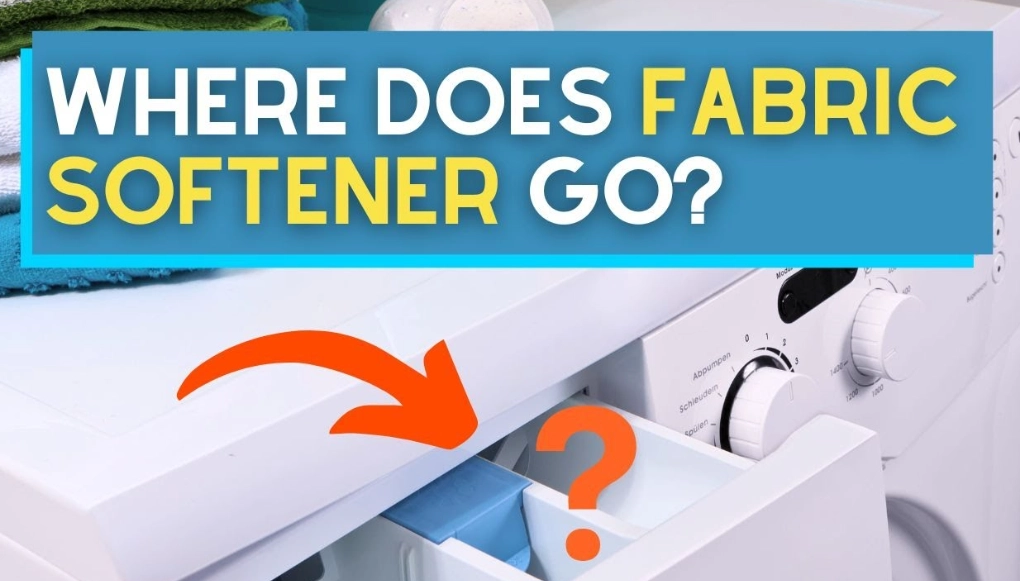
Step 3: Dilute for Even Distribution (Pro Tip)
If adding manually to an old top-loader, dilute the measured amount in a cup of water first. Pour it into the drum during the final rinse. This helps it spread evenly instead of splashing onto one item.
Step 4: Consider Water Temperature
Fabric softener works best in cold or warm water. Very hot water can break down its effectiveness. Most modern detergents are formulated for cold water anyway, so this is easy to follow.
When You Should Absolutely Skip Fabric Softener
This is where my guide differs from the bottle's label. The manufacturer wants you to use it on everything. You shouldn't. Here’s your no-go list.
Warning: Using softener on these items can permanently reduce their performance or damage them.
Microfiber & Performance Fabrics: Towels, cleaning cloths, athletic wear (like Under Armour, Nike Dri-FIT). These materials work by wicking moisture away through tiny pores. The softener coating clogs those pores. Your gym shirt will feel softer but will trap sweat against your skin. Your towel will just smear water around.
Waterproof or Water-Resistant Items: Rain jackets, ski gear, swimwear covers. The coating can interfere with the technical membranes (like Gore-Tex) and their ability to breathe and repel water.
Flame-Resistant Clothing: Workwear for electricians, firefighters, etc. The coating can be flammable and negate the garment's safety treatment.
Baby Clothes & Sensitive Skin: The fragrances and chemicals can irritate delicate skin. For babies, stick to hypoallergenic detergent and skip the softener altogether.
New Items That Need to Absorb: Like the towels I mentioned. They often have a natural sizing or coating from the factory. Wash them 3-4 times with just hot water and vinegar (a cup in the rinse) to maximize absorbency before you ever consider softener.
Fabric Softener vs. Dryer Sheets: The Real Difference
They seem interchangeable, but they're different tools. Let's break it down.
| Feature | Liquid Fabric Softener | Dryer Sheets |
|---|---|---|
| How It Works | Coats fibers during the rinse cycle in the washer. | Coats fibers with heat-activated chemicals and fragrance during the drying cycle. |
| Primary Benefit | Superior softness and fragrance that lasts. | Convenience, reduces static cling very effectively. |
| Biggest Drawback | Can cause machine buildup, not good for many fabrics. | Can leave waxy residue on dryer lint screen and clothes; scent can be overpowering. |
| Best For | Everyday cottons, linens, blankets where deep softness is the goal. | Quick loads, reducing static on synthetic blends, freshening up already-clean items. |
| Pro Tip | Use sparingly and avoid on towels/performance wear. | Cut sheets in half for smaller loads. Clean your lint screen with rubbing alcohol monthly to remove wax buildup. |
There are also dryer balls (wool or plastic). They work physically by tumbling and separating clothes, which reduces drying time and softens through agitation. They don't add chemicals or scent, which is a huge plus for many. They're reusable for years. They're great, but they won't give you that perfumed softness or eliminate static as completely as a sheet or liquid.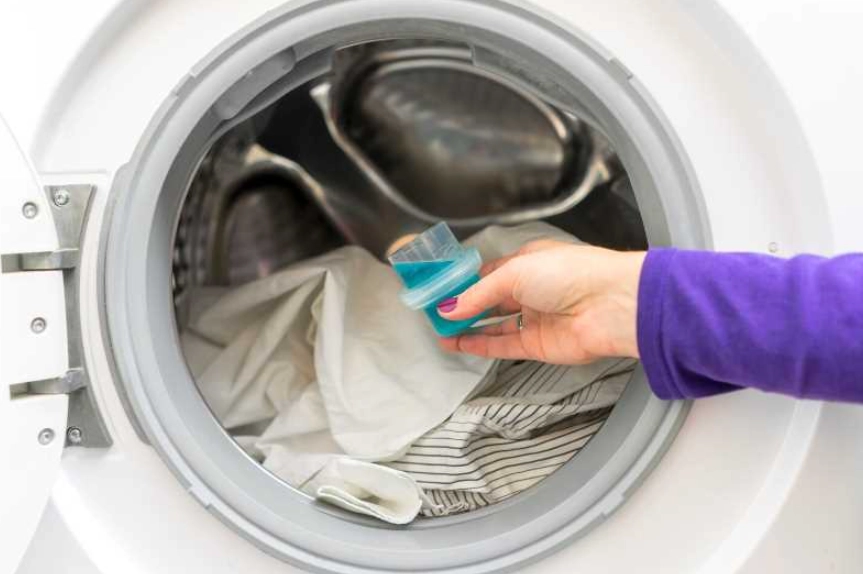
Your Top Fabric Softener Questions, Answered
 The goal isn't to scare you away from fabric softener. It's a useful product when applied with knowledge. Think of it like seasoning food—a little in the right place makes things better, but dumping it on everything ruins the meal. Measure carefully, know what to avoid, and your clothes will look, feel, and perform better for much longer.