You're holding a shirt that feels incredibly soft. The tag says "modal." Your favorite worn-in tee is 100% cotton. Is modal fabric cotton? Not exactly, and that's where the confusion starts for most shoppers. Both are championed for comfort, but they come from completely different worlds—one from a beech tree, the other from a cotton plant. Choosing the wrong one can mean a shirt that loses its shape after a few washes, sheets that feel clammy, or activewear that just doesn't breathe right.
I've spent years sourcing fabrics for small-batch apparel lines, and the modal-versus-cotton debate is constant. Most online guides just list generic pros and cons. Let's dig deeper. We'll look at what really matters when you're buying: how it feels against your skin day after day, how it survives your washing machine, and what its environmental footprint actually looks like beyond the marketing buzzwords.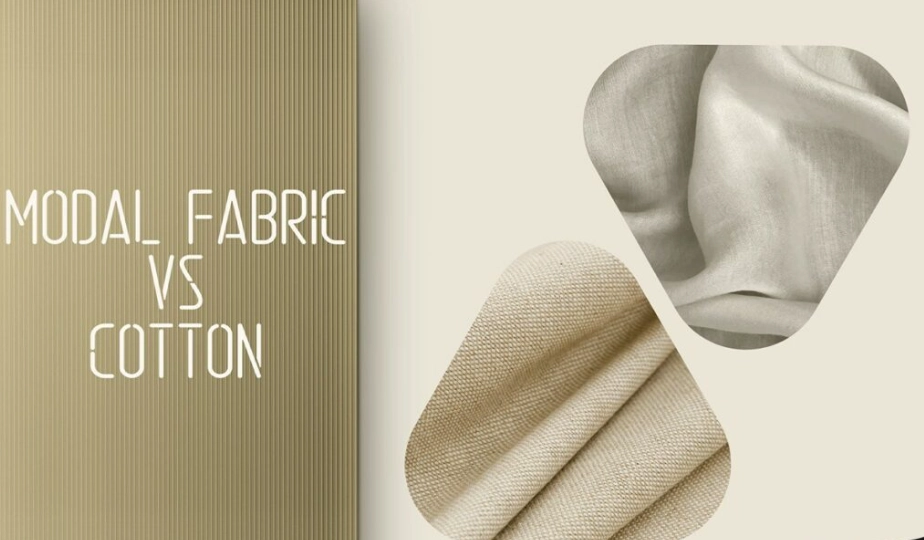
What You'll Discover in This Guide
What is Modal Fabric, Really? (It's Not "Just Rayon")
Modal is a type of rayon. That's the simple answer. But calling it "just rayon" is like calling a specialty pour-over coffee "just coffee." It misses the nuance. Modal is a second-generation rayon made specifically from the pulp of beech trees. The process, often associated with the Austrian company Lenzing AG (who make TENCEL™ Modal), involves stewing the wood pulp in chemicals to create a cellulose solution, which is then forced through tiny holes to form fibers.
The key difference from older forms of rayon like viscose is in the processing and the source material. Beech trees are often grown on land unsuitable for agriculture, and Lenzing's process claims a closed-loop system that recycles over 99% of the water and chemicals used, according to their environmental reports. This is a major point for its eco-credentials.
Here's what most people get wrong: they think modal's softness means it's delicate. It's actually stronger when wet than standard viscose rayon, which is why it holds up better in the wash. That silky feel isn't a coating; it's the inherent structure of the fiber.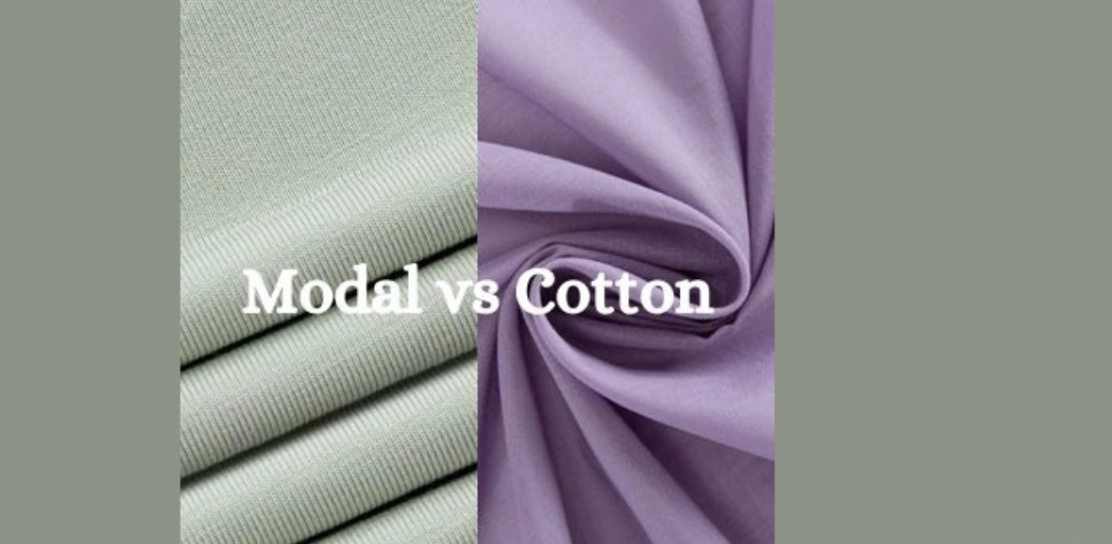
Modal vs Cotton: The Head-to-Head Breakdown
Let's get specific. This table isn't about declaring a winner, but giving you the facts to decide for your needs.
| Feature | Modal Fabric | Cotton Fabric |
|---|---|---|
| Source | Beech tree pulp (cellulose) | Cotton plant bolls (natural fiber) |
| Feel & Drape | Exceptionally soft, silky, fluid drape. Feels luxurious against the skin immediately. | Soft, but can be crisp or brushed. Achieves peak softness after several washes. Drape is more structured. |
| Breathability | Highly breathable and excellent at moisture-wicking. Pulls sweat away faster than cotton. | Breathable and absorbent, but can retain moisture, feeling damp if soaked with sweat. |
| Durability | Stronger than viscose when wet, but can be prone to pilling and stretching over time, especially in knit forms. | Very durable, especially in tighter weaves like percale or poplin. Strengthens when wet. Prone to shrinking if not pre-shrunk. |
| Environmental Impact | Often from sustainably managed forests. Closed-loop processes (like Lenzing's) minimize chemical waste. Biodegradable. | Conventional cotton is water and pesticide-intensive. Organic cotton (GOTS certified) is a much better choice, using less water and no synthetic pesticides. |
| Cost | Generally more expensive than basic cotton, comparable to high-quality Egyptian or Pima cotton. | Wide range. Basic cotton is affordable; premium long-staple cottons (Egyptian, Pima) are pricey. |
| Common Uses | Underwear, loungewear, premium t-shirts, bedsheets, blend with cotton or spandex for activewear. | Everything: Jeans, t-shirts, button-downs, towels, bedsheets, hoodies. |
When to Choose Modal, Cotton, or a Blend
Your choice should hinge on the garment's purpose and your personal priorities.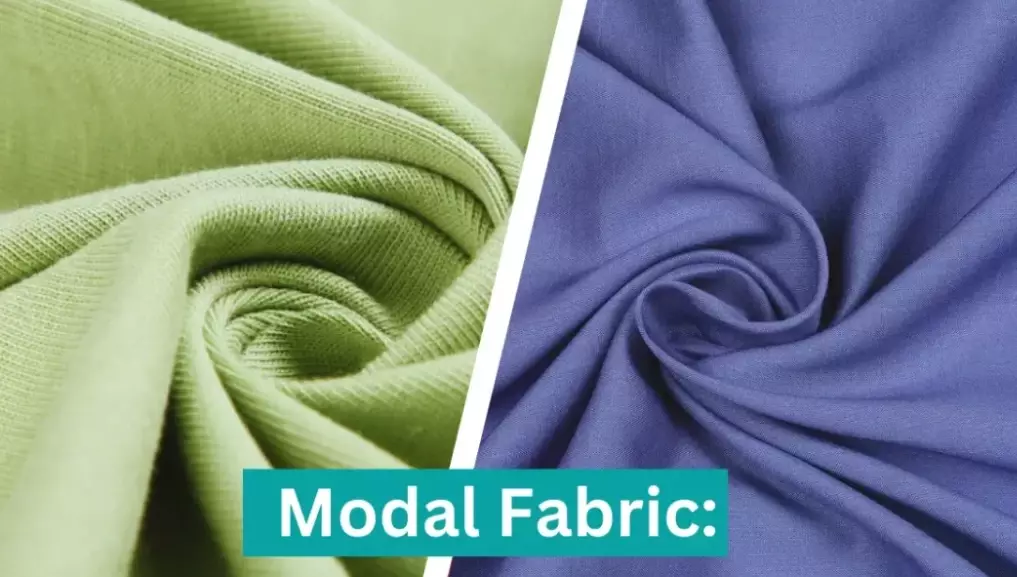
Reach for Modal when:
- Skin Sensitivity is Key: For pajamas, underwear, or bedding for sensitive skin, modal's ultra-smooth fibers are less likely to cause irritation.
- You Want Luxury Feel: For a t-shirt or loungewear set that feels expensive and drapes beautifully from day one.
- Superior Sweat Management: For summer wear or light activewear where you want moisture pulled away quickly to keep you cool and dry.
Stick with Cotton when:
- Durability is Non-Negotiable: For workwear, kids' clothes, denim, or heavy-use items like canvas bags. Cotton's ruggedness is hard to beat.
- You Love the "Broken-In" Feel: That perfect, soft-but-substantial feel of an old cotton tee is unique. Modal stays silky, but doesn't develop that character.
- Heat is Extreme: In very hot, dry climates, the slight moisture retention of cotton can have a minor cooling effect as it evaporates.
The Hybrid Winner: Modal-Cotton Blends
This is where magic often happens. A 50/50 or 60/40 modal-cotton blend aims to give you the best of both worlds: the immediate softness and drape of modal with the added structure, breathability, and durability of cotton. It's a fantastic choice for everyday t-shirts, polo shirts, and bedsheets that need to feel soft but also hold their shape wash after wash. The blend often reduces the pilling tendency of pure modal knits.
How to Care for Modal and Cotton to Make Them Last
Treat them the same, and you'll ruin the modal. Here's the real-world care guide most tags don't give you.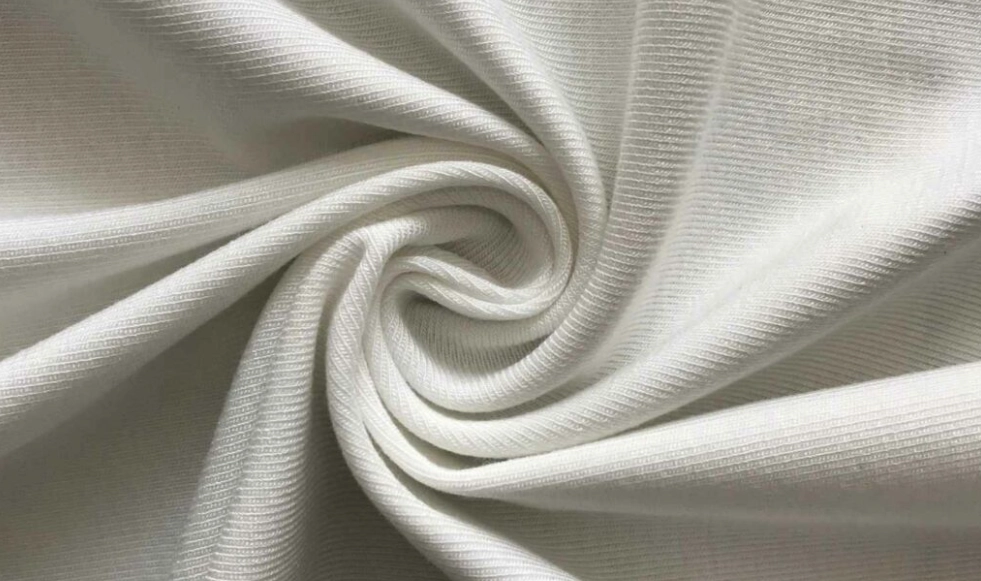
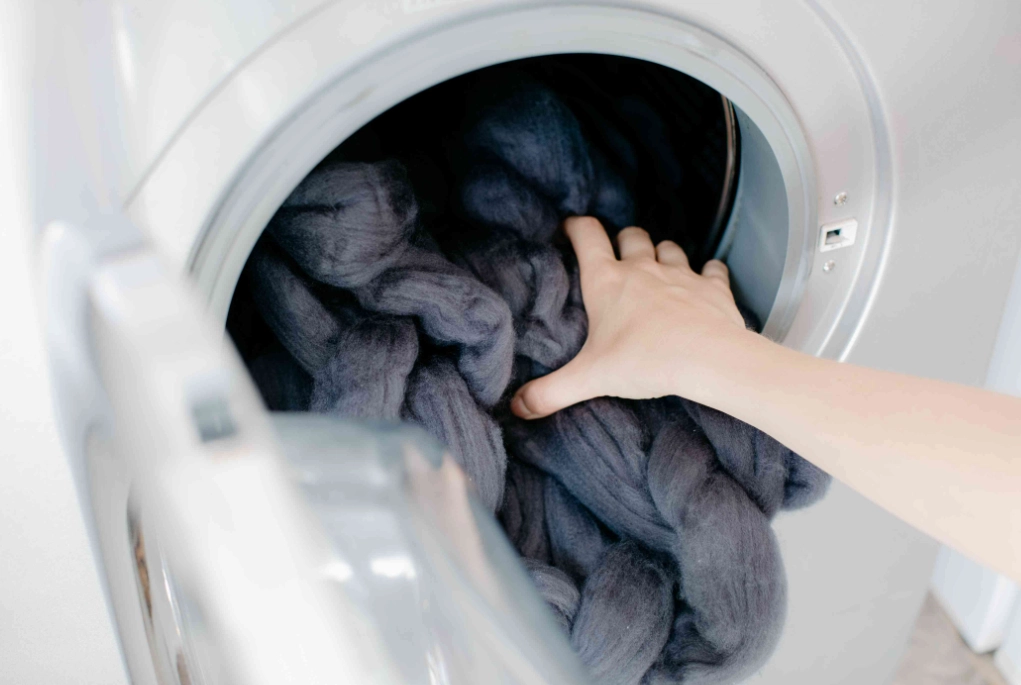
For Modal: Wash in cold water on a gentle cycle. Always. Hot water is the enemy. Turn garments inside out to minimize friction. Use a mild detergent. Avoid fabric softener—it coats the fibers and reduces their natural moisture-wicking ability. Tumble dry on low heat or, ideally, air dry. High heat will weaken the fibers and cause dramatic shrinkage. If you must iron, use a low steam setting.
For Cotton: Cotton is more forgiving but has its own quirks. Wash in warm or cold water. To prevent shrinkage, especially with non-pre-shrunk items, use cold water. You can generally tumble dry on medium. To minimize wrinkles and make ironing easier, remove from the dryer while slightly damp. Iron on a higher setting if needed. For white cottons, occasional warm washes help maintain brightness.
A personal tip: I air-dry all my modal items and my premium cotton shirts. It takes longer, but the collars and seams stay pristine for years. The dryer is what beats clothes up.
Your Top Fabric Questions, Answered
 For bed sheets, which is better: modal or cotton?
 How can I tell if a fabric is high-quality modal or cheap rayon?