You just pulled a favorite modal blend shirt out of the dryer. It feels soft, but it's covered in fine creases. So, does modal fabric wrinkle? The short answer is yes, it can. But it's more complicated than a simple yes or no. Modal, a type of rayon made from beechwood pulp, has a reputation for being smooth and drapey. Many people buy it expecting a miracle—a fabric that never needs ironing. That's where the disappointment often starts.
I've been working with textiles for over a decade, and I've seen countless modal garments come through. The truth is, modal's wrinkle behavior sits in a fascinating middle ground. It's far more resistant than linen or pure cotton, but under the wrong conditions, it will absolutely crease. Understanding why and when is the key to keeping your modal clothes looking their best without a constant battle with the ironing board.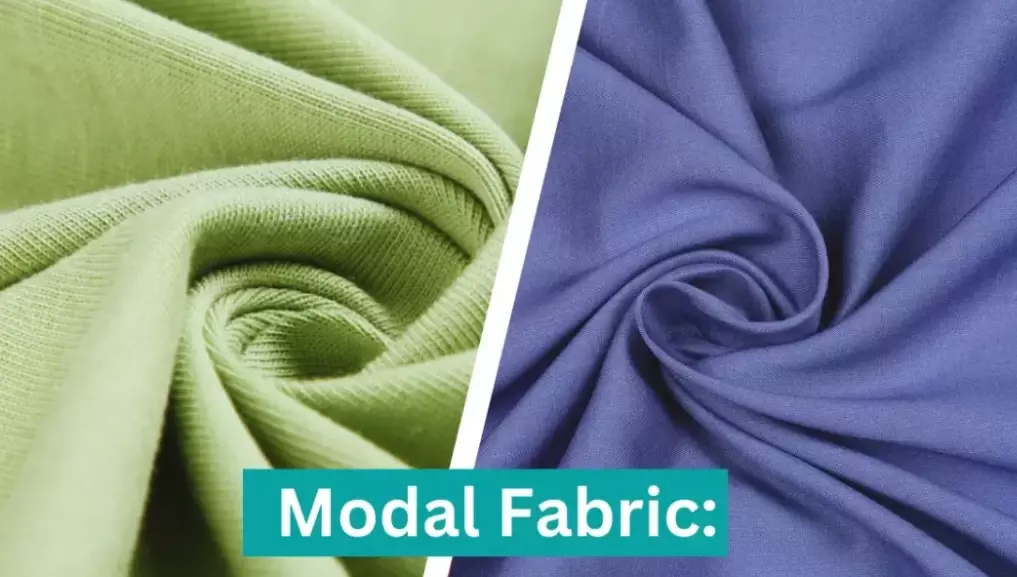
What You'll Learn in This Guide
- The Simple Truth About Modal and Wrinkles
- What Actually Makes Modal Wrinkle? (The 4 Main Culprits)
- How to Prevent Modal from Wrinkling: A Step-by-Step Care Plan
- How to Safely Remove Wrinkles from Modal Fabric
- Modal vs. Other Fabrics: The Wrinkle Resistance Showdown
- Your Modal Wrinkle Questions, Answered by a Textile Expert
The Simple Truth About Modal and Wrinkles
Modal fabric wrinkles, but it's considered a low to moderate wrinkle fabric. Its cellulose fibers are processed to be more aligned and strong than standard viscose rayon, which gives it better recovery from bending and folding. Think of it this way: if linen is a 9 on the wrinkle scale (10 being the worst), cotton is a 6, and polyester is a 1, modal sits around a 3 or 4.
The biggest factor that newcomers miss is the blend. Pure 100% modal is rare. It's almost always blended with something else—spandex for stretch, cotton for structure, or polyester for durability and wrinkle resistance. A modal-spandex blend (like 95% modal, 5% spandex) will show more creases, especially at the seams and knees, because the spandex stretches and doesn't snap back as completely. A modal-polyester blend, on the other hand, will be much more resistant to holding creases.
Key Takeaway: Don't judge modal by one bad experience. Check the care label and fiber content first. A 100% modal item will behave differently from a modal blend, and your washing technique matters more than with synthetic fabrics.
What Actually Makes Modal Wrinkle? (The 4 Main Culprits)
Let's get specific. Modal doesn't just wrinkle on its own. These are the real-world scenarios that cause those frustrating creases.
1. Heat Abuse in the Dryer
This is the number one mistake. Tossing a damp modal garment into a hot dryer and letting it tumble until bone-dry is a recipe for deep-set wrinkles. The fibers are essentially "baked" into a crumpled shape. High heat also damages modal's strength and can cause shrinkage.
2. Cramped Washing and Drying
Overloading your washing machine forces fabrics to twist and knot around each other. Modal, being relatively smooth, gets pressed into the creases of heavier items like jeans or towels. The same happens in the dryer—no room to move means no chance for wrinkles to fall out.
3. Poor Folding or Hanging While Damp
If you fold a modal shirt that's even slightly damp and leave it in a drawer, those fold lines will set. Hanging it on a flimsy wire hanger while wet can cause shoulder bumps and stretching that lead to weird, persistent wrinkles.
4. The "Suitcase Test" (Compression Wrinkles)
This is a great real-world test. Pack a modal dress tightly in a suitcase for a weekend trip. When you unpack it, it will be wrinkled. The prolonged, intense pressure forces creases that other fabrics like wool or technical synthetics might resist. It tells you a lot about modal's limits.
How to Prevent Modal from Wrinkling: A Step-by-Step Care Plan
Prevention is always easier than cure. Follow this routine, and you'll drastically reduce your ironing time.
Step 1: Wash Cool and Gentle. Always use cold or lukewarm water on a gentle or delicate cycle. Hot water weakens the fibers and makes them more prone to deforming. Use a mild detergent.
Step 2: The Spin Cycle Matters. A high-speed spin can wring the fabric into a tight, wrinkled ball. If your machine has the option, choose a lower spin speed (like 800 RPM instead of 1200).
Step 3: Shake and Smooth Immediately. The moment the wash cycle ends, take the modal items out. Give each piece a firm shake to release water and help fibers relax. Smooth it out with your hands—lay a shirt flat on a towel, pat the collar, straighten the sleeves.
Step 4: Air Dry is King. Lay the garment flat on a drying rack, or hang it on a sturdy, padded hanger. Ensure it's in a shape as close to how you'd wear it as possible. Avoid direct sunlight, which can fade colors. The weight of the water pulling down as it air-dry often helps minor wrinkles fall out.
Step 5: The Tumble Dry Loophole (If You Must). If you need to use a dryer, do this: Put the modal item in with a couple of dry, clean towels (they help absorb moisture and reduce tumbling time). Use the lowest heat setting or no-heat air fluff cycle. Remove it while it's still slightly damp—this is crucial. Then hang or lay flat to finish drying.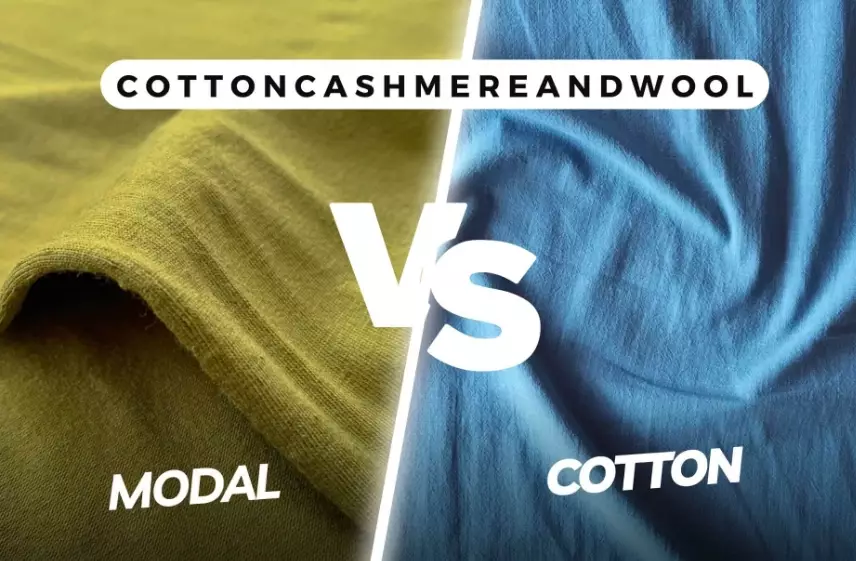
Expert Mistake I See All the Time: People treat modal like cotton. They wash it hot, dry it on high, and then complain it's wrinkled and shrunk. Modal is a premium, semi-synthetic that requires a bit more finesse. Treat it like you'd treat a nice piece of lingerie or a silk blend, not like a bath towel.
How to Safely Remove Wrinkles from Modal Fabric
So, the wrinkles are there. Don't panic. Here’s your action plan, from easiest to most involved.
The Steam Shower Method: Hang the wrinkled modal in the bathroom while you take a hot shower. The steam will relax the fibers. After the shower, gently tug on the seams and smooth the fabric with your hands. This works wonders for light travel wrinkles.
Using a Garment Steamer: This is the best tool for modal. Hold the steamer head a few inches from the fabric and move in downward strokes. The steam penetrates without pressing the fabric flat, which preserves modal's beautiful drape. Always test on an inside seam first.
Ironing Modal (The Right Way): If you must use an iron, use the lowest synthetic or "silk" setting. Never use cotton or linen heat. Iron the item inside out while it is still slightly damp. Place a thin cotton pressing cloth (a clean pillowcase works) between the iron and the modal fabric. Use a pressing motion—lift and place—rather than sliding, which can stretch the fabric.
Modal vs. Other Fabrics: The Wrinkle Resistance Showdown
Context is everything. Here’s how modal stacks up against common fabrics you might be considering.
| Fabric | Wrinkle Tendency | Key Care Difference vs. Modal | Best For |
|---|---|---|---|
| Modal | Low to Moderate | Requires air-dry or very low heat; sensitive to high heat. | Everyday wear, underwear, bedsheets where softness is key. |
| Cotton | Moderate to High | Can handle more heat but wrinkles deeply and easily. | Crisp shirts, denim, towels (where wrinkles are acceptable or intended). |
| Linen | Very High | Wrinkles are part of its aesthetic; almost impossible to prevent. | Summer wear, relaxed styles where the wrinkled look is desired. |
| Polyester | Very Low | Thrives in the dryer; heat sets its shape and removes wrinkles. | Travel clothing, athletic wear, uniforms where no-iron is mandatory. |
| Tencel™ Lyocell | Very Low | Similar to modal but often has even better wrinkle recovery due to its closed-loop process (as noted by its producer, Lenzing AG). | High-end sustainable fashion, draping garments. |
| Viscose Rayon | Moderate to High | Less resilient than modal; wrinkles more easily and is weaker when wet. | Flowy blouses, dresses where drape is more important than durability. |
Your Modal Wrinkle Questions, Answered by a Textile Expert
I bought modal sheets advertised as "wrinkle-free." Why are they still wrinkled out of the package?
"Wrinkle-free" is often a marketing term for "resistant," not immune. Sheets are compressed vacuum-tight for shipping. Those deep compression wrinkles need release. Wash them on cool, dry them on low heat or air fluff for 10 minutes, then put them directly on the bed. Your body heat and the tension of making the bed will relax most of the remaining creases overnight.
My modal-spandex leggings get permanent wrinkles at the knees. Can I fix this?
Permanent creasing in high-stretch areas is a common flaw with modal-spandex blends. The spandex fibers fatigue. You can try steaming them while wearing them (carefully!) or lying them flat, steaming the knee area, and gently stretching the fabric back into shape as it cools. Prevention is better: always air-dry them laid flat, never bunched up or hung.
 Is there a way to make modal more wrinkle-resistant when traveling?
Roll, don't fold. Rolling clothes creates softer, curved creases that often fall out faster than sharp fold lines. Place rolled modal items at the top of your suitcase. For a dress or shirt, use a dry cleaning bag. Put the garment in the bag, fold it loosely, and pack it. The slippery bag reduces friction and prevents deep-set wrinkles.
Does fabric softener help prevent modal wrinkles?
It can actually make things worse. Fabric softener coats the fibers, which can reduce their natural ability to slide back into place (their "recovery"). It also builds up over time, making the fabric less absorbent and more prone to holding oils. For modal, skip the softener. A cup of white vinegar in the rinse cycle acts as a natural softener and helps prevent static without the residue.
If modal wrinkles, why is it so popular for underwear and pajamas?
Because for those items, absolute wrinkle resistance is less important than supreme softness, breathability, and drape against the skin. A slight wrinkle in your pajamas doesn't matter. The trade-off for incredible comfort is worth accepting a bit of easy-care maintenance. It's about choosing the right fabric for the right job.
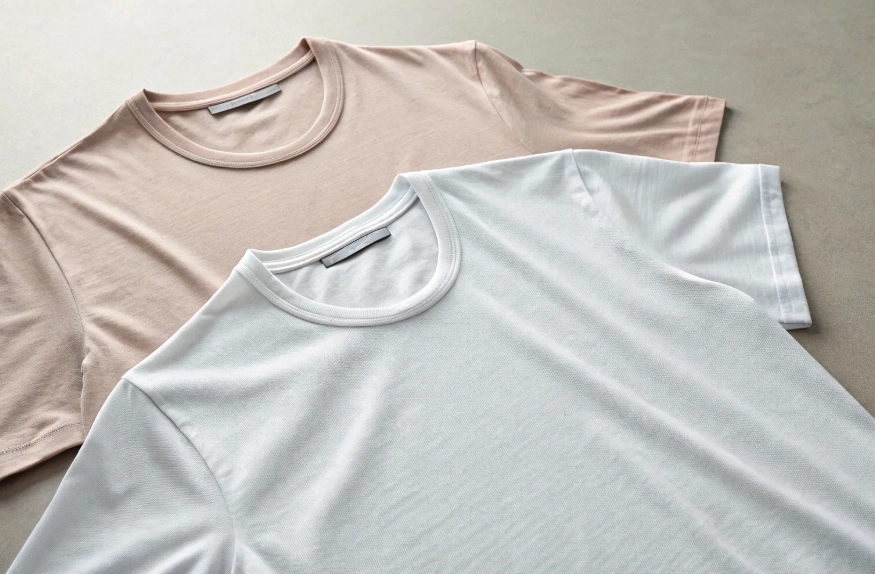 The bottom line is this: modal fabric can wrinkle, but it's not a high-maintenance diva. It asks for a little mindfulness—cool washes, air drying, and a steamer instead of a hot iron. When you give it that care, it repays you with a softness and drape that few other fabrics can match. Don't fear the wrinkles; just understand them. Now you know exactly how to keep your modal looking smooth and feeling luxurious for years.