You see a beautiful cashmere sweater. It feels incredible. Then you check the price. $300, $500, sometimes over $1,000. The immediate question pops into your head: why is cashmere so expensive? Is it just a luxury brand markup, or is there something more?
Let's cut straight to the point. The high cost of genuine cashmere isn't a marketing gimmick. It's the direct result of extreme scarcity, painstaking labor, and meticulous processing that very few other natural fibers require. It starts with a goat in a harsh climate and ends with a garment that can last decades. But what exactly goes into that price?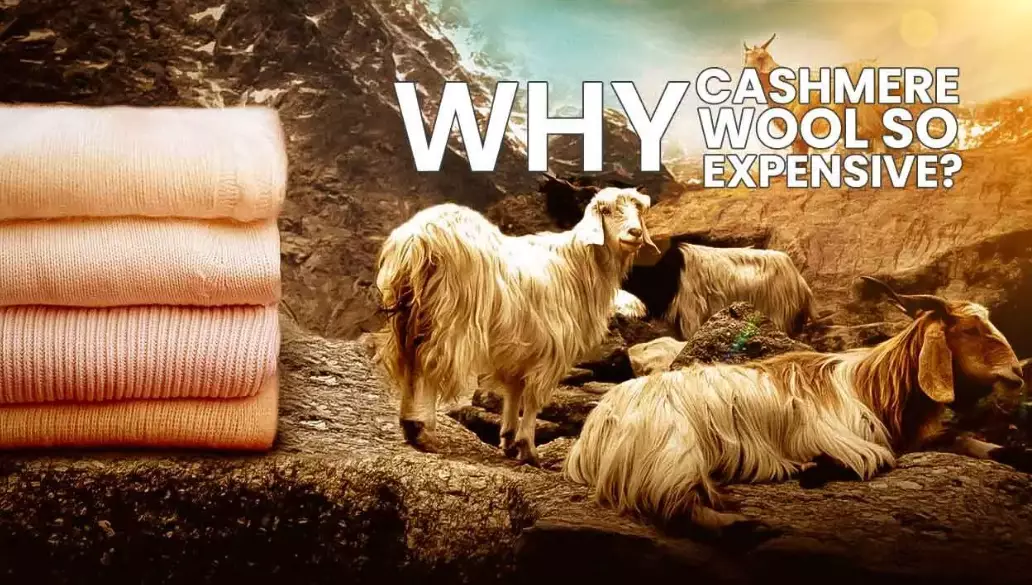
What You'll Learn
The Source: Why Cashmere Fiber Is So Rare
Forget fluffy sheep. Cashmere comes from the undercoat of specific breeds of cashmere goats, primarily the Capra hircus laniger. These goats aren't your average farm animal. They've adapted to survive the brutal winters of high-altitude regions like Inner Mongolia, China, Mongolia, Iran, and Afghanistan. Temperatures can plummet to -30°C (-22°F).
To survive, the goats grow a dual-layer coat. A coarse, protective outer guard hair. And beneath it, a super soft, ultra-fine undercoat – the cashmere. This undercoat acts as insulation. Each spring, as it warms up, the goats naturally shed this undercoat. That's the only time it can be collected.
The Scarcity Math: One cashmere goat produces, on average, only about 150-200 grams of usable cashmere fiber per year. To put that in perspective, it takes the annual yield from 2 to 4 goats to make just one standard cashmere sweater. A single sheep, by comparison, can yield 3-5 kg of wool in one shearing – enough for multiple sweaters. The global supply of pure cashmere is a tiny fraction of the world's wool supply.
Harvesting is mostly done by hand, through combing. It's a gentle process to avoid damaging the precious fibers and to separate them from the coarse guard hair. This combing season is short, and the work is done by herders in remote areas. Fluctuations in climate, animal health, and even geopolitical factors can impact supply and price year to year. The International Cashmere and Camel Hair Manufacturers Institute notes that sustainable herding practices are increasingly critical as demand grows.
How Cashmere Is Made: A Labor-Intensive Journey
Once the raw, greasy fiber (called "dehaired cashmere") is collected, the real work begins. Every step adds cost because it requires skilled labor and precision.
Sorting and De-hairing: The First Quality Gate
The combed fiber is a mix of the valuable fine undercoat and the worthless coarse guard hairs. Mechanized de-hairing machines, often using rollers and air currents, separate the two. But it's not perfect. High-end producers often follow this with hand-sorting. Experienced workers visually and tactilely pick out remaining coarse hairs and any discolored bits. This step alone significantly increases the purity and, consequently, the price of the final batch.
Spinning: Where Fiber Becomes Yarn
This is a major differentiator between cheap and expensive cashmere. To make a durable yarn, fibers are spun together with a twist. High-twist yarns are tighter, stronger, and more resistant to pilling. They feel slightly less fluffy initially but will last much longer. Lower-cost cashmere uses a loose, low-twist yarn. It feels incredibly soft right out of the gate but will pill excessively and lose its shape quickly. The spinning process for high-quality yarn is slower and more controlled.
Dyeing, Knitting, and Finishing
Quality dyeing uses methods that preserve the fiber's integrity and softness. Then, knitting. Full-fashioned knitting, where pieces are shaped during the knit process and then sewn together, is more expensive but offers a better fit and durability than cut-and-sew methods. Finally, finishing processes like washing, brushing (to raise the nap), and steaming all require skill to achieve that signature cashmere hand-feel without damaging the garment.
I once bought a "bargain" cashmere scarf that felt okay at first. After one gentle wash, it shrunk and stiffened dramatically. The finishing process had been skipped to cut costs, and the fibers felted together. A painful lesson in false economy.
Beyond Price: The Factors That Determine Real Quality
Not all cashmere is created equal. Price often reflects these hidden quality metrics. When you're comparing two sweaters, look beyond the label.
| Factor | What It Means | Impact on Price & Durability |
|---|---|---|
| Fiber Diameter (Microns) | The thickness of individual hairs. Measured in microns (µm). | Lower is better & more expensive. Luxury cashmere is 14.5-15.5µm. Standard is 16-19µm. Below 15µm is "baby cashmere" (from kid goats), the rarest and most costly. |
| Fiber Length (Staple) | How long the individual fibers are. | Longer is better & more expensive. Longer fibers (over 36mm) spin into stronger, smoother yarns that pill less. Short fibers create weak, fuzzy yarns. |
| Ply | The number of yarn strands twisted together. | 2-ply or 3-ply is standard for sweaters. It's thicker, warmer, and more durable than single-ply. Single-ply feels light but is delicate. Don't equate ply with weight; a high-quality 2-ply can be better than a low-quality 4-ply. |
| Origin | Where the raw fiber was sourced. | Inner Mongolian cashmere is often considered the gold standard due to its fine, long fibers. Mongolian, Afghan, and Iranian cashmere are also prized. Origin affects character and consistency. |
A common misconception is that a higher "gauge" (like 7-gauge, 12-gauge) always means better quality. It doesn't. Gauge refers to the knit's tightness (stitches per inch). A 7-gauge is a looser, chunkier knit; a 12-gauge is finer and tighter. The right gauge depends on the desired style and weight. The quality of the yarn used in that knit is far more important.
How to Buy Cashmere That's Actually Worth the Money
So, you're ready to invest. How do you avoid overpaying for junk or missing a good deal on quality?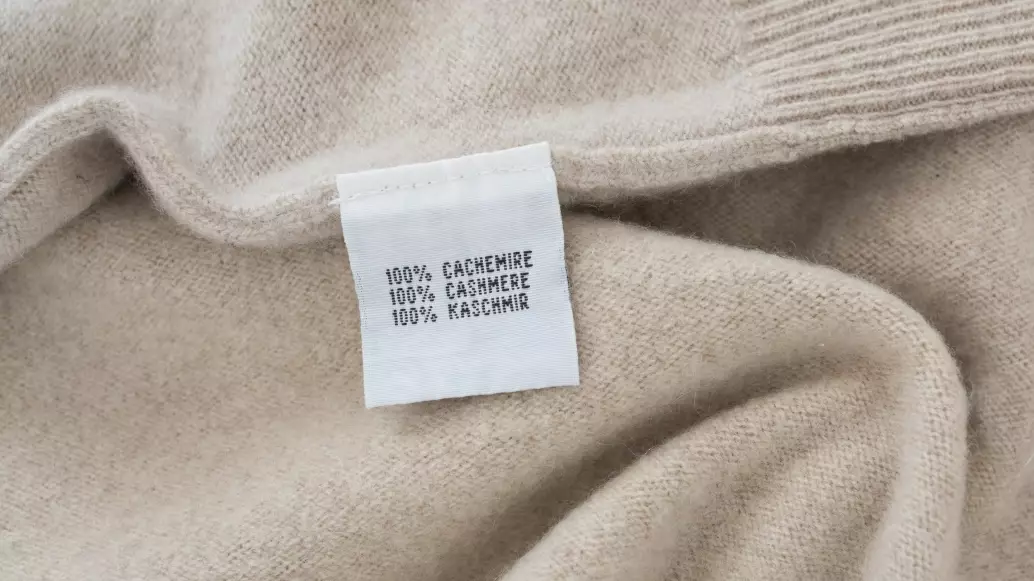
Feel It, Don't Just Trust the Tag. Rub the fabric between your fingers and palm vigorously for 10 seconds. If a lot of loose fiber pills up immediately, that's a red flag for short, low-quality fibers. High-quality cashmere will shed very little. Hold it up to the light. Can you see through it? A very thin, translucent knit might be beautiful but will be less durable.
Check the Seams. Are they flat, neat, and sturdy? Do the patterns match at the seams? Sloppy sewing is a sign of corner-cutting elsewhere.
Read Between the Label Lines. "100% Cashmere" is the baseline. Look for brands that disclose more: fiber origin, micron count, ply. Brands like Naadam, N.Peal, and smaller artisans often provide this transparency. Be wary of vague terms like "cashmere blend" or "cashmere feel" – that means it's not pure cashmere.
Think Long-Term. A $300 sweater that lasts 10 years with proper care is a better value than a $100 sweater that pills and distorts in one season. Quality cashmere improves with age, developing a personal patina.
My personal rule? I'd rather have one impeccable, mid-weight cashmere crewneck from a reputable maker than three "bargain" ones. It gets worn more, always looks appropriate, and the cost-per-wear plummets.
Your Cashmere Questions, Answered
 How can I tell if cashmere is ethically sourced?