Let's cut to the chase. When the temperature climbs, your clothing choice becomes a matter of survival, not just style. The wrong fabric can turn a simple walk into a sweaty, sticky ordeal. The right one feels like a second skin of cool air. Breathability isn't a marketing gimmick; it's the fabric's ability to let air circulate and moisture (sweat) evaporate quickly. This guide isn't just a list of good fabrics. It's a deep dive into why they work, how to spot them, and the common mistakes people make when shopping for summer clothes. I've spent years testing materials in humid climates and dry heat, and I'll share what most generic lists miss.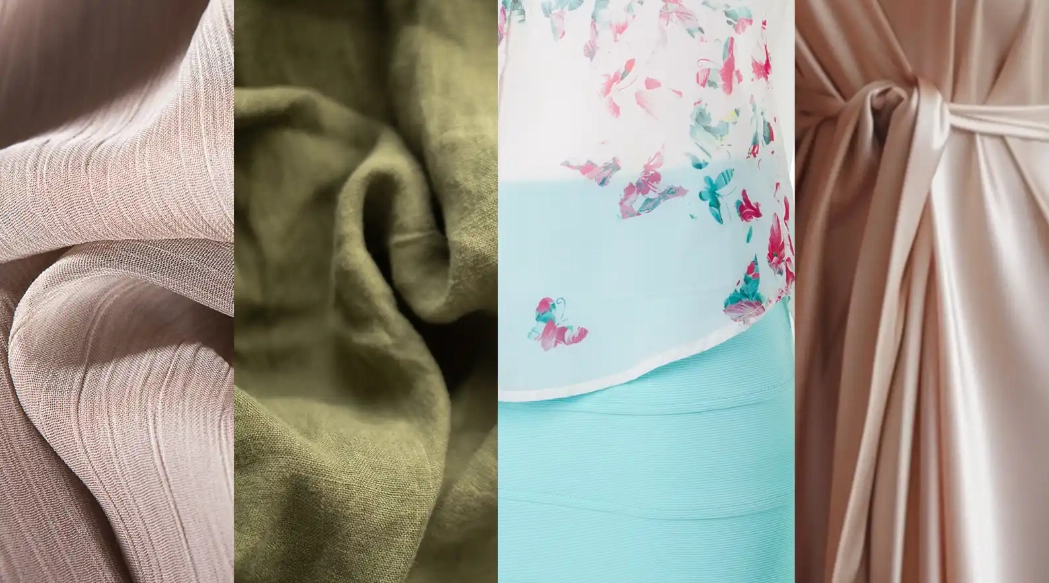
What You'll Find Inside
The Fabric Breakdown: From Linen to High-Tech Synthetics
Not all breathable fabrics are created equal. Some are natural champions, others are engineered miracles. The table below gives you the quick snapshot, but the real insights are in the details that follow.
| Fabric | Key Breathability Feature | Best For | A Common Pitfall |
|---|---|---|---|
| Linen | Hollow fibers & loose weave allow maximum airflow. | Everyday wear, shirts, trousers, dresses. | Wrinkles easily—embrace the rumpled look. |
| Cotton | Natural fiber absorbs and releases moisture. | T-shirts, casual shirts, underwear. | Heavy, dense weaves (like denim) are terrible for heat. |
| Rayon/Viscose | Silky, lightweight, and drapes well for ventilation. | Flowy blouses, summer dresses. | Can become weak and lose shape when wet with sweat. |
| Technical Synthetics (e.g., Polyester, Nylon) | Moisture-wicking; pulls sweat to the surface to evaporate. | Athletic wear, hiking gear, travel clothing. | Cheap versions feel plasticky and trap odor. |
| Silk | Natural protein fiber that's thermoregulating. | Evening wear, luxury base layers, scarves. | Requires delicate care; sweat stains can be permanent. |
| Merino Wool | Fine fibers wick moisture and resist odor naturally. | Travel, hiking, base layers (even in summer!). | Surprises people who think "wool = hot." |
Linen: The Undisputed King of Airflow
Linen comes from the flax plant. Its fibers are hollow, which is like having built-in micro air-conditioning ducts. A proper linen weave is loose and gauzy. That's why it works. The biggest mistake? Buying a "linen-look" fabric that's actually a tight, blended weave. It won't breathe. High-quality linen feels slightly rough at first but softens beautifully. Brands like Uniqlo and Muji offer great affordable options, while Eileen Fisher excels in luxurious, drapey linen. Yes, it wrinkles. But that's part of its charm—it's meant to look lived-in, not stiff.
Cotton: The Familiar Friend (With Caveats)
Cotton is absorbent, which is both its strength and weakness. It soaks up sweat, which feels cool initially. But if it gets saturated—a real risk on a humid day or during activity—it stays wet, heavy, and cold against your skin. The key is the weave and weight. A lightweight, open weave like seersucker or chambray is fantastic. A thick, dense jersey or, worse, denim, is a sweat prison. For hot weather, look for words like "ring-spun," "pima," or "supima"—they often indicate longer, finer fibers that can be woven into lighter, softer fabrics.
Rayon, Viscose, Tencel™: The Plant-Based Contenders
These are made from processed plant cellulose (usually wood pulp). They feel cool to the touch and drape elegantly, allowing air to move around the body. Tencel™ Lyocell, in particular, is a standout. Its closed-loop production process (cited by the Textile Exchange as a leading sustainable technology) makes it eco-friendly, and the fibers are exceptionally smooth and moisture-managing. The downside? Some rayons can be delicate and lose shape when soaked. They're perfect for a breezy sundress but maybe not for a high-intensity workout.
Technical Synthetics: The Engineered Solution
Here's where most people get it wrong. They've worn a cheap polyester blouse that made them sweat and swear off all synthetics. But modern performance synthetics are different. Fabrics like Coolmax® or certain Supplex® nylon are engineered with microscopic channels that wick moisture away from your skin to the outer surface where it evaporates. They don't absorb sweat; they transport it. This is why they dominate the athletic wear market. Brands like Patagonia's Capilene® line or Lululemon's Silverescent® tech (which incorporates odor-fighting silver) are worth the investment if you're active. The trick is to avoid the shiny, stiff polyester often used in fast fashion.
The Surprise Players: Silk and Merino Wool
Yes, wool. Fine merino wool (think 17.5 to 19.5 micron) is a miracle fiber for temperature regulation. It can absorb a huge amount of moisture vapor (not liquid sweat) without feeling wet, and it naturally resists odors. I've worn a merino wool t-shirt on a multi-day summer hike, and it stayed fresh in a way no synthetic could. Silk, too, is a natural protein fiber that is warm in winter and cool in summer. It's less durable and more finicky, but for a lightweight scarf or a blouse, its thermoregulating properties are real.
How to Choose the Right Breathable Fabric for You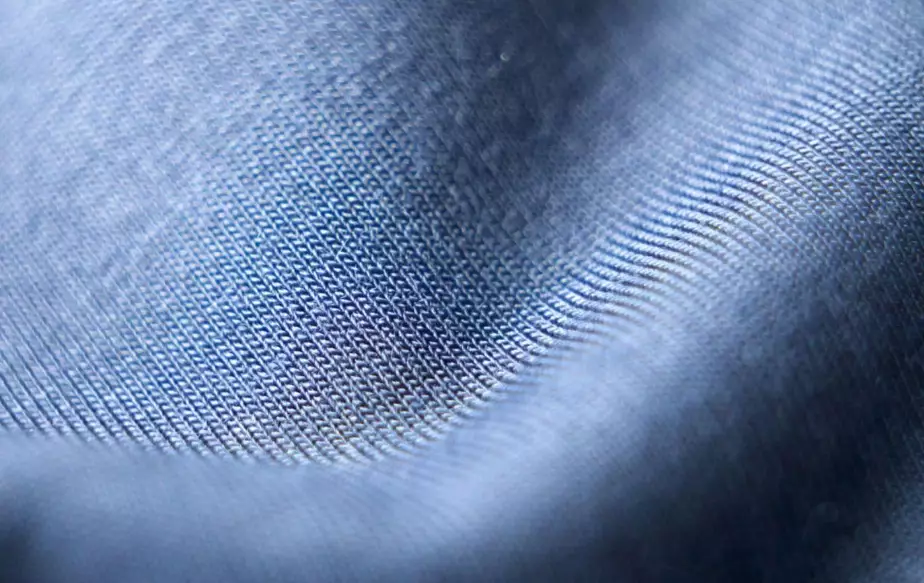
Knowing the fabrics is half the battle. Applying that knowledge is the other half. Your lifestyle dictates the choice.
For the Office (with AC): You need breathability for the commute, but also a polished look. Linen-cotton blends are a secret weapon—more wrinkle-resistant than pure linen but still breathable. A fine merino wool sweater can actually be better than a synthetic cardigan in a freezing office because it regulates better.
For Travel: You want versatility and easy care. Here, technical synthetics or merino wool excel. They're lightweight, pack small, dry overnight in a hotel bathroom, and resist wrinkles and odors. A capsule wardrobe built around these fabrics is a game-changer. I once traveled for two weeks in Southeast Asia with only a carry-on, relying on two merino wool tops and one synthetic dress. It was liberating.
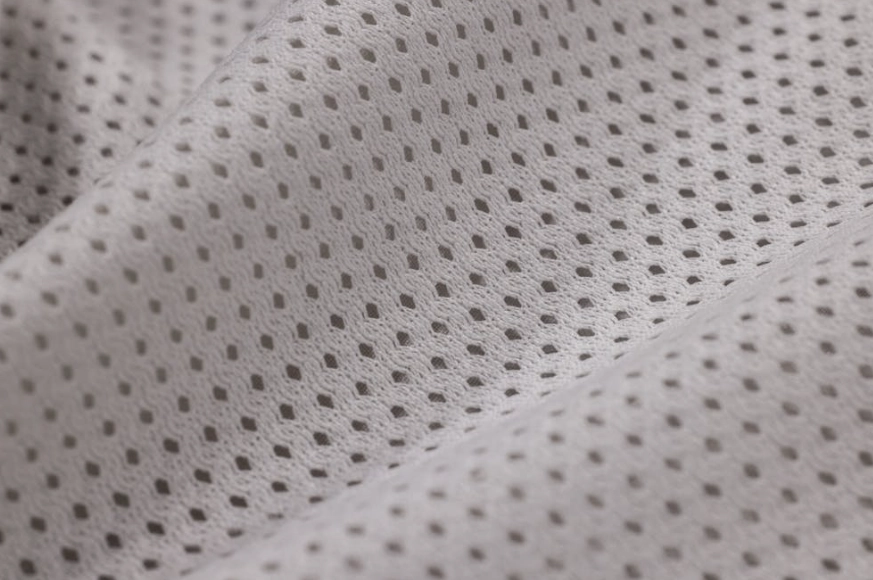
For High-Intensity Activity (Running, Hiking): This is the domain of advanced synthetics. Look for specific moisture-wicking technology on the label. Mesh panels are also your friend. Avoid cotton at all costs—the phrase "cotton is rotten" exists in the hiking world for a reason. A sweat-soaked cotton shirt can lead to chafing and even hypothermia if temperatures drop.
Check the Weave: Hold the fabric up to the light. Can you see light passing through? That's a good sign (for breathability, not opacity—layer accordingly!). A tight, dense weave, regardless of fiber, will trap heat.
Caring for Your Breathable Fabrics
Poor care can ruin a fabric's breathability. Fabric softener is often the villain—it coats fibers with a waxy film that blocks their ability to wick moisture. For synthetics and wool, use a technical sports wash or a mild detergent without softeners. For linen and cotton, a warm wash and line drying will help maintain their natural texture and openness. Iron linen while it's still slightly damp for best results. Always check the care label—silk usually demands cold water and gentle handling.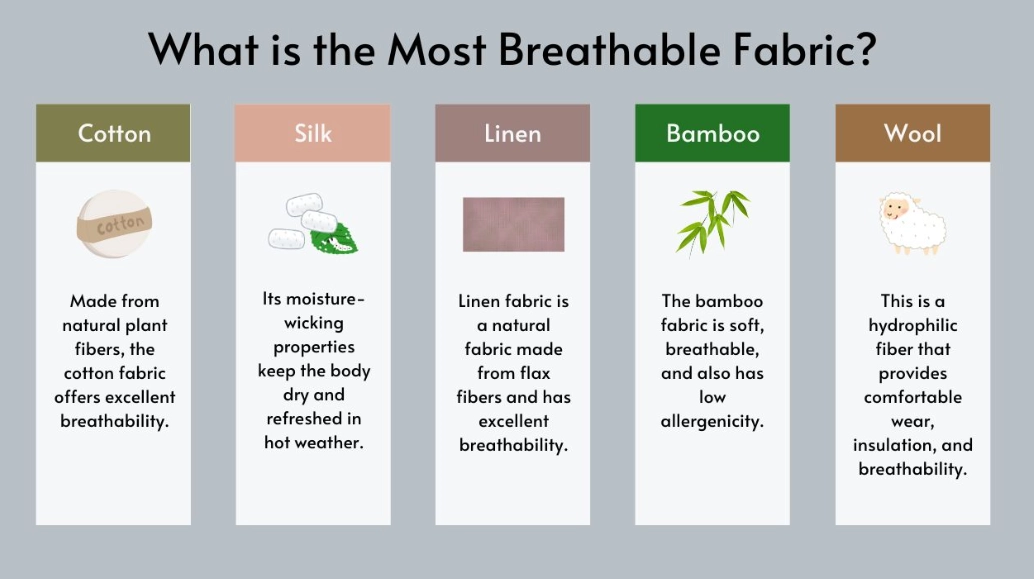
Your Hot Weather Fabric Questions, Answered
Is 100% cotton always the most breathable choice for a T-shirt?
No, and this is a classic misconception. A heavyweight 100% cotton tee (like those cheap multi-packs) is less breathable than a lightweight, porous knit or a blended fabric with a bit of polyester for wicking. For lounging in dry heat, a fine cotton jersey is fine. For any activity or humidity, a cotton-poly blend or a performance fabric will often keep you drier and more comfortable.
I love linen, but I hate how wrinkled it gets. Any solutions beyond constant ironing?
First, adjust your expectation—the wrinkled look is authentic. To minimize it, look for linen blended with about 10-15% polyester or rayon. It retains most of the breathability but holds its shape better. When washing, remove from the dryer immediately while still warm and fold or hang. Or, embrace the crinkle. A slightly rumpled linen shirt often looks more expensive and intentional than a stiff, perfectly pressed one.
Are all synthetic fabrics bad for hot weather?
This is the most important distinction to make. Cheap, non-porous synthetics used in fast fashion are terrible—they trap heat and sweat. Engineered, moisture-wicking synthetics (often found in dedicated athletic or outdoor brands) are arguably the best technical option for managing sweat during movement. Don't lump a $5 polyester shirt from a discount store in the same category as a garment with Coolmax® or similar technology.
 How can I tell if a fabric is breathable when shopping online?
Read the description and fabric composition carefully. Look for keywords: "moisture-wicking," "airflow," "ventilated," "open weave," "lightweight." Check the material list. "100% Linen," "100% Cotton" (if described as lightweight), "Tencel™ Lyocell," and specific performance fabric names are good signs. Be wary of "Polyester" without any qualifying technology mentioned. Also, look at customer reviews for mentions of "breathable" or "not breathable."
What's the single best fabric for a humid climate?
For pure, stagnant humidity where evaporation is slow, a lightweight, loose-weave linen is hard to beat because it promotes maximum airflow, helping sweat evaporate. For humid climates where you're also active, a high-quality moisture-wicking synthetic is your best bet to move liquid sweat away from your skin quickly.
Is there a breathable fabric that also offers sun protection?
Yes, but it's more about weave density than fiber. A tightly woven fabric, like a denim or canvas, blocks more UV rays but is less breathable. Some companies now make lightweight, dense-weave synthetics with a UPF rating (like Patagonia's Sun Stretch shirts). The best compromise is often to wear a breathable base layer and use a separate, breathable sun shirt with a stated UPF 30+ rating for extended sun exposure.