Let's be real. The difference between a great trip and a miserable one often comes down to what you're wearing. It's not about looking perfect in every Instagram photo. It's about not feeling clammy on a long train ride, not wrestling with a suitcase that won't close because your jeans are too bulky, and definitely not dealing with stubborn wrinkles right before a meeting. The single most important factor in travel clothing isn't the brand or the cut—it's the fabric. After a decade of testing gear on everything from week-long city hops to month-long backpacking trips, I've learned that choosing the right material is the ultimate travel hack. There's no single "best" fabric, but there are clear winners for specific needs, and knowing them changes everything.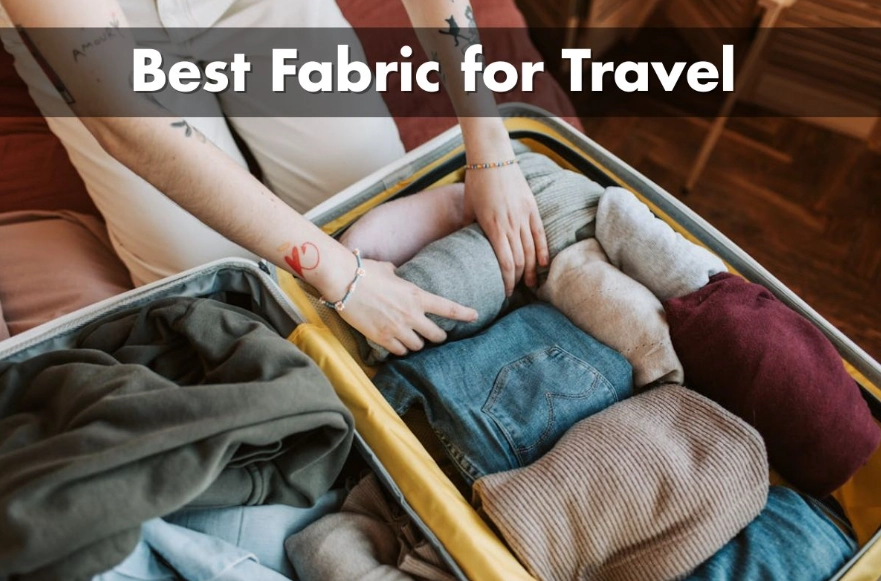
Your Fabric Journey at a Glance
Why Your Clothing Material is a Travel Game-Changer
Think of fabric as your clothing's operating system. A cotton T-shirt is like an old, heavy laptop—it does one basic job but drains your battery (comfort) quickly. A technical merino wool blend is like a sleek modern tablet—multifunctional, efficient, and adaptable. The right travel fabric directly tackles the core pains of being on the move.
Packing Efficiency: Bulky fabrics like standard cotton or thick denim are suitcase killers. They consume space and weight, forcing you to check a bag or live with a tiny wardrobe. Lightweight, compressible fabrics multiply your outfit options within the same carry-on.
Comfort Across Climates: Travel often means temperature swings—air-conditioned planes, humid streets, chilly evenings. Fabrics that manage moisture and provide thermal regulation keep you from constantly adding or shedding layers.
The Wrinkle War: Nothing screams "tourist" or undermines a professional appearance like a crumpled shirt. Some fabrics are naturally resistant to creasing, meaning you can live out of a backpack and still look pulled together.
Odor Resistance: The ability to re-wear items is the holy grail of packing light. Certain fabrics, due to their fiber structure, inhibit bacterial growth that causes smells. This means fewer items to pack and less time hunting for laundromats.
I once packed for a two-week European tour with mostly cotton. By day three, my bag was a disorganized, heavy mess of semi-dirty, wrinkled clothes. The next trip, I switched to a core of merino and technical synthetics. I carried half the weight, wore items multiple times, and never worried about wrinkles. The difference wasn't just convenient; it was liberating.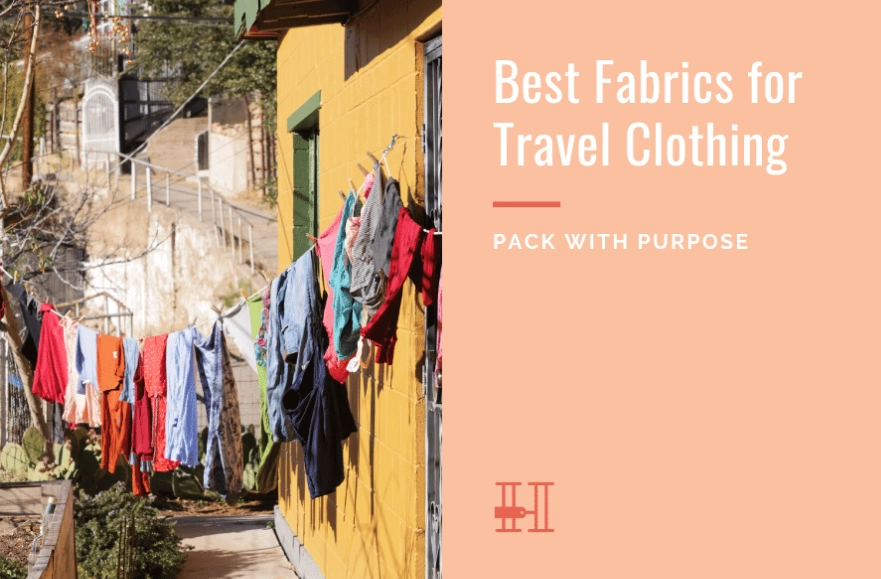
The Top Travel Fabrics and Their Superpowers
Here’s the breakdown of the elite performers. Don't just look for the fabric name on the tag—look for specific weaves and blends, as they make a huge difference.
| Fabric | Best For | Key Travel Benefits | Watch Out For |
|---|---|---|---|
| Merino Wool | Multi-day wear, temperature regulation, odor resistance. | Naturally antimicrobial, regulates temperature (warm when wet, cool in heat), soft, resists wrinkles. | Can be pricey, requires gentle washing (though many travel grades are machine washable). |
| Polyester (Technical Blends) | Fast-drying, lightweight packing, moisture-wicking. | Incredibly lightweight, durable, quick-dry, often wrinkle-resistant, affordable. | Low-quality polyester can feel clammy and develop permanent odors. Look for branded tech like Polygiene odor control. |
| Nylon | Durability, wind/light rain resistance, packability. | Strong, lightweight, dries quickly, often has a soft, comfortable finish in travel clothing. | Less breathable than polyester on its own, can be prone to static. |
| Tencel/Lyocell (from Eucalyptus) | Eco-conscious travel, hot weather, silky comfort. | Breathable, moisture-wicking, biodegradable, has a luxurious drape and is naturally wrinkle-resistant. | Can be slower to dry than synthetics, may require more careful ironing if a crisp look is needed. |
| Performance Blends (e.g., Wool/Poly, Tencel/Cotton) | Balancing comfort, function, and price. | Gets the best of both worlds—e.g., merino's odor control with polyester's durability and lower cost. | Check blend ratios. A 5% merino blend won't offer much benefit; aim for at least 30-40% of the "hero" fabric. |
Diving Deeper: Merino Wool for Travel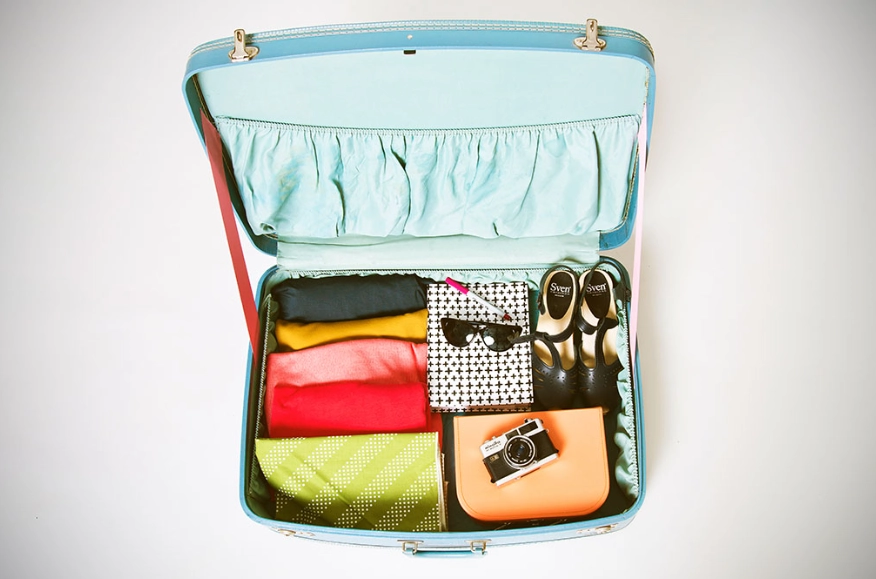
Merino is the undisputed champion for multi-purpose travel. Its magic lies in the fiber's structure, which can absorb moisture vapor without feeling wet and has a natural crimp that creates insulating air pockets. A 150-200 GSM (grams per square meter) weight is ideal for year-round base layers and shirts. For winter, layer it under something. The biggest perk? You can easily wear a merino T-shirt for 3-5 days without it developing odors, as confirmed by research into its natural antimicrobial properties. Brands like Icebreaker and Smartwool have built entire travel lines around it.
Diving Deeper: The Truth About Synthetic Fabrics
Polyester gets a bad rap, often deservedly so for cheap, shiny fast fashion. But high-quality, matte-finish travel polyester is a workhorse. The key is the treatment. Look for terms like "moisture-wicking," "odor-resistant treatment," and "wrinkle-free." Brands like Patagonia's Capilene line or Uniqlo's AIRism series engineer these fabrics specifically for performance. The downside? Some people find that over very long periods (weeks without proper washing), synthetic fibers can eventually hold onto body odor more permanently than natural fibers. The fix is to look for those integrated anti-odor technologies.
How to Choose Fabrics Based on Your Trip Type
Your destination and itinerary should dictate your fabric choices. Here’s a practical guide.
- Tencel or Lightweight Merino for button-down shirts and dresses. They drape well, resist wrinkles, and keep you cool.
- Performance Chinos: Look for pants made from a nylon-cotton blend or technical polyester with a "travel" or "tech" label. They look like regular chinos but stretch, dry fast, and resist stains.
- Avoid heavy denim. Instead, opt for stretch denim with a small percentage of elastane if you must have jeans—it makes a world of difference on walking tours.
- Merino Wool for base layers. It keeps you warm even when sweaty and damp.
- Nylon for outer layers like hiking pants and windbreakers. Its strength protects against abrasion.
- Fleece (Polyester): The classic mid-layer for insulation. It's lightweight, warm, and dries quickly.
- Your shell jacket should be a breathable, waterproof laminate like Gore-Tex (a membrane often sandwiched between nylon layers).
Beach & Tropical Trips: The enemy is humidity and salt. You need fabrics that breathe and dry in minutes. Quick-dry polyester or nylon for swim trunks, cover-ups, and shorts. Linen is breathable but wrinkles terribly and dries slowly—a linen blend with cotton or rayon is a better compromise. For sun protection, look for shirts with a UPF rating woven into the polyester or nylon fabric.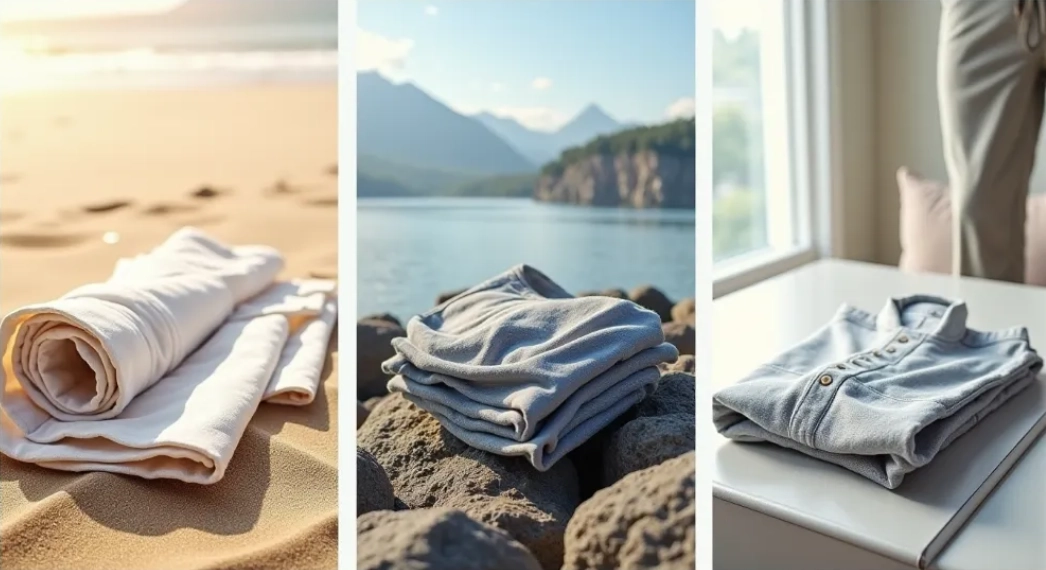
Business Travel: The non-negotiable is looking crisp with zero ironing. Modern performance wool blends (wool with a bit of nylon or polyester) are a savior. They offer the professional look and feel of wool with enhanced wrinkle resistance and durability. A microfiber polyester dress shirt can also work well, but test it first—some can look too shiny.
Pro Care and Packing Tips for Travel Fabrics
Owning the right fabric is half the battle. Treating it right on the road is the other half.
Washing on the Go: For merino and delicates, use a no-rinse wash like Soak or Eucalan. You just soak, squeeze, and air dry—no rinsing needed, perfect for a hotel sink. For synthetics, a quick hand wash with regular soap works, but ensure you rinse thoroughly to prevent odor-causing residue.
The Art of Drying: Roll items in a dry towel and press to remove excess water before hanging. This cuts drying time in half. Always air dry; the heat from dryers can damage technical coatings and shrink merino.
Packing to Prevent Wrinkles: The bundle wrapping method or simple rolling works better than folding for most travel fabrics. For a dress shirt or blouse that must be pristine, wear it on the plane or pack it on top of your bag in a dry cleaning bag—the plastic reduces friction that causes creases.
My personal routine: I pack a 20L dry bag. It's my portable washing machine. I add clothes, water, and a bit of soap, seal it, and agitate. It's efficient and contains the mess completely.
Your Travel Fabric Questions, Answered
Is 100% cotton really that bad for travel?
For extended travel or packing light, it's a liability. It absorbs moisture (sweat, rain) and holds it, taking forever to dry, which can lead to chafing and makes it heavy to pack. A damp cotton shirt in your bag can also mildew. For a short weekend trip where you're not re-wearing items, it's fine. But for serious travel, it's worth integrating better options.
I hate the feel of polyester. Are there any natural alternatives that dry quickly?
Absolutely. This is where Tencel/Lyocell shines. It's made from wood pulp, feels silky and natural against the skin, wicks moisture effectively, and dries reasonably fast. Merino wool also dries surprisingly quickly for a natural fiber. Also, look at linen-cotton blends—they dry faster than pure cotton and are more breathable than pure polyester.
 How can I tell if a "wrinkle-free" shirt will actually work for travel?
Don't just trust the tag. In the store, tightly fist a section of the fabric for 30 seconds, then release. See how quickly the creases fall out. If deep wrinkles remain, it won't survive being packed tightly. True travel-ready fabrics will spring back significantly. Also, fabrics with a slight stretch (2-4% elastane) often resist creasing better.
What's one underrated fabric for hot, humid travel?
Viscose from bamboo or rayon (when made sustainably) can be excellent. It's incredibly breathable, soft, and has good moisture-wicking properties. The catch is it can be delicate and slow to dry, so it's best for loose-fitting tops or dresses where durability isn't the primary concern. It's a great alternative to cotton in the heat.
Are there any fabrics I should completely avoid in my travel wardrobe?
I'd be very cautious with pure silk (delicate, stains with water, hard to care for), 100% linen (wrinkles instantly, though the look can be intentional), and heavy fabrics like velvet or corduroy. They are impractical, space-consuming, and difficult to maintain on the road. Save them for destination-specific events if you must.
The goal isn't to replace your entire wardrobe with technical gear. It's to build a smart travel core. Start with one merino wool T-shirt and one pair of quick-dry travel pants. Test them on a weekend trip. You'll notice the difference in your packing ease and comfort immediately. From there, you can build out a capsule wardrobe that lets you focus on the experience, not your suitcase. Your journey truly does start with the thread.