You just pulled your favorite modal t-shirt or those incredibly soft modal bed sheets out of the wash. The care tag is a bit faded, or maybe it just says "tumble dry low." You stand in front of the dryer, hesitating. Can modal fabric really go in there? I've been there. I once ruined a perfectly good modal blend sweater by assuming it was as tough as cotton. The answer isn't a simple yes or no—it's a "proceed with extreme caution." Let's cut to the chase: While some modal garments might survive a low-heat tumble, the absolute safest and most recommended method for preserving modal's luxurious feel and longevity is to air dry it flat. This guide will explain why, how to do it right if you must use a dryer, and how to care for modal so it stays soft for years.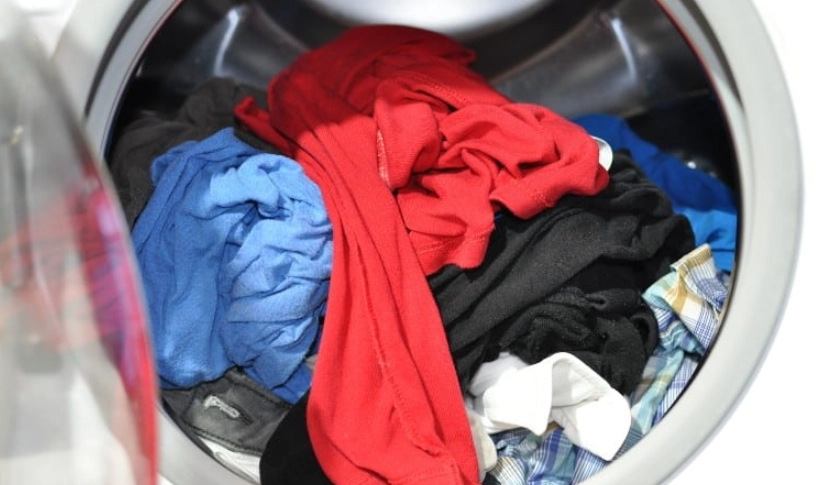
Quick Guide: What You'll Find Here
What is Modal Fabric, Really?
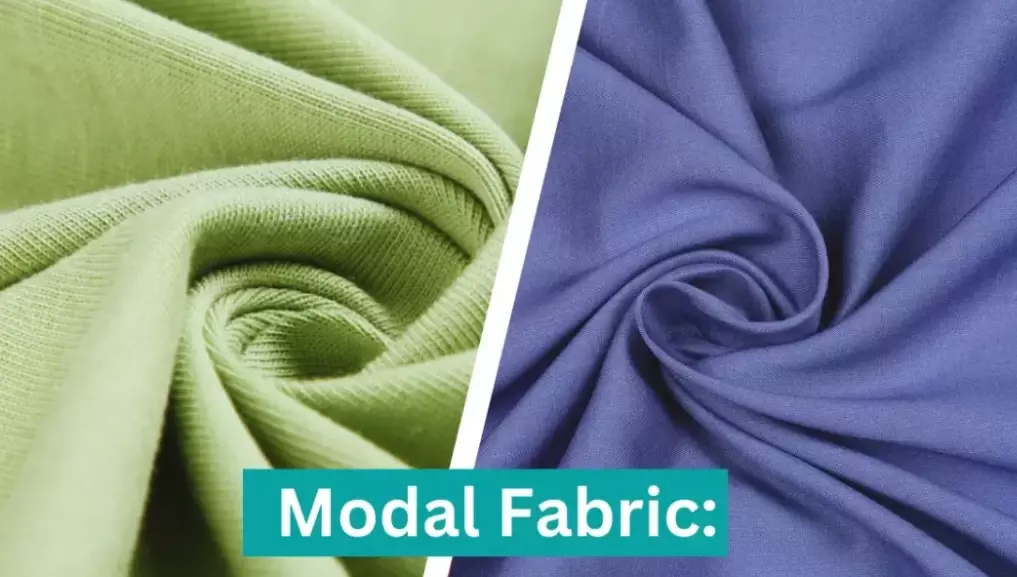
Before we talk machines, let's talk material. Modal is a type of rayon, but it's often marketed as a more premium, eco-friendly version. It's made from beech tree pulp, which is processed into a soft, silky fiber. Brands like Lenzing AG, a major producer, tout its sustainability credentials because beech trees regrow quickly. The result is a fabric known for being:
Extremely soft and smooth – often compared to silk or high-thread-count cotton.
Highly breathable and absorbent – it wicks moisture better than cotton, making it great for activewear and bedding.
Resistant to shrinkage and pilling – when cared for correctly.
Drapes beautifully – it has a lovely fluidity.
But here's the catch most websites gloss over: that same cellulose structure that makes it absorbent and soft is also its Achilles' heel. It's not a synthetic polymer like polyester; it's a regenerated natural fiber. Think of it as a refined, processed version of wood. And what does heat do to wood? It can make it brittle, warp it, and change its structure permanently.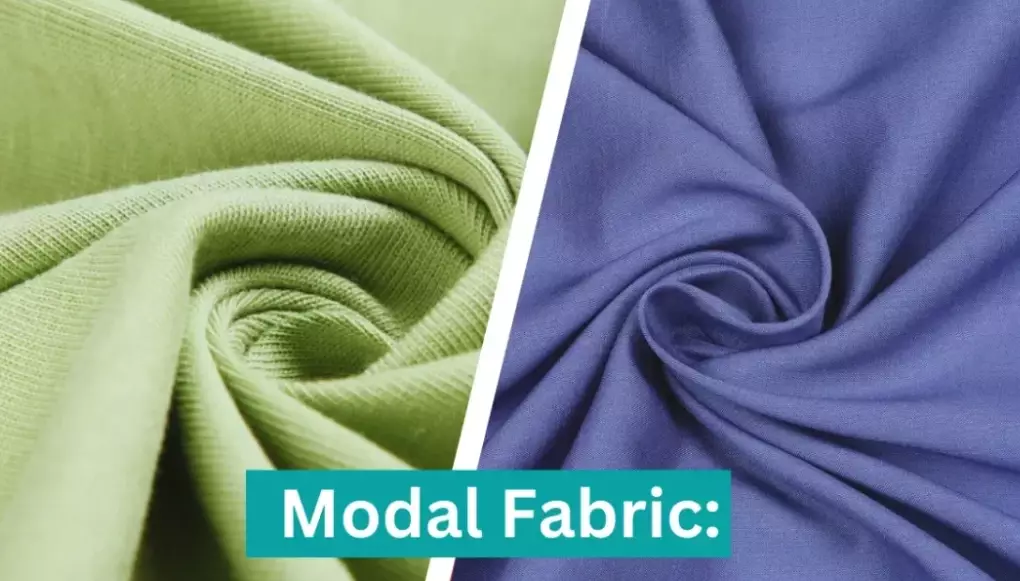
Pro Tip: Don't be fooled by the "eco-friendly" label into thinking it's indestructible. Modal requires more delicate care than conventional cotton, similar to how you'd treat wool or silk.
The Dryer Dilemma: Heat vs. Cellulose
So, can modal fabric go in the dryer? Technically, many care labels will say "tumble dry low." But that's a guideline for the most resilient modal garments, not a universal green light. The dryer is a harsh environment for any delicate fabric, and modal is no exception. Here’s what you’re risking:
1. Irreversible Shrinkage
This is the biggest fear, and it's valid. While modal is more shrink-resistant than regular rayon or cotton, high heat breaks down the hydrogen bonds in the cellulose fibers. Once they reform in a shrunken state as the garment cools, you can't stretch them back. That favorite t-shirt becomes a crop top.
2. Loss of Softness and Luster
Modal's signature feel comes from its long, smooth fibers. The tumbling action and heat of a dryer can roughen these fibers, making the fabric feel coarse and dull. It might start to feel more like a cheap towel than luxury bedding.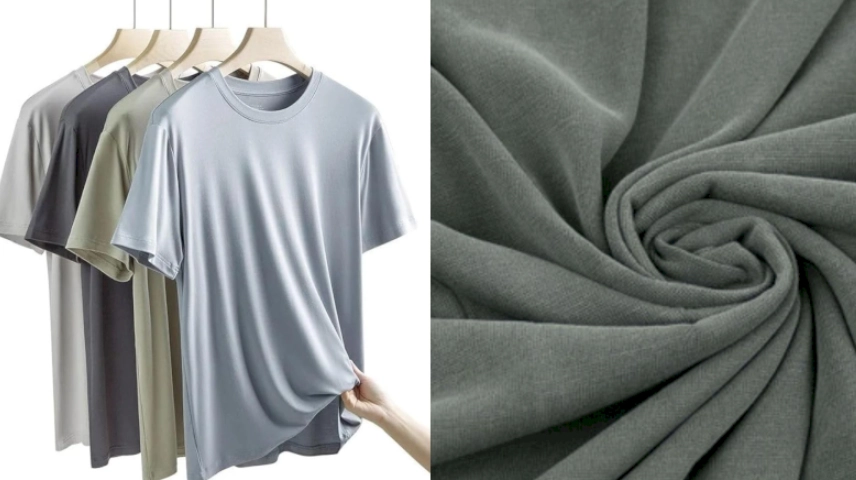
3. Weakening and Damage
Prolonged or repeated exposure to heat weakens the fibers. You might notice small holes, tears along seams, or the fabric becoming sheer in spots over time. I learned this the hard way with a set of modal pillowcases—they developed thin areas after a few too many "low heat" cycles.
The consensus among textile experts, like those from The International Association for Textile Care Labelling (GINETEX), is that air drying is always preferable for cellulosic fibers like modal to maintain their properties.
How to Dry Modal Fabric Properly (Step-by-Step)
Let's get practical. You have a wet modal item. Here is your decision tree and action plan.
The Gold Standard: Air Drying Flat
This is the method that guarantees no shrinkage and preserves softness.
Gently squeeze out excess water from the washed garment. Do not wring or twist it aggressively.
Lay the item flat on a clean, dry towel or a mesh drying rack. Shape it to its original dimensions.
Roll the towel with the garment inside to blot more moisture (optional).
Let it air dry away from direct sunlight or heat sources, which can cause fading or uneven drying.
Flip it over once halfway through to ensure even drying.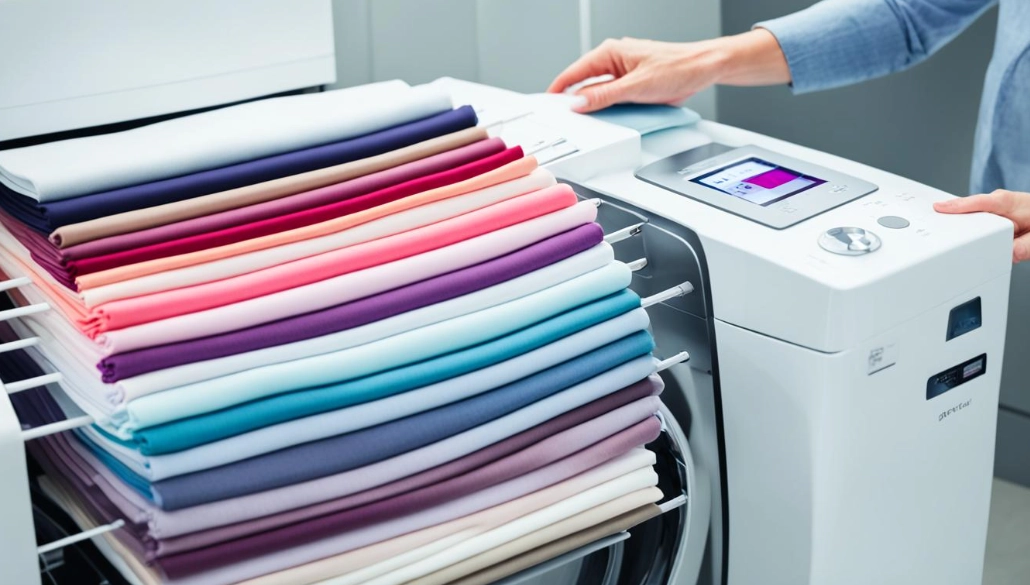
Common Mistake: Hanging modal items, especially heavy ones like sweaters or dresses, on a hanger or line. The weight of the water can stretch the fabric out of shape permanently, causing shoulders to develop points or the hem to droop. Always lay it flat.
The "If You Must" Dryer Method
If you're short on time and the care tag explicitly allows it, follow this protocol strictly.
Use the lowest heat setting possible. Many modern dryers have a "No Heat" or "Air Fluff" cycle. Use that. The goal is tumbling action, not heat.
Never use high or even medium heat. This is non-negotiable.
Put the modal item in the dryer by itself or with similar lightweight, delicate items. Don't throw it in with jeans or towels.
Set a timer for 10-15 minutes. You are not trying to dry it completely.
Remove the garment while it is still slightly damp to the touch.
Immediately lay it flat to finish drying, as described above. This final air-drying step reshapes the fibers and prevents the crispy, over-dried feeling.
Think of the dryer as a quick, gentle de-wrinkling and moisture-reduction step, not the primary drying tool.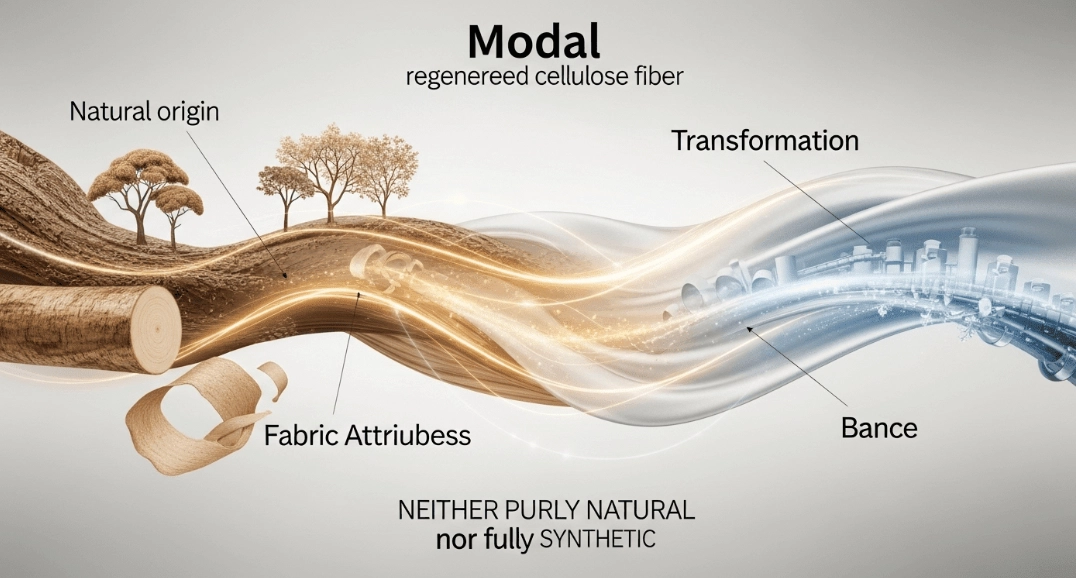
| Drying Method | Risk Level | Best For | Key Action |
|---|---|---|---|
| Air Dry Flat | None | All modal items, especially pure modal, lingerie, sweaters. | Preserves shape, softness, and size perfectly. |
| Air Fluff / No Heat Cycle | Low (if monitored) | Modal blends, items where wrinkles are a concern. | Remove while damp and finish flat. |
| Tumble Dry Low | Medium to High | Only if care tag insists. Sturdier modal blends. | Extremely short cycles only. High risk of damage over time. |
| Tumble Dry Any Higher Heat | Very High | None. Avoid completely. | Will likely cause shrinkage and damage. |
The Special Case of Modal Blends
Pure, 100% modal is rare. Most often, you'll find modal blended with other fibers to add strength, elasticity, or reduce cost. How you dry it depends heavily on the blend partner.
Modal + Cotton: Common in t-shirts and bedding. Cotton can handle more heat, but the modal component is still vulnerable. Stick to air drying or the cautious "air fluff + finish flat" method. The cotton might be fine, but the modal will suffer.
Modal + Spandex (Lycra): Very common in underwear, activewear, and fitted garments. This is critical: High heat is the enemy of spandex/elastane. It melts and degrades the elastic fibers. You must use no heat in the dryer or, better yet, air dry. Heat will ruin the stretch and shape of the garment permanently.
Modal + Polyester: Polyester is durable and heat-tolerant. This blend is more forgiving, but the modal can still lose its softness. A low heat cycle is safer here than with other blends, but air drying is still superior for feel.
Your first step should always be to check the care label. But if the label is missing, assume the most delicate fiber in the blend dictates the care rules. When in doubt, air dry.
Your Modal Fabric Care Checklist
Drying is just one part of the story. To keep modal looking and feeling its best, integrate these practices from wash to wear.
Washing: Use cold water on a gentle or delicate cycle. Hot water can cause just as much shrinkage as the dryer. Turn garments inside out to protect the surface. Use a mild, liquid detergent. Avoid bleach and fabric softeners—softeners coat the fibers, reducing their natural absorbency and softness.
Ironing (if needed): Modal can wrinkle. Use a low heat setting on your iron, and always iron the garment inside out or use a pressing cloth. A steamer is an even better, gentler option.
Storage: Store modal items folded, not hung, to prevent stretching. Keep them in a cool, dry place.
Following this holistic care routine means your modal sheets will stay buttery-soft for years, and your modal t-shirts won't turn into belly tops after a few washes.
Your Modal Drying Questions, Answered
 What's the one mistake people make when air-drying modal that ruins the shape?