Choosing a rug isn't just about color and pattern. The material it's made from dictates everything: how it feels underfoot, how long it lasts, how much of a nightmare it is to clean, and frankly, how much you'll spend. Get the material wrong, and that beautiful rug under your coffee table could become a source of constant frustration. I've seen it happen—a gorgeous, high-pile wool rug in a family room with a toddler and a dog. It was a magnet for spills and needed professional cleaning within a year. The right material aligns with your lifestyle, not just your Pinterest board. Let's cut through the marketing jargon and look at what each rug material really offers.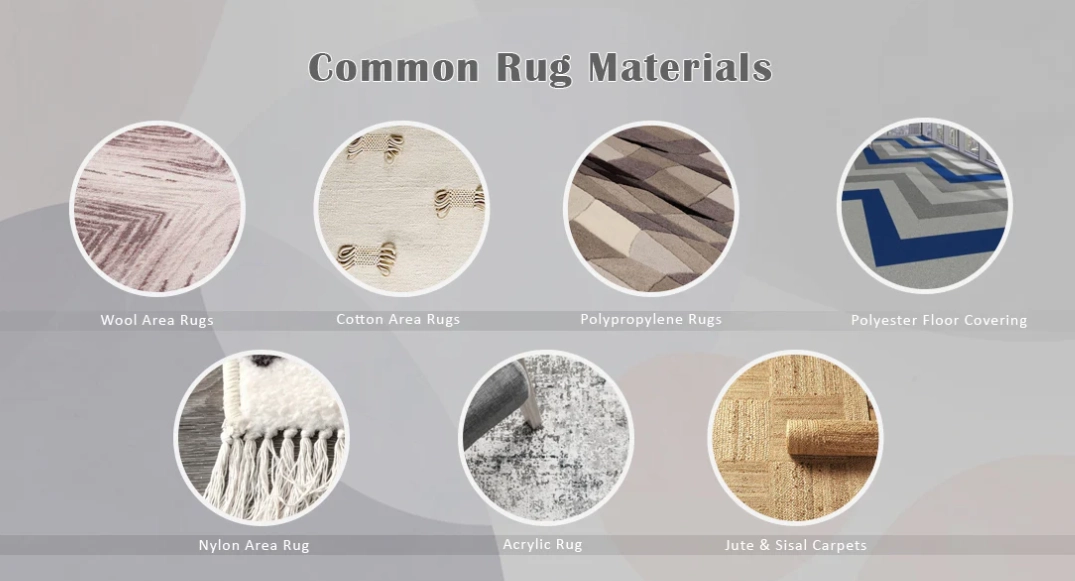
Your Quick Navigation Guide
What is Wool and Why is it a Classic Choice?
Wool is the gold standard, the material against which all others are measured. It comes from sheep (primarily), and its natural structure gives it unique properties. Wool fibers have a scaly outer layer and can bend up to 30,000 times without breaking, which is why a good wool rug can last for decades—I've inherited one that's older than I am and still looks fantastic.
The Undeniable Advantages of Wool
Its resilience is legendary. It springs back from furniture indentations. It's naturally soil and stain-resistant because of lanolin (a wax present in the fiber). Spill some red wine? You have a critical window to blot it up before it sets, but wool is more forgiving than many synthetics. It's also a fantastic insulator, both for temperature and sound. Nothing feels quite as luxuriously soft and warm under bare feet on a cold morning.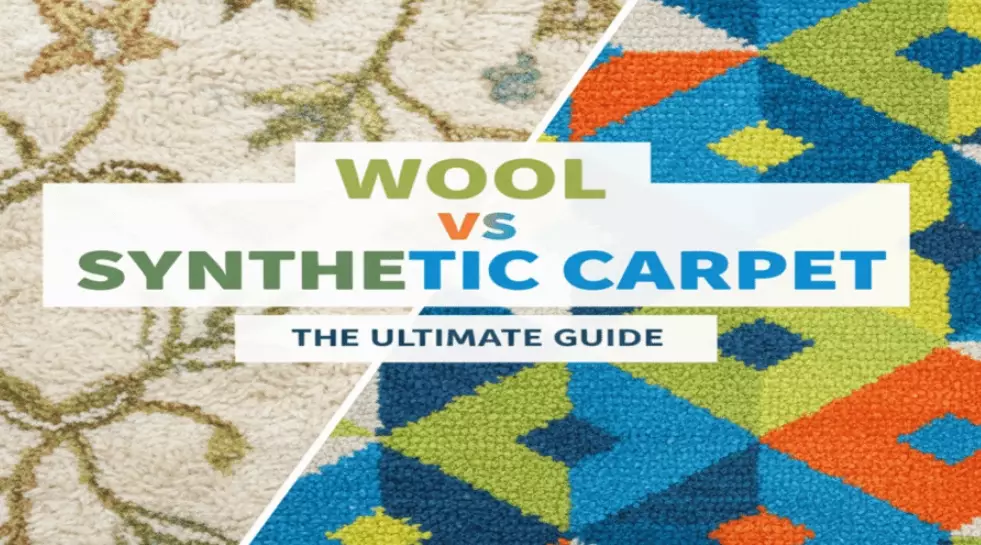
The Real Downsides (They're Not Always Mentioned)
Cost is the big one. A hand-knotted wool rug is an investment. It can also fade in direct, strong sunlight over time. Some people are sensitive to the feel of wool, finding it slightly itchy. The biggest practical issue? It can be a target for moths if stored improperly in a damp, dark place. You need to care for it.
Is it worth it? For low-to-medium traffic areas like bedrooms, living rooms (without major pet/kid chaos), and home offices, absolutely. It adds unparalleled comfort and value.
Synthetic Rug Materials: Nylon, Polyester, and Polypropylene
This is where technology meets practicality. Synthetic fibers are engineered in labs, which means their properties can be finely tuned. They're the champions of durability, stain resistance, and budget-friendliness. Don't dismiss them as "cheap"—high-quality synthetics can perform miracles in tough spots.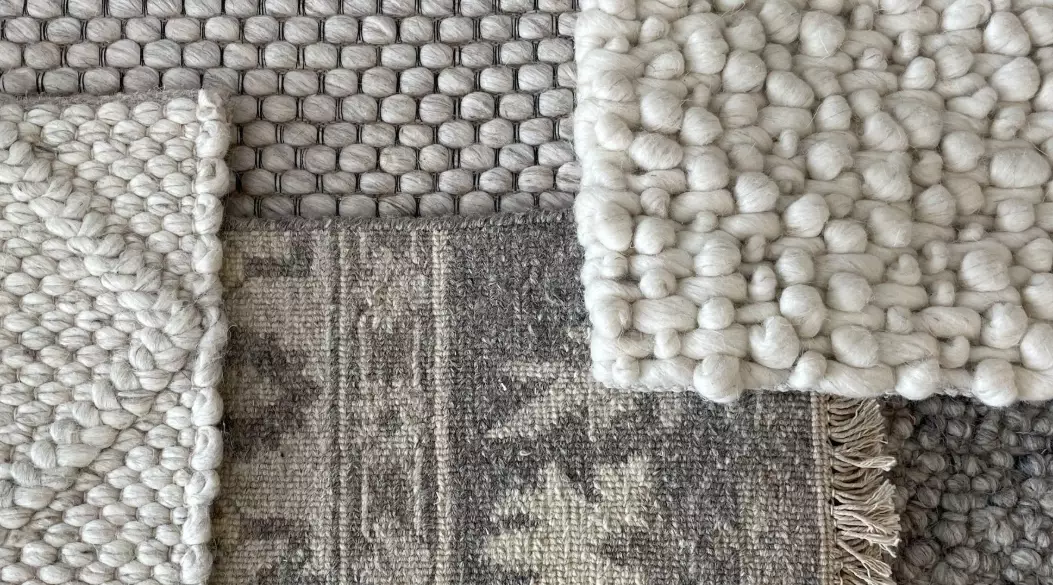
Nylon: The Durability King
If you need a rug for a hallway, playroom, or any high-traffic area, nylon should be your first stop. It has exceptional resilience and abrasion resistance. Modern solution-dyed nylon (where color is added during the fiber creation, not after) offers incredible fade resistance and stain protection. It's often treated with stain-resistant coatings like Stainmaster. I'd pick a good nylon rug over a cheap wool one for a busy family entryway any day.
Polyester: The Color and Stain Champion
Polyester excels at holding vibrant, fade-resistant colors. It's inherently more stain-resistant than nylon because it's less absorbent (think of a polyester shirt versus a cotton one). It's also usually softer to the touch than nylon. The catch? It's not as resilient. It can crush and mat down in high-traffic areas, and those furniture dents might become permanent. Great for a stylish, low-traffic living room where you want a pop of color without the wool price tag.
Polypropylene (Olefin): The Moisture Warrior
This is the go-to for indoor/outdoor rugs, basements, and bathrooms. Polypropylene is virtually impervious to water and moisture—it won't rot or mildew. It's also highly stain-resistant and very affordable. The downside? It feels plastic-like (because it is). It's not soft or warm, and it can be prone to fading in direct sun (though UV-stabilized versions help). It's a functional choice, not a luxurious one.
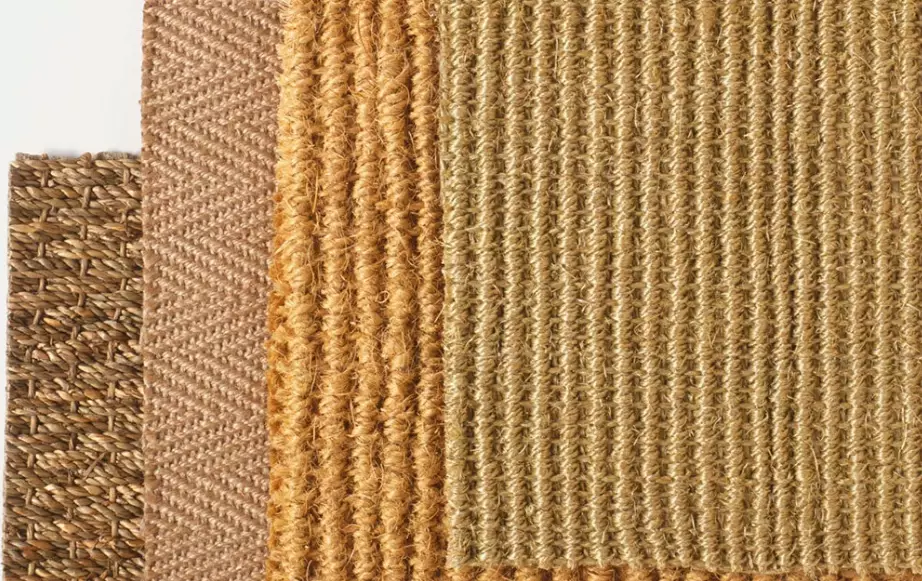
Natural Plant Fibers: Jute, Sisal, Seagrass & More
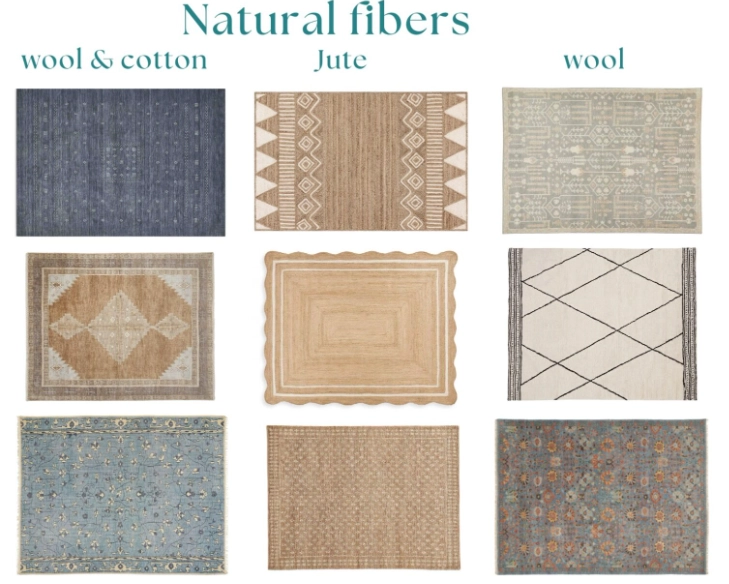
These bring a raw, organic, textural vibe that's incredibly popular in modern and coastal interiors. They're made from renewable plants, which is a big plus for eco-conscious buyers.
- Jute: Softest of the bunch, with a lovely golden hue. It adds warmth but is not very durable or stain-resistant. Keep it in low-traffic, dry areas.
- Sisal: Extremely tough and durable, perfect for hallways and stairs. But it's coarse and can be rough on bare feet. Spills are a problem—they can leave permanent stains or watermarks.
- Seagrass: Naturally water-resistant and smooth, making it easier to clean than sisal or jute. It has a consistent, cool color. It's durable but can be slippery.
Blended Materials: The Best of Both Worlds?
Blends are common, especially wool-nylon mixes. The idea is to combine wool's natural feel and luxury with nylon's durability and lower cost. A 80% wool/20% nylon blend will feel mostly like wool but will withstand wear a bit better. Conversely, a synthetic blend with a bit of wool can improve the hand-feel. It's a smart compromise, but read the labels. A "wool blend" with only 10% wool isn't giving you many wool benefits.
How to Choose the Right Rug Material for Your Space
Stop thinking about materials in a vacuum. Match them to the room's reality. Ask yourself three questions: 1) What happens here? (Traffic, spills, pets), 2) What do I want to feel? (Cozy, cool, easy-clean), 3) What's my budget?
| Material | Best For | Avoid In | Cleaning Difficulty | Price Range |
|---|---|---|---|---|
| Wool | Living rooms, bedrooms, home offices (medium traffic) | High-moisture areas (bathrooms, basements), homes with severe moth issues | Medium (professional cleaning recommended for deep stains) | $$$ - $$$$ |
| Nylon | Hallways, kids' rooms, playrooms, entryways (high traffic) | Places where ultimate luxury feel is the only goal | Easy (often stain-treated, many home-cleanable) | $ - $$ |
| Polyester | Low-traffic living areas, bedrooms (where softness & color are key) | Under heavy furniture or in main walkways (crushes easily) | Very Easy (excellent stain release) | $ - $$ |
| Polypropylene | Patios, basements, bathrooms, kitchens, high-spill zones | Bedrooms or any area where you want plush, warm comfort | Very Easy (wipeable, hose-it-down easy) | $ |
| Jute/Sisal | Dining rooms, sunrooms, layered looks (low-moisture, med traffic) | Bathrooms, kitchens, kids' rooms (stain magnets) | Hard (spot clean only, prone to watermarks) | $$ - $$$ |
A friend ignored this and put a beautiful sisal rug in her eat-in kitchen. One spaghetti dinner later, she had a permanent tomato-sauce map of Italy on it. Lesson learned the hard way.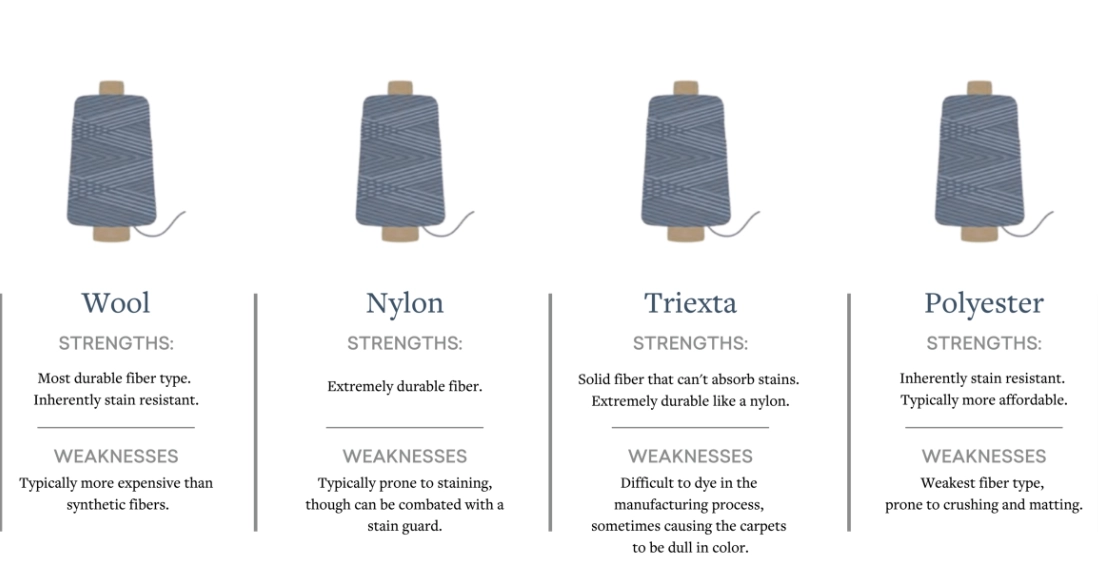
Your Rug Material Questions, Answered
 Why does my new polypropylene rug feel stiff and smell a bit plastic-like?