You've felt it. That silky, drapey blouse that feels like a dream against your skin. Or maybe that lightweight summer dress that flows perfectly but turned into a wrinkled mess after its first wash. Chances are, you were dealing with rayon fabric. It's everywhere – from fast fashion to high-end labels – but what exactly is it? And more importantly, how do you stop it from shrinking, pilling, or losing its shape? Let's cut through the marketing fluff and get real about rayon.
What You'll Learn in This Guide
What Is Rayon Fabric Really?
Here's the thing most articles get wrong: rayon isn't synthetic like polyester. It's not natural like cotton either. It sits in this weird, fascinating middle ground called a semi-synthetic or regenerated cellulose fiber.
Think of it this way. The raw material is natural – usually wood pulp from trees like beech, pine, or eucalyptus (sometimes bamboo or cotton linters). But to turn that solid wood into a soft thread, it goes through a heavy chemical process. The wood pulp is dissolved using chemicals like sodium hydroxide and carbon disulfide to create a viscous solution (hence the name "viscose rayon"). This goo is then forced through tiny holes (spinnerets) into an acid bath, where it solidifies into filaments that are spun into yarn.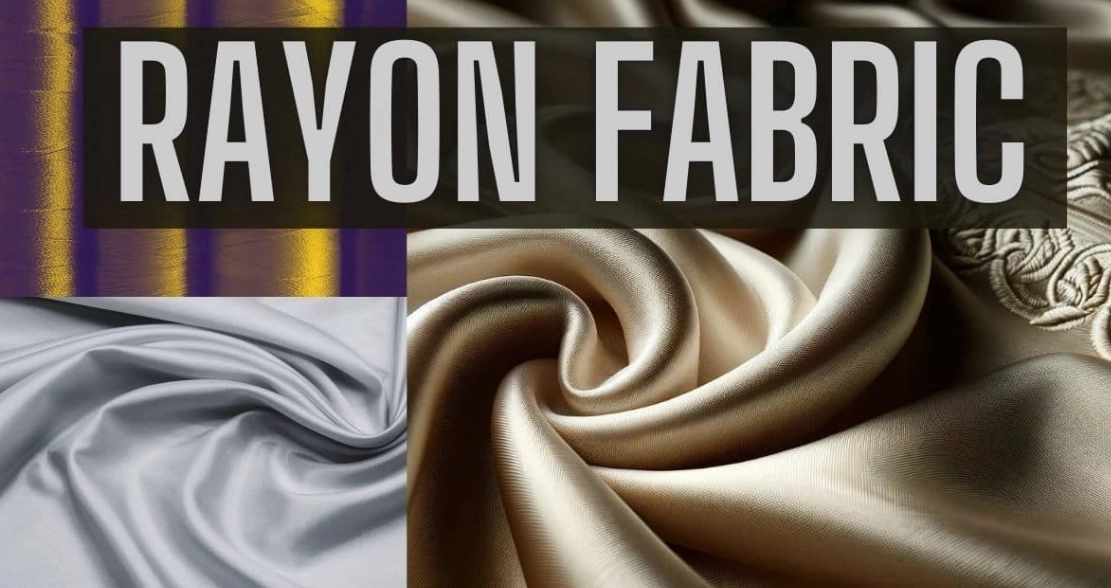
I remember buying a "bamboo" bedsheet set years ago, thrilled by the eco-marketing. It felt incredible. Later, I learned it was just rayon made from bamboo pulp. The label wasn't lying, but it wasn't telling the whole story either. That experience taught me to always look beyond the front tag.
The Good, The Bad, and The Wrinkly: Rayon's Pros and Cons
Rayon is a fabric of contradictions. Here’s a no-nonsense breakdown.
Why People Love Rayon (The Pros)
Breathability and Comfort: This is its superpower. Rayon absorbs moisture well, making it cooler to wear in heat than most synthetics. It doesn't stick to your skin like polyester can.
Drapability: Few fabrics drape and flow as beautifully as rayon. It has a fluid, elegant fall that designers adore for skirts, dresses, and blouses.
Softness and Sheen: It often has a soft, sometimes silky handfeel and a subtle luster that reads as more luxurious than basic cotton.
Versatility: It can be made to mimic the look and feel of silk, cotton, linen, or wool. You can find crisp rayon challis, smooth rayon crepe, or linen-like rayon blends.
Dyeability: Rayon takes dye brilliantly, resulting in deep, vibrant colors that don't easily fade from sunlight (though they might from washing).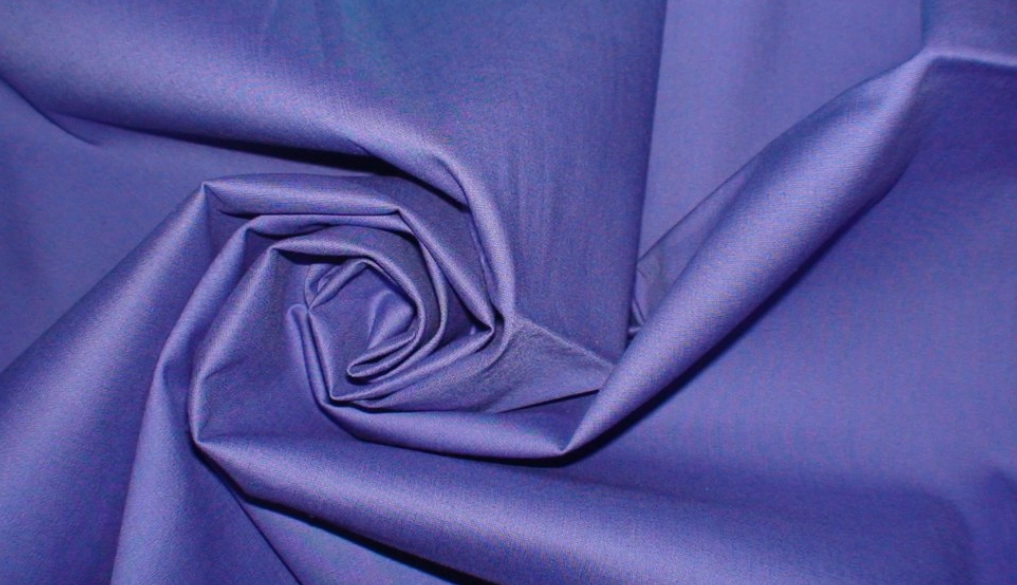
Why People Get Frustrated with Rayon (The Cons)
Durability Issues: Rayon is weakest when wet. That beautiful drape can turn into a stretched-out, misshapen mess if you hang a heavy, water-logged rayon dress. It's also prone to pilling and abrasion, especially in high-friction areas like underarms.
Wrinkling: Oh, the wrinkles. Rayon wrinkles easily, and the wrinkles can be stubborn. You'll almost always need to steam or iron it after washing.
Care Intensive: This is the big one. That "Dry Clean Only" tag on your favorite rayon piece? There's often a good reason. Many rayons shrink dramatically, lose their finish, or become stiff if washed incorrectly. We'll dive into care specifics later.
Environmental Gray Area: While derived from renewable trees, the chemical process (for viscose) can involve toxic chemicals. The good news? Newer, closed-loop processes like TENCEL™ Lyocell have largely solved this. Always check the specific type.
Not All Rayon Is Created Equal: Viscose, Modal, Lyocell
"Rayon" is the umbrella term. Under it, you have different processes that create distinct fabrics. Knowing the difference changes how you shop and care for items.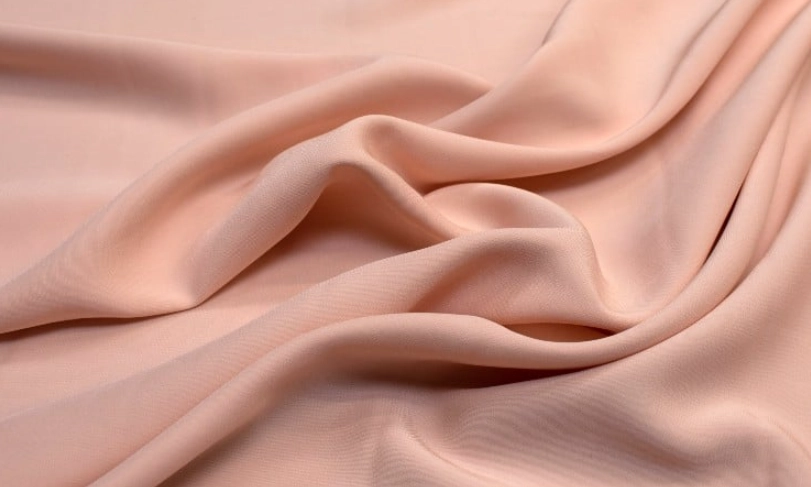
| Type | Key Characteristics | Common Uses & Feel | Care & Durability Notes |
|---|---|---|---|
| Viscose Rayon | The original and most common. Made via the traditional chemical process. | Blouses, dresses, linings. Can feel silky or slightly crisp. Drapes beautifully. | Most prone to shrinking and weakening when wet. Often requires dry cleaning or very gentle hand wash. |
| Modal | Made from beechwood pulp. Uses a modified, slightly more eco-friendly process than standard viscose. | Underwear, pajamas, t-shirts, bed sheets. Known for exceptional softness and breathability. | Generally more durable and colorfast than viscose. Can often handle machine washing on delicate (check the label!). |
| Lyocell (TENCEL™) | The most modern and sustainable. Uses a non-toxic solvent in a closed-loop system (recycles 99%+ of the solvent). | Everything from jeans to dresses to activewear. Has a smooth, cool, slightly heavier feel. Resists wrinkles well. | Very strong, even when wet. Less prone to shrinking. Usually machine washable. The most eco-friendly option. |
| Cupro ("Cupra") | Made from cotton linter waste. Uses a copper-ammonia solution. | Often used as a silk alternative for linings and lightweight garments. Has a beautiful, fluid drape. | Delicate. Almost always "Dry Clean Only" due to its fine filaments and potential to lose shape. |
See the pattern? As you move from viscose to lyocell, you generally get better durability, easier care, and a smaller environmental footprint. When shopping, a label that says "TENCEL™ Lyocell" is giving you more information—and often a better product—than one that just says "Rayon."
Where You'll Find Rayon: Common Uses and Garments
Rayon isn't just for flowy tops. Its chameleon-like nature lets it pop up in surprising places.
Apparel You Probably Own:
- Blouses and Button-Downs: That silky, drapey work blouse? Likely rayon or a rayon blend.
- Summer Dresses and Skirts: Its breathability and drape make it ideal for warm-weather styles.
- Lining Fabric: Many jackets and coats use a slippery rayon (like Bemberg® cupro) for lining because it's smooth and helps the garment slide on easily.
- Activewear and Leggings: Blended with spandex, modal and lyocell are popular for their softness and moisture-wicking properties.
- Knitwear: You'll find rayon in lightweight sweaters and cardigans, often blended with cotton or acrylic.
In Your Home:
- Bedding: Modal is famous for "bamboo" sheets (which are actually modal rayon). They're cool, soft, and breathable.
- Towels and Robes: Again, modal's high absorbency makes it a contender here.
- Upholstery and Curtains: Heavier rayon blends can be used for drapery that needs to fall in soft folds.
The Non-Negotiable Rayon Care Guide
This is where I save you from heartbreak. Follow these steps, and your rayon pieces will last seasons longer.
Step 1: Read the Damn Label. I can't stress this enough. If it says "Dry Clean Only," there's usually a reason. The fabric may be unstable, the dyes may run, or the garment's construction (like interfacing) may not survive water. If you're determined to wash it, do a spot test first.
Step 2: The Hand Wash Method (Safest Bet). Fill a basin with cold water. Add a gentle detergent like Woolite or a dedicated delicate wash. Submerge the garment and gently agitate it for a few minutes. Don't soak for hours. Don't wring or twist. Rinse thoroughly in cold water.
Step 3: Drying is Critical. This is where most damage occurs. Never, ever put rayon in the dryer on a heat setting. The combination of heat, moisture, and tumbling is a death sentence. Here's what to do instead: Gently press excess water out by rolling the garment in a clean, dry towel. Then, lay it flat on a drying rack or another dry towel, reshaping it to its original dimensions. Smooth out wrinkles with your hands. Let it air dry completely away from direct sunlight or heat sources.
Step 4: Ironing and Steaming. Rayon often needs a touch-up. Always iron rayon while it's slightly damp or use a steamer. Set your iron to a low or synthetic heat setting. Too hot, and it will scorch or develop a weird shine. Iron on the reverse side or use a pressing cloth to protect the surface.
What about the washing machine? For sturdier rayons like some modals or lyocells, the label may permit a machine wash. If so: - Use a delicate, cold water cycle. - Place the item in a mesh laundry bag. - Use a mild detergent. - Remove immediately after the cycle ends and proceed to the flat-dry method above.
Your Rayon Questions, Answered
 Is rayon or cotton better for a hot climate?
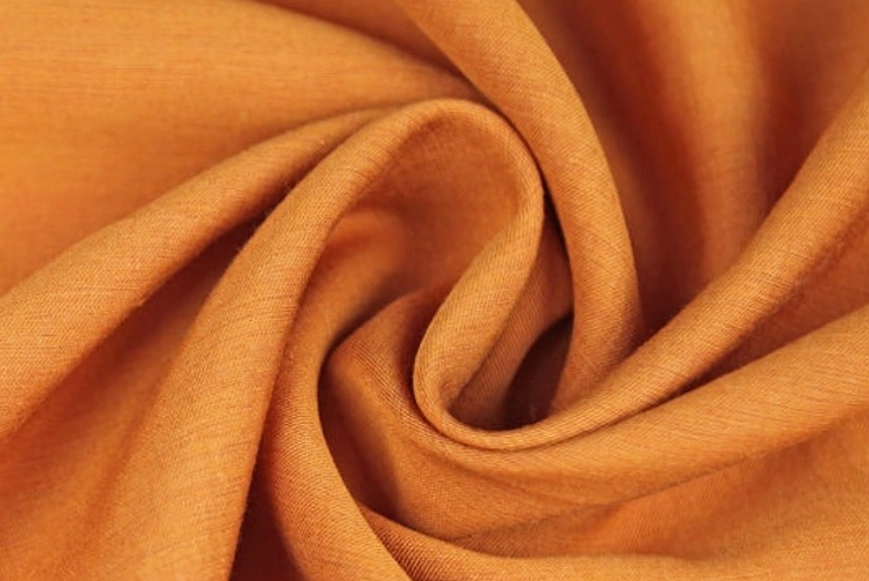 Rayon fabric isn't a simple yes or no. It's a "yes, if..." If you understand its quirks, if you commit to its care, and if you choose the right type for your needs. It offers a unique combination of comfort, drape, and beauty that's hard to replicate. Treat it with a little knowledge and patience, and it will reward you with years of graceful wear. Just keep that iron—and your patience—handy.