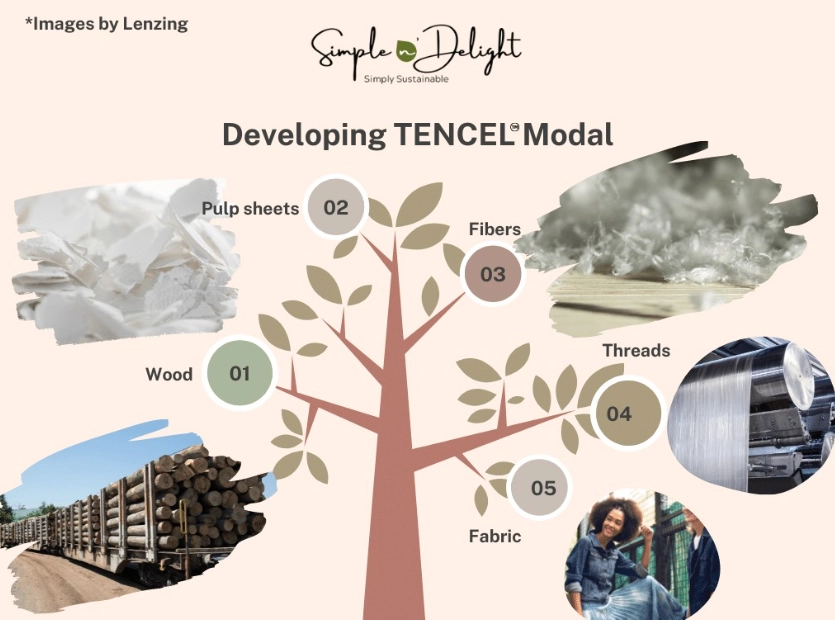
Let's cut straight to the point. Tencel Modal fabric is made from beech tree pulp. Not cotton, not plastic, but wood. Specifically, it comes from the cellulose found in the wood of sustainably harvested beech trees. The name "Tencel" is the brand name owned by the Austrian company Lenzing AG for their lyocell and modal fibers, so when you see "Tencel Modal," you're looking at Lenzing's specific, high-quality version of modal fabric. The core process involves dissolving the wood pulp, pushing it through tiny holes (spinnerets) to form fibers, and then spinning those fibers into yarn. But that simple description sells short the fascinating and eco-conscious engineering behind it. The real story isn't just the "what"—it's the "how" that makes this fabric a standout in your closet.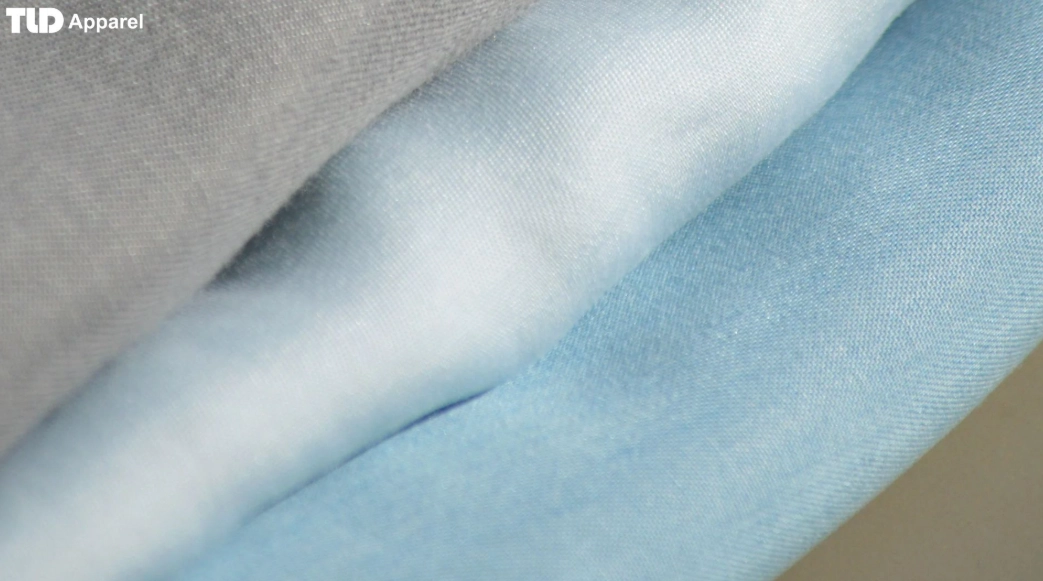
What You'll Learn in This Guide
- The Raw Material: It All Starts With a Tree
- From Pulp to Fabric: The Manufacturing Process Explained
- Modal vs. Lyocell: What's the Actual Difference?
- Why It Feels So Good: Key Properties of Tencel Modal
- Tencel Modal vs. Cotton vs. Viscose: A Side-by-Side Look
- How to Care for Your Tencel Modal Clothes
- Your Tencel Modal Questions, Answered
The Raw Material: It All Starts With a Tree
Think of the beech trees used for Tencel Modal as the starting point of a very efficient supply chain. These aren't old-growth forests being clear-cut. Lenzing sources wood from sustainably managed forests, primarily in Europe, that are certified by organizations like FSC (Forest Stewardship Council) or PEFC (Programme for the Endorsement of Forest Certification). This means trees are replanted, and the ecosystem is maintained.
The choice of beech wood isn't random. Beech trees grow relatively quickly without needing irrigation or pesticides, making them a low-impact raw material. The wood is chipped into tiny pieces, and the cellulose—the natural polymer that gives plants their structure—is extracted. This cellulose is the fundamental building block. It's a renewable resource, which is the first major checkpoint in Tencel Modal's eco-credentials. You're literally wearing processed tree.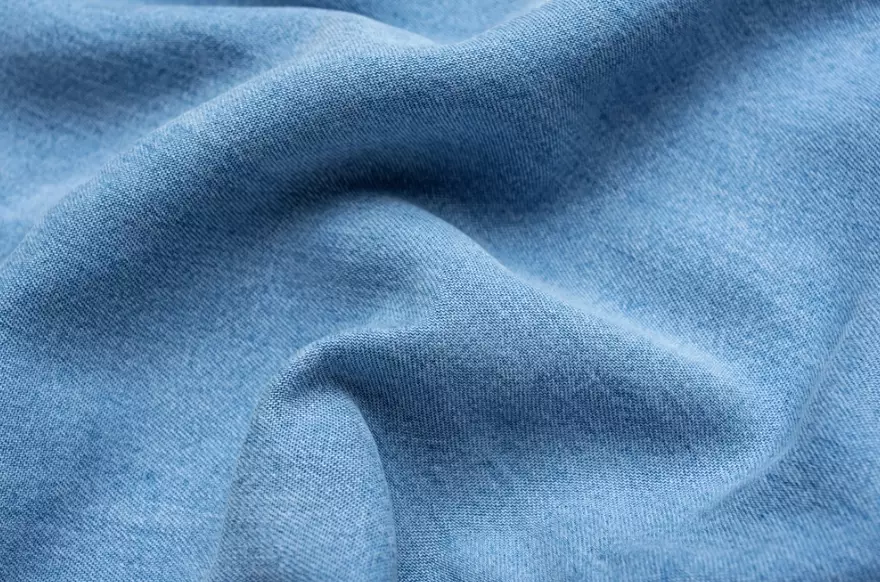
From Pulp to Fabric: The Manufacturing Process Explained
Here's where the magic—and the significant environmental advantage—happens. Turning wood chips into wearable fiber is a chemical process, but Tencel's method is a closed-loop system.
Step 1: Creating the "Dope"
The purified beech wood cellulose is dissolved in a non-toxic organic solvent called N-Methylmorpholine N-oxide (NMMO). This creates a thick, honey-like solution called "dope." Unlike the process for making conventional viscose rayon, which uses carbon disulfide (a more harmful chemical), the NMMO process is much safer and more efficiently managed.
Step 2: Spinning the Fibers
The dope is forced through a showerhead-like device called a spinneret, forming thin filaments. These filaments are then submerged in a bath of diluted NMMO, which causes the cellulose to solidify into continuous fibers. This is the "wet spinning" process.
Step 3: The Closed-Loop Difference
This is the critical part. Over 99% of the NMMO solvent is recovered, purified, and reused in the next production cycle. This closed-loop system, pioneered by Lenzing, drastically reduces waste and chemical emissions. It's a core reason why Tencel fibers carry strong environmental certifications like the EU Ecolabel. The water used is also extensively cleaned and recycled. After spinning, the fibers are washed, dried, and cut into staple lengths ready to be spun into yarn.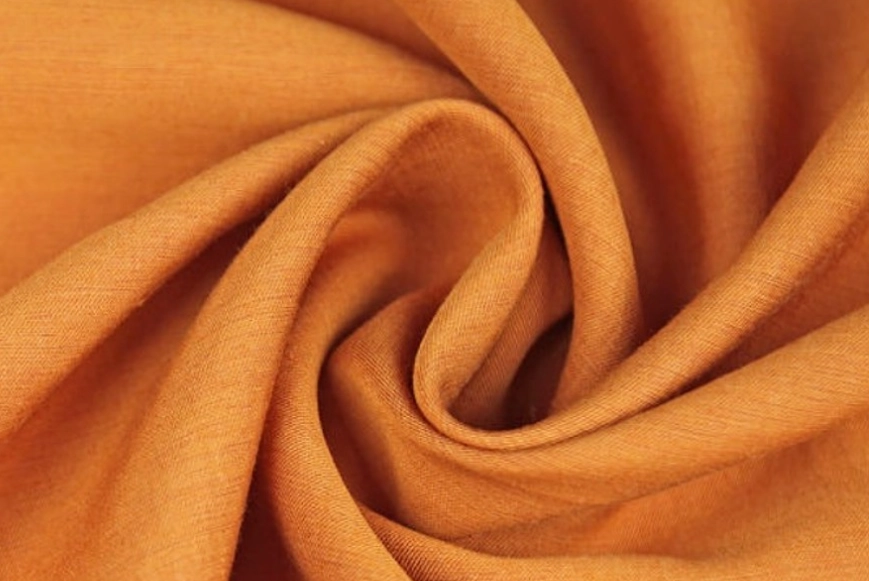
Modal vs. Lyocell: What's the Actual Difference?
This trips up a lot of people, even in the industry. Both Tencel Modal and Tencel Lyocell are made by Lenzing using the NMMO solvent process. The difference lies in the fiber's tenacity and molecular structure.
Think of the cellulose polymer chains in the fiber. During the manufacturing of Modal, the process conditions are tuned to allow these chains to align and bond more when the fiber is wet. This gives Modal a higher "wet modulus"—meaning it stays stronger and more stable when soaked. Lyocell fibers are also strong, but their production is optimized for a different balance of properties.
In your hand, Modal feels exceptionally soft and drapey with a smooth, almost silky surface. It's the go-to for lingerie, underwear, and soft loungewear. Lyocell often has a slightly more textured, linen-like or soft denim feel and is known for its exceptional strength, making it great for denim, shirts, and more structured garments. Both are fantastic, but they're engineered for slightly different tactile experiences.
Why It Feels So Good: Key Properties of Tencel Modal
So you know what it's made of and how. But why does that matter when you put it on?
Breathability and Moisture-Wicking: The fibers have a smooth surface and excellent moisture absorption—about 50% more than cotton. It pulls sweat away from your skin and releases it into the air, keeping you dry. This is a game-changer for sleepwear and activewear.
Incredible Softness: That beech wood cellulose creates fibers that are naturally smooth and round in cross-section. There are no rough scales like on wool or coarse natural imperfections. The result is a luxuriously soft hand-feel that often gets softer with each wash.
Color Retention: The fibers accept dye beautifully and hold onto color vibrantly, resisting fading better than cotton. Your dark modal t-shirts will stay darker for longer.
Durability and Shrink Resistance: Thanks to that high wet strength, it holds its shape well. You won't get the dramatic shrinkage or pilling you often see with cheap cotton.
The downside? It can be prone to wrinkling, though not as badly as linen. And while strong, very thin modal weaves can be delicate against sharp objects.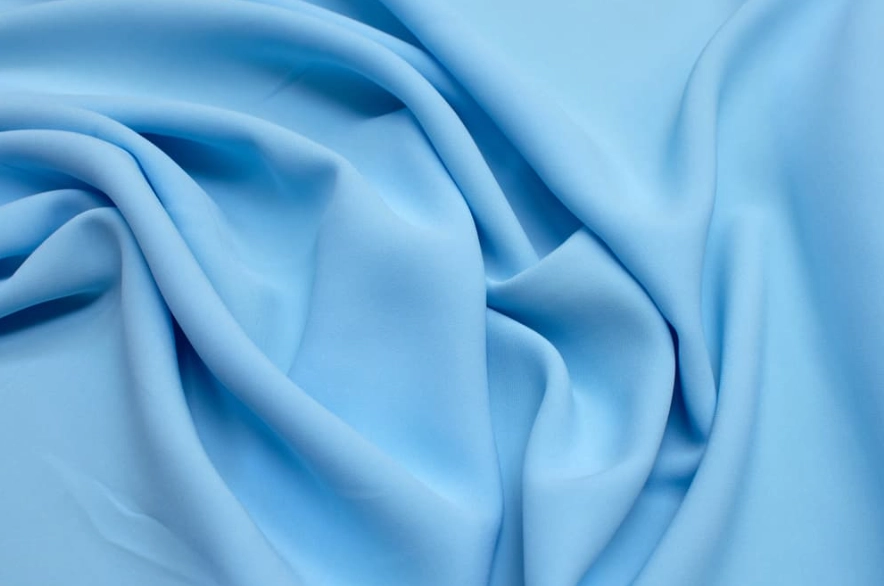
Tencel Modal vs. Cotton vs. Viscose: A Side-by-Side Look
Let's get practical. How does it stack up against the fabrics you know? This table breaks it down.
| Feature | Tencel Modal | Cotton (Conventional) | Viscose Rayon (Standard) |
|---|---|---|---|
| Raw Material | Sustainable Beech Wood | Cotton Plant (high water use) | Wood Pulp (often unspecified) |
| Softness | Exceptionally soft, silky feel | Soft (can be coarse if low-quality) | Very soft, but can feel slippery |
| Breathability | Excellent | Good | Good, but can feel clammy |
| Moisture Wicking | Superior - absorbs & releases quickly | Absorbs but dries slowly | Absorbs well, but holds moisture |
| Environmental Impact | Low (closed-loop, sustainable forestry) | High (water, pesticides for conventional) | Moderate to High (chemical-intensive open process) |
| Durability (When Wet) | Remains strong | Weakens significantly | Becomes very weak and fragile |
| Typical Uses | Underwear, sleepwear, premium t-shirts, loungewear | Everyday wear, denim, towels | Blouses, dresses, linings, fast fashion |
Looking at this, it's clear Tencel Modal isn't just a minor upgrade. For moisture management and sustainable credentials, it outperforms. It's more durable than viscose when you're sweating or washing it. It's a smarter choice than conventional cotton if you're mindful of water and chemical use.
How to Care for Your Tencel Modal Clothes
Treat it well, and it'll last for years. I've ruined a modal sweater by being careless, so learn from my mistake.
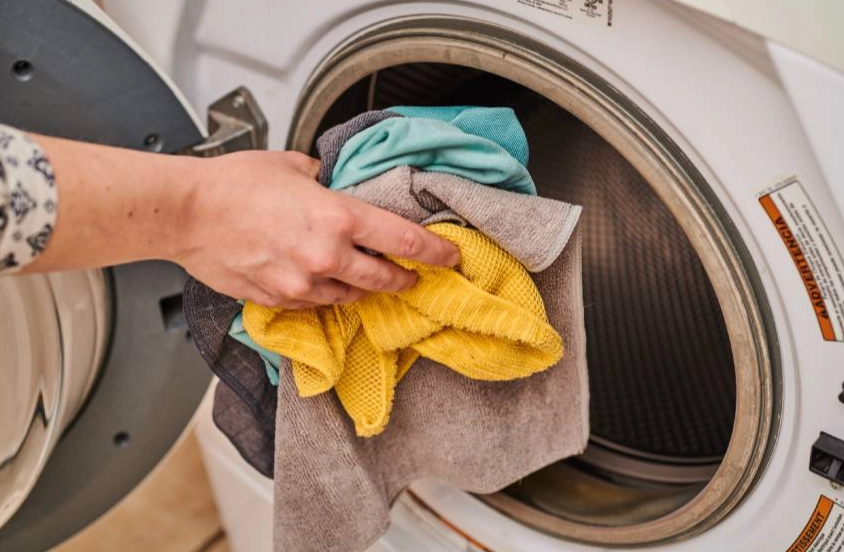
**Washing:** Always check the label first. Generally, use a gentle or delicate cycle with cold water. Turn garments inside out to protect the surface. Avoid washing with heavy items like denim or towels that can cause friction and pulling.
**Detergent:** Use a mild, liquid detergent. Skip the heavy enzymatic or bleach-based detergents, as they can break down the fibers over time.
**Drying:** This is crucial. Air dry is king. Lay the garment flat on a drying rack or hang it to dry. If you must use a dryer, use the absolute lowest heat setting (tumble dry low) and remove while still slightly damp to minimize wrinkles and stress on the fibers. High heat is the enemy.
**Ironing:** If needed, iron on a low to medium heat setting. It's best to iron while the garment is still slightly damp, or use a steam setting. A common trick is to hang it in the bathroom during a hot shower—the steam often relaxes the wrinkles perfectly.
Your Tencel Modal Questions, Answered
Is Tencel Modal fabric good for sensitive skin?
Generally, yes, and often better than many alternatives. The fibers are extremely smooth, reducing friction that can irritate skin. It's also highly breathable and wicks moisture away, preventing the damp, sticky environment where irritation can flare up. Furthermore, the closed-loop production means residual chemicals on the fabric are minimal. However, if you have specific chemical sensitivities, always wash a new garment before wearing it, as finishes from dyeing or sewing can sometimes be present.
Does Tencel Modal shrink in the wash?
It's highly shrink-resistant if cared for properly. The high wet modulus means the fibers don't swell and contract as dramatically as cotton. The main cause of shrinkage is high heat. If you throw it in a hot wash and then a high-heat dryer, you might see some minimal shrinkage, maybe 2-3%. Stick to cold washes and air drying or low-heat drying, and you'll likely see no noticeable change in size.
 Can Tencel Modal be considered a natural fabric?
This is a semantics debate. It's made from natural cellulose, so brands often market it as "botanical" or "from nature." Technically, it's a regenerated cellulose fiber, placing it in the semi-synthetic category alongside viscose. It's not a natural fiber like wool or cotton that is used directly, nor is it a fully synthetic petroleum-based fiber like polyester. The most accurate description is a man-made cellulosic fiber (MMCF) from a natural source. Its environmental profile, however, is closer to that of a premium natural fiber than to a conventional synthetic.
Why is my Tencel Modal garment sometimes labeled "Lenzing Modal" instead?
You've spotted a key detail. "Tencel" is Lenzing's consumer-facing brand name. In the industry and on fabric composition labels, you'll often see "Lenzing Modal" or "Modal (of Lenzing)." They mean the same thing: it's the high-quality modal fiber produced by Lenzing AG using their responsible process. If a tag just says "modal" without the Lenzing association, it could be generic modal from another producer with potentially different environmental and quality standards.
Is Tencel Modal better for the environment than organic cotton?
It's a complex comparison, but they are both strong sustainable choices for different reasons. Organic cotton eliminates pesticide and GMO use, which is huge. However, it still requires vast amounts of water and arable land. Tencel Modal uses less water in cultivation (rain-fed beech trees) and employs a highly efficient, closed-loop manufacturing system that recycles water and solvents. A life cycle assessment from Lenzing shows their fibers often have a lower water footprint and land use impact. The best choice might be a blend of the two, leveraging the strengths of each.
So, what is Tencel Modal fabric made of? It's the result of smart, sustainable engineering applied to a simple natural resource—wood. It's not a miracle fabric, but it's a significant step forward. It addresses specific user pain points: wanting softness without sacrificing performance, seeking comfort that lasts all day, and desiring style that doesn't come with a heavy environmental guilt. The next time you pick up a buttery-soft t-shirt or sheets that feel cool to the touch, check the tag. There's a good chance you're holding the modern alchemy of beech trees.