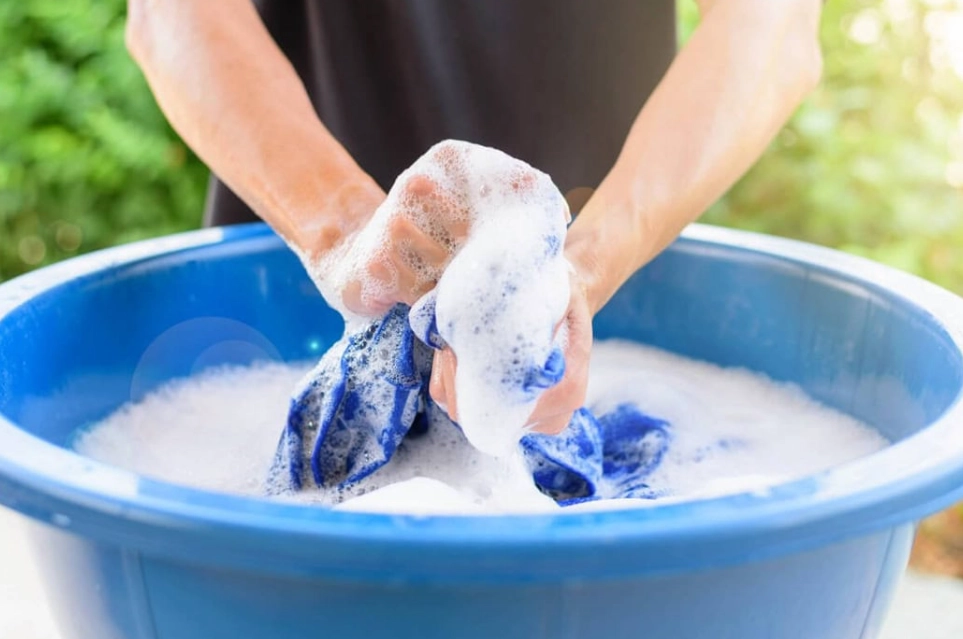
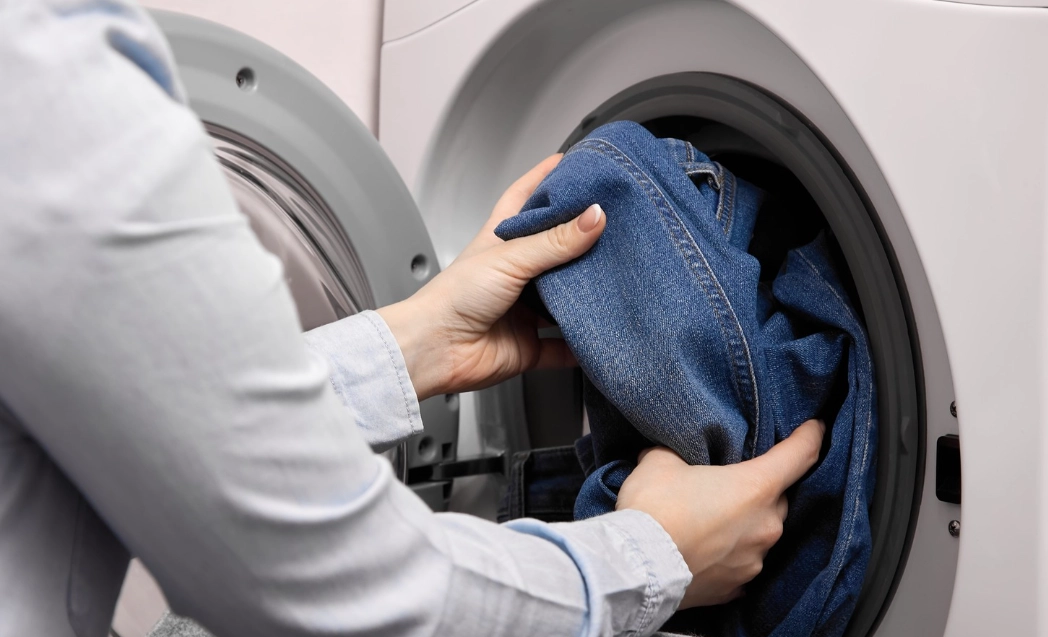
You just pulled your favorite modal t-shirt out of the wash. It feels heavy, soaked through. You need it for tomorrow. The big question hits you: does modal fabric dry quickly? The short, direct answer is yes, modal generally dries faster than cotton but slower than synthetic fabrics like polyester. But that's just the headline. The real story is in the details—the blend of fibers, the thickness of the knit, the humidity in your laundry room, and, crucially, how you treat it. Getting this wrong can turn your soft, luxurious modal into a saggy, misshapen mess. I've seen it happen too many times. Let's dive into what actually determines drying speed and how you can use that knowledge to care for your clothes.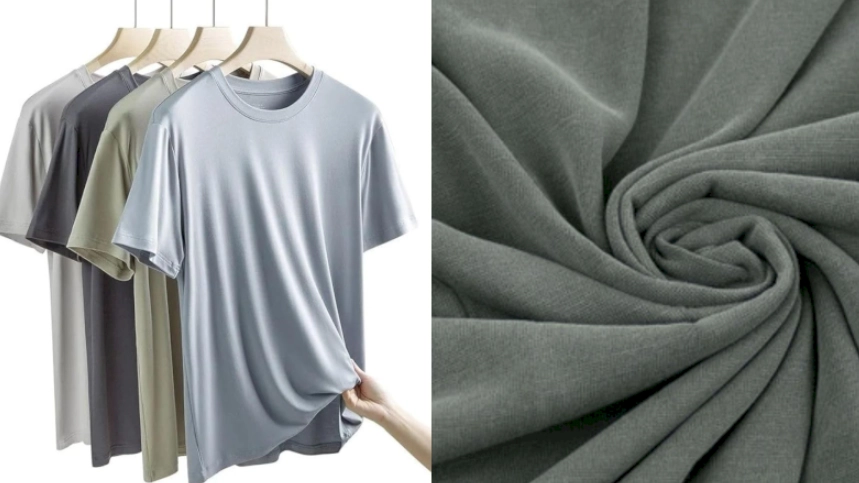
What You'll Learn in This Guide
- What is Modal Fabric, Really?
- The Science Behind How Fast Modal Dries
- Modal vs. Cotton, Bamboo & Polyester: The Drying Time Showdown
- How to Make Modal Dry Faster: Pro Laundry Tips
- The Biggest Mistake People Make Drying Modal
- When Modal's Drying Speed Really Matters
- Your Modal Drying Questions, Answered
What is Modal Fabric, Really?
Before we talk drying, let's be clear on what we're dealing with. Modal is a type of rayon, but it's not your grandmother's stiff rayon. It's made from beech tree pulp through a process that's more controlled and often uses a closed-loop system that recycles solvents (brands like Lenzing AG, a major producer, emphasize this). This process creates a fiber that's inherently more durable and absorbent than standard viscose rayon.
The key properties that influence drying are its high absorbency and smooth fiber structure. Modal can absorb up to 50% more moisture than cotton before feeling wet. That sounds like it would make it dry slower, right? Here's the twist: it also releases that moisture more readily into the air due to its smooth surface and lack of the natural twists and convolutions found in a cotton fiber. Think of a smooth glass versus a rough sponge; water evaporates off the glass faster.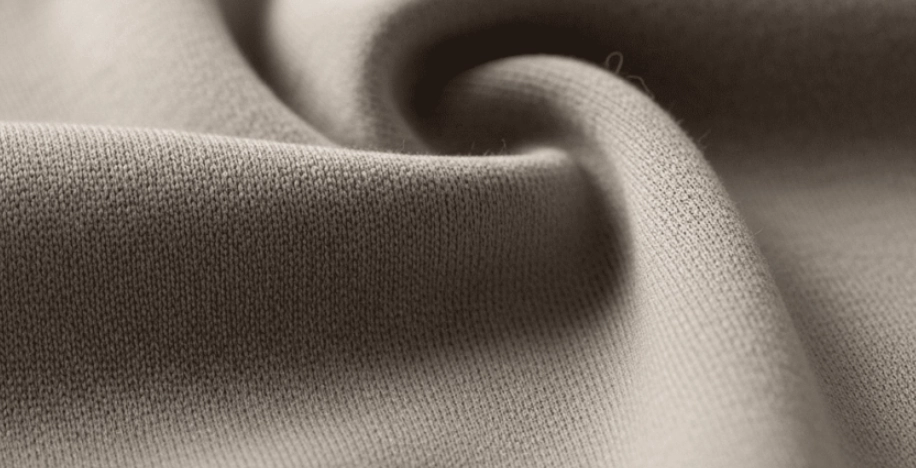
The Science Behind How Fast Modal Dries
Drying speed isn't just about the fabric. It's a battle between water holding onto the fiber and heat/air pulling it away. Several factors play a role:
Fabric Weight & Knit: A lightweight, loosely knit modal jersey (like a standard t-shirt) will dry much faster than a heavy, dense terry cloth made from modal. Always check the garment's weight.
Blend Composition: This is the silent game-changer. Pure 100% modal is less common than you think. Most "modal" garments are blends.
- Modal/Cotton Blend: Adds cotton's breathability but will dry slower than pure modal. The drying time leans toward the slower partner.
- Modal/Polyester Blend: Polyester is hydrophobic (water-repelling). Adding even 20-30% polyester significantly accelerates drying time. This is a common trick in activewear.
- Modal/Spandex Blend: Spandex (elastane) itself doesn't absorb much water, but it can trap moisture in its structure. The effect on drying is usually minor unless it's a very high percentage.
Environmental Conditions: Drying a modal shirt in Arizona is a completely different experience than drying one in Florida. High humidity dramatically slows evaporation. Good air circulation is your best friend.
Modal vs. Cotton, Bamboo & Polyester: The Drying Time Showdown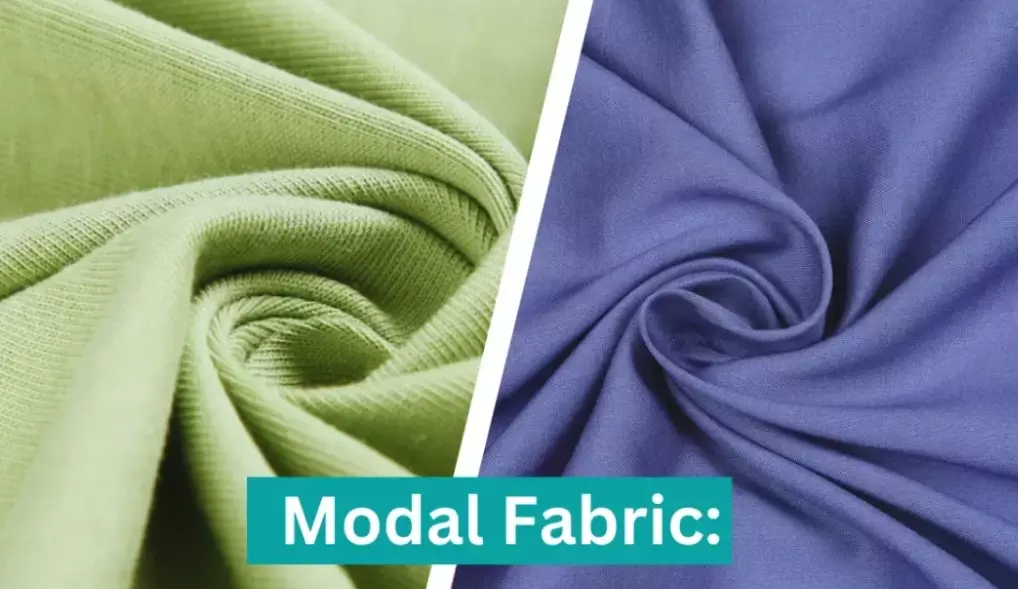
Let's put it in context. Here’s a practical comparison based on hanging the same style of t-shirt indoors at room temperature (approx. 70°F/21°C, 50% humidity).
| Fabric Type | Estimated Drying Time (Hanging) | Key Reason | Best For |
|---|---|---|---|
| Polyester | 1-2 hours | Hydrophobic; sheds water | Travel, gym wear, quick changes |
| Modal (100%) | 3-5 hours | High but efficient moisture release | Daily wear, loungewear, hot weather |
| Bamboo Rayon | 4-6 hours | Similar to modal, often slightly more absorbent | Similar to modal |
| Cotton (Combed) | 5-8 hours | High absorbency, holds water in fiber twists | Towels, denim, where softness is key |
Notice modal sits in a sweet spot. It's not the absolute fastest, but it's significantly quicker than the cotton it often replaces, while offering far better comfort and breathability than polyester.
How to Make Modal Dry Faster: Pro Laundry Tips
You can actively influence the drying time. Here’s what I do, learned from years of testing fabrics.
Before the Dryer (The Most Important Step)
Spin it Hard, But Cold: Use your washer's highest spin cycle to mechanically remove as much water as possible. However, do this with a cold water wash. Hot water can cause modal fibers to relax and swell, holding onto more water. A powerful spin after a cold wash is the single biggest hack for faster drying.
Shape It: After spinning, shake the garment out vigorously. Smooth it into its proper shape on the hanger or drying rack. This increases surface area for evaporation.
Choosing Your Drying Method
Air Drying (Hanging): The safest method. Use a well-ventilated area, not a cramped bathroom. A fan circulating air in the room cuts drying time by 30% or more. Avoid direct, harsh sunlight for extended periods as it can weaken fibers over time.
Air Drying (Flat): Essential for heavy knits, sweaters, or anything with structure to prevent stretching. Flip the item halfway through.
Tumble Drying (The Risky Shortcut): If you must use a dryer, use the lowest heat setting (air fluff or delicate) and remove the item while it's still slightly damp. Let it finish drying flat or on a hanger. Never use high heat.
The Biggest Mistake People Make Drying Modal
Here's the non-consensus view most articles won't stress enough: The danger isn't just shrinkage, it's permanent stretching and loss of density.
High heat doesn't just make modal shrink violently like cotton sometimes does. Instead, the fibers become overly relaxed and pliable. When heavy and wet, the weight of the water-logged fabric pulls on these softened fibers. The result? A t-shirt that's now a longer, looser, thinner version of itself. The knit opens up, it feels flimsy, and it never recovers its original snug, soft hand-feel. I ruined a perfectly good modal henley this way, and it now lives as a pajama top.
Shrinkage can happen, but that permanent, soggy stretch is the more common and disappointing outcome of careless drying.
When Modal's Drying Speed Really Matters
Understanding the drying profile tells you what modal is perfect for.
Travel & Minimalist Packing: A modal t-shirt or underwear will dry overnight in most hotel rooms, unlike cotton. This lets you pack fewer items. A modal/polyester blend is even better for back-to-back wear situations.
Hot & Humid Climates: Modal's ability to absorb sweat and dry relatively quickly makes it feel less clammy than cotton when you're perspiring.
Daily Basics & Loungewear: For everyday rotation, its drying speed means you don't need a massive wardrobe. You can wash a few items and they'll be ready within a day.
Not Ideal For: Beach towels or bathrobes where maximum absorbency is the goal (here, cotton terry wins). Or for extreme athletic performance where wicking and ultra-fast drying are critical (technical polyester blends are superior).
Your Modal Drying Questions, Answered
Will my modal clothes shrink if I put them in the dryer?
How long does a modal and cotton blend take to dry compared to pure modal?
 Is modal a good fabric for travel because it dries fast?
Why does my modal towel feel like it takes forever to dry?
Can I speed up modal drying without a dryer or spin cycle?