You're sweating in a polyester blend shirt, feeling sticky and uncomfortable. You reach for a cotton tee, but it's heavy and takes forever to dry. Then you try on a modal t-shirt. It feels different—softer, lighter, almost cool to the touch. Is it just marketing, or is modal fabric actually breathable? The short answer is a definitive yes. Modal is one of the most breathable and moisture-wicking fabrics you can buy, and it's not just for luxury underwear anymore. I've been working with textiles for over a decade, and the shift towards modal in activewear and everyday basics isn't a fluke. It solves a real comfort problem that cotton and synthetics often miss.
What's Inside This Guide?
- What is Modal Fabric, Really?
- The Science Behind Modal's Breathability
- Modal vs. Cotton, Rayon & Polyester: The Breathability Showdown
- Where Modal's Breathability Shines: Best Uses
- How to Shop for High-Quality, Breathable Modal
- Caring for Modal: Common Mistakes That Ruin Breathability
- Your Modal Breathability Questions, Answered
What is Modal Fabric, Really?
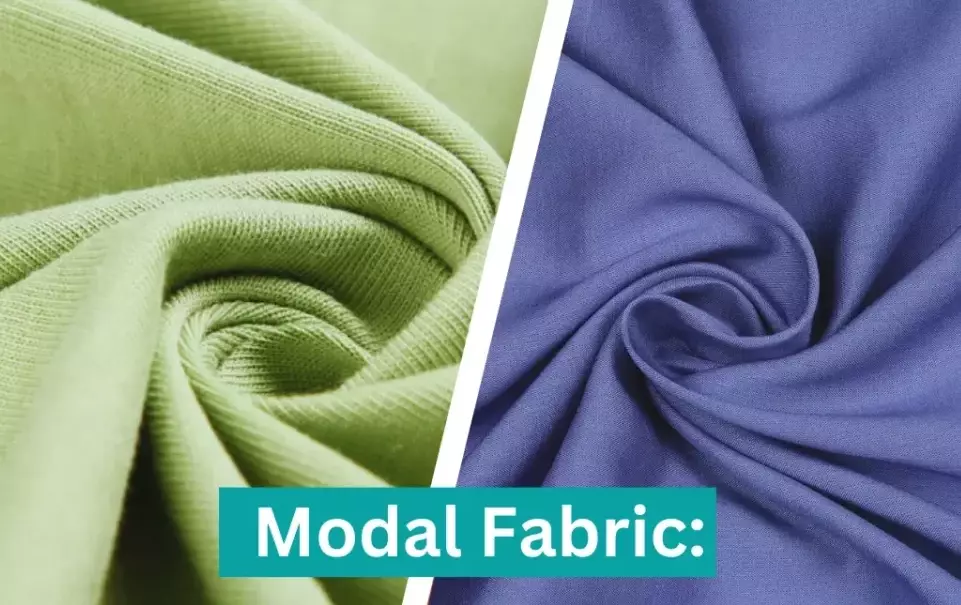
Let's clear up the confusion first. Modal isn't a synthetic plastic like polyester. It's a type of rayon, which falls under the umbrella of "regenerated cellulose fibers." That's a fancy way of saying it starts with natural wood pulp—usually from beech trees—which is then processed using chemicals to create a soft, durable fiber. The key player here is the Austrian company Lenzing AG, which trademarked "TENCEL™ Modal." Their closed-loop process recovers over 99% of the solvents used, making it a poster child for sustainable fabric innovation. When people praise modal's breathability, they're often referring to this high-quality, responsibly produced version.
Think of it as nature's pulp, engineered for performance. The result is a fiber that feels more like a premium natural fiber than a processed one.
The Science Behind Modal's Breathability
Breathability isn't just about air passing through. It's a combination of moisture management, air permeability, and thermal regulation. Modal excels because of its unique fiber structure.
Here’s the technical bit made simple: Modal fibers have a smooth surface and a round cross-section. This smoothness means less friction against your skin, creating a cooler feel. More importantly, the internal structure of modal is highly porous. These microscopic pores act like tiny channels that pull moisture (sweat) away from your skin to the fabric's outer surface, where it can evaporate quickly. This is called high "moisture vapor transmission rate" (MVTR).
I've seen lab tests where modal absorbs moisture 50% faster than cotton. It doesn't just absorb; it releases it into the air faster. That's why a modal shirt won't feel clammy or heavy with sweat during a humid commute or a light workout. Cotton, in contrast, absorbs well but holds onto the moisture, leaving you feeling damp.
Modal vs. Cotton, Rayon & Polyester: The Breathability Showdown
Let's get practical. How does modal stack up against the fabrics in your closet right now? This isn't about one being universally "better," but about which one wins for specific comfort needs.
| Fabric | Breathability & Moisture-Wicking | Feel & Weight | Best For | Biggest Downside for Comfort |
|---|---|---|---|---|
| Modal | Excellent. Highly absorbent, wicks and dries quickly. | Silky smooth, lightweight, drapes beautifully. | Activewear, loungewear, everyday tees, underwear, bedsheets. | Can be less durable than cotton if abused; requires gentle care. |
| Cotton | Good. Absorbent but slow to dry, can feel wet. | Soft (especially combed), can be heavy, prone to wrinkling. | Casual wear, towels, denim, hot/dry climates. | Loses breathability when soaked with sweat; holds odor more. |
| Rayon (Viscose) | Good to Very Good. Similar to modal but less consistent. | Soft and drapey, but can feel slightly stiffer or weaker. | Blouses, dresses, flowy garments. | Often weaker when wet, can lose shape. Breathability varies widely by quality. |
| Polyester | Poor to Fair (unless engineered). Repels moisture, traps heat. | Can feel plasticky, lightweight but often less airy. | Performance gear (when moisture-wicking tech is added), outerwear. | Not inherently breathable. Can feel hot and cause sweating. |
A common mistake is assuming all rayon is the same. Generic viscose rayon is the older, less refined cousin of modal. Modal is essentially a superior, stronger, and more consistent version of rayon. If breathability is your top priority, modal is the more reliable bet from the rayon family.
Where Modal's Breathability Shines: Best Uses
Knowing modal is breathable is one thing. Knowing where to use it changes how you dress. Based on its properties, here are the areas where it outperforms everything else.
1. Activewear and Sportswear
This is modal's sweet spot. You want a fabric that keeps you dry during yoga, Pilates, or a gym session. Modal's quick-drying nature means you won't finish your workout in a sweat-soaked shirt. Brands like Organic Basics and Boody use it extensively for base layers. It's less abrasive than some technical synthetics, reducing chafing.
2. Everyday Basics and Loungewear
Your go-to t-shirt, tank top, or pair of socks. Modal breathes throughout the day, preventing that stuffy feeling you get from cheap cotton blends. For loungewear, the combination of breathability and ultra-softness is unbeatable. It regulates temperature whether you're curled up on the couch or moving around the house.
3. Underwear and Intimates
Breathability down there is crucial for comfort and health. Modal underwear allows for better air circulation compared to non-breathable synthetics, reducing moisture buildup. It's a staple for brands focused on comfort, like Knickey and WAMA.
4. Bedding and Sleepwear
Ever wake up hot and sweaty? Modal bedsheets and pajamas are a game-changer for hot sleepers. They feel cool against the skin and help manage nighttime perspiration far better than traditional cotton sateen or polyester blends.
How to Shop for High-Quality, Breathable Modal
Not all modal is created equal. To get the best breathability, you need to know what to look for on the label. Here's my insider checklist:
- Look for "TENCEL™ Modal" or "Lenzing Modal™": This is your gold standard. It guarantees a sustainably produced fiber with consistent high quality and performance. Generic "modal" might be okay, but it's a roll of the dice.
- Check the Blend: Pure 100% modal is wonderfully breathable but can be delicate. For more durability in activewear, look for blends with a small percentage of elastane (like 95% Modal, 5% Elastane). This maintains stretch without sacrificing much breathability. Avoid blends with more than 10-15% polyester, as it will start to compromise the fabric's natural breathing ability.
- Weave Matters: A lightweight, jersey knit will be more breathable than a thick, tight weave. For summer, seek out modal in single jersey or mesh constructions.
- Feel the Fabric: High-quality modal should feel incredibly smooth, soft, and fluid—almost like liquid. If it feels stiff, rough, or plasticky, it's either low-quality or mixed with too many synthetics.
Caring for Modal: Common Mistakes That Ruin Breathability
You can buy the best modal in the world and ruin its breathability in two washes. I've seen it happen. Here’s how to keep it performing like new.
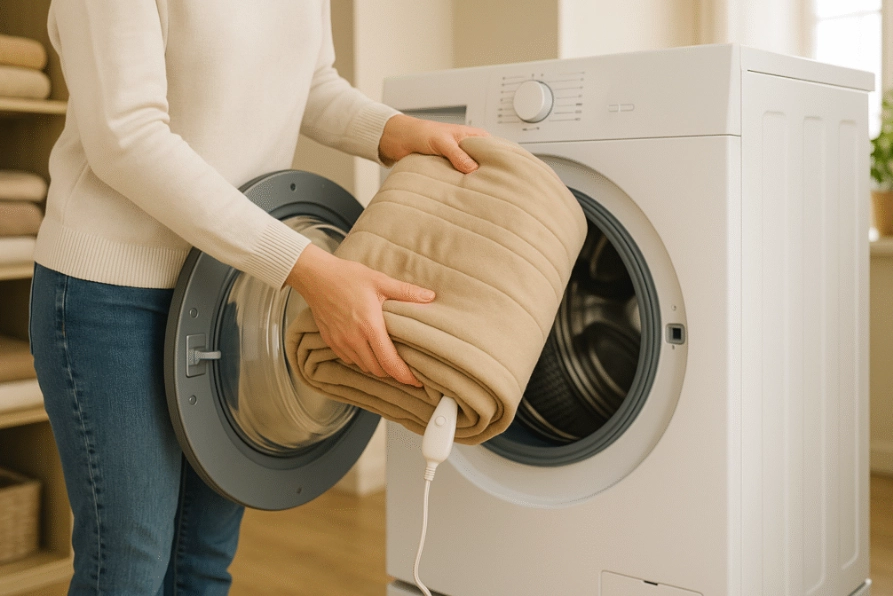
First, always wash in cold water on a gentle cycle. Hot water can damage the fibers, causing them to break down and lose their smooth, porous structure. This directly impacts moisture-wicking ability.
Avoid fabric softeners and dryer sheets at all costs. This is the biggest mistake people make. Fabric softeners coat the fibers with a waxy, chemical residue. This coating clogs the very pores that make modal breathable and absorbent. Your once-magical shirt will start to feel less effective at managing moisture and may even develop a weird slickness. If you need softness, use a quarter cup of white vinegar in the rinse cycle instead—it naturally softens without residue.
Air dry is king. Tumble drying on high heat is brutal on modal. It causes shrinkage, weakens the fibers, and can set in wrinkles that are hard to remove. Lay your modal garments flat or hang them to dry. If you must use a dryer, choose the lowest heat setting or an air-only (no heat) cycle and remove them while still slightly damp.
Iron on a low setting if needed, but honestly, modal's drape means it often doesn't need it.
Your Modal Breathability Questions, Answered
Is modal or cotton more breathable for hot weather?
Does modal fabric make you smell less than polyester during workouts?
Why does my modal shirt feel clingy sometimes? Isn't it supposed to be breathable?
Can modal be used for winter clothing, or is it only for summer?
I've heard modal is delicate. Will frequent washing destroy its breathability?
So, is modal breathable? The evidence is overwhelming. Its unique fiber science, proven performance against cotton and synthetics, and growing presence in comfort-focused categories make it a top-tier choice for anyone prioritizing dry, comfortable wear. It's not a miracle fabric—it has its quirks and requires specific care—but for pure, reliable breathability that feels incredible, it's hard to beat. Next time you're shopping for a piece you'll live in, check the label. That silky, cool feeling might just be modal doing its job.