That sinking feeling when you pull your favorite cashmere sweater from the dryer and it looks like it belongs to a toddler. We've all been there. You might think it's a lost cause, destined for the donation pile or, worse, the trash. I've spent over a decade working with textiles, and I'm here to tell you that most shrunken garments aren't dead—they're just in a state of panic. The fibers have tightened up, but with the right approach, you can often coax them back into shape. This isn't magic; it's applied fabric science. Let's get into how to actually fix this common laundry disaster.
What's Inside This Rescue Guide
- Why Do Clothes Shrink in the First Place?
- The Critical First Step: Pre-Treatment Assessment
- Method 1: The Wool & Hair Care Solution (For Animal Fibers)
- Method 2: The Steam & Iron Technique (For Cotton & Blends)
- Fabric-by-Fabric Unshrinking Guide
- How to Prevent Clothes From Shrinking Ever Again
- Your Unshrinking Questions, Answered
Why Do Clothes Shrink in the First Place?
To fix the problem, you need to understand it. Shrinkage isn't one single thing. For natural fibers like wool and cotton, the main culprit is something called "relaxation shrinkage." During manufacturing, fibers are stretched under tension. Heat, moisture, and agitation in the wash act like a reset button, causing the fibers to snap back to their natural, shorter state. Wool has scales on its fibers that can lock together (felting) when agitated in hot water, which is a more permanent form of shrinkage.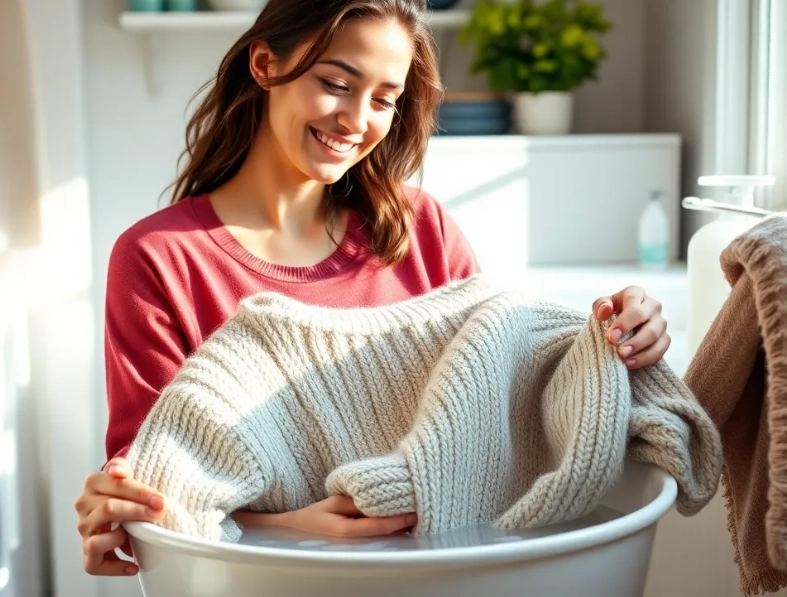
For synthetics, high heat from the dryer can actually melt or distort the fibers, causing them to contract. This is often trickier to reverse completely. Most online guides gloss over this distinction, but it's everything. Treating a heat-warped polyester blouse the same way you treat a shrunken wool sock is a recipe for ruining it.
The Critical First Step: Pre-Treatment Assessment
Before you dunk anything, do this. Check the garment's care label. Is it wool? Cotton? A blend? Look and feel the fabric. Is it felted (wool that has matted into a thick, stiff fabric)? If it's badly felted, the chances of full recovery drop significantly, but you can still improve it.
Grab a measuring tape and note the current dimensions. Compare them to what they should be (check a similar-sized garment from your closet). This isn't just for hope—it's to track your progress. Is the garment dyed? Vibrant reds or dark blues might bleed during the soaking process, so be prepared for that possibility. I once tried to save a shrunken red cotton henley and ended up with a perfectly-sized pinkish one. It was a lesson learned.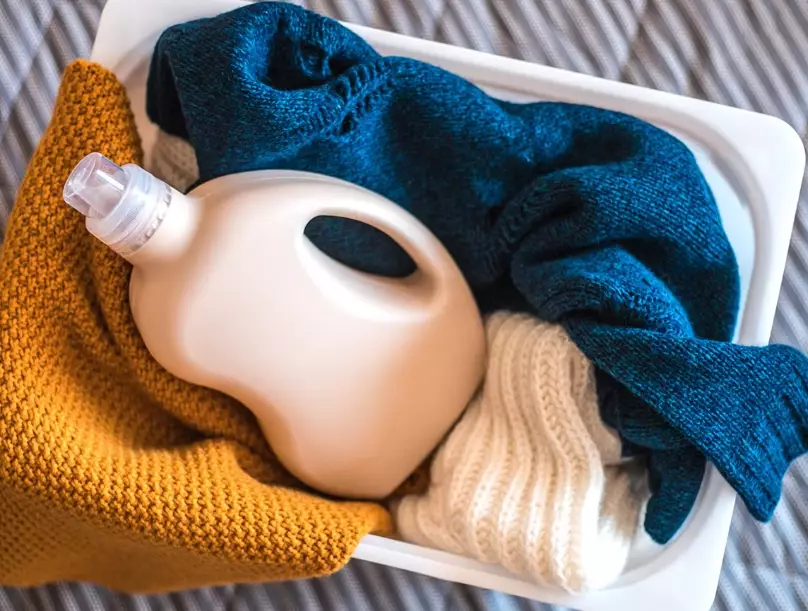
Method 1: The Wool & Hair Care Solution (For Animal Fibers)
This is your go-to for wool, cashmere, alpaca, and even some delicate blends. The logic is simple: hair conditioner and similar products contain lubricating agents that relax the scales on wool fibers, allowing them to slide back apart.
Step-by-Step: The Conditioner Soak
- Fill a basin with lukewarm water—not hot. Test it with your wrist; it should feel neutral.
- Add conditioner: Mix in a generous tablespoon of a basic hair conditioner or a specific wool wash like Eucalan. Don't use a 2-in-1 shampoo/conditioner.
- Submerge the garment: Gently push it down until fully wet. Let it soak for 25-40 minutes. Don't agitate or wring it.
- The gentle stretch: After soaking, drain the water. Press the garment against the side of the basin to remove excess water—no twisting. Lay it flat on a clean, dry towel. Roll the towel up like a jelly roll to absorb more moisture.
- Reshape: Unroll onto a fresh, dry towel or a mesh drying rack. This is the most important part. Gently, patiently, stretch the garment back to its original dimensions. Start with the overall length and width, then work on sleeves and collars. Use your measuring tape as a guide. Don't pull so hard you tear it; think coaxing, not yanking.
- Air dry flat: Leave it to dry completely, which may take a day or two. You can adjust the shape slightly as it dries.
Why does this work better than just water? The conditioner acts as a fiber relaxant. A study by the International Fabric Care Institute (IFC) notes that lubricating agents temporarily reduce friction between fibers, allowing them to be manipulated back into place before the water evaporates and the fibers "set" again in their new, larger shape.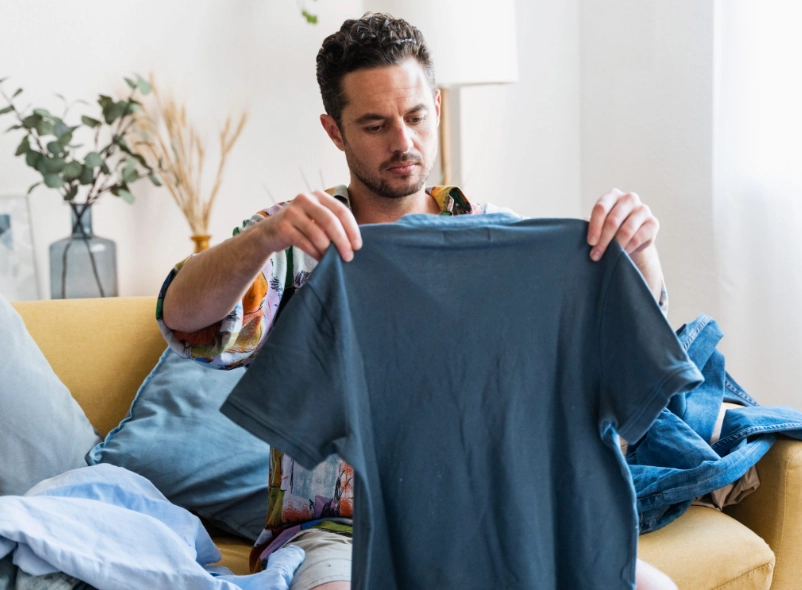
Method 2: The Steam & Iron Technique (For Cotton & Blends)
Cotton and linen respond well to steam. The moisture and moderate heat help relax the cellulose fibers. This method is more hands-on and works well for items like shrunken t-shirts, cotton trousers, or poplin shirts.
How to Use Steam to Unshrink Cotton
- Dampen the garment: Lightly mist it with water from a spray bottle until it's evenly damp, not soaking.
- Steam it out: You have two options:
- Steam Iron: Set your iron to the appropriate steam setting for cotton. Hold the iron about an inch above the fabric and blast steam over a section.
- Garment Steamer: This is often better as it's less direct. Steam the entire garment thoroughly.
- Stretch during steaming: As the fibers become warm and pliable from the steam, use your hands to gently pull the fabric back to its correct size. Focus on one area at a time—the torso, then each sleeve, then the length.
- Let it cool in shape: Lay it flat or hang it (if it won't stretch out of shape) and allow it to cool and dry completely. The fibers will "set" as they cool down.
A common pitfall here is using too direct a heat. If you press the iron directly onto the fabric, you risk compressing the fibers and setting the shrunken shape permanently, or even scorching it. Always keep a barrier of steam.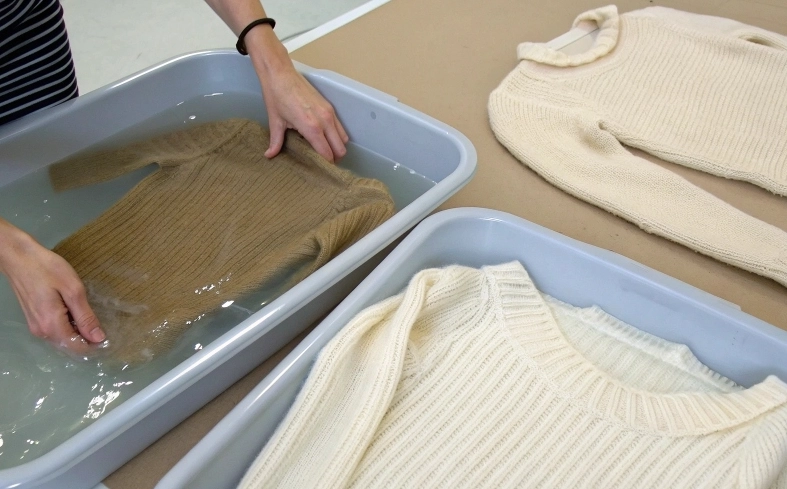
Fabric-by-Fabric Unshrinking Guide
Not all fabrics are created equal. Here’s a quick-reference table to match the problem fabric with the best salvage method.
| Fabric Type | Primary Cause of Shrinkage | Recommended Rescue Method | Success Probability & Notes |
|---|---|---|---|
| Wool, Cashmere, Angora | Felting (agitation + heat/moisture) | Conditioner or Baby Shampoo Soak | Medium-High. Works best on recent, mild-to-moderate shrinkage. Badly felted items may only improve slightly. |
| Cotton, Linen, Hemp | Relaxation of tension from manufacturing | Steam & Stretch Method | High. These plant fibers respond very well to controlled steam and manual reshaping. |
| Cotton Blends (e.g., Poly-Cotton) | Mixed fiber reaction to heat | Lukewarm Water Soak & Lay-Flat Stretch | Medium. Try the conditioner method first, but be gentler. The synthetic component may limit full recovery. |
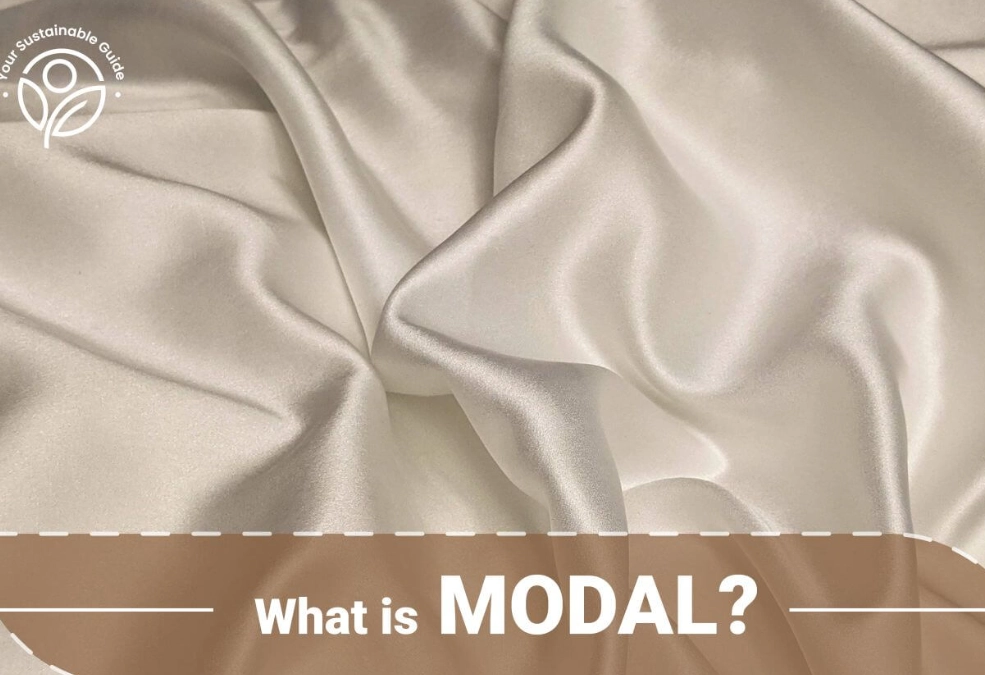
| Rayon, Viscose, Modal | Extreme sensitivity to water and agitation | Professional Pressing / Very Light Steam | Low-Medium. These are tricky. Often, the best you can do is have a professional dry cleaner press it while gently stretching it. Home attempts can ruin it. |
| Polyester, Nylon, Acrylic | Heat distortion in the dryer | Steam & Reshape While Warm | Low. If the fibers are melted, it's irreversible. If just heat-set, gentle steaming and stretching as it cools can help. Don't soak. |
Garments You Should Probably Not Attempt to Unshrink
Be realistic. Some items are beyond DIY salvation. Structured pieces like a fully-lined blazer or a wool coat have interfacing and padding that won't respond to soaking. Leather and suede are a different beast entirely—see a specialist. Severely felted wool that is thick and board-like has permanently interlocked fibers; you might soften it, but you won't regain the size.
How to Prevent Clothes From Shrinking Ever Again
Fixing a shrunken garment is satisfying, but not having to fix it is better. This is where most guides stop, but it's the most valuable part.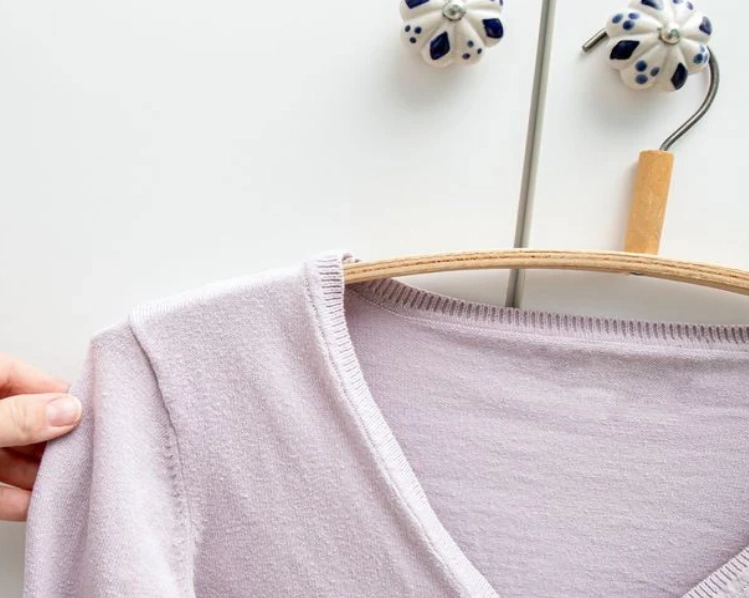
- Read the darn label. It's not a suggestion. "Dry Clean Only" or "Hand Wash Cold" is there for a reason.
- Wash in cold water. For probably 90% of your laundry, cold water is perfectly effective and prevents both shrinkage and color fading.
- Air dry is king. The dryer is the primary shrink-machine. Get a good drying rack. For sweaters and delicates, always lay flat to dry on a towel or mesh rack to maintain shape.
- If you must use the dryer, use the lowest heat setting ("Air Fluff" or "No Heat") and remove items while they are still slightly damp to finish air-drying flat.
- Pre-wash your fabrics before sewing. This is a tip for the crafty folks. If you're making something, wash and dry the fabric as you intend to wash the finished garment before you cut and sew. This pre-shrinks it.
Your Unshrinking Questions, Answered
The key takeaway? Don't panic and throw things away. With a calm assessment and the right fabric-first approach, you can salvage more than you think. It saves money, reduces waste, and lets you hold onto the clothes you truly love. Give it a try—you might just amaze yourself.