You've probably seen "Tencel Modal" on a clothing tag and wondered what it is. It feels like a dream – soft as silk, cool against the skin, and somehow both sturdy and flowy. It's not magic, but it is a brilliant piece of textile engineering that's quietly revolutionizing what we wear. In simple terms, Tencel Modal is a super-refined, eco-friendly type of rayon made from beechwood pulp. But that basic definition doesn't do it justice. Let's peel back the layers on this fabric that's becoming a staple in everything from high-end underwear to everyday tees and luxury bedsheets.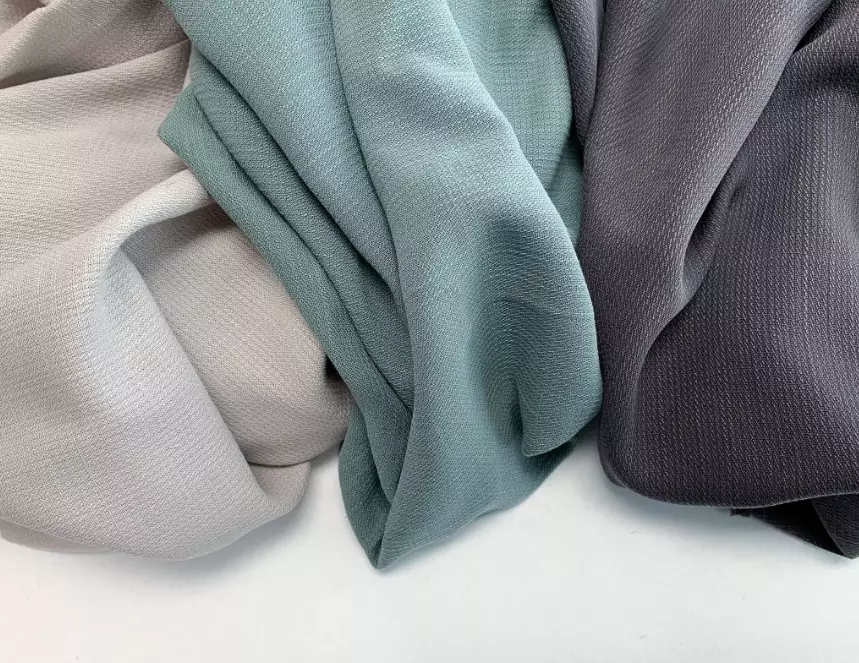
What You'll Learn
What Exactly Is Tencel Modal Fabric?
First, let's clear up the name. Tencel is a brand name owned by the Austrian company Lenzing AG. They are the leading producer of lyocell and modal fibers. Think of it like "Kleenex" for tissues – Tencel is the trusted brand for high-performance botanic fibers. Modal is the specific type of fiber. So, Tencel Modal is Lenzing's branded version of modal fiber, known for its stringent environmental and quality standards.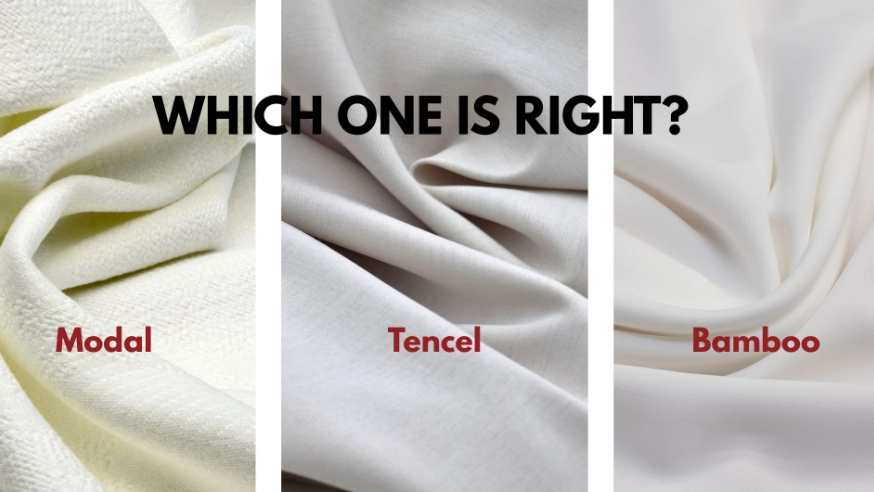
The process starts with beech trees, often from sustainably managed forests in Europe. The wood is chipped, pulped, and then dissolved using a non-toxic, closed-loop solvent system. This is the crucial part. In this system, over 99% of the solvent is recovered and reused repeatedly, minimizing waste and environmental impact. The dissolved pulp is then forced through tiny holes (spinnerets) to create long, smooth filaments, which are spun into yarn.
Here's what most summaries miss: The magic isn't just in the wood source, but in the fiber's structure. Modal fibers have a higher degree of polymerization than regular viscose, meaning the molecular chains are longer and more aligned. This results in a fiber that's inherently stronger when wet (a common weakness of rayon) and has a much smoother surface. That smoothness is why it feels so luxuriously soft and resists pilling better than many other plant-based fabrics.
Key Properties & Benefits: Why It's So Good
This isn't just marketing fluff. The properties of Tencel Modal translate directly to how your clothes feel and perform.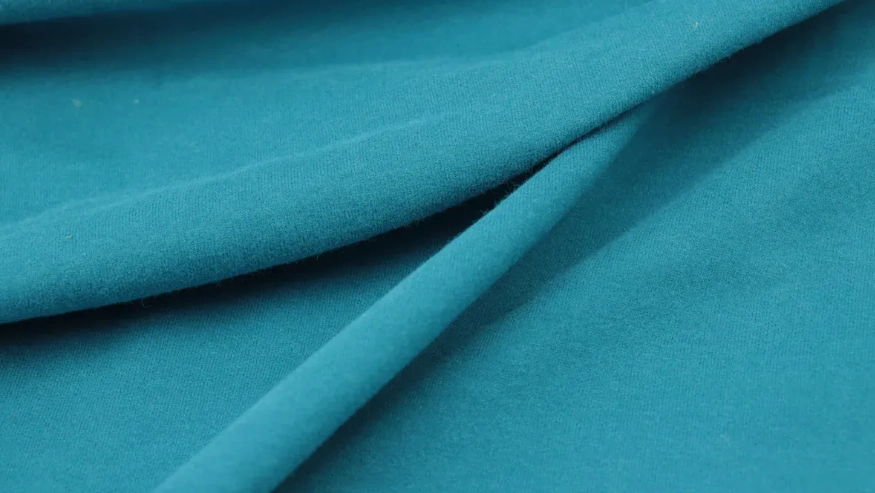
Breathability & Moisture Management
It's exceptionally breathable. The fibers can absorb moisture vapor (sweat) and release it into the air efficiently. Unlike cotton, which soaks up liquid sweat and can feel damp and heavy, modal helps keep your skin surface feeling drier. This makes it a top contender for activewear, sleepwear, and base layers in changing temperatures.
Silky Softness & Drape
The smooth, round fiber profile gives modal its signature silky hand-feel. It drapes beautifully, flowing over the body without clinging awkwardly. This is why it's so popular in dresses, skirts, and blouses where movement and elegance are key.
Strength and Durability
This is the surprise for many. Despite its delicate feel, modal is stronger than standard viscose rayon, especially when wet. A 100% modal t-shirt will generally hold its shape and resist tearing better over multiple washes than a standard rayon blouse. It's not as tough as polyester, but for a natural-feeling fiber, its durability is impressive.
Color Vibrancy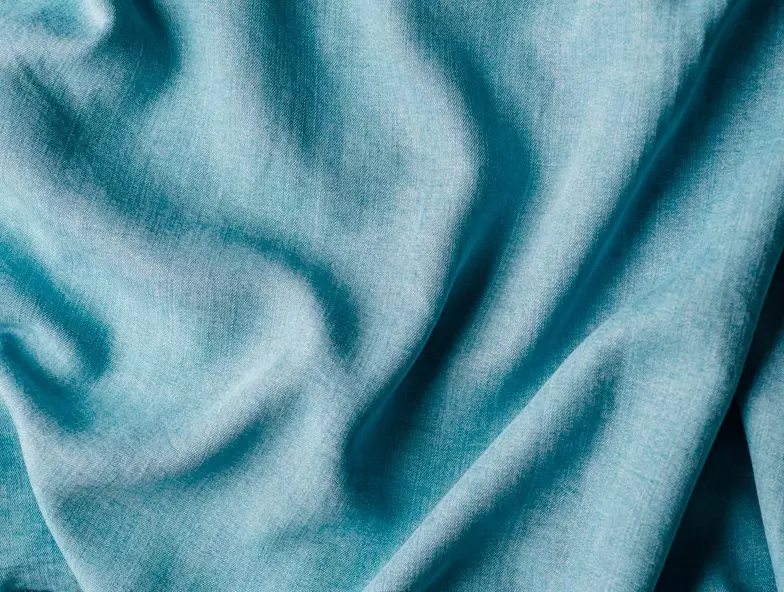
The smooth fibers accept dye beautifully, resulting in rich, deep, and colorfast hues. Colors tend to look more vivid and last longer without fading as quickly as some cottons.
Eco-Credentials (With a Caveat)
Lenzing's closed-loop process, sustainable forestry (often certified by FSC or PEFC), and the biodegradable nature of the fiber are major pluses. However, always look for the "Tencel" brand. Generic "modal" might not follow the same environmental protocols. The caveat? The "eco-friendly" label can be overplayed. While far better than conventional rayon or polyester, it still requires industrial processing. It's a excellent better choice, not a zero-impact miracle.
Tencel Modal vs. Cotton, Bamboo & Regular Modal
Let's get practical. How does it stack up against the fabrics you know? This table breaks it down.
| Fabric | Feel & Drape | Moisture Management | Durability | Environmental Note |
|---|---|---|---|---|
| Tencel Modal | Very soft, silky, excellent drape | Highly absorbent, breathable, dries faster than cotton | Strong, especially when wet | Closed-loop process, sustainable wood source (when branded Tencel) |
| Cotton (Regular) | Soft (can vary), more structured | Absorbent but holds moisture, can feel clammy | Strong dry, weaker wet, can shrink | High water & pesticide use (unless organic) |
| Bamboo Viscose | Very soft, similar drape to modal | Absorbent, breathable | Weaker than modal, can lose shape | Often uses harsh chemicals in processing (unless lyocell method) |
| Generic Modal | Soft | Good | Moderate | Varies widely, often lacks transparency |
| Polyester | Can be smooth, often less breathable | Wicks moisture but traps odor | Very strong, resistant to wrinkles | Petroleum-based, non-biodegradable, sheds microplastics |
From my own experience, blending modal with a small amount of elastane (like 5%) creates the perfect lounge pant or tee—it gains just enough recovery to prevent bagging at the knees and elbows, a common issue with 100% modal knits after a full day of wear.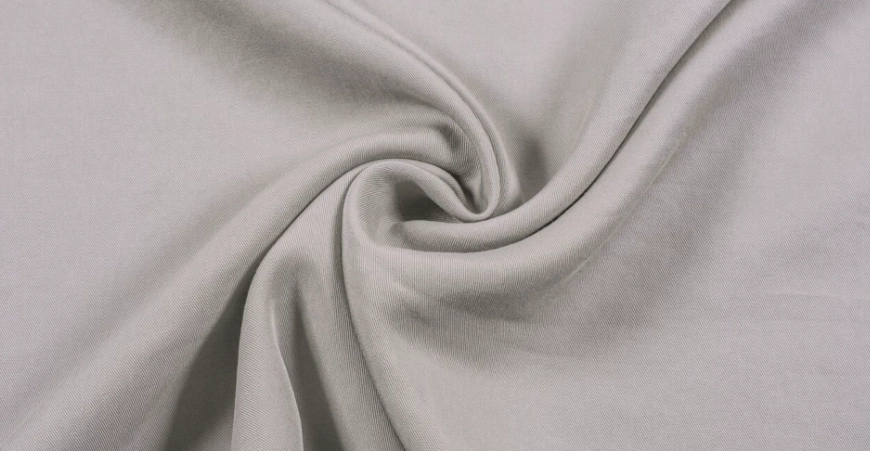
Best Uses in Apparel & Home Goods
Modal isn't a one-trick pony. Its properties make it ideal for specific applications.
Underwear & Socks
The #1 use case. Its breathability and softness against sensitive skin are unmatched. Brands like Calvin Klein and Tommy John use it extensively for boxers and bras.
Everyday Knits
T-shirts, long-sleeve tops, and lightweight sweaters. Modal blends (with cotton or a touch of spandex) make incredibly comfortable, non-itchy basics that hold their shape wash after wash.
Sleepwear & Loungewear
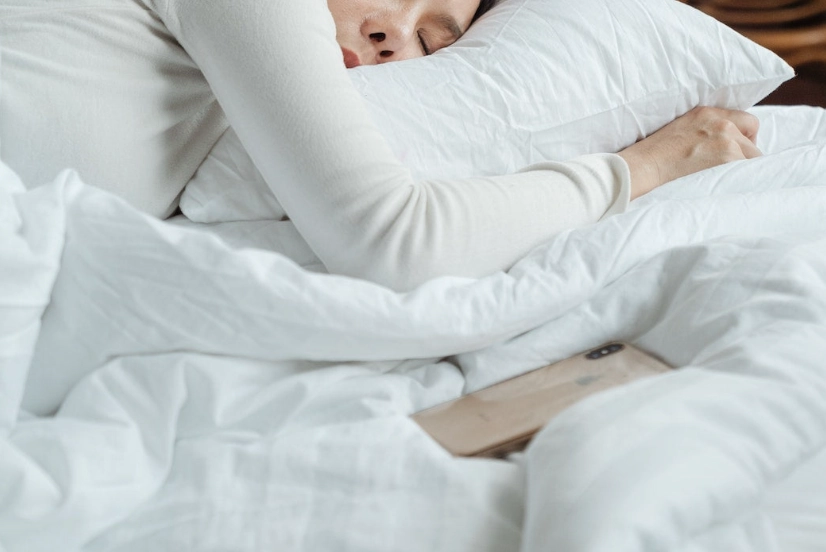
Its temperature-regulating properties are perfect for pajamas and robes. You stay cool in summer and cozy in winter without overheating.
Draped Garments
Flowy dresses, skirts, and elegant blouses. The fabric falls beautifully and has a subtle sheen that elevates simple designs.
Bed Linens & Towels
High-end sheet sets often blend modal with cotton for a cooler, smoother feel than standard cotton percale. Modal in towels increases softness and absorbency.
The Real-World Guide to Caring for Modal
Here's where people get nervous. It feels delicate, so it must be hand-washed, right? Not necessarily. Modern modal is quite resilient.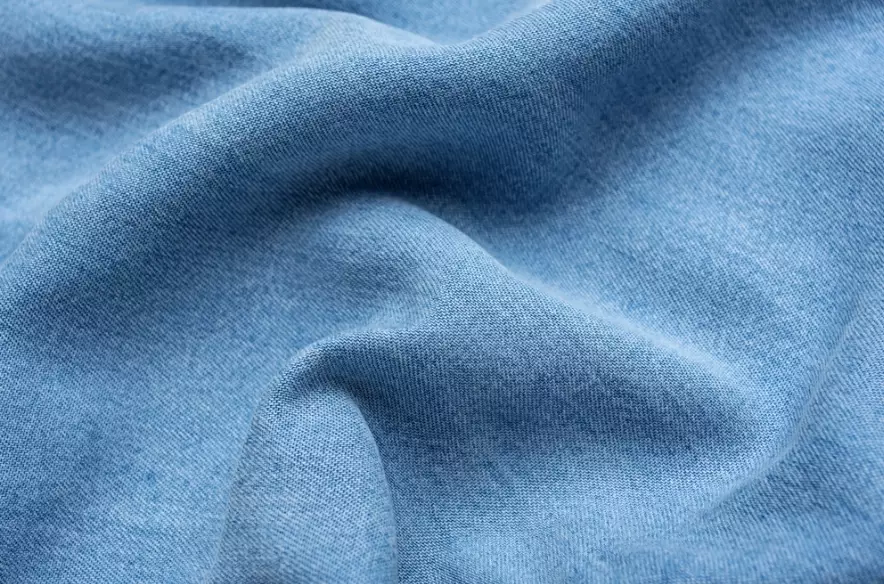
Washing: Use a gentle machine cycle with cold or lukewarm water. Turn garments inside out. Avoid harsh detergents—opt for a mild liquid soap. Never use bleach.
Drying: This is the critical step. Always air dry. The high heat of a tumble dryer is the fastest way to shrink, weaken, or distort modal fibers. Lay flat on a drying rack or hang dry away from direct sunlight, which can fade colors.
Ironing: If needed, use a low heat setting (silk/rayon setting). Iron while the garment is still slightly damp or use a pressing cloth to prevent shine marks.
A personal tip: I wash my modal blends with my regular dark laundry on cold, but I'm religious about pulling them out before the dryer cycle starts. It adds 30 seconds to my laundry routine and doubles the life of the garment.
Your Tencel Modal Questions, Answered
 Can Tencel Modal be considered a sustainable fabric for building a capsule wardrobe?
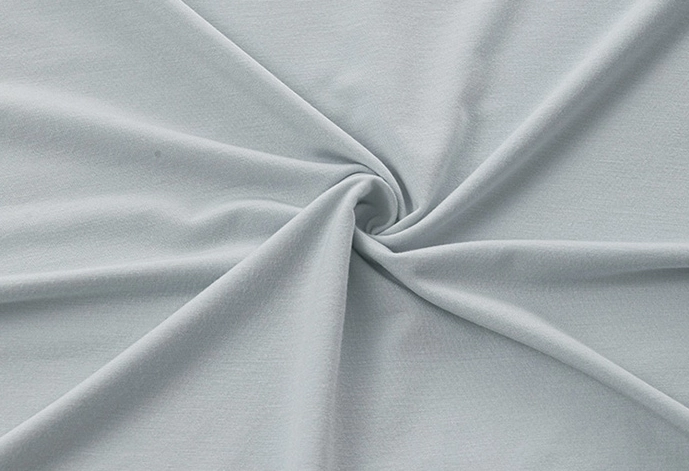 So, what is Tencel Modal fabric? It's a workhorse in disguise. It delivers luxury feel with practical performance and a cleaner environmental footprint than many alternatives. It's not perfect—no fabric is—but understanding its strengths and how to care for it means you can confidently add it to your wardrobe and enjoy the comfort for years to come.