You see it on hangtags everywhere: "Made from recycled materials." It feels good to buy it. You're diverting plastic from landfills, right? Helping the planet. But if you've ever paused in the aisle, holding a sleek jacket made from "recycled polyester," and wondered if it's genuinely a green choice or just clever marketing, you're asking the right question. The answer isn't a simple yes or no. Let's pull back the curtain.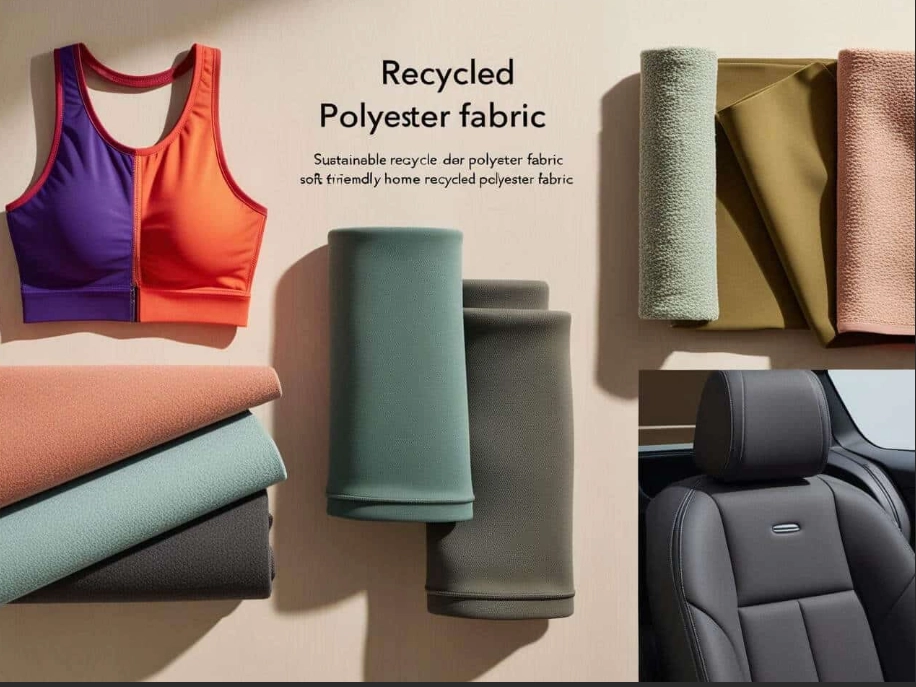
What You'll Learn
What Is Recycled Polyester, Really?
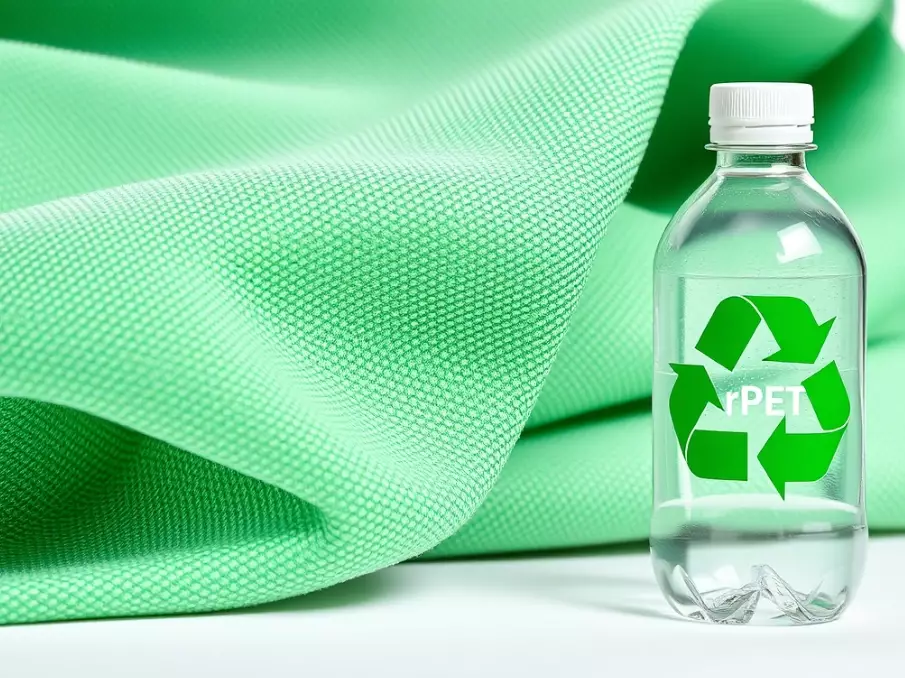
At its core, recycled polyester (often called rPET) is just polyester made from existing plastic, not virgin petroleum. Think of it as a second life for plastic bottles, old fishing nets, or even textile waste. The most common source is post-consumer PET bottles—the clear plastic water and soda bottles we all use.
This is different from "virgin polyester," which is made from scratch using fossil fuels. By using existing plastic, rPET aims to close the loop, a concept central to the circular economy. But here's a nuance most articles miss: not all "recycled" content is equal. "Post-consumer" means it came from a used product you tossed. "Pre-consumer" or "post-industrial" means it's waste from the manufacturing process (like fabric scraps). Post-consumer is generally considered the higher-value recycle because it tackles the waste we generate daily.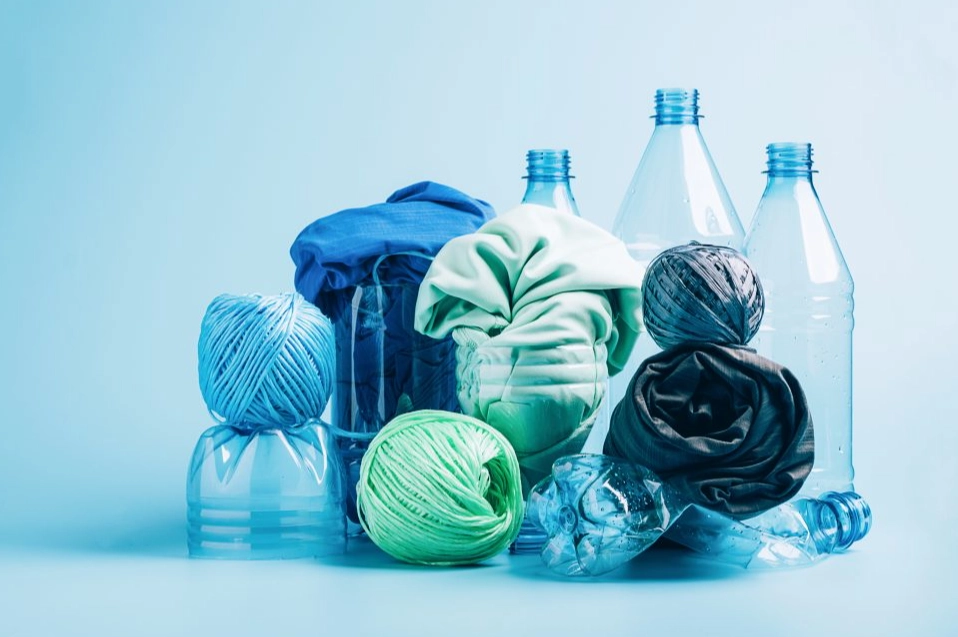
Key Takeaway: Recycled polyester is a material born from waste, primarily plastic bottles. Its main environmental pitch is reducing reliance on new oil and giving plastic a second use.
How Is Recycled Polyester Made? From Bottle to Jacket
The process is more industrial alchemy than simple craft. It typically follows these steps:
- Collection & Sorting: Plastic bottles are gathered, cleaned, and sorted by color. Clear bottles yield the most versatile, dyeable fiber.
- Shredding: Bottles are crushed into tiny flakes.
- Deep Cleaning: Flakes are washed at high temperatures to remove contaminants like labels, glue, and residue.
- Melting & Extrusion: The clean flakes are melted down into a thick liquid. This liquid is then forced through a spinneret—a showerhead-like device with tiny holes—to create long, continuous filaments.
- Spinning & Drawing: These filaments are cooled, stretched (which strengthens them), and spun into yarn.
- Weaving/Knitting: The yarn is then woven or knitted into fabric, just like virgin polyester.
The crucial thing to understand? Once it's melted and extruded, the chemical structure of the recycled polyester fiber is virtually identical to virgin polyester. This means it has the same performance qualities: durability, wrinkle resistance, quick-drying ability. It also means it inherits polyester's downsides, which we'll get to.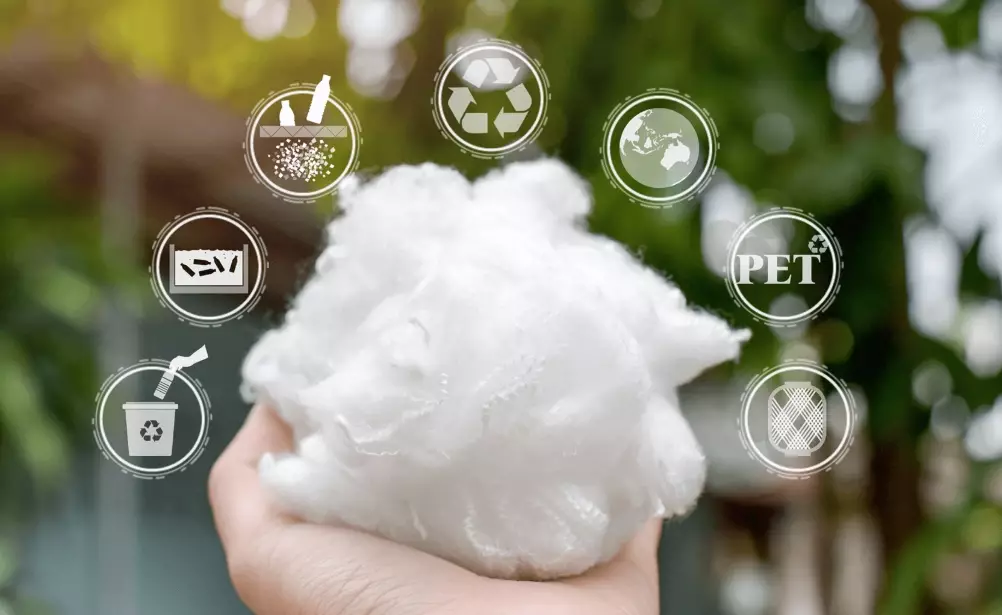
The Eco-Friendly Truth: Benefits vs. Limitations
Let's break down the environmental claims with a clear-eyed comparison.
| Aspect | Recycled Polyester (rPET) | Virgin Polyester |
|---|---|---|
| Raw Material | Post-consumer plastic waste (e.g., bottles) | Crude oil (petroleum) |
| Energy Use | Significantly lower (estimates: 30-50% less) | High (extraction, refining, polymerization) |
| Greenhouse Gas Emissions | Substantially reduced (up to ~75% less CO2) | High (a major contributor to fashion's carbon footprint) |
| Water Consumption | Drastically lower (almost no process water vs. high for oil refining) | Very high |
| Waste Diversion | Directly repurposes plastic from landfills/oceans | Creates demand for new plastic production |
The benefits are real and significant. Using rPET over virgin material is unequivocally a better choice for reducing carbon emissions and fossil fuel dependency. A study by the Swiss Federal Office for the Environment found rPET has a clearly better environmental profile in these key areas.
But here's where the "truly eco-friendly" claim gets murky.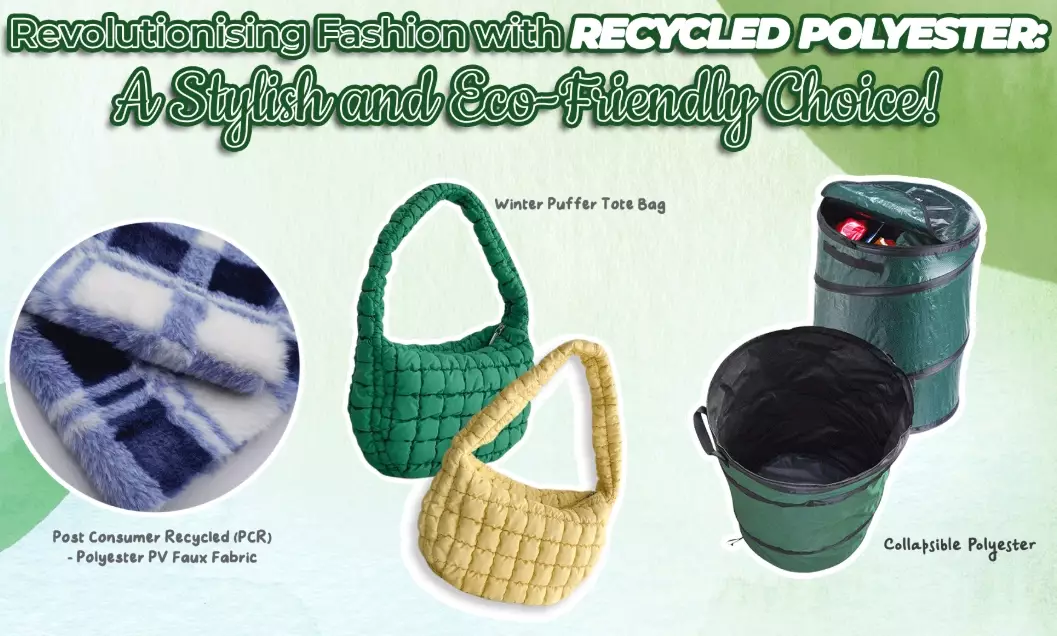
The Limitations and The Biggest Problem
First, the recycling process itself isn't zero-impact. It requires energy (often from non-renewable grids), and the mechanical recycling used for most rPET shortens the polymer chains slightly. This can limit the number of times PET can be recycled before quality degrades.
Second, and this is critical: recycled polyester does not solve the end-of-life problem. That jacket, once worn out, is just as non-biodegradable as a virgin polyester one. Most textile recycling systems can't handle blended fabrics (like poly-cotton), and dedicated polyester-to-polyester recycling at scale is still in its infancy. In reality, your recycled polyester garment will likely end up in a landfill or incinerator, just like its virgin counterpart. It delays, but doesn't prevent, the waste issue.
The most pressing concern, one I see consumers rarely connecting, is microplastics. Recycled polyester sheds microfibers when washed, just like virgin polyester. Some early research even suggests that because rPET fibers can be weaker due to the recycling process, they might shed more microplastics. These tiny plastic particles pollute waterways and enter the food chain. Buying "recycled" doesn't make you immune to this; you're still contributing to microplastic pollution with every wash.
How to Choose Truly Sustainable Recycled Polyester
So, is it a green choice? It's a greener choice than virgin polyester, but it's not a perfect, circular solution. Your goal as a conscious consumer should be to maximize the good and minimize the bad. Here’s your actionable checklist: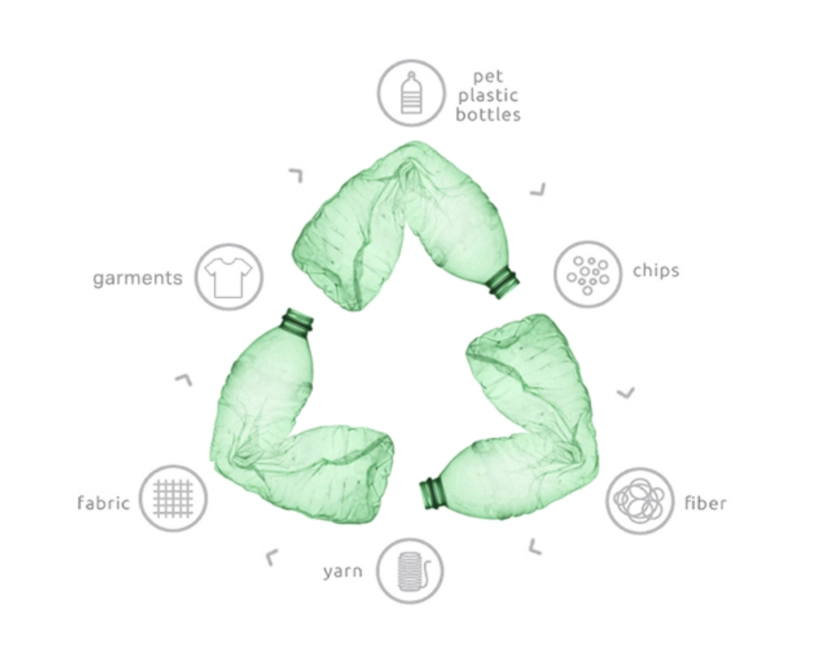
1. Look for Third-Party Certifications, Not Just Claims. A hangtag saying "made from recycled bottles" is a start, but a certification verifies it. Trust these:
- Global Recycled Standard (GRS): The gold standard. It tracks the recycled content through the supply chain and includes environmental and social criteria.
- Recycled Claim Standard (RCS): Simpler than GRS, it verifies the presence of recycled content.
- OEKO-TEX Standard 100: While not a recycled content cert, it ensures the final fabric is free from harmful chemicals—a crucial complement.
2. Prioritize High Post-Consumer Content. Aim for 100% post-consumer recycled polyester. If it's a blend, the higher the percentage, the better. "Made with recycled materials" could mean as little as 5%.
3. Support Brands Investing in Circular Systems. Look for brands that have take-back programs or are designing for recyclability. Patagonia (a leader here) not only uses rPET but also runs its own recycling program for worn-out garments. This tackles the end-of-life issue head-on.
4. Always Pair with a Guppyfriend or Cora Ball. If you buy synthetic fabrics (recycled or not), using a microfiber-catching laundry bag or ball is the single most effective thing you can do to reduce your microplastic footprint. It's non-negotiable in my book.
5. Think Longevity First. The most sustainable garment is the one you wear for years. Choose well-made, timeless pieces from recycled materials, not fast-fashion items that will fall apart quickly. Recycled polyester in a cheap, disposable top is an environmental contradiction.
Your Questions, Answered
Does recycled polyester feel different or lower quality than virgin polyester?
With modern technology, high-quality rPET is virtually indistinguishable in feel and performance. Early versions could be slightly rougher, but today's fabrics can be just as soft, durable, and high-performing. The difference is in the source, not the hand feel.
Is recycled polyester safe to wear? Does it contain BPA or other chemicals from the bottles?
The intense cleaning and high-heat melting process during recycling effectively removes previous contaminants. The resulting polymer is pure polyester. For added assurance, look for the OEKO-TEX certification, which tests for harmful substance residues.
 What's the difference between recycled polyester and "circular" polyester?
This is a key distinction. Most recycled polyester is "downcycled" from bottles to fabric, a one-way trip. "Circular" polyester refers to a closed-loop system where polyester textiles are recycled back into new polyester textiles (textile-to-textile recycling). This is the true holy grail for sustainability but is not yet widely available at scale.
Does recycled polyester shed more microplastics?
The research is still emerging, but there is valid concern. The mechanical recycling process can stress the polymer, potentially creating weaker fibers more prone to breakage. Until more definitive studies are in, the safest assumption is that it sheds at a comparable rate to virgin polyester, making a washing filter essential.
Are there any fabrics that are better than recycled polyester?
For activewear and outerwear where synthetic performance is needed, recycled polyester is currently the best widely available option. For everyday wear, natural fibers like organic cotton, linen, hemp, or Tencel lyocell (made from sustainably sourced wood pulp in a closed-loop process) often have a lower overall environmental impact, especially regarding microplastics and biodegradability. The best choice depends on the garment's purpose.
 The final word? Recycled polyester is a vital step in the right direction, a necessary transition technology that reduces immediate harm. But don't be fooled into thinking it's a perfect, guilt-free solution. Use it as a smarter choice within a broader mindset of buying less, choosing well, caring for clothes properly, and demanding true circularity from the brands you support. That's how you move beyond greenwashing and toward genuinely sustainable fashion.