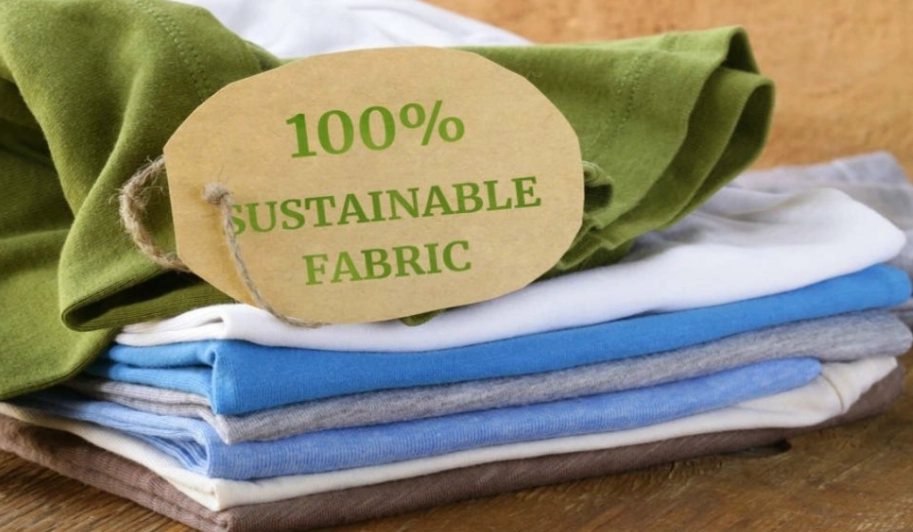
You're probably wearing it right now. That soft, stretchy t-shirt you live in, the comfortable dress you throw on for errands, the cozy pajama set you can't wait to get into. Chances are, it's made from cotton jersey fabric. But what is cotton jersey fabric, really? It's more than just "t-shirt material." It's a specific type of knit with a unique structure that gives it those beloved qualities. This guide will strip away the mystery. We'll look at how it's made, why it feels the way it does, where it shines (and where it doesn't), and how to make it last. Let's get into the knitty-gritty.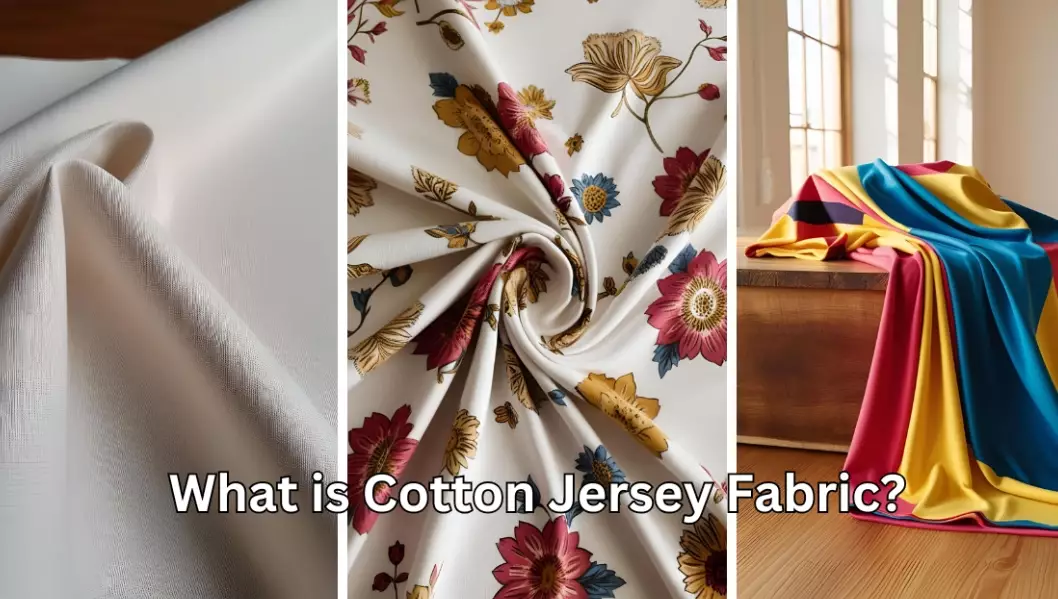
What You'll Discover in This Guide
- What Exactly Is Cotton Jersey Fabric?
- How is Cotton Jersey Fabric Made?
- Key Properties of Cotton Jersey Fabric
- Common Uses for Cotton Jersey Fabric
- Cotton Jersey vs. Other Knits: A Quick Comparison
- How to Choose Quality Cotton Jersey Fabric
- How to Care for Cotton Jersey Fabric
- Your Cotton Jersey Questions Answered
What Exactly Is Cotton Jersey Fabric?
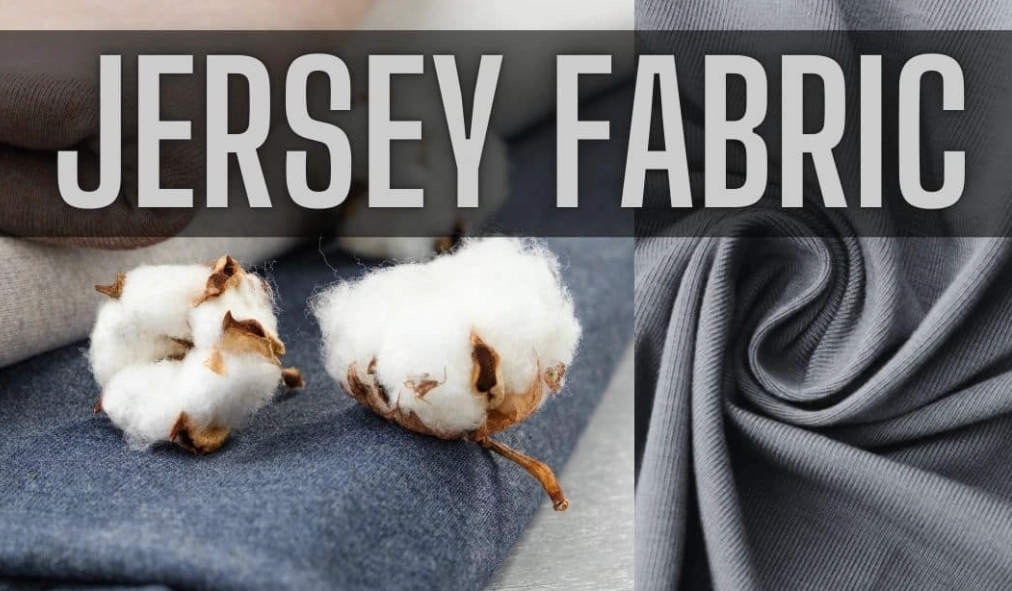
At its core, jersey is a single-knit fabric. Imagine a row of loops, all pulled in the same direction. That's the basic structure. The front side (the technical "right side") has smooth, vertical lines (called wales). Turn it over, and the back has a characteristic pebbly or nubbly texture from all those loop backs. This construction is what gives jersey its signature stretch – primarily in the width, with a little give in the length.
Now, pair that knit structure with cotton fiber. Cotton brings breathability, softness, and absorbency to the party. The combination is a home run for casual comfort. The term "jersey" originally came from the Channel Island of Jersey, where a type of wool knit was produced. Today, it's synonymous with this comfortable, looped construction, regardless of fiber.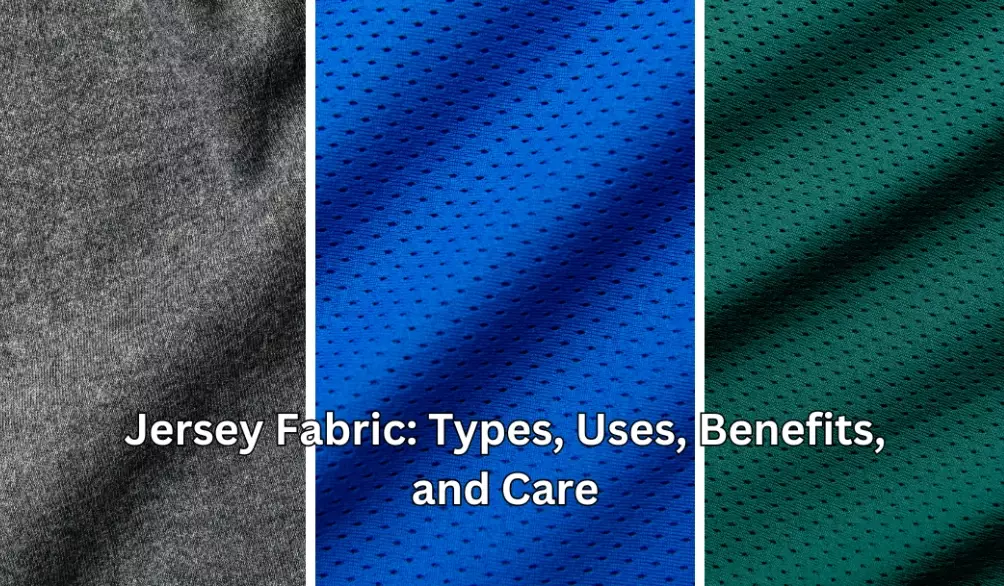
Quick Fact: Not all jersey is cotton. You'll find polyester jersey, rayon jersey, bamboo jersey, and blends. But cotton jersey remains the gold standard for everyday comfort and breathability.
How is Cotton Jersey Fabric Made?
It starts with cotton yarn. On a circular knitting machine, a single yarn is fed to form a continuous tube of fabric. Each loop is pulled through the loop below it, creating that interconnected chain. It's efficient and produces fabric at high speeds.
After knitting, the greige (gray) fabric goes through several finishing processes:
- Scouring & Bleaching: Removes natural waxes and impurities, and whitens the fabric if needed.
- Mercerization (Optional but Common): This is a game-changer. The fabric is treated under tension with a sodium hydroxide solution. It increases strength, luster, and dye affinity. Mercerized cotton jersey is smoother, shinier, and holds color brilliantly.
- Dyeing or Printing: Color is applied. Jersey takes dye beautifully, especially if mercerized.
- Finishing: Treatments like brushing (for a fleece inside), pre-shrinking (like Sanforization), or adding a softener.
This process is why a cheap jersey tee and a premium one can feel worlds apart. The quality of the starting yarn (its staple length and thickness) and the finishing steps make all the difference.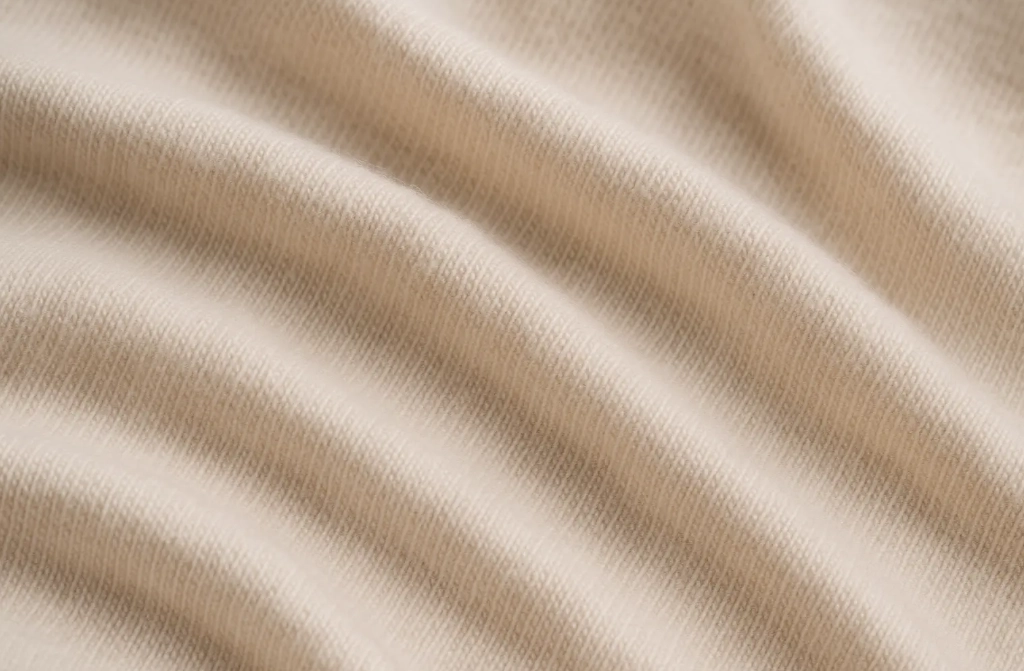
Key Properties of Cotton Jersey Fabric
Why do we love it so much? Let's break down its personality traits.
The Good Stuff
Breathability & Comfort: Cotton fibers are hollow, allowing air to circulate. This makes jersey fantastic for warm weather or layering. It's not clammy like some synthetics.
Softness (that improves with washes): High-quality cotton jersey starts soft and gets even softer over time. That "lived-in" feel is real.
Four-Way Stretch (in practice): While technically a cross-grain stretcher, the knit structure allows it to conform to your body comfortably. It recovers well from stretching, unlike some rayons.
Absorbency: Cotton can absorb up to 27 times its weight in water. This makes it great for towels, casual wear, and baby clothes because it pulls moisture away from the skin.
Easy to Sew (with the right needle): It doesn't fray like woven fabrics. But you need a ballpoint or jersey needle to push between the yarns instead of piercing and potentially snagging them.
The Quirks & Drawbacks
Curling Edges: The biggest headache for sewers. The cut edges, especially on the lengthwise grain, will curl towards the right side. Serging, hemming with tape, or using a twin needle are your friends.
Wrinkles: It wrinkles. Not as badly as linen, but it will crease in a suitcase or after a long sit. A low-steam iron fixes it easily.
Potential Shrinkage: Cotton loves to shrink in the first hot wash/dry cycle if not pre-shrunk by the manufacturer. Always check the label for "pre-shrunk" or plan for it.
Can Lose Shape: Cheap, thin jersey (low GSM) can bag out at the knees and elbows over time. Quality and fabric weight matter here.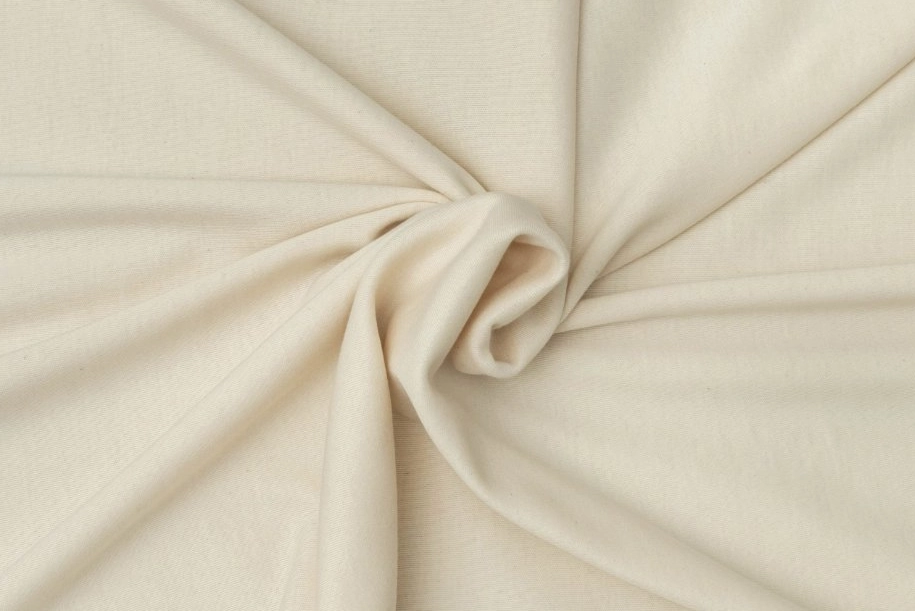
Common Uses for Cotton Jersey Fabric
Its application is a testament to its versatility. The weight of the fabric (measured in grams per square meter or GSM) dictates its best use.
- T-Shirts (150-180 GSM): The classic. Lightweight for everyday tees. Think your standard Hanes or Gildan tee.
- Premium T-Shirts & Polos (180-220 GSM): Heavier, more opaque, drapes better, holds its shape. Brands like Bella+Canvas or Next Level use these weights.
- Loungewear & Pajamas (160-200 GSM): Soft, breathable, perfect for sleeping and relaxing.
- Dresses & Skirts (160-220 GSM): For casual, flowy silhouettes. A heavier jersey gives more structure for a skater skirt.
- Baby & Children's Clothing (120-160 GSM): Soft on sensitive skin, breathable, and easy to wash.
- Undergarments & Leggings: Often blended with a bit of spandex (5-10%) for added recovery. Cotton jersey leggings are a cozy, casual alternative to athletic compression leggings.
- Bed Linens (Brushed Jersey): Known as "jersey sheets," these are brushed to create a soft, fuzzy surface. They're stretchy and cozy but can pill over time.
Cotton Jersey vs. Other Knits: A Quick Comparison
It's easy to get confused. Here’s how jersey stacks up against its knit cousins.
| Fabric Type | Construction | Feel & Look | Stretch & Recovery | Best For |
|---|---|---|---|---|
| Cotton Jersey (Single Knit) | One set of needles, single layer of loops. | Soft, smooth face; pebbly back. Curls at cut edges. | Good cross-grain stretch. Recovers well. | T-shirts, casual wear, loungewear. |
| Cotton Interlock | Two sets of needles, creates a double-layer. Essentially two jerseys back-to-back. | Smoother on both sides, thicker, more stable. Edges lie flat. | Less stretchy than jersey, but very stable. | Baby clothes, polo shirts, thicker t-shirts, dresses needing more structure. |
| French Terry | A jersey base with loops on the back that are brushed into soft piles. | Smooth face, soft, looped/toweling back. Absorbent. | Similar to jersey. Very cozy. | Sweatshirts, hoodies, athleisure, baby items. |
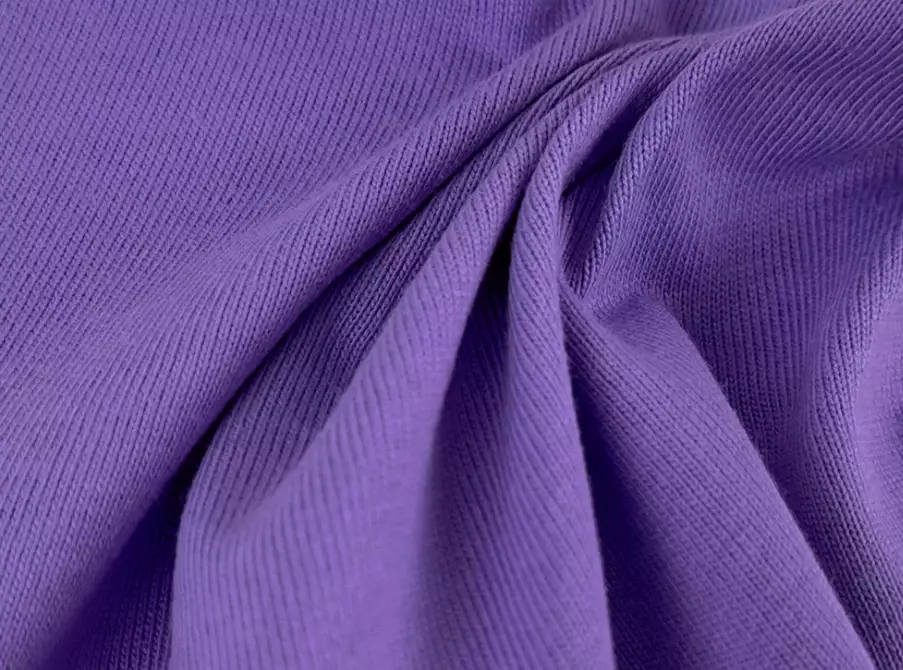
| Rib Knit | Vertical raised cords created by alternating knit and purl stitches. | Distinct vertical ribs. Very stretchy widthwise. | Excellent stretch and snap-back recovery. | Neckbands, cuffs, waistbands, fitted turtlenecks. |
| Cotton Ponte di Roma (Ponte) | A double-knit, usually with spandex. More sophisticated structure. | Firm, dense, smooth on both sides. Feels like a sturdy woven but with stretch. | Excellent four-way stretch and recovery. Holds shape. | Structured dresses, pants, skirts, blazers – where you want a tailored look with comfort. |
How to Choose Quality Cotton Jersey Fabric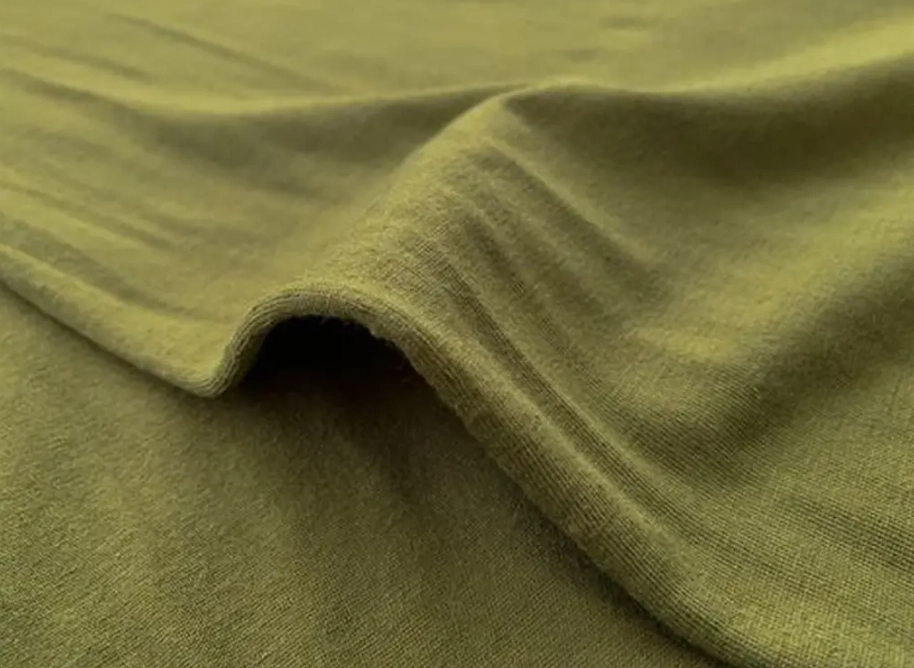
Not all cotton jersey is created equal. Here’s what to look for, whether you're buying a shirt or fabric off the bolt.
Fabric Weight (GSM): This is crucial. For a t-shirt that isn't see-through and holds up, aim for 180 GSM or higher. A 140 GSM tee will be flimsy and show every lump and bump.
Fiber Content: 100% cotton is great, but a 95% cotton / 5% spandex (or Lycra) blend adds lasting recovery, especially for fitted items or leggings. It prevents the dreaded knee-bag.
Yarn Quality: Longer staple cotton (like Pima, Supima, or Egyptian) means stronger, smoother, and less pilling yarns. It's a sign of a better base material.
Finish: Is it mercerized? That luster and strength are worth it. Is it pre-shrunk? Saves you a headache later.
Feel and Recovery: Stretch it widthwise in your hands. Does it spring back quickly, or does it stay stretched out? Good recovery is key for longevity. Rub the surface a bit. Does it feel sturdy or does it seem to thin out and pill immediately?
I made the mistake once of buying a super cheap jersey for a batch of kid's tees. They were soft... for one wash. Then they became thin, pilly, and misshapen. Lesson learned: the few extra dollars per meter for quality pays off tenfold in wear.
How to Care for Cotton Jersey Fabric
Treat it right, and it'll be a wardrobe staple for years.
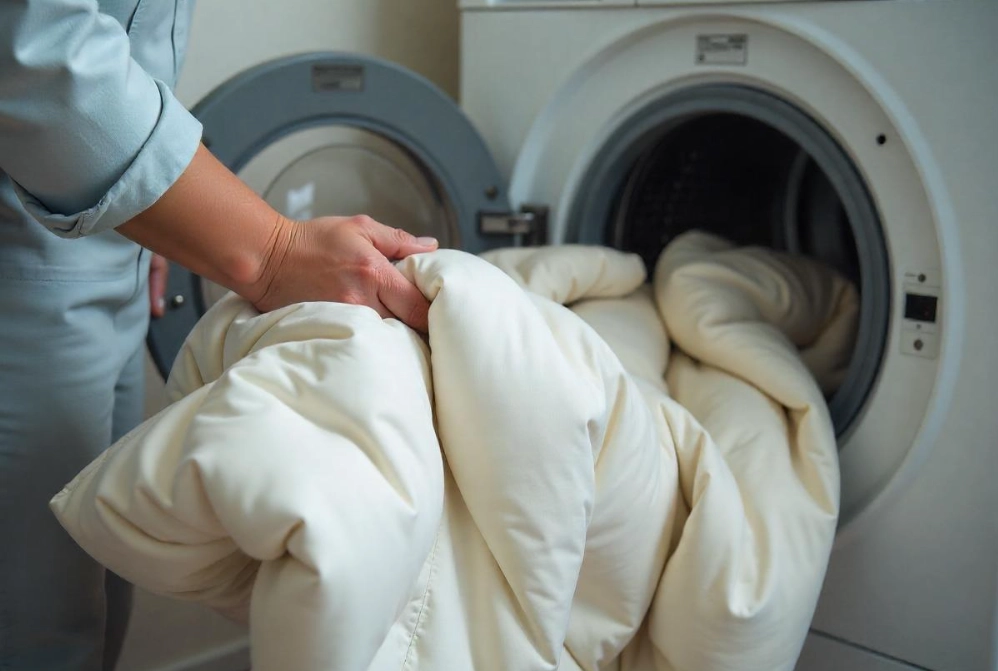
- Washing: Machine wash cold or warm. Cold is gentler on colors and the fabric. Turn garments inside out to minimize pilling on the surface.
- Drying: Tumble dry low or medium. Remove while slightly damp to minimize wrinkles and make ironing easier. For absolute minimal shrinkage, air dry flat. That cheap tee I mentioned? It shrank a full size and the print cracked after one hot dryer cycle.
- Ironing: Use a medium to high steam setting. Iron on the reverse side (the pebbly side) to avoid creating shine on the smooth right side.
- Storing: Fold it. Hanging heavy jersey items like sweatshirts is fine, but lighter t-shirts can stretch out at the shoulders if hung long-term.
Your Cotton Jersey Questions Answered