You've got this incredibly soft modal t-shirt, dress, or set of pajamas. It feels like a dream against your skin. Now you're itching to personalize it with a clever phrase, a logo, or a fun graphic using heat transfer vinyl (HTV). You grab your weeding tool and heat press, then pause. A nagging doubt creeps in. Can you even use HTV on modal fabric? A quick online search gives you a mess of conflicting advice, from "absolutely not" to "just use low temp." Let's cut through the noise.
Here’s the straight answer: Yes, you can, but it's a high-stakes operation that demands the right materials and a surgeon's precision. Treat it like any other fabric, and you'll end up with a shiny, melted mess or a design that peels off after one wash. I learned this the hard way years ago, ruining a perfectly good modal blend top by assuming my standard cotton settings would work. The fabric puckered and the HTV adhesive never fully bonded.
This guide is the result of a decade of trial, error, and finally, success. We'll dive into why modal is so tricky, identify the only type of HTV that stands a chance, and walk through a step-by-step process that actually works. Forget the generic tutorials; this is the specific, nitty-gritty info you need to make your project a success.
What's Inside This Guide?
What Makes Modal Fabric So Tricky for HTV?
Modal isn't your average cotton. To understand how to work with it, you need to know what you're up against. Modal is a type of rayon, a regenerated cellulose fiber made from beech tree pulp. Brands like Lenzing AG are major producers. Its magic—softness, breathability, drape, and silky sheen—is also its vulnerability in the crafting world.
The Core Problem: Modal fibers are highly sensitive to heat. They lose strength and can begin to degrade or scorch at temperatures that many standard HTV formulas require for proper adhesion (often 305°F / 150°C and above). It's a delicate balance—applying enough heat to melt the HTV adhesive without damaging the fabric underneath.
Beyond heat sensitivity, there are two other major hurdles:
- Smooth, Non-Porous Surface: Unlike cotton, which has tiny fibers for adhesive to grip, modal is often woven into a very smooth, dense fabric. This makes it harder for the HTV's hot-melt adhesive to form a strong mechanical bond.
- Blend Variability: Pure modal is rare in apparel. It's usually blended with cotton, spandex, or polyester. A 95% Modal / 5% Spandex blend behaves very differently under heat than a 60% Modal / 40% Cotton blend. You must check the fiber content label. Spandex (aka Lycra or elastane) is especially heat-sensitive and can be destroyed by high temperatures.
The Only Type of HTV That Works on Modal
This is the most critical piece of the puzzle. Do not, under any circumstances, reach for your everyday glitter or standard matte HTV. You need a specialist.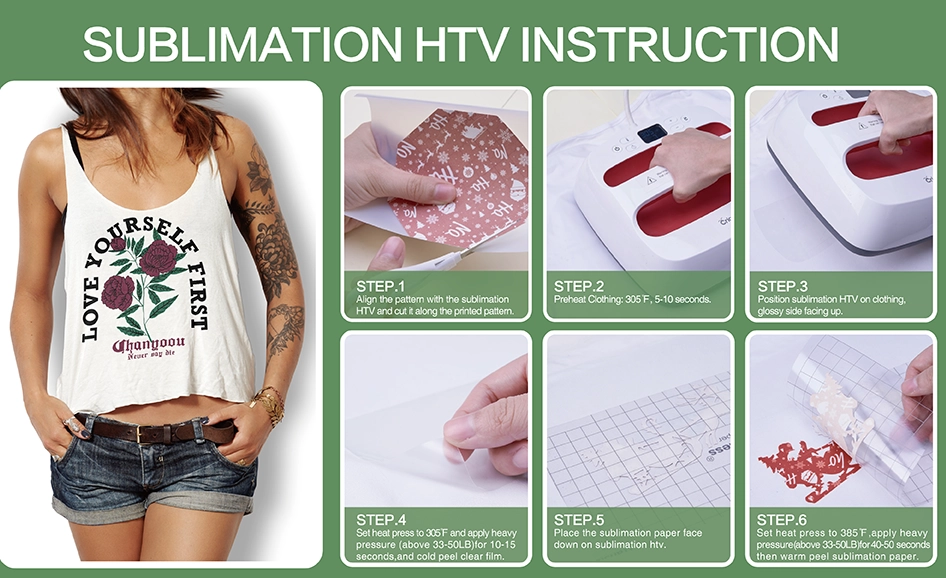
You must use an HTV specifically engineered for stretch fabrics, performance wear, or sensitive materials. These vinyls have two key features:
- Low-Temperature Adhesive: They activate and bond at significantly lower heat settings, typically between 270°F to 300°F (132°C to 149°C). This keeps you safely below modal's danger zone.
- High Stretch and Flexibility: Their polymer base is formulated to move with stretchy fabrics, preventing cracking. Since modal garments are often used for loungewear and fitted items, this flexibility is non-negotiable.
Pro Tip Most Miss: Even among "low-temp" HTVs, look for ones that explicitly mention "sensitive fabrics," "athletic wear," or "polyester." A vinyl marketed just for "stretch" might still assume a cotton-spandex base. The ones designed for slick, synthetic athletic jerseys (like those from Siser or Thermoweb) have the right adhesive chemistry for modal's smooth surface.
Brands to look for include Siser EasyWeed Stretch (their low-temp version), Thermoweb HeatTransfer Vinyl for Stretch Fabrics, or Cricut Everyday Iron-On (for Light Fabrics). Always, always do a test press on a scrap or hidden area (like the inside of a hem) with your specific fabric blend and chosen HTV.
A Step-by-Step Guide to Applying HTV on Modal Fabric
Here's the exact process I use for client projects on modal garments. Precision is everything.
Step 1: Pre-Press the Garment (Non-Negotiable)
Lay the garment flat on your heat press or ironing board. Use your heat press or a dry iron (NO steam) on a low setting (around 250°F / 121°C) to press the area where the design will go for 5-10 seconds. This does two things: it removes any moisture (which causes bubbling) and pre-shrinks the fabric slightly so it doesn't contract later under the main heat and distort your design.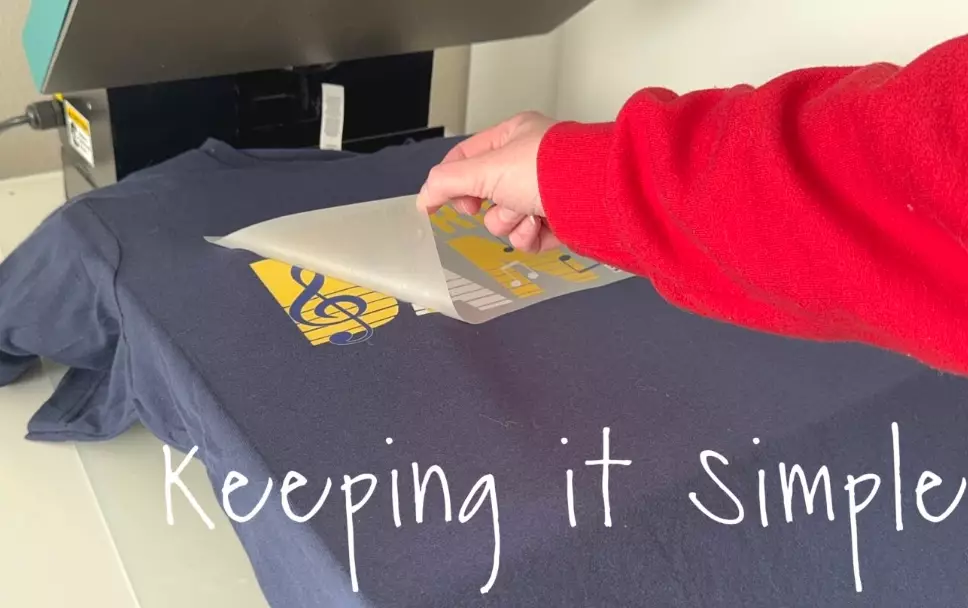
Step 2: Weed and Position with Care
Weed your design as usual. When positioning, remember modal can be slippery. Use heat-resistant tape (like painter's tape) on the edges of the carrier sheet to hold it in place, but avoid taping directly onto the fabric's surface, as it might leave a residue on delicate modal.
Step 3: The Magic Press Settings
This is where you throw out the manual. Start with the manufacturer's recommended settings for your specific low-temp/stretch HTV as a maximum. Then, dial it back.
- Temperature: Start at the absolute lowest recommended temp. If the range is 270°F-300°F, start at 270°F.
- Time: Use the minimum recommended time. Often 10-15 seconds.
- Pressure: Use medium pressure. Too high can imprint the carrier sheet texture or crush the fabric.
Do a test press. Let it cool completely, then do the "peel test." If the vinyl lifts easily, increase time by 3-5 seconds for your next test. Only increase temperature as a last resort, and in 5-degree increments.
Step 4: The Cool Peel and Post-Press
Almost all sensitive-fabric HTVs require a cool peel. Let the pressed design sit until it's completely cool to the touch. Then, peel the carrier sheet back on itself at a 180-degree angle, slowly. If you see any lifting, immediately lay the carrier sheet back down and press for another 3-5 seconds.
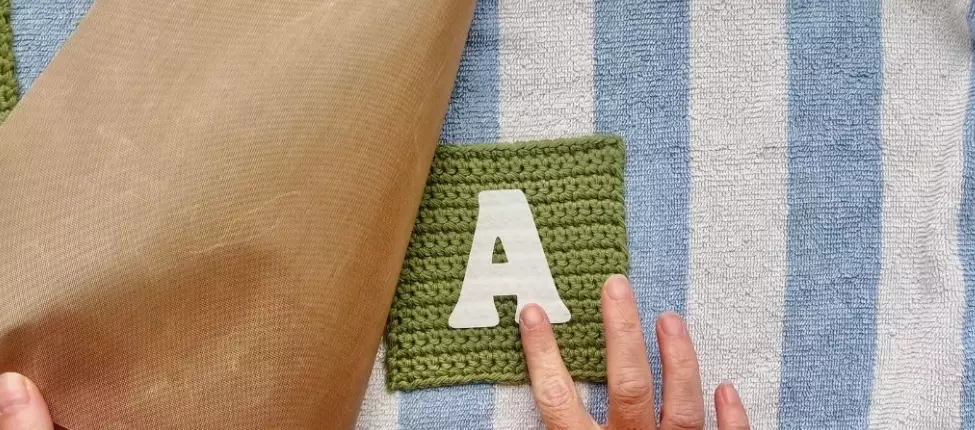
Once peeled, I do a final "kiss press" or cover with a Teflon sheet and press for another 5 seconds with light pressure. This helps set the adhesive without introducing more direct heat to the fabric.
How to Care for and Wash Your HTV-Modal Creation
Your job isn't done after the press. Proper care is what determines if your design lasts two washes or twenty.
- First Wash: Wait at least 24-48 hours before the first wash to let the adhesive cure fully.
- Turn It Inside Out: Always wash the garment inside out. This protects the design from abrasion against other clothes and the drum of the washer.
- Cold Water Only: Use a gentle, cold water cycle. Heat is the enemy, even in the wash.
- Skip the Dryer: This is the big one. Air dry flat or hang dry. The intense, sustained heat of a dryer is the fastest way to weaken the adhesive bond or damage the modal fibers. If you must use a dryer, choose the absolute lowest heat setting or no heat (air fluff) for a very short time.
- No Direct Ironing: Never iron directly on the HTV design. If you need to iron the garment, iron it inside out on a low setting, avoiding the design area.
Your Top HTV-on-Modal Questions, Answered
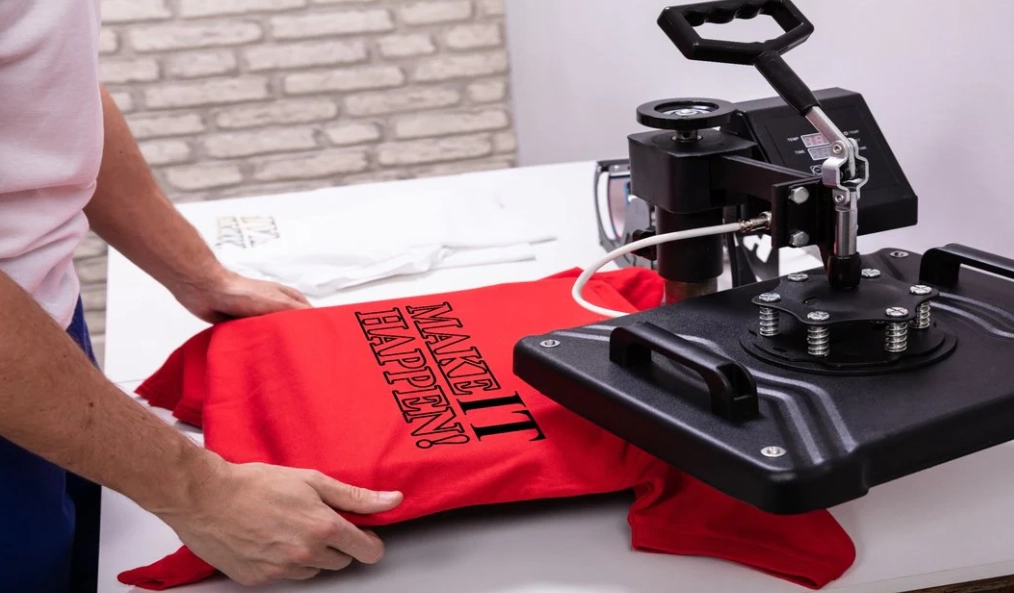 So, can you use HTV on modal fabric? The path is narrow and requires the right tools and patience, but it's absolutely navigable. The reward—a beautifully personalized piece that retains its luxurious feel—is worth the extra steps. Ditch the guesswork, grab the right low-temp vinyl, and treat that modal with the respect it deserves. Your next favorite custom piece is waiting.