You're holding a silk scarf. It feels cool, smooth, impossibly light. Ever stopped to think how something this delicate comes from a bug? The process of turning silk into fabric is one of humanity's oldest and most ingenious textile arts. It's not just about weaving thread; it's a precise dance of biology, chemistry, and craftsmanship. Most online guides give you the basic steps—sericulture, reeling, weaving—but they miss the crucial *why* behind each action. Getting any step wrong doesn't just make lower quality silk; it can ruin the entire batch. Let's walk through the real journey, from the mulberry leaf to the finished fabric on your back.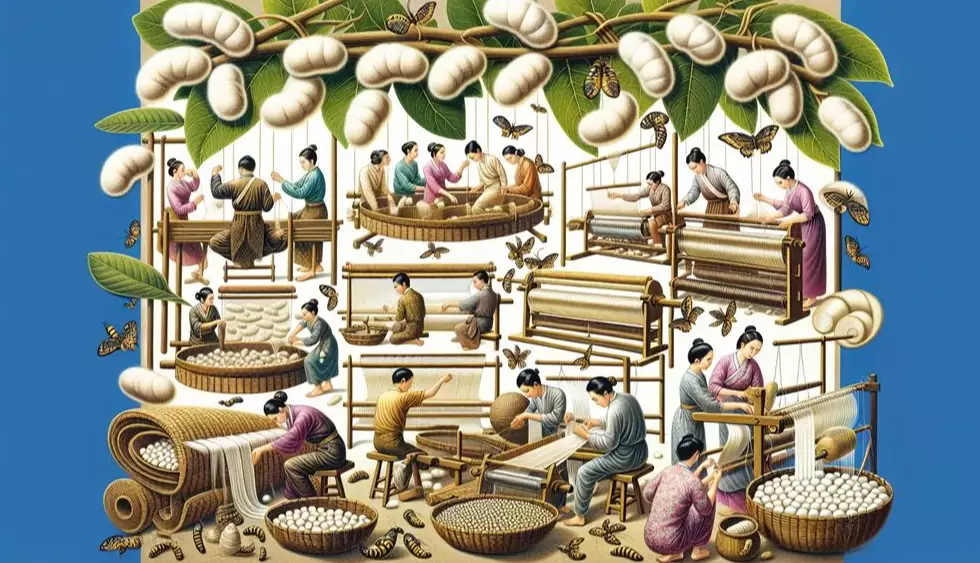
Your Silk Journey at a Glance
From Cocoon to Raw Silk: The Foundation
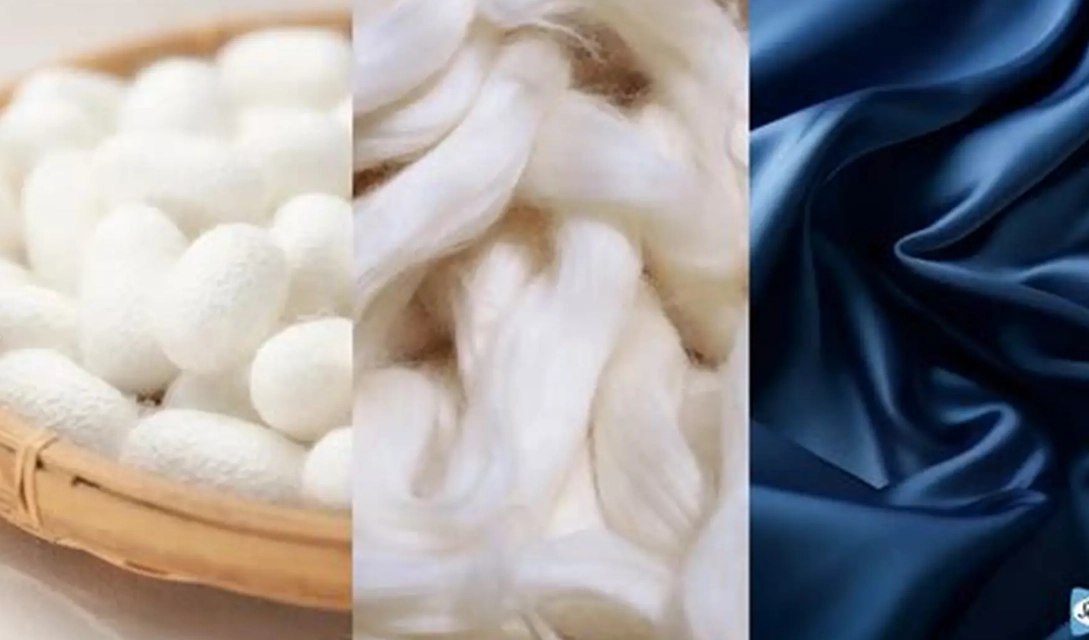
It all starts with the silkworm, or more precisely, the caterpillar of the Bombyx mori moth. For about a month, it does nothing but eat mulberry leaves. This diet is non-negotiable—it's what gives the highest quality silk, known as Mulberry silk, its strength and legendary sheen. When it's ready to pupate, the caterpillar secretes a liquid protein from glands in its head. This liquid hardens on contact with air, forming a single, continuous filament that it wraps around itself in a figure-eight pattern. Two to three days later, you have a cocoon.
Harvesting and Reeling: The Delicate Unwinding
To get a continuous thread, the pupa inside must be prevented from maturing and breaking the cocoon by secreting an enzyme. This is typically done by steaming or baking the cocoons. It's a step that raises ethical questions, leading to the development of Ahimsa or Peace Silk, where the moth is allowed to emerge, resulting in shorter, sometimes tangled threads.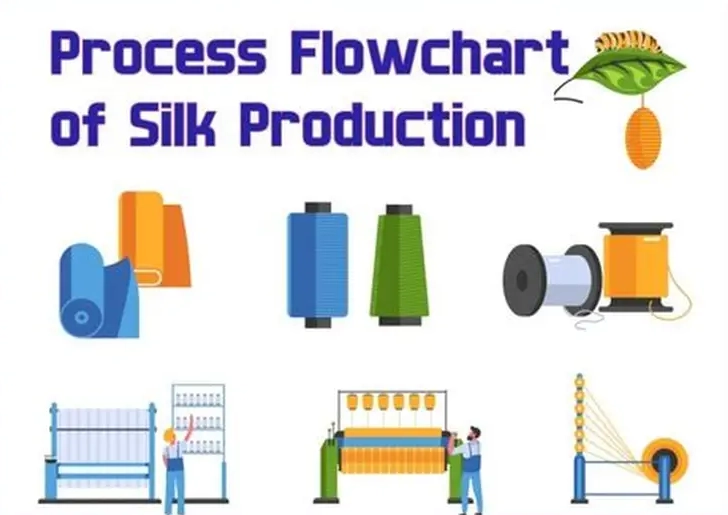
Next comes reeling or filature. The cocoons are soaked in hot water (around 95°C or 203°F) to soften the sericin. A common mistake is using water that's too hot, which can degrade the silk's natural proteins and reduce its luster. The reeler then finds the loose end of the filament. Since one filament is too fine for practical use (about 1/10th the diameter of a human hair), threads from several cocoons—usually 4 to 8—are gently twisted together as they are wound onto a reel. The residual sericin acts as a glue, binding them into a single, stronger strand called raw silk or reeled silk.
What you have now is not the soft silk you know. Raw silk is coarse, stiff, and has a dull, yellowish color from the sericin. It feels more like a fine fishing line than a luxury fabric.
From Thread to Fabric: Weaving & Finishing
This is where the transformation happens. The raw silk skeins are taken to a throwing mill (the term for a silk yarn mill). Here, the raw silk may be twisted to create different weights and textures—a process called throwing. Crepe silk, for example, is tightly twisted to give it that characteristic pebbly texture and elasticity.
The Magic of Degumming
Before or after throwing (depending on the desired final product), the silk undergoes its most transformative step: degumming. The skeins are washed in a hot, mild soapy solution. This dissolves and removes the sericin gum, which can constitute 20-30% of the raw silk's weight.
The moment the sericin washes away is magical. The fibers suddenly become brilliantly white, unbelievably soft, and gain their iconic shimmering luster. This luster comes from the triangular prism-like structure of the silk fibroin protein, which refracts light like a prism. Now you have the silk thread ready for dyeing and weaving.
Weaving: Where the Fabric Takes Form
Silk can be woven on looms just like cotton or wool, but it demands more skill. The threads are incredibly fine and strong but also prone to snagging. The weave structure fundamentally defines the fabric's character, drape, and use.
| Weave Type | Key Characteristics | Common Uses |
|---|---|---|
| Plain Weave (e.g., Habotai, Chiffon) | Simple over-under pattern. Lightweight, flat surface, can be sheer. | Scarves, linings, blouses, lingerie. |
| Twill Weave (e.g., Silk Noil, Surah) | Diagonal rib pattern. Drapes well, more durable than plain weave, resists wrinkles. | Dresses, ties, skirts, upholstery. |
| Satin Weave (e.g., Charmeuse, Duchess Satin) | Long "floats" of warp thread create a supremely smooth, glossy front and a dull back. | Evening gowns, bridal wear, luxury bedding. |
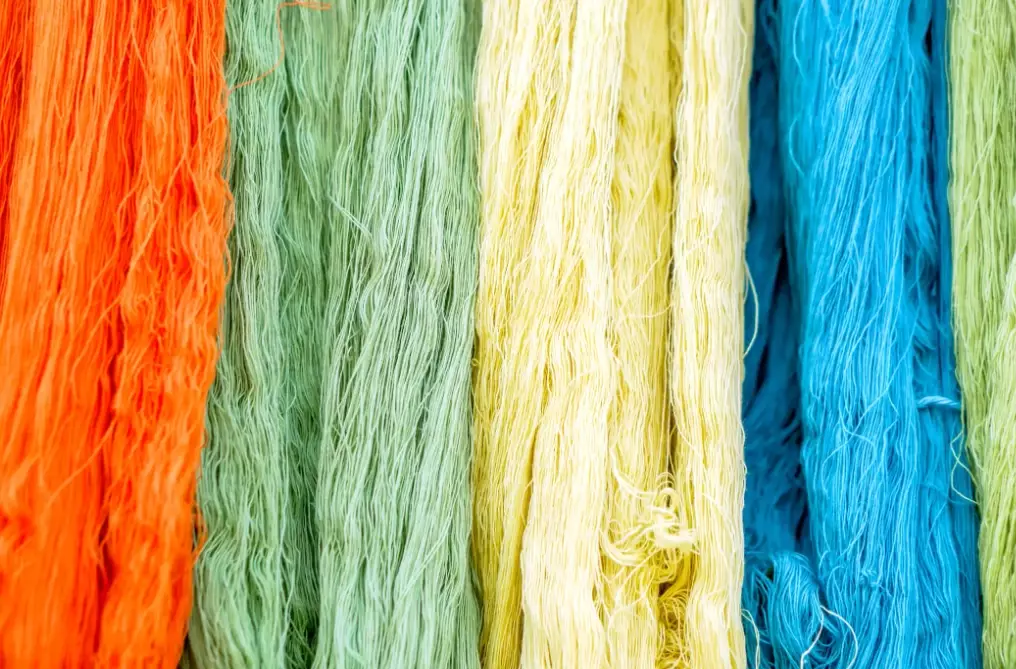
After weaving, the fabric (now called greige goods) goes through finishing processes. This can include more washing, bleaching (for pure white silk), dyeing or printing, and treatments for specific effects like wrinkle resistance or increased weight (weighting—a controversial practice where metallic salts are added, making silk heavier but often less durable).
What Makes Silk So Special?
Beyond the process, it's the inherent properties of the silk filament that create the magic. That triangular fiber structure does more than make it shiny. It makes silk a natural temperature regulator, warm in winter and cool in summer. The proteins are gentle on the skin and can even help retain moisture. It's also remarkably strong for its weight—a quality that made it valuable for parachutes in the past.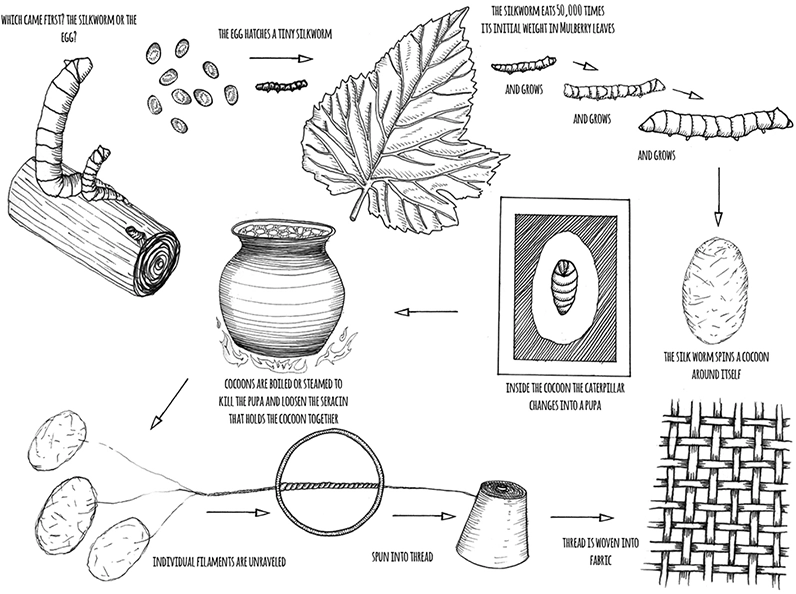
But here's my personal gripe with modern marketing: not all silk is created equal. The term "100% silk" on a label tells you nothing about the quality of the threads. Most of the silk you buy today is made from spun silk or silk noil, which comes from the broken inner parts of the cocoon or waste from the reeling process. It's shorter fibers that are spun together like cotton. The result? A fabric that's still lovely, with a nubby texture, but it lacks the continuous filament strength, smoothness, and high sheen of true reeled silk. There's a place for both, but you should know what you're paying for.
A Quick Guide to Common Silk Fabric Types
Walking into a fabric store can be confusing. Here’s a cheat sheet:
- Charmeuse: That classic, slippery satin-weave silk with a glossy front and matte back. Drapes beautifully but snags easily.
- Crepe de Chine: A plain weave made with twisted threads. It has a subtle pebbly texture, a graceful drape, and resists wrinkles. My go-to for travel.
- Habotai (or China Silk): A lightweight, plain weave. Often used for linings or lightweight scarves. It’s affordable but can tear easily.
- Dupioni (or Dupion): Made from threads from two cocoons that spun together, creating irregular slubs. It has a crisp, structured hand and a shimmery, almost iridescent look. Perfect for structured blouses or wedding dresses.
- Organza: A sheer, crisp plain weave. It’s stiff due to the high twist of the threads. Think bridal veils and ballgown overlays.