Let's be honest. You're not just buying fabric. You're buying peace of mind. You're investing in a sofa that won't look shredded after two years because of your dog's favorite napping spot, or a chair that can survive your kids' movie nights and snack attacks. The quest for the most durable upholstery fabric isn't about finding a single magical material. It's about matching the right material's strengths to your specific life. I've spent over a decade sourcing fabrics for high-traffic commercial spaces and fussy residential clients, and the biggest mistake I see is people choosing a fabric type without understanding the construction and finish that make it truly durable.
What You'll Learn in This Guide
The Contenders: A Real-World Durability Breakdown
Forget vague descriptions. Here’s how the top performers stack up in the areas that actually matter: abrasion resistance (rubbing), tensile strength (pulling), and stain resistance. I've included a key metric called a double-rub count (based on the Wyzenbeek or Martindale test), which is the industry standard for measuring abrasion. Residential fabric should be at least 15,000 double rubs; heavy-duty starts at 30,000+.
| Fabric Type | Key Durability Traits | Best For | Watch Out For | Approx. Double Rub Range |
|---|---|---|---|---|
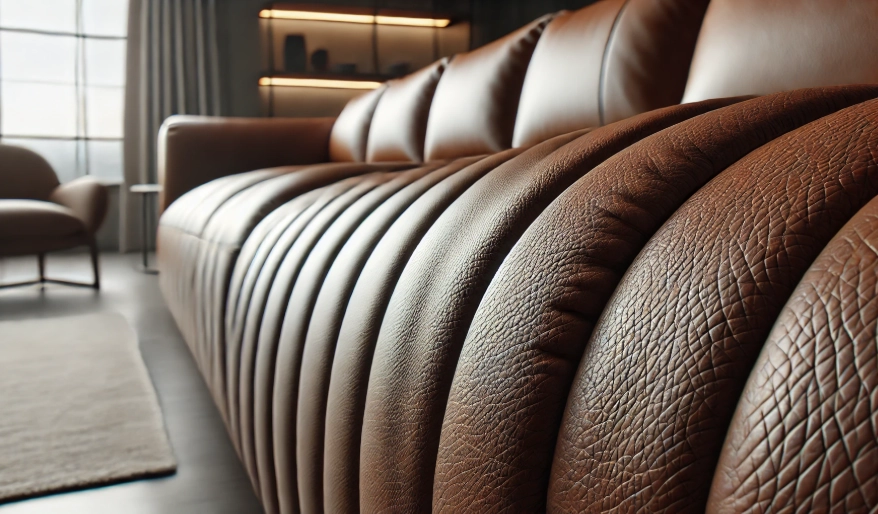
| Top-Grain Leather | Develops a patina, doesn't pill, easy to clean surface. Incredibly strong. | Classic looks, adult households, easy maintenance. Ages beautifully if cared for. | Scratches show, can be hot/cold, pet claws can puncture. Cheap leather ("corrected grain") is less durable. | 100,000+ |
| Performance Synthetics (Crypton, Sunbrella, etc.) | Engineered for stain, moisture, and microbial resistance. Often solution-dyed for fade resistance. | Households with pets, young children, or in rooms with high sun exposure. The modern workhorse. | Can have a less "natural" hand-feel. Not all are created equal—check the specific tech. | 50,000 - 100,000+ |
| Heavy-Duty Microfiber / Microsuede | High rub count, dense weave, often stain-resistant. Feels soft but is surprisingly tough. | Family rooms, kids' furniture, where comfort and durability are equally important. | Can attract pet hair and lint. Some cheaper versions may pill or lose texture. | 50,000 - 100,000+ |
| Canvas & Duck Cloth (Cotton Blend) | Very tight, plain weave. High tensile strength. Natural fiber feel. | Casual, rustic, or high-use pieces like slipcovers. Often used in commercial settings. | Can soil easily if not treated. May wrinkle. Pure cotton is less fade-resistant. | 30,000 - 50,000+ |
| Olefin / Polypropylene | Excellent resistance to abrasion, stains, fading, and moisture. Inert, so no mold/mildew. | Outdoor furniture, basements, poolside, or any high-moisture environment. | The hand-feel can be plasticky. Not as soft as other synthetics for primary living spaces. | 50,000+ |
See the range on that rub count? A high-quality performance synthetic can technically out-abrade many leathers. But would I put it on a classic Chesterfield sofa? No. Durability is contextual.
The Hidden Factors: What Really Makes Fabric Durable
Here's the non-consensus part most blogs miss. The fiber is just the starting point. I've seen a "durable" fabric fail because of poor construction.
Weave Density is Everything
A tight, dense weave like a twill or sateen will always outlast a loose, open weave, regardless of fiber. Hold the fabric up to the light. If you see a lot of light passing through, it's more vulnerable to snags and dirt penetration. This is why a tightly woven cotton canvas can be more durable than a loosely woven "heavy" wool.
The Finish is the Force Field
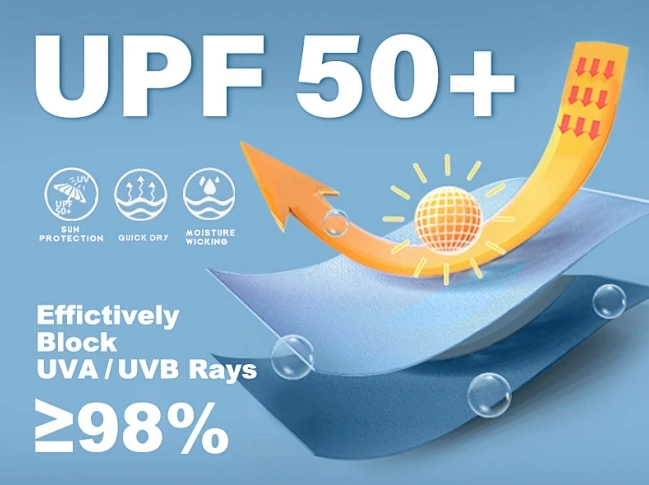
This is the secret weapon. A nano-cellulose or fluorochemical finish (like Teflon or similar) applied at the mill creates an invisible barrier. It causes liquids to bead up, giving you crucial minutes to clean a spill before it becomes a stain. Most "stain-resistant" fabrics have this. Always ask: "Is the stain resistance built into the fiber (solution-dyed) or applied as a finish?" Applied finishes can wear off with cleaning over 5-7 years.
Thread Count and Pilling
Higher thread count in woven fabrics usually means finer, stronger yarns packed tighter. For knits (common in performance fabrics), look for a low-pilling rating. Pilling isn't just ugly; it's the first sign of fiber breakdown.
My Expert Tip: Don't just feel the fabric in the showroom. Ask for a cutting or swatch. Try to scratch it gently with your fingernail. Try to pull a thread. Put a drop of water on it. This 30-second test tells you more than any sales tag.
Stop Guessing: Match the Fabric to Your Actual Life
Let's get specific. Here are real scenarios I've helped clients navigate.
Scenario 1: The "Everything" Family Room with a Dog and Kids. This is the ultimate test. You need a fabric that laughs at juice, mud, and fur.
My Pick: A solution-dyed performance fabric like Crypton or similar. Why? The color is locked into the synthetic fiber (usually polyester or nylon), so it's incredibly fade-resistant. It has built-in moisture, stain, and antimicrobial barriers. It cleans with bleach in many cases. Pair it with a tight weave. Leather is a risky second choice here—one excited jump with dirty paws can leave permanent scratches.
Scenario 2: The Sunny Reading Nook. Direct sunlight is a fabric assassin. It bleaches color and weakens fibers.
My Pick: Solution-dyed acrylic (like Sunbrella) or olefin. These are originally outdoor fabrics for a reason. Their UV resistance is unmatched. Fading is minimal even after years of direct sun. Avoid silk, linen, or any natural, untreated cotton here.
Scenario 3: The Formal, Adult-Only Living Room. Durability here is about maintaining elegance and structure over decades, not surviving spills.
My Pick: A high-quality, aniline or protected top-grain leather, or a very dense, tightly woven fabric like a wool blend or velvet with a high rub count. The durability comes from the material's innate strength and the fact it won't face daily assaults. A good leather will last a lifetime and look better with age.
Decoding the Jargon: Understanding Fabric Durability Tests
You might see these terms. Here's what they mean in plain English.
Wyzenbeek / Martindale (Double Rubs): As mentioned, this is the abrasion test. A piece of cotton or wire mesh is rubbed back and forth on the fabric until it shows wear. 15,000 double rubs is the minimum for residential use. 30,000+ is heavy-duty. Commercial-grade starts at 100,000. Don't obsess over astronomically high numbers for your home; beyond 50,000, you're often paying for commercial specs you don't need.
Tensile Strength (Warp & Weft): Measures how much force it takes to tear the fabric. Important for items that get sat on heavily or pulled (like tight-backed cushions).
Colorfastness to Light: A rating (usually 1-5 or 1-8) of how well the fabric resists fading. Look for a rating of 4 or higher for sun-exposed areas. The American Association of Textile Chemists and Colorists (AATCC) sets these standards.
Durability is a Partnership: How Care Dictates Longevity
The most durable fabric in the world will fail if you abuse it. Your care routine is half the battle.
Vacuum weekly with an upholstery attachment. This removes abrasive grit and dust that works into fibers and causes wear from the inside out.
Flip and rotate cushions monthly. This ensures even wear and prevents one side from breaking down.
Clean spills immediately. Blot, never rub. Use the cleaner recommended by the manufacturer. My go-to for most synthetics is a mild dish soap and water solution.
Avoid direct, prolonged sunlight with blinds or curtains. Even fade-resistant fabrics will eventually succumb.
Consider professional cleaning every 12-18 months for high-use pieces. It revitalizes the protective finishes.
Your Most Pressing Durability Questions
 The bottom line? The most durable upholstery fabric is the one engineered for your definition of wear and tear. It's a combination of the right fiber, a tight construction, a powerful finish, and your commitment to basic care. Skip the hype, look beyond the generic labels, and test the fabric against the real-world challenges it will face in your home.