You pull your favorite wool sweater out of the closet, the one that feels like a hug, and your heart sinks. There's a stain on the cuff. The age-old panic sets in. Can you wash wool? Will it shrink into a doll-sized garment? I've been there. I once turned a beautiful merino wool base layer into something my cat wouldn't even sleep on because I got cocky with hot water.
Let's clear this up right now: you absolutely can and should wash wool. The idea that wool is too delicate to clean is a myth that leads to musty, worn-out fibers. The real trick isn't avoiding water—it's understanding how wool works. Wool fibers have natural scales. Heat and agitation make those scales lock together, which is exactly what causes felting and shrinkage. Your goal is to clean while keeping those scales calm.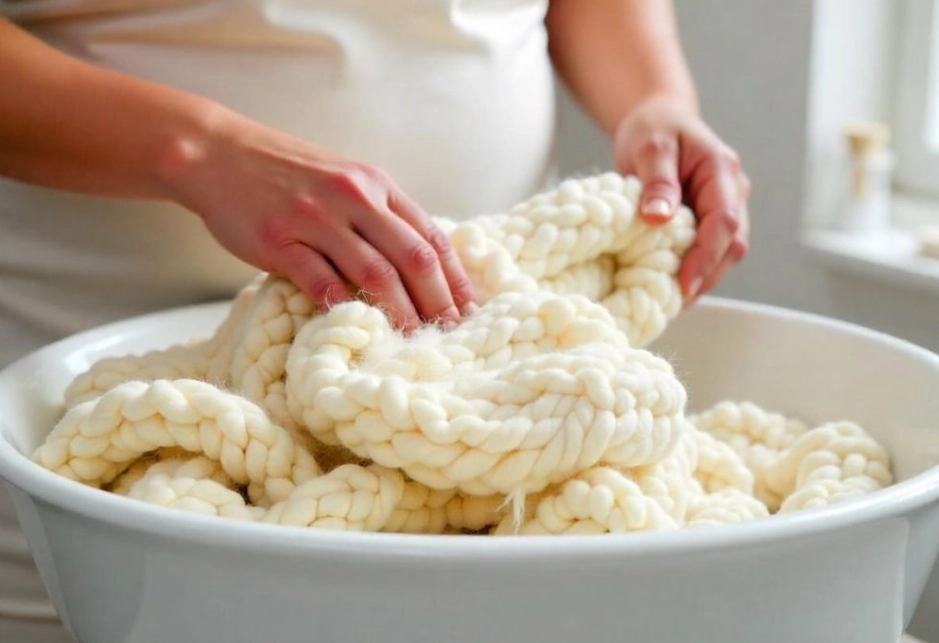
What You'll Learn in This Guide
- Why Wool Needs Special Care (It's Not Just About Shrinking)
- The First Step Everyone Misses: Check the Label
- The Gold Standard: How to Hand Wash Wool Like a Pro
- Can You Machine Wash Wool? A Safe Step-by-Step Method
- The Most Critical Phase: Drying Wool Properly
- 5 Common Wool Washing Mistakes (And How to Avoid Them)
- Your Wool Care Questions, Answered
Why Wool Needs Special Care (It's Not Just About Shrinking)
Think of wool as a living fiber. It's hygroscopic, meaning it absorbs moisture from the air. That's why it's so good at regulating temperature. But this also means it's sensitive to sudden changes. Dumping it in hot water is a shock to its system.
The felting process is the main enemy. Agitation + heat + moisture = felted wool. Once those scales are locked, you can't unlock them. The sweater is done.
But here's a nuance most guides skip: wool also has natural lanolin. This wax-like substance makes it somewhat water-resistant and soft. Harsh detergents strip this away, leaving the wool feeling harsh and brittle over time. You're not just cleaning dirt; you're preserving the fiber's natural integrity.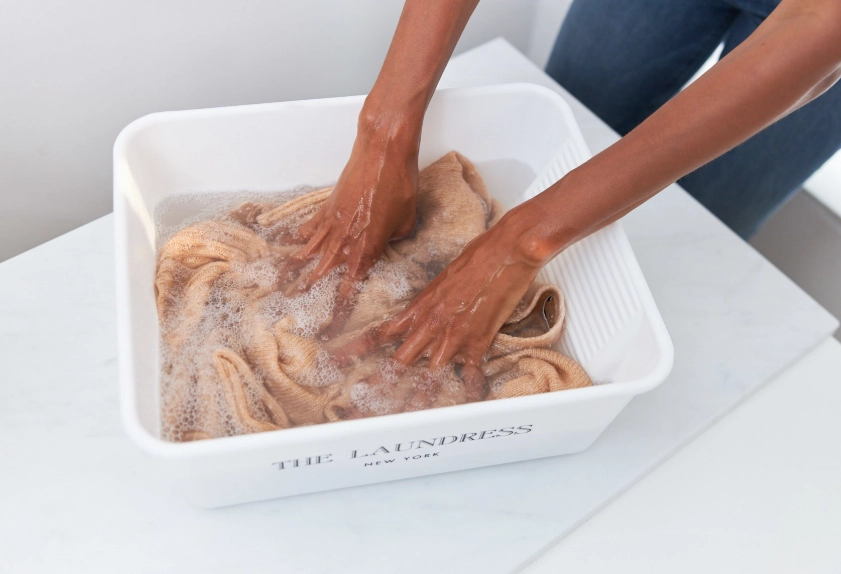
The First Step Everyone Misses: Check the Label
Before you even think about water, look at the care label. This isn't a suggestion; it's the manufacturer's blueprint. I've seen "dry clean only" on items that are actually superwash wool (which is designed to be machine washed). Conversely, some "machine washable" wools are very lightweight and still benefit from hand washing.
Label Decoder: A circle means dry clean. A tub with a hand means hand wash only. A tub with a number (like 30) means you can machine wash at that temperature in Celsius. A triangle with an X means no bleach. The square with a circle inside is tumble dry.
If the label is gone, do a spot test. Dab a tiny bit of cool water and wool-safe detergent on an inconspicuous area (like an inside seam). Blot it dry. If the color doesn't run and the texture seems fine after it dries, you're likely safe to proceed.
The Gold Standard: How to Hand Wash Wool Like a Pro
For most wool items—especially sweaters, scarves, and non-superwash wools—hand washing is the safest bet. It gives you total control. You'll need a clean sink or basin, lukewarm water (never hot!), and a wool-specific detergent. Brands like Eucalan or The Laundress Wool & Cashmere Shampoo are great because they contain lanolin or lanolin substitutes, and they don't require rinsing, which minimizes handling.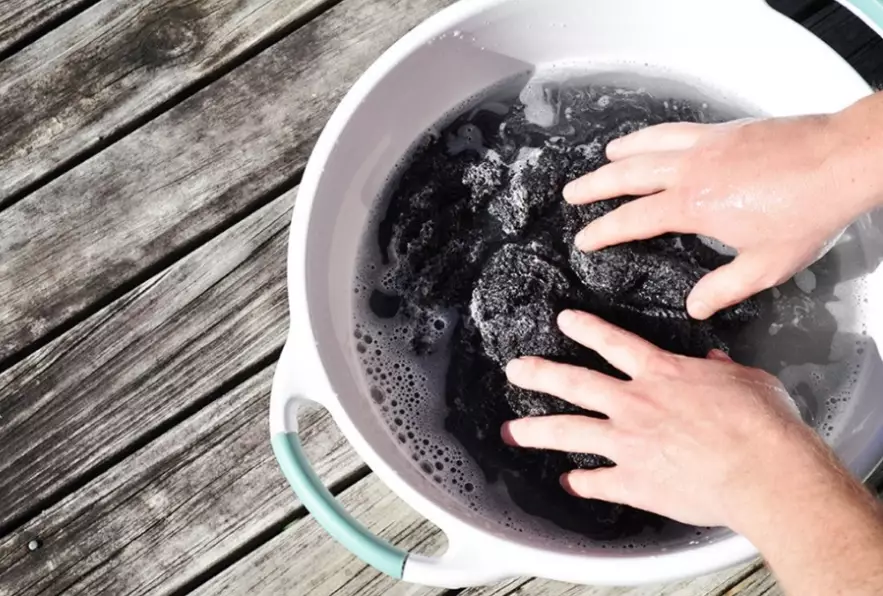
The Step-by-Step Hand Wash Process
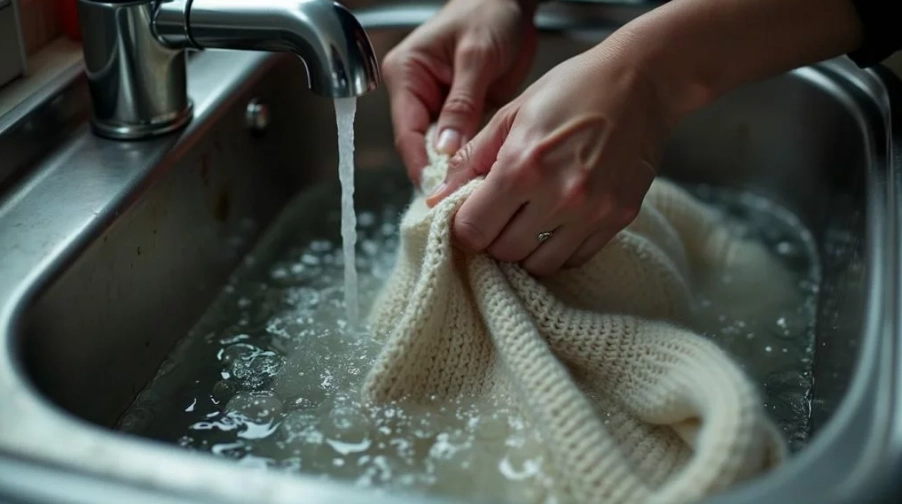
First, fill your sink with lukewarm water. Test it with your wrist—it should feel neutral, barely warm. Add the detergent according to the bottle's instructions and swish it to dissolve.
Submerge your wool item. Gently press it down to soak. Let it sit for 10-15 minutes. This is the soaking phase where the detergent does the work. Don't agitate, twist, or scrub. For stains, gently press the fabric against itself over the stain.
Here's my personal trick: after soaking, I lift the whole item out, let the dirty water drain, refill the sink with clean lukewarm water, and lower the item back in for a quick rinse. I do this 2-3 times until the water runs clear. The key is to support the weight of the wet wool—never let it hang or stretch.
The Big No-No: Never, ever wring out wool. You'll stretch it permanently and encourage felting. The weight of the water itself is enough to distort the shape if you're not careful.
Can You Machine Wash Wool? A Safe Step-by-Step Method
Yes, but with strict rules. This is only for items labeled "machine washable" or "superwash wool." Superwash wool has been chemically treated to smooth down the scales, making it resistant to felting.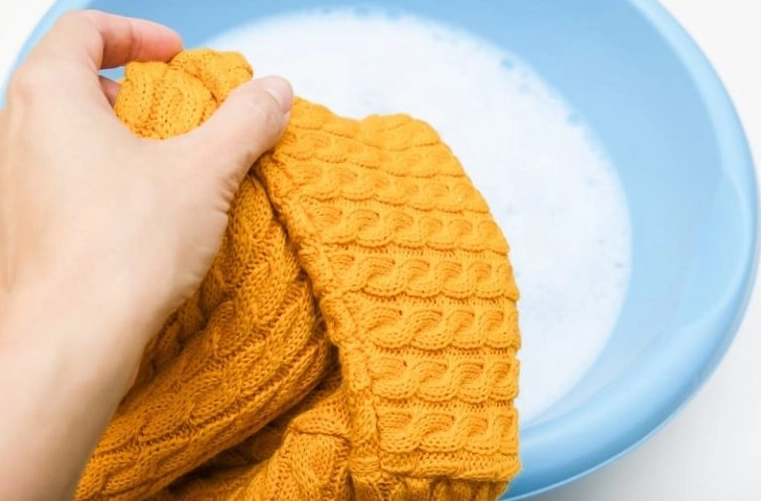
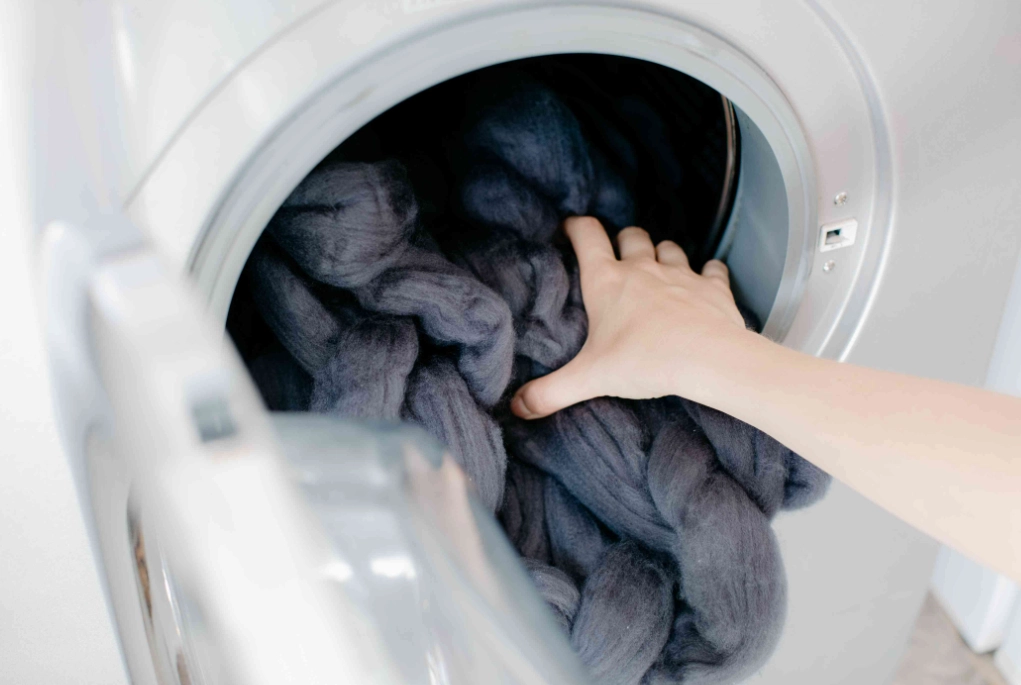
Use a front-loading washing machine if possible. Top-loaders with an agitator are too rough. Select the Wool or Delicate cycle. This uses a slow spin and cold or lukewarm water. Set the spin speed to the lowest possible option (often 400 RPM or less).
Always use a mesh laundry bag for extra protection. It prevents snagging and excessive friction. One sweater per bag.
Detergent is critical. Use a tiny amount of wool-specific detergent or a mild liquid detergent like baby shampoo. Half the amount you'd normally use is plenty. Never use fabric softener—it coats the fibers and ruins wool's natural moisture-wicking ability.
| Method | Best For | Key to Success | Biggest Risk |
|---|---|---|---|
| Hand Washing | Fine knits, non-superwash wool, heirlooms, cashmere blends | Gentle pressing, no agitation, supporting wet weight | Stretching while wet |
| Machine Washing (Delicate) | Superwash wool, socks, wool blankets, sturdy knitwear | Mesh bag, wool cycle, low spin, cold water | Agitation from wrong cycle or overloading |
The Most Critical Phase: Drying Wool Properly
This is where more wool is ruined than in the wash. You've been careful so far—don't blow it now.
After washing, gently press the water out. Lay the item flat on a clean, dry towel. Roll the towel up with the wool inside, like a sushi roll. Press down on the roll to absorb excess water. You might need a second dry towel.
Now, reshape the garment to its original dimensions on a flat, airy surface. A mesh drying rack is perfect. Use your hands to smooth it out, pat the seams straight, and ensure the sleeves aren't scrunched up.
Never hang wool to dry. Gravity will pull it down, and you'll end up with a sweater that stretches to your knees. Also, keep it out of direct sunlight or direct heat from a radiator, which can cause fading and make fibers brittle.
Let it dry completely. This can take 24-48 hours. Be patient.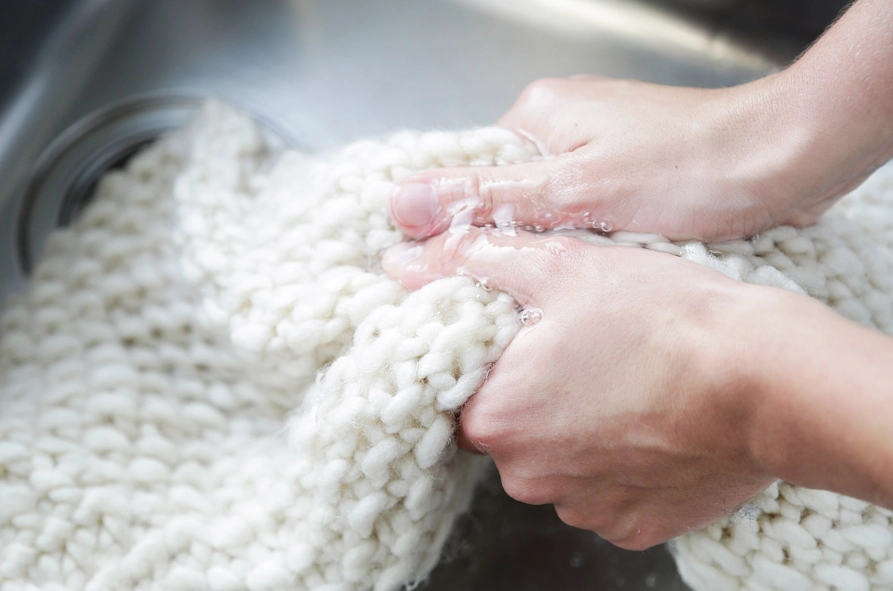
5 Common Wool Washing Mistakes (And How to Avoid Them)
- Using Hot Water: The number one felting agent. Stick to cool or lukewarm.
- Overloading the Machine: Wool needs room to move gently. One or two items max on a wool cycle.
- Using Regular Detergent or Fabric Softener: The enzymes and brighteners are too harsh. They break down protein fibers (wool is a protein).
- Wringing or Twisting: This damages the fiber structure permanently. Always press and roll in a towel.
- Forgetting to Reshape While Damp: If you let it dry crumpled, it will set that way. Take the two minutes to lay it flat properly.
Your Wool Care Questions, Answered
It's risky, but often possible if the blanket is a simple weave (not a delicate lace). The "dry clean only" tag is often for liability. Test an inconspicuous corner first. If it passes, use the bathtub and the hand washing method due to its size. The real challenge is the weight when wet—you'll need help lifting it and multiple towels to roll it in for drying. For an antique or very expensive blanket, professional cleaning might be the wiser investment.
You can sometimes relax minor shrinkage, but you can't reverse full felting. Try this: mix a bucket of lukewarm water with a generous amount of hair conditioner or a wool relaxer product. Soak the shrunken sweater for 30 minutes. The conditioner helps lubricate the fibers. Gently, gently stretch the sweater back to shape while it's saturated. Don't pull hard. Roll in towels, then lay flat, carefully pinning it to the desired dimensions with rust-proof pins. Let it dry. Results vary, but it's worth a shot before you relegate it to the dog's bed.
 How often should I actually wash my wool sweaters?
Far less often than you think. Wool is naturally odor-resistant. For a sweater worn over another layer, you might only need to wash it 2-3 times a season. Air it out between wears. Spot clean small stains immediately. Over-washing is a major cause of wear. Think of washing as a periodic refresh, not a weekly chore.
Usually, yes, and it's often more durable. The synthetic fibers (nylon, polyester) add strength and can make the item less prone to shrinking. However, you should still default to the care instructions for the wool component—use cool water, gentle detergent, and avoid high heat drying. The blend doesn't give you a free pass to use hot water.