You've probably sunk into a chenille sofa at a friend's house. That instant feeling of plush, velvety softness is hard to forget. It feels expensive. It looks rich. But then you hear stories – "It started pilling after a year," or "The color faded where the sun hit it." So what's the real deal with chenille fabric? Is it a durable investment or a high-maintenance diva?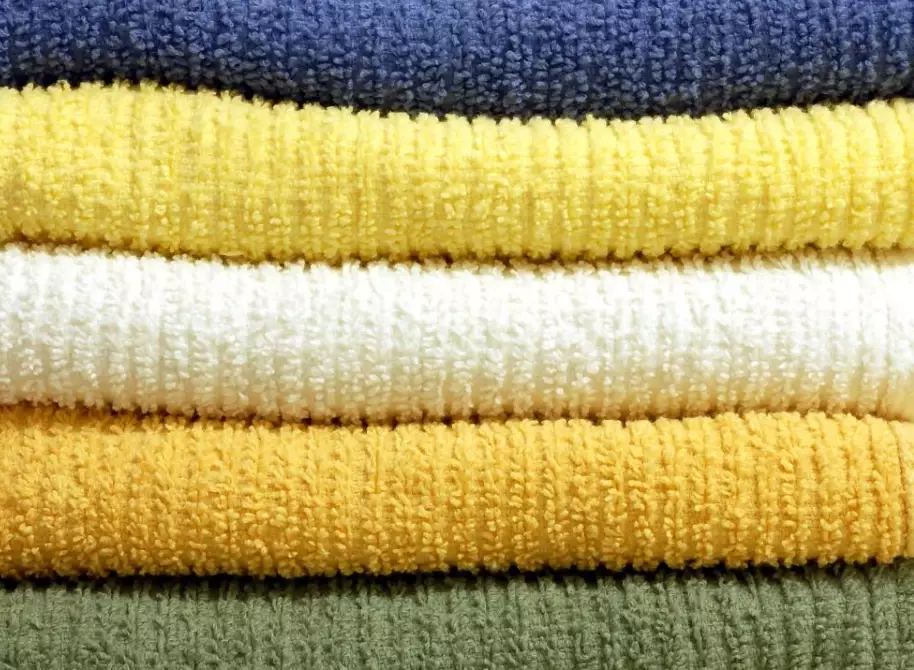
After over a decade working with textiles and seeing countless fabrics in homes, I can tell you chenille is a bit of both. It's not a single material, but a construction method that creates its unique texture. Getting it right means understanding what you're really buying. Let's cut through the marketing fluff.
What You'll Discover
What is Chenille Fabric, Really?
Forget the idea that chenille is a fiber like cotton or polyester. It's not. Chenille refers to the yarn itself and the fabric made from it. The magic is in how the yarn is made.
Imagine a ladder. The side rails are strong core threads. Now, imagine short lengths of pile thread (the "rungs") are wrapped around and secured between these cores. When this yarn is cut lengthwise, you get a soft, fuzzy strand that looks like a caterpillar – which is exactly what "chenille" means in French.
This construction is why chenille has that incredible, multi-directional softness. Light hits all those tiny fibers from different angles, giving it a deep, lustrous look. The base fibers making up the yarn can be anything: cotton, rayon (viscose), polyester, acrylic, or blends. This is the first crucial point most shoppers miss. The fiber content dictates 80% of the fabric's performance. A polyester chenille will behave very differently from a cotton or rayon one.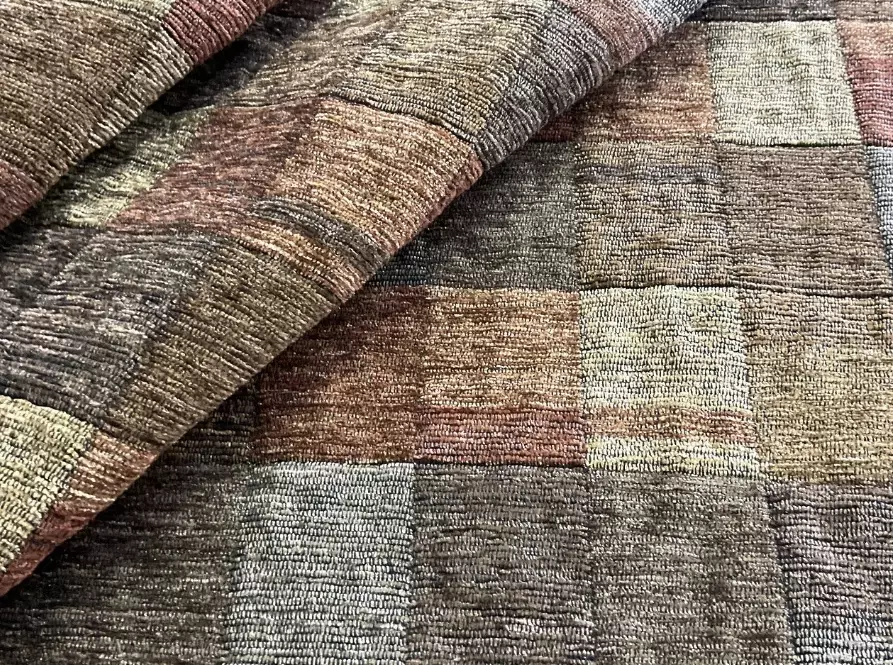
The Core Fiber Dictates Everything
Cotton Chenille: Breathable, soft, but can be prone to shrinking and may crush (lose its pile height) more easily. Feels more natural.
Rayon/Viscose Chenille: Incredibly silky and lustrous, but notoriously weak when wet and prone to water staining. Often blended for strength.
Polyester Chenille: Highly durable, resistant to crushing and fading, but can feel less "breathable" and sometimes has a slight synthetic sheen.
Acrylic Chenille: Affordable, lightweight, good color retention, but can be less durable and more prone to pilling than polyester.
Blends (e.g., Poly-Rayon-Cotton): The most common. They balance luster, softness, and durability. A 50/50 poly-cotton chenille is a workhorse for upholstery.
The Honest Pros and Cons of Chenille
Let's be real. No fabric is perfect.
Why You Might Love It
The Feel. This is the big one. No other common upholstery fabric matches that immediate, enveloping softness. It's inviting.
Visual Depth. The pile catches light beautifully, creating a rich, textured look that feels more luxurious than flat weaves.
Drape. Chenille yarns make for excellent drape, which is why it's so popular in curtains, bedspreads, and robes. It hangs beautifully.
Warmth. It's a cozy fabric, great for adding a tactile, warm element to a room.
The Downsides You Need to Know
Pilling. This is the #1 complaint. Those short pile fibers can loosen and tangle into little balls, especially on areas of high friction (arms, seat edges). The quality of the yarn twist and fiber type is critical here.
Crushing. The pile can get matted down in high-traffic spots. A tighter, denser weave resists this better.
Staining (for some types). Rayon-based chenilles are hydrophilic – they love water. A spill can wick quickly and leave a dark water ring if not treated immediately.
Snagging. The looped pile can catch on sharp objects, pet claws, or even rough jeans rivets.
Variable Durability. Because "chenille" isn't a fiber, a cheap acrylic chenille throw pillow and a high-density polyester chenille sofa fabric are worlds apart in lifespan.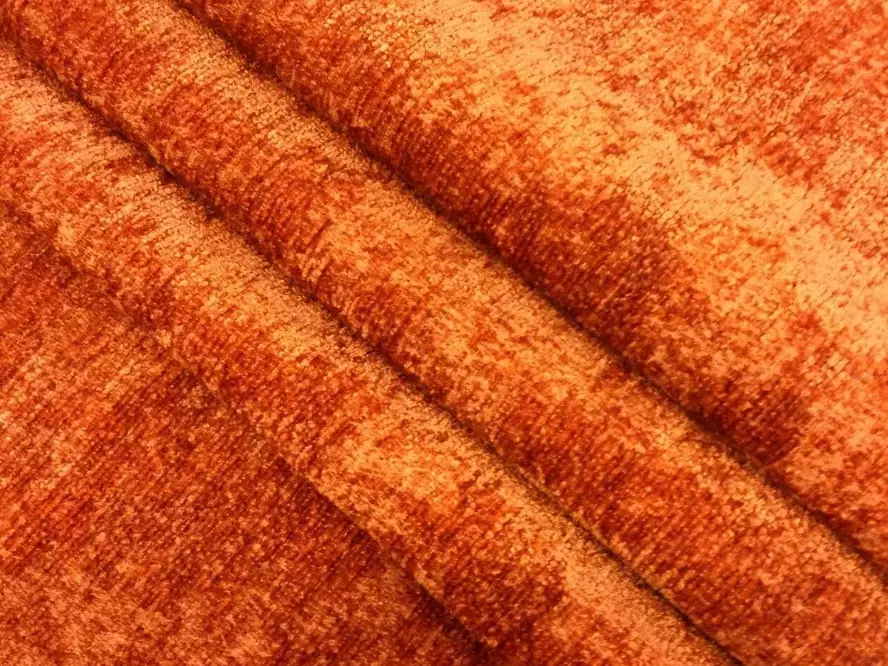
Chenille vs. Velvet, Microfiber & More: A Quick Comparison
| Fabric | Feel & Look | Key Strength | Key Weakness | Best For |
|---|---|---|---|---|
| Chenille | Ultra-soft, fuzzy, textured, multi-directional pile. | Unmatched cozy softness, luxurious drape. | Can pill; some types stain easily. | Accent chairs, cozy sofas, throws, curtains. |
| Velvet | Plush, smooth, uniform pile with a distinct nap (direction). | Formal, opulent look; rich color depth. | Shows footprints/nap marks; can crush. | Statement furniture, formal decor, evening wear. |
| Microfiber / Microsuede | Soft, suede-like, but with a very uniform, flat surface. | Extremely stain-resistant and durable; easy to clean. | Can feel less "breathable"; look is more casual. | Family rooms, homes with kids/pets, everyday sofas. |
| Bouclé | Loopy, nubby, highly textured surface. | Hides wear and stains incredibly well; trendy. | Loops can snag; texture can trap crumbs. | Modern decor, high-use pieces, textural interest. |
| Cotton Twill/Canvas | Flat, sturdy, matte finish. | Very durable, breathable, easy to clean. | Lacks softness; can feel rough. | Slipcovers, casual furniture, outdoor use. |
Where to Use Chenille (And Where to Avoid It)
This isn't just about taste; it's about practicality.
Chenille's Sweet Spots
- Living Room Accent Chairs: Gets you that luxury feel without subjecting it to daily couch-level abuse.
- Bedroom Benches & Headboards: Low-friction areas where softness is the primary goal.
- Decorative Throws and Pillows: An easy, low-commitment way to add the texture.
- Drapes and Curtains: Its excellent drape and light-filtering properties are perfect here.
- Loungewear and Robes: That cozy factor translates perfectly to clothing.
Think Twice Before Using Chenille Here
- The Primary Family Sofa: If you have young kids, pets, or it's your main TV-watching spot, the pilling and crushing will happen faster. Opt for a high-performance fabric or leather.
- Dining Chairs: Food spills and constant sliding in/out are a nightmare for most chenilles.
- High-Humidity Areas (like sunrooms): Unless it's a solution-dyed, outdoor-rated polyester chenille, moisture can be a problem.
- Pet Sleeping Spots: Pet hair weaves into the pile like it's home, and claws are a snag hazard.
How to Choose Quality Chenille: A Buyer's Checklist
Walking into a store or browsing online, use this list. Don't just go by color.
- Check the Fiber Content Label: Look for a high polyester percentage (60%+) for durability. If it's mostly rayon, know it will be delicate.
- Feel the Weight and Density: Heavier fabric with a tight, dense pile will resist crushing and wear better than a loose, airy one. Pinch it – it should spring back quickly.
- Rub the Surface Vigorously: Do a friction test. Rub a spot on your forearm or between your palms for 10-15 seconds. Do you see loose fibers or fuzz coming up? That's a sign of future pilling.
- Ask About the "Double Rub" Count: For upholstery, this is the Wyzenbeek or Martindale abrasion test. Look for at least 15,000 double rubs for residential use. 30,000+ is heavy duty. Good retailers have this data.
- Inquire About Stain Treatment: Many modern chenilles come with factory-applied stain repellents like Teflon or Nano-Tex. This is a game-changer for spill resistance.
- Look at the Backing: A tight, clean weave on the back is a sign of good construction. A loose, messy backing often correlates with lower quality.
I once helped a client who loved a pale blue chenille for a sofa. It was 80% rayon. I told her it would be a stain magnet. She bought it anyway. Six months later, she called asking for reupholstery quotes after a single wine party. The fiber content label doesn't lie.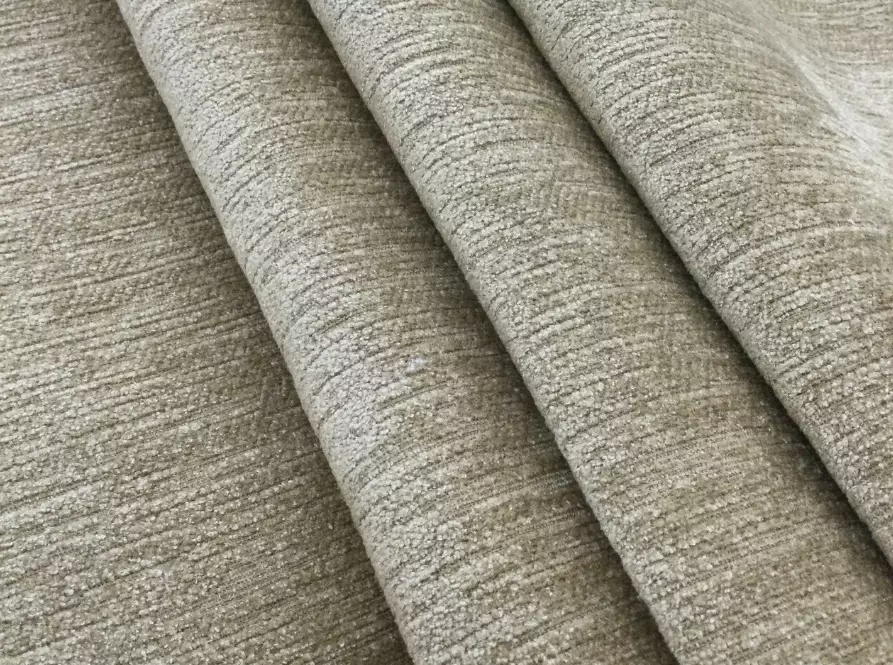
How to Care for Chenille Fabric to Prevent Pilling
Care is where you win or lose with chenille. This is your maintenance manual.
Daily & Weekly Care
Vacuum, Don't Brush. Use a soft brush attachment weekly to remove dust and grit that acts like sandpaper in the fibers. Never use a stiff-bristled brush.
Rotate and Fluff. Rotate cushions regularly to even out wear. Plump cushions to help the pile spring back.
Blot Spills Immediately. Use a clean, white cloth. Press down – don't rub! Rubbing grinds the spill into the fibers and distorts the pile.
Cleaning Stains
1. Check the Manufacturer's Code: Usually a letter on the tag (W, S, WS, X). Follow it.
2. Start with Water: For most fresh stains, distilled water is surprisingly effective. Blot.
3. Use a Mild Solution: If needed, a drop of clear dish soap in a cup of warm water. Apply with cloth, blot, then rinse with a water-dampened cloth to remove soap residue.
4. Avoid Saturating Rayon Blends: They take forever to dry and water marks are likely. Consider a professional for big stains on these.
Dealing with Pilling
Some pilling is normal. Do not pull them off. You'll pull out good yarn. Use a battery-operated fabric shaver (de-piller). Gently glide it over the surface. It's satisfying and makes the fabric look new again. Do this as needed, maybe every 6-12 months.
Professional Cleaning
For upholstery, consider professional cleaning every 1-2 years. Tell them the fiber content. Improper cleaning can ruin the hand (feel) of the fabric.
Your Chenille Questions, Answered
Can a chenille sofa handle a household with two cats?
It's a risk-reward balance. Cats love the texture for kneading, which leads to snags and accelerated pilling. If you're set on chenille, choose a tight-weave, high-polyester content fabric in a medium, tweedy color that hides scratches. Keep claws trimmed and provide plenty of alternative scratching posts. A chenille accent chair is a safer test than a full sofa.
Why did my new chenille throw pillow shed so much fuzz?
This is usually excess loose fibers from manufacturing. It should diminish after the first few washes or uses. Before using, toss it in the dryer on a no-heat or air-fluff cycle with a couple of dryer sheets for 10-15 minutes. The sheets help catch the lint. Give it a good shake outside. If heavy shedding continues after several cycles, the yarn quality might be poor.
 Is "chenille" a sustainable or eco-friendly fabric choice?
It depends entirely on the base fibers. Conventional polyester is petroleum-based. However, the market is shifting. Look for chenille made with recycled polyester (often from plastic bottles), which major manufacturers like Sunbrella and Perennials now offer. Organic cotton or Tencel™ lyocell chenilles are also more sustainable options. Always ask about the fiber origin and any certifications (like GRS for recycled content). The construction method itself isn't the issue; the source materials are.
How can I tell if a "velvet" fabric is actually chenille?
Run your hand across it. True velvet has a distinct nap – it feels smooth in one direction and slightly rough in the opposite direction (like petting a cat backwards). Chenille feels uniformly soft and fuzzy in all directions because the pile fibers stick out radially. Also, look closely. Velvet has a uniform, cut-pile surface. Chenille will look more like thousands of tiny tufts or a caterpillar's fur.
My chenille cushions look flat and matted. Can I revive them?
Often, yes. First, remove the cushion inserts. Use a garment steamer or the steam function on your iron (held several inches away) to gently steam the fabric surface. The heat and moisture can help the fibers "remember" their original shape. While it's slightly damp, use your fingers to gently fluff and lift the pile. Let it air dry completely. For persistent crushing, a professional cleaner with specialized equipment can often work wonders.