You just bought a gorgeous modal t-shirt or a set of silky modal sheets. They feel incredible. Then the anxiety hits. What if they shrink in the wash? That expensive, buttery-soft fabric could turn into a child-sized garment overnight. I’ve been there. I once ruined a perfect modal dress by assuming it was as tough as polyester. It wasn't. Let's cut through the confusion. The short answer is: yes, modal fabric can shrink, but it's highly resistant if you treat it right. The real question isn't just "will it," but "how much" and "how can I stop it." This guide dives deeper than the generic care labels. We'll look at the science, share washing steps that actually work, and compare modal to its main rival, cotton. By the end, you'll know exactly how to handle your modal pieces for years of wear.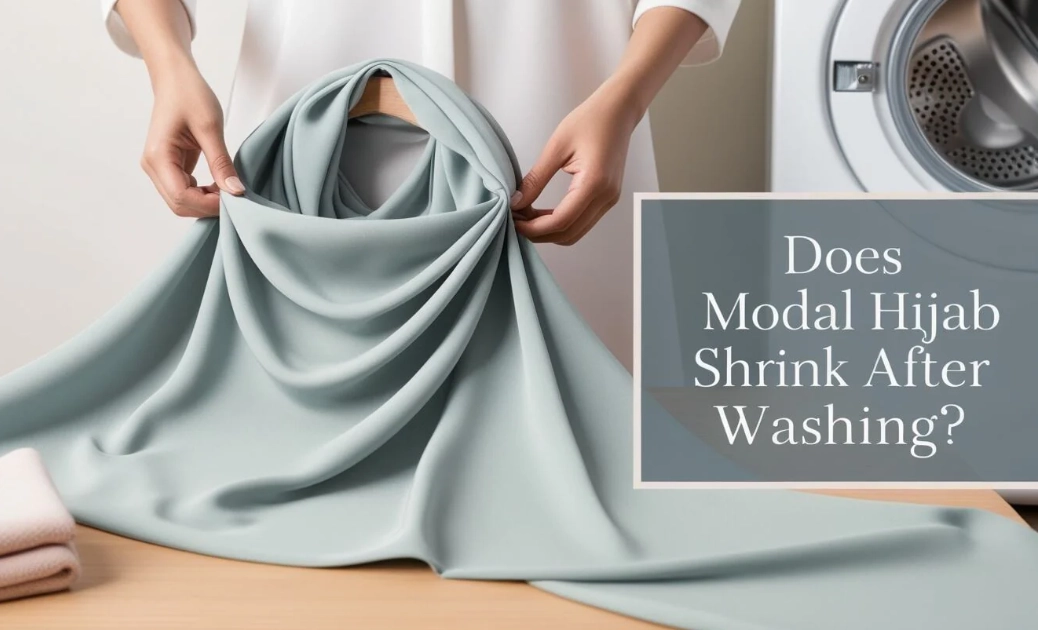
What You’ll Find in This Guide
What Is Modal Fabric, Really?
First, let's clear up what we're talking about. Modal isn't a synthetic like polyester. It's a type of rayon, but a much better version. Think of it as rayon's smarter, more sophisticated cousin. It's made from beech tree pulp, which makes it a semi-synthetic or regenerated cellulose fiber. This plant-based origin is key to understanding its behavior.
Companies like Lenzing AG in Austria are the big names behind high-quality modal (like TENCEL™ Modal). They use a closed-loop process that recycles water and solvents, which is why modal gets tagged as eco-friendly. The fibers they create are incredibly fine and smooth, which gives modal that signature drape and silky feel against the skin.
Here’s the thing most articles don't stress enough: because it's plant-based, modal reacts to water and heat more like cotton than like plastic-based polyester. It absorbs moisture well (more than polyester, less than cotton), which is great for comfort but means you can't be careless with heat. Its molecular structure is more stable than regular rayon, but it's not immune to the laws of physics.
Key Takeaway: Modal is a plant-based, semi-synthetic fiber prized for its softness, breathability, and drape. Its eco-credentials and comfort come from its beech tree origin, but that same origin means it requires mindful care, especially regarding heat.
The Straight Truth About Modal and Shrinkage
Okay, to the heart of the matter. Will your modal clothes shrink?
The technical answer is that modal has high dimensional stability. In plain English, it resists shrinking better than cotton and most other rayons. The fibers are processed under tension and have a more aligned structure, so they don't contract as wildly when wet. However, "resistant" is not "bulletproof."
Shrinkage in any fabric happens primarily through two mechanisms: felting (for wools) and relaxation. Modal shrinkage is almost always the relaxation kind. When fibers are spun and woven, they're under tension. Introducing high heat and agitation (like a hot dryer) allows the fibers to finally "relax" back to their natural, unstressed state. That relaxation equals shrinkage.
I made my mistake with that modal dress by washing it in warm water and then tossing it in the dryer on a medium setting. It didn't come out tiny, but it lost about 5% of its length and became slightly tighter. It was subtle but enough to change the fit from "perfect" to "a bit too short." The biggest culprit wasn't the wash—it was the dryer's heat.
A non-consensus point here: Many guides say "modal is shrink-resistant" and leave it at that, creating a false sense of security. The nuance is that modal's resistance is excellent against progressive shrinking over many washes (unlike cotton, which can slowly shrink wash after wash), but it can have a one-time initial shrinkage if you hit it with high heat right out of the gate. That first hot dryer cycle is the most dangerous.
What Factors Cause Modal to Shrink?
- High Heat: The number one enemy. Dryers, hot irons, and very hot wash water.
- Mechanical Agitation: The violent spinning of a heavy-duty wash cycle can stress fibers.
- Blend Composition: Is it 100% modal or a blend? A modal-cotton blend will inherit more of cotton's shrinkage tendencies.
- Fabric Construction: A loosely knit modal sweater is more vulnerable than a tightly woven modal shirt.
How to Wash Modal Fabric (The Right Way)
Preventing shrinkage is all about technique. Forget the "normal" cycle. Treat modal like the delicate, premium fabric it is.
Stop Doing This: If your default is "wash on warm, dry on medium," you're risking your modal garments. That routine is for towels and hard-wearing cottons, not for beech-tree silk.
Here is a step-by-step, practical guide. I follow this with my own modal pieces now, and they look new after dozens of washes.
Step 1: Check the Label, But Then Get Smarter
Always look at the care label first. It's your baseline. Most will say "Machine wash cold," "Gentle cycle," and "Tumble dry low" or "Line dry." This is good, but vague. We're going to be more specific.
Step 2: The Pre-Wash Sort
Turn your modal clothes inside out. This protects the outer surface from pilling and friction in the wash. Wash modal with similar colors and fabrics (other delicates, synthetics). Don't throw it in with heavy jeans or abrasive towels.
Step 3: The Washing Machine Settings
| Setting | Recommendation | Why It Matters |
|---|---|---|
| Water Temperature | Cold (30°C / 85°F or lower) | Cold water minimizes fiber relaxation and prevents setting stains. It's also more energy-efficient. |
| Cycle Type | Delicate or Hand Wash cycle | These cycles use slower spin speeds and gentler agitation, reducing physical stress on the fibers. |
| Detergent | Mild liquid detergent. Avoid heavy powders or bleach. | Harsh chemicals can degrade the fibers over time. Liquid detergents dissolve better in cold water. |
Step 4: Drying – The Most Critical Step
This is where you win or lose the battle against shrinkage.
Best Method: Air Dry. Lay the garment flat on a drying rack or hang it on a padded hanger away from direct sunlight. Flat drying is ideal for sweaters and knits to prevent stretching. The air-dry method uses zero heat, so shrinkage risk is virtually eliminated.
If You Must Use a Dryer: Use the Absolute Lowest Heat Setting ("Air Fluff" or "No Heat" if available). Remove the item while it is still slightly damp. Then lay it flat to finish drying. Never use a medium or high heat setting. The International Textile Care Labelling Association standards are clear: heat is the primary driver of shrinkage for cellulose fibers like modal.
Handwashing is always a safe bet for your most precious modal items. Use cold water with a gentle detergent, swish gently, rinse thoroughly, and press (don't wring) the water out before air drying.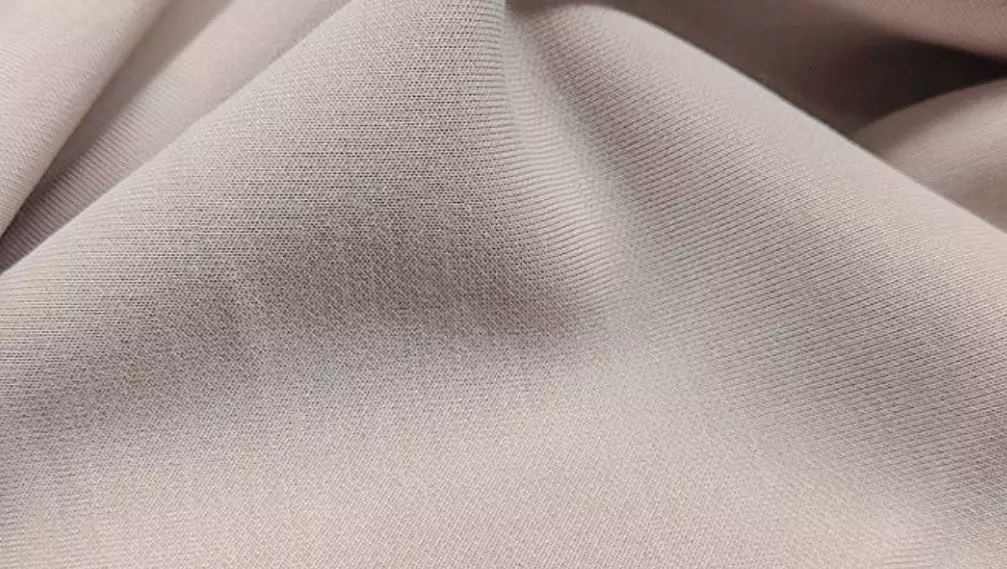
Modal vs. Cotton: The Shrinkage & Care Showdown
Since cotton is the default for so many, let's compare. This isn't about which is better, but how they differ in care needs.
| Aspect | Modal Fabric | Cotton (Standard) |
|---|---|---|
| Shrinkage Tendency | Low to Moderate. High initial resistance, but vulnerable to high heat. | Moderate to High. Can shrink significantly (5-10%+) on first hot wash/dry and continue shrinking slightly. |
| Primary Care Need | Cold wash, gentle cycle, and avoid dryer heat. | Often pre-shrunk, but still best washed in cool/warm water. Can tolerate more dryer heat than modal. |
| Feel After Washing | Retains softness well. Can feel even softer after a few gentle washes. | Can become stiff if air-dried; dryer helps soften but promotes shrinkage. |
| Wrinkle Resistance | Good. Drapes well and wrinkles less than cotton. | Poor. Wrinkles easily unless treated or blended. |
| My Personal Preference | For underwear, t-shirts, and sheets where softness is king. Requires a bit more care. | For towels, bed linens, and everyday casual wear where durability and ease are priorities. |
The trade-off is clear. Modal offers superior softness and drape but asks for gentler handling, especially with heat. Cotton is more forgiving of hot drying (though it will shrink) but can't match modal's luxurious hand feel. A modal-cotton blend tries to split the difference, offering some softness with easier care, but its shrinkage behavior will lean toward the weaker link in the blend—often the cotton.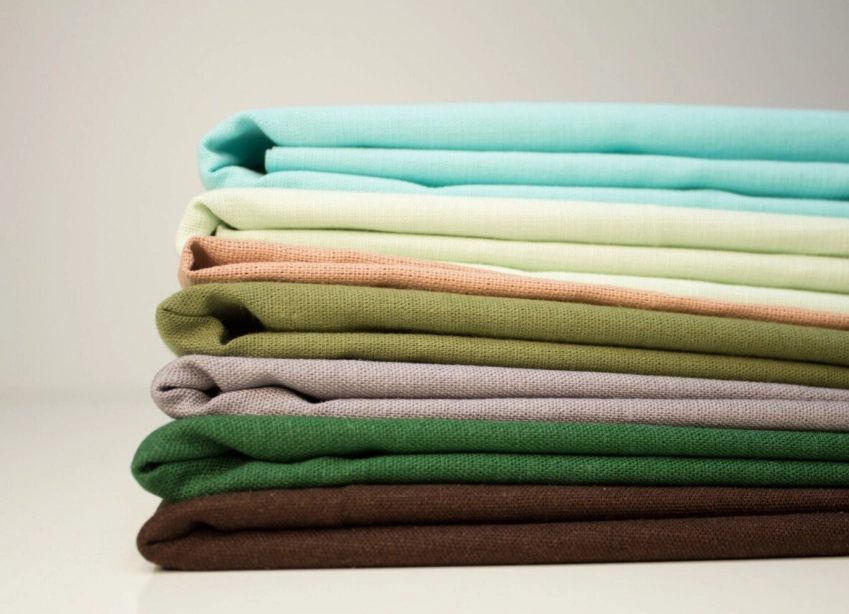
Your Modal Fabric Questions, Answered
 How does modal behave compared to polyester regarding shrinkage?
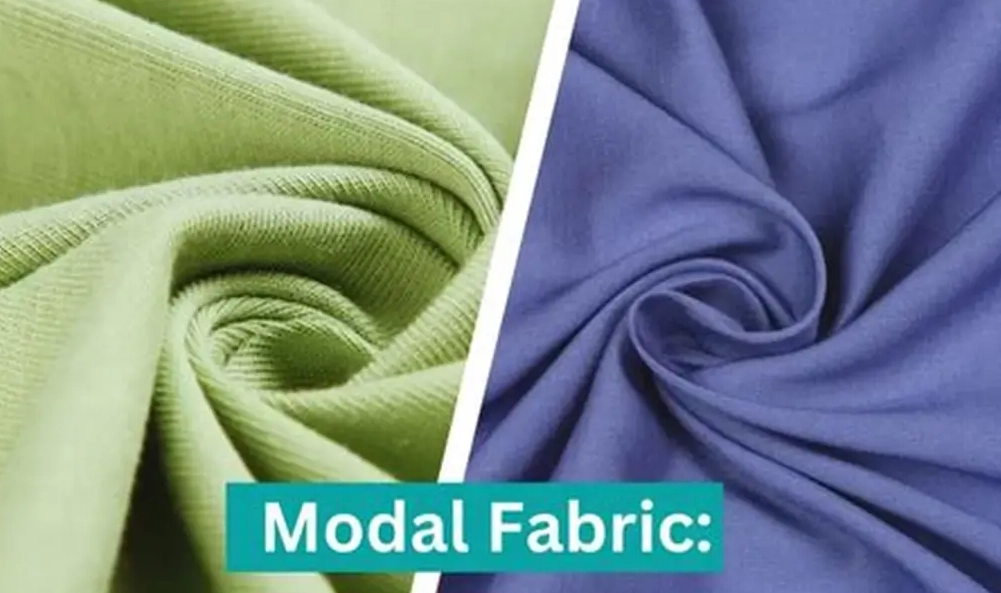 Final thought? Modal is a fantastic fabric that rewards careful treatment. Respect its plant-based nature, banish high heat from your laundry routine for these pieces, and you'll enjoy that luxurious softness for a very long time. It's not high-maintenance, it's just different from your old cotton tee. Treat it right, and it won't shrink on you.