You see the "Made from recycled bottles" tag on a jacket or the "rPET" label on a tote bag and wonder: is this just marketing, or is it a real step forward? Recycled polyester fabric is everywhere now, from high-end activewear to budget-friendly fast fashion. But what's the real story behind it? I've spent over a decade sourcing and testing fabrics for brands, and I can tell you it's more complicated—and more interesting—than a simple feel-good slogan. Let's cut through the noise.
What's Inside: Your Quick Navigation
From Bottle to Fabric: How Recycled Polyester is Actually Made
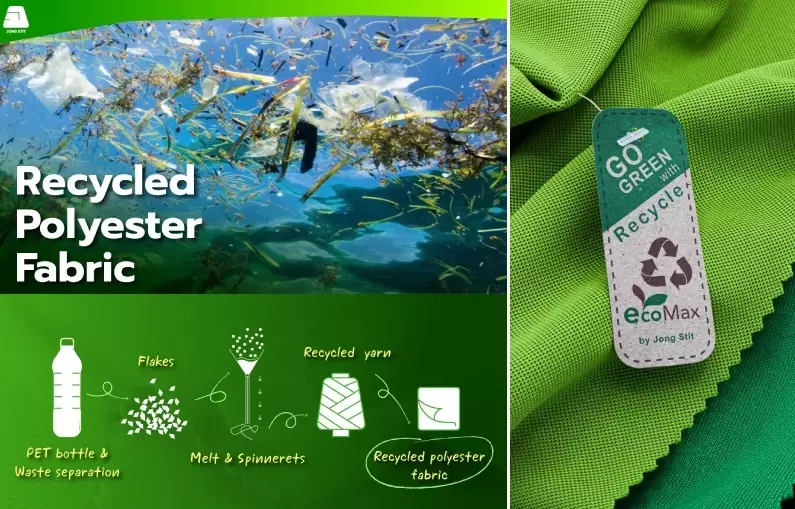
It starts in a recycling bin, but the journey isn't magic. Most recycled polyester, or rPET, comes from post-consumer PET plastic bottles. Here's the step-by-step breakdown that most gloss over.
Collection and Sorting: Bottles are gathered, and clear/light blue ones are separated. Colored bottles often go into lower-grade recycling streams. This initial sorting is critical—contamination ruins the batch.
Shredding and Washing: Bottles are crushed into tiny flakes, then put through intense washing to remove labels, glue, and any leftover liquid. This stage uses significant water and energy, a fact often omitted from the eco-narrative.
Melting and Re-polymerization (The Key Step): Here's where paths diverge, and quality is determined.
Mechanical vs. Chemical Recycling
Most rPET uses mechanical recycling. The clean flakes are melted down and extruded into new chips or directly into polyester fiber. It's efficient but has a downside: each melt cycle slightly degrades the polymer chain. This can affect the strength and consistency of the final yarn, limiting how many times it can be recycled.
Chemical recycling is the emerging, more advanced method. It breaks the plastic down to its base monomers (like turning a Lego castle back into individual bricks). These monomers are then rebuilt into virgin-quality polyester. It's more energy-intensive now but promises a true circular loop without quality loss. Companies like Textile Exchange are tracking its development closely.
The melted polymer is then forced through a spinneret (a showerhead-like device) to create long filaments. These are spun into yarn, which is then woven or knitted into the fabric you eventually touch.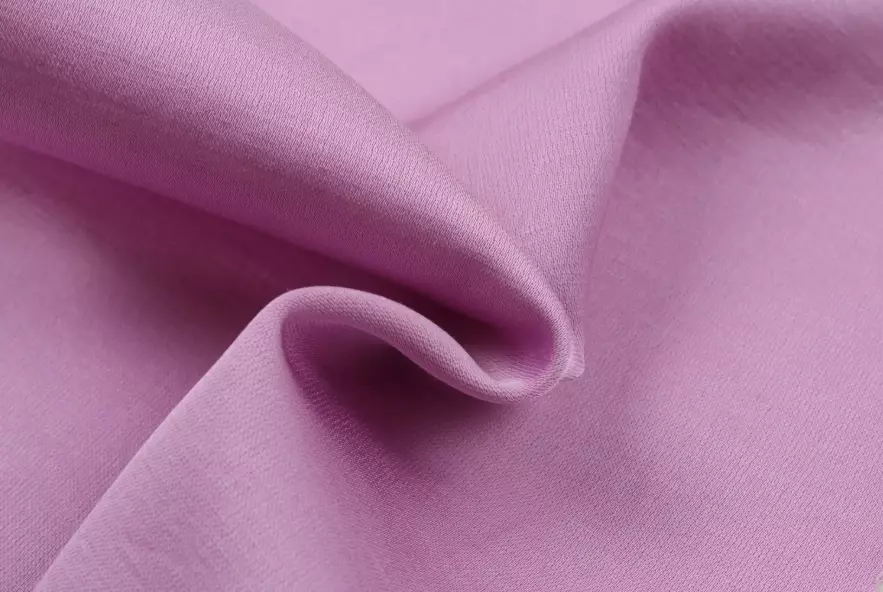
Recycled vs. Virgin Polyester: A Side-by-Side Look
Is it just the same stuff with a greener backstory? Not exactly. Here’s a detailed comparison based on my hands-on experience.
| Aspect | Recycled Polyester (rPET) | Virgin Polyester |
|---|---|---|
| Raw Material | Primarily post-consumer PET plastic bottles or pre-consumer waste. | Crude oil (petroleum). |
| Energy Use in Production | Estimates vary, but generally uses 30-50% less energy than virgin. However, collection, sorting, and washing add energy costs. | High energy consumption for extracting and refining oil, then polymerizing it. |
| Carbon Footprint | Significantly lower. The Textile Exchange reports rPET can reduce CO2 emissions by up to 40% compared to virgin. | High, directly linked to fossil fuel extraction and processing. |
| Water Usage | Substantially lower than virgin polyester, which is itself less thirsty than cotton. The main water use is in the washing stage. | Low in direct fabric production, but high in the upstream oil extraction phase. |
| Fabric Performance & Feel | Virtually identical in durability, moisture-wicking, and quick-dry properties. Early rPET could feel slightly stiffer, but modern processes have largely closed this gap. | The benchmark for durability, wrinkle resistance, and shape retention. |
| Dye Affinity | Can be slightly more challenging to dye evenly due to potential polymer variance. Top mills have perfected this, but cheaper rPET might show inconsistencies. | Consistently easy to dye with vibrant, even colors. |
| Cost | Currently often 10-20% more expensive than virgin, due to collection infrastructure and processing. Price is dropping as demand grows. | Inexpensive and stable, benefiting from a mature, subsidized fossil fuel industry. |
The biggest takeaway? The environmental savings on the front end are real and substantial. The performance is, for most uses, a dead ringer for virgin polyester.
Performance & Benefits: Why Brands (and You) Might Love It
It's not just about eco-cred. rPET brings tangible advantages to the table.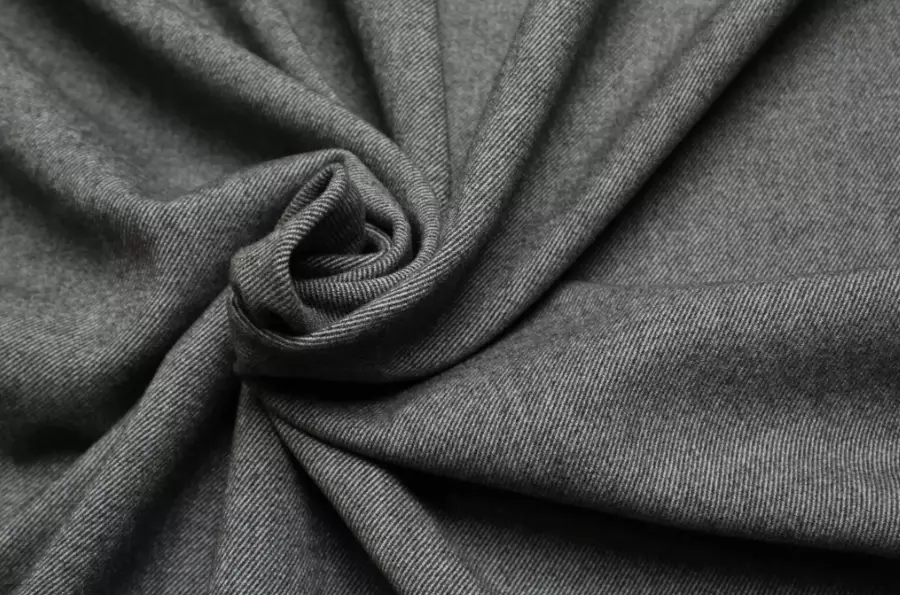
Durability You Can Trust: It retains all the toughness of traditional polyester. I've tested rPET backpacks and athletic gear that withstand years of abuse. It resists shrinking, stretching, and mildew.
Moisture Management Champion: This is why it dominates activewear. It pulls sweat away from your skin to the fabric's surface where it evaporates quickly. A shirt made from quality recycled polyester performs just as well as a virgin one during a workout.
Lightweight and Packable: Perfect for travel layers, rain shells, and lightweight insulation. You get performance without bulk.
The Circular Story (When Done Right): This is the core benefit. Using rPET diverts plastic from landfills and oceans. It reduces reliance on crude oil. When a brand like Patagonia or Adidas commits to it at scale, the impact is measurable. It's a step toward closing the loop, though we're not fully there yet (more on that later).
The Other Side: Limitations and Real Concerns You Should Know
Blind praise isn't helpful. Here are the honest drawbacks.
Microfiber Shedding: This is the elephant in the room. Recycled polyester sheds microplastics in the wash just like virgin polyester does. The recycling process doesn't change this fundamental property. Any synthetic fabric, recycled or not, will release tiny plastic fibers into wastewater. Using a Guppyfriend washing bag or a washing machine filter is essential.
Recyclability (The Big Irony): Most clothing made from recycled polyester is not recyclable back into new clothing at its end of life. Our recycling systems are designed for bottles, not complex garments with zippers, dyes, and blended fibers. So, that "green" jacket often still ends up in a landfill. The industry is working on mono-material design and take-back programs, but it's a major gap.
Energy Intensity of Recycling: While better than starting from oil, the collection, transport, sorting, and melting processes are not zero-impact. It's a "better than" solution, not a perfect one.
Potential for Greenwashing: A label saying "made with recycled materials" could mean 10% or 100%. Always look for the percentage. Some brands use a tiny amount of rPET for the marketing halo while the rest is virgin.
How to Choose Quality Recycled Polyester Fabric
Not all rPET is created equal. If you're a maker or a conscious shopper, here’s what to scrutinize.
Look for Certifications, Not Just Claims. Trust third-party verifications over brand slogans.
- Global Recycled Standard (GRS): The gold standard. It tracks the recycled content through the supply chain and includes environmental and social criteria.
- OEKO-TEX Standard 100: Ensures the final fabric is tested for harmful substances. Important because the source plastic's history is unknown.
- Textile Exchange rPET Approval: Another robust chain-of-custody standard.
Ask About the Source. Post-consumer is better than pre-consumer for addressing plastic waste. Some forward-thinking mills now use ocean-bound plastic, which is even better.
Feel and Drape Matter. Cheap rPET can feel plasticky and stiff. High-quality rPET from reputable mills should feel soft, have a good drape, and not make rustling noises. If it feels bad, it's low-grade.
Check the Blend. Sometimes rPET is blended with other fibers for specific benefits. rPET with a small percentage of spandex offers stretch. Blended with organic cotton, it can create a more natural feel. Understand what you're buying.
My personal rule? I'd rather buy a durable, long-lasting item made from virgin material than a poorly made, disposable one from recycled content. The longevity is often the most sustainable choice.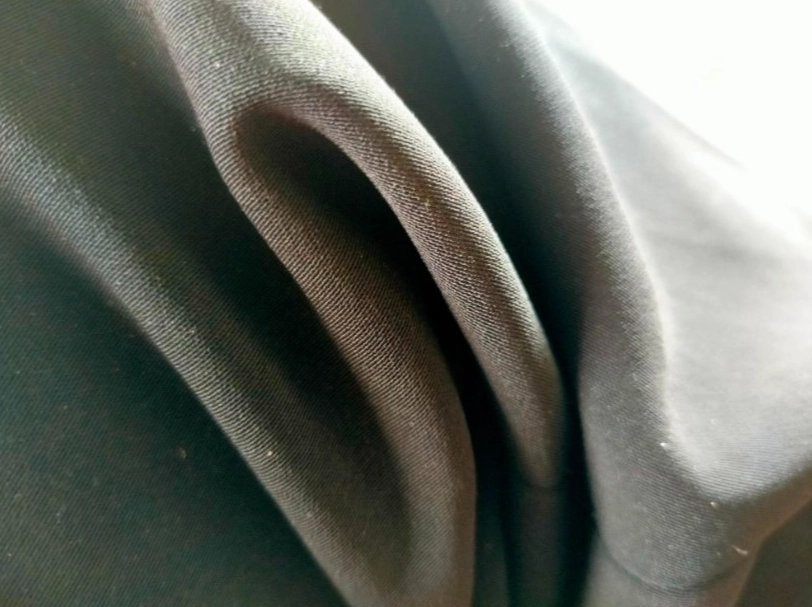
Your Recycled Polyester Questions, Answered
 How do I properly care for recycled polyester to make it last and reduce microfiber shedding?
 Recycled polyester fabric is a pragmatic, impactful step in the right direction. It's not the final destination for sustainable textiles, but it's a crucial bridge. It reduces waste and emissions today while the industry works on better recycling systems and alternative materials tomorrow. Choose it wisely, care for it properly, and understand both its strengths and its compromises. That's how you make a truly informed choice.