You're holding a pale modal t-shirt, or maybe you've got some beige modal bedding that's seen better days. The thought hits you: Can I dye this? The short, direct answer is yes, modal fabric can be dyed, and dyed beautifully. But that simple "yes" hides a world of nuance that most generic guides skip over. I've spent years working with plant-based fibers, and I've seen too many projects go wrong because people treat modal like cotton or assume it's as tricky as silk. It's neither. Getting rich, lasting color on modal is absolutely achievable if you understand what you're working with. This guide cuts through the noise to give you the actionable, expert-level details you need to transform your modal textiles with confidence.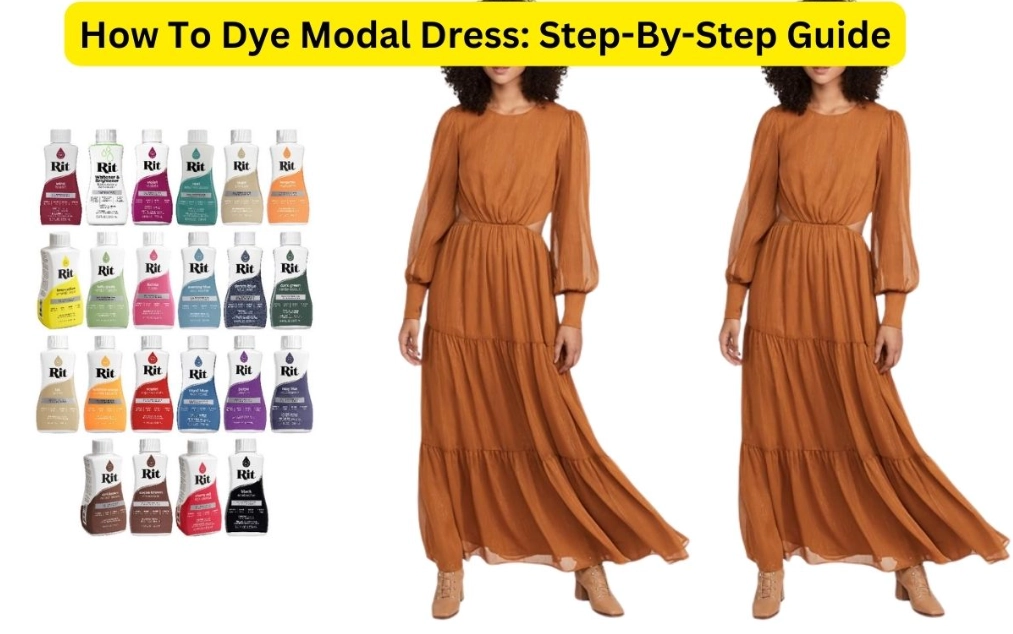
What You'll Learn in This Guide
The Science Behind the Yes: Why Modal's Chemistry Makes It Dye-Friendly
Modal isn't some mysterious synthetic. It's a type of rayon, which means it's regenerated cellulose. That's a fancy way of saying it comes from wood pulp (usually beech trees), processed into a pure fiber. This origin story is crucial. Like its cousins cotton and linen, modal's cellulose structure is hydrophilic—it loves water. More importantly, cellulose has abundant hydroxyl (-OH) groups on its molecular chain. Think of these as tiny, welcoming hands for dye molecules to latch onto.
This is the core reason you can dye modal fabric. The dye process, especially with fiber reactive dyes, forms a covalent chemical bond with these hydroxyl groups. It's not just a surface stain; it becomes part of the fiber. This leads to excellent colorfastness when done correctly. According to research on cellulosic fibers from sources like Lenzing (a major modal producer), this reactivity is what allows for vibrant, durable colors.
Key Takeaway: Modal dyes well for the same fundamental reason cotton does: its cellulose structure. It's often even more receptive because the manufacturing process can create a smoother fiber with more uniform surface area for dye uptake.
But here's the nuance most miss. Modal is often processed to be smoother and more lustrous than standard viscose rayon. This can sometimes make the initial dye absorption feel slower, but it doesn't mean it won't work. It just means patience and proper preparation are non-negotiable.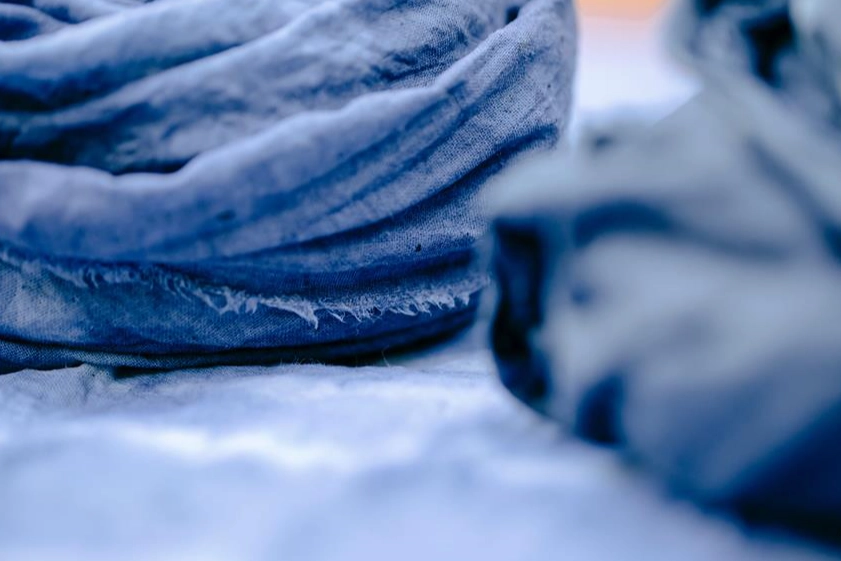
Choosing Your Weapon: Fiber Reactive vs. Acid Dyes for Modal
This is the decision that makes or breaks your project. Pick the wrong dye type, and you'll get weak, washed-out color that bleeds forever.
| Dye Type | Best For | How It Works | Pros for Modal | Cons for Modal |
|---|---|---|---|---|
| Fiber Reactive Dyes (e.g., Procion MX, Dharma Trading Co. dyes) | Pure modal, modal-cotton blends | Forms a permanent covalent bond with cellulose. Requires soda ash (fixer) and warm water. | Unbeatable colorfastness, vibrant colors, works at low temperatures, the industry standard for cellulose. | Process is more chemistry-involved. Requires precise measurements for consistent results. |
| All-Purpose or "Union" Dyes (e.g., Rit, Dylon Multi-Purpose) | Modal blends with synthetics (polyester, nylon) | A blend of dyes that work on multiple fibers. Often a mix of direct and acid dyes. | Convenient, readily available, simple process. Good for unknown blends. | Color is less wash-fast, can bleed more over time, colors are often less brilliant than fiber reactives. |
| Acid Dyes | Not recommended for pure modal. For modal-wool/silk blends. | Bond to protein fibers. Require an acidic environment (vinegar, citric acid). | N/A for pure modal. | Will produce very poor, non-permanent results on pure cellulose modal. |
My strong, non-consensus advice after countless dye baths? Skip the all-purpose dyes for pure modal if you care about longevity. They're fine for a quick costume refresh, but for a garment or home textile you'll wash regularly, they're a disappointment waiting to happen. The color will slowly bleed and fade, turning your vibrant project dull. Invest in professional-grade fiber reactive dyes. The difference isn't subtle; it's the difference between a hobby and a craft.
The Home Dyeing Process: A Step-by-Step Walkthrough
Let's get practical. Here's how to dye modal fabric at home using fiber reactive dyes, the method that delivers professional results.
What You'll Need
- Modal Item: Clean, pre-washed (no fabric softener).
- Fiber Reactive Dye: Procion MX type is ideal.
- Soda Ash (Fixer): This is not optional. It activates the dye bond.
- Non-Iodized Salt: For the dye bath.
- Large Stainless Steel or Plastic Pot: Dedicated to dyeing.
- Rubber Gloves, Mask, Measuring Tools.
The Process in Detail
1. Scour and Soak. Don't just run it through the wash. Simmer the modal in a pot of water with a dash of synthrapol or mild dish soap for 20 minutes. This removes any invisible finishes that block dye. Rinse, then soak it in plain warm water. A fully saturated fiber dyes evenly.
2. Prepare the Dye Bath. Fill your pot with enough hot water (around 105°F / 40°C) for the item to move freely. Dissolve a hefty amount of salt—think 1 cup per gallon of water—and stir until clear. This helps drive the dye into the fiber. In a separate container, dissolve your dye powder in a small amount of warm water.
3. Dye Application. Wearing gloves, add the dissolved dye to the salt bath and stir thoroughly. Add your wet, squeezed-out modal item. Stir constantly for the first 10-15 minutes, then frequently for the next 30-45 minutes. Keep the heat low; you don't need a rolling boil, just sustained warmth.
4. The Fixing Stage. This is the magic step. Dissolve the soda ash in hot water (roughly 1/2 cup per gallon of dye bath). After the item has been in the dye bath for about 45 minutes, slowly add the soda ash solution. The color will often intensify right before your eyes. Stir well and maintain heat for another 45-60 minutes.
5. Rinse and Wash. Let the bath cool completely. I mean completely. Rushing this causes shrinkage. Remove the item and rinse under cool water until it runs clear. Then wash it alone in hot water with a little detergent to remove any unfixed dye. Dry as usual.
Heads Up: Modal can be prone to shrinkage if subjected to sudden temperature shocks. Always let the dye bath cool to room temperature before rinsing. Agitate gently in the rinse water; don't wring it out aggressively while it's hot.
Expert Tips and Common Pitfalls You Won't Find Elsewhere
Here's where my decade of trial and error pays off for you.
The Blended Fabric Trap: Check the label. Is it "100% Modal" or "Modal Blend"? A 95% modal, 5% spandex blend will dye, but the spandex will stay its original color, giving a slightly muted, heathered look. If it's a modal-polyester blend, you'll need an all-purpose dye formulated for synthetics, and the result will be a tint, not a solid.
Color Over Color: Dyeing a dark modal garment a lighter color is almost impossible. You can only go darker or change hues within the same value. Want to dye a navy modal dress yellow? Forget it. You must start with white or very light-colored fabric for true color transformation.
The "Feel" Factor: A properly dyed modal item should retain its signature soft drape. If it comes out feeling slightly stiff after the final wash, don't panic. This is often residual salt or mineral deposit. A wash cycle with a half cup of white vinegar (no detergent) will usually restore the softness.
My Personal Mess-Up: I once tried to dye a modal scarf using the "quick shake" method in a jar. The result was horrifically splotchy because the dense, smooth modal fabric couldn't absorb the dye evenly without constant agitation. Lesson learned: modal needs space and movement in the dyebath. No shortcuts.
Your Dyeing Questions, Answered
I used Rit dye on modal, and the color washes out every time. What did I do wrong?
Why does my dyed modal fabric bleed color onto other clothes in the wash?
Can I tie-dye or shibori dye modal fabric successfully?
How does dyeing affect modal's eco-friendly and biodegradable properties?