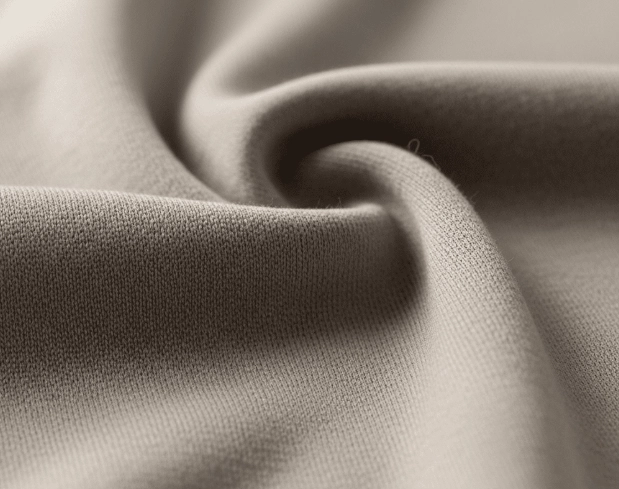
Choosing the right fabric isn't just about color or texture. The weave—the way threads are interlaced—determines everything: how a shirt drapes, how tough your jeans are, how cool your bedsheets feel. Get this wrong, and you're stuck with a sweater that pills after one wash or curtains that fade in a season. I've spent years sourcing fabrics, and the number one mistake I see is people focusing on fiber content (like "100% cotton") while completely ignoring the weave, which is equally crucial.
Think of fibers as the ingredients and the weave as the recipe. Great ingredients can be ruined by a bad recipe. This guide will make you fluent in the language of weaves, so you can shop for clothes and home textiles with confidence, knowing exactly what you're getting and how it will perform.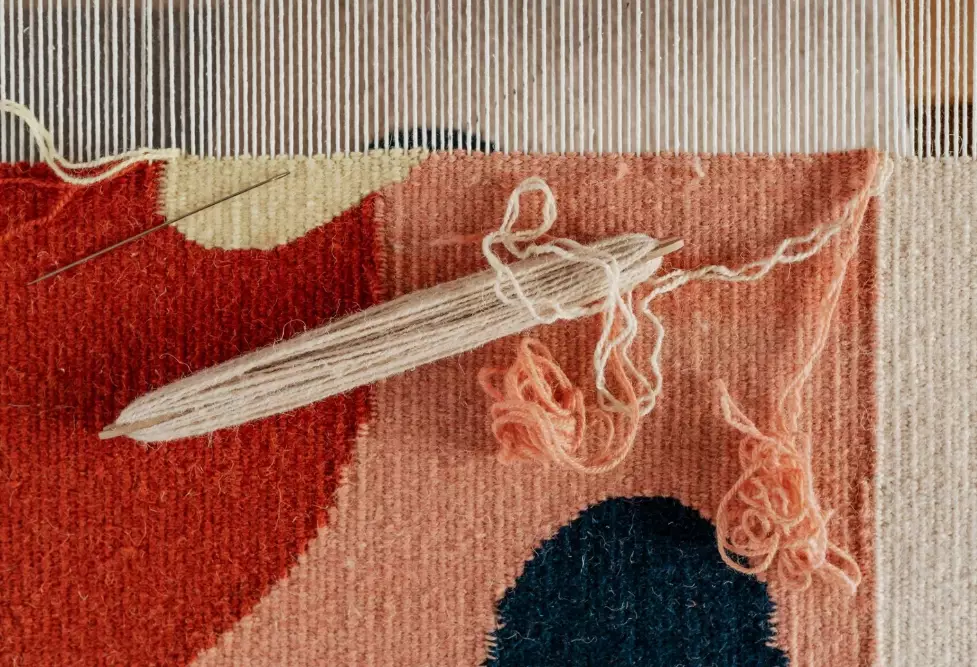
What's Inside This Guide?
What is a Fabric Weave? The Foundation
At its simplest, a weave is the pattern created when lengthwise threads (the warp) and crosswise threads (the weft or filling) cross over and under each other. This structure is created on a loom. The specific sequence of "over and under" dictates the fabric's physical properties.
Why does this matter so much? The weave controls:
- Durability: How well it resists abrasion and tearing.
- Drape: How stiff or fluid it falls on the body.
- Texture & Sheen: Whether it's matte, shiny, smooth, or nubby.
- Breathability & Warmth: How air passes through it.
- Wrinkle Resistance: How easily it creases.
You can have two fabrics made from the same type of cotton. One woven in a plain weave (like percale) will be crisp and cool. The other in a satin weave (like sateen) will be silky, warmer, and more prone to snagging. They feel and behave like completely different materials.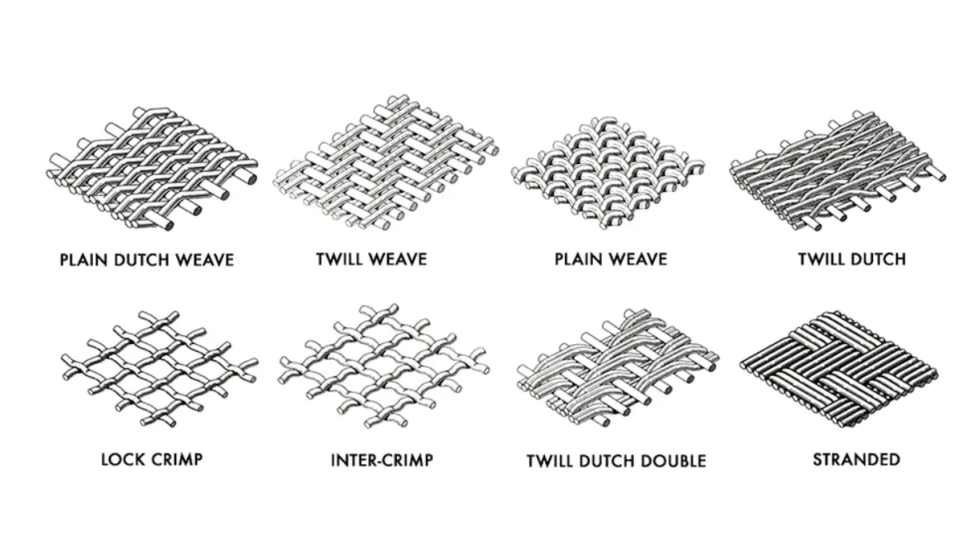
The Three Basic Weaves: Plain, Twill, and Satin
Nearly every fabric you encounter is derived from one of these three fundamental weaves. Understanding them is non-negotiable.
1. Plain Weave (a.k.a. Tabby Weave)
The simplest and most common. The weft thread goes over one warp thread, then under the next, alternating across the row. The next row reverses the pattern. It creates a checkerboard-like grid.
What it feels like: Flat, crisp, sturdy, and often matte. It has no obvious "right" or "wrong" side.
Where you'll find it: This is the workhorse. Think cotton broadcloth for shirts, chiffon (when made finely), organza, taffeta, gingham, and most canvas. Your standard bed sheets in "percale" are a plain weave.
The expert nuance everyone misses: Plain weave fabrics can range from gossamer-light to brutally heavy. The difference is thread thickness (count) and tightness. A high-thread-count percale sheet uses very fine threads in a tight plain weave for a smooth, cool feel. A canvas tote uses thick threads in a looser plain weave for strength. Don't assume "plain weave" means "lightweight."
2. Twill Weave
Identified by its distinctive diagonal lines (wales or ribs). This pattern is created by passing the weft thread over one or more warp threads, then under two or more, with the pattern "stepping" one thread to the side on each row. This offset creates the diagonal.
What it feels like: Dense, durable, drapey, and resistant to wrinkles. It's often softer to the touch than a plain weave of the same fiber.
Where you'll find it: Denim (the classic blue jean fabric), chino/khaki, gabardine, tweed, and drill. Many wool suitings are twills.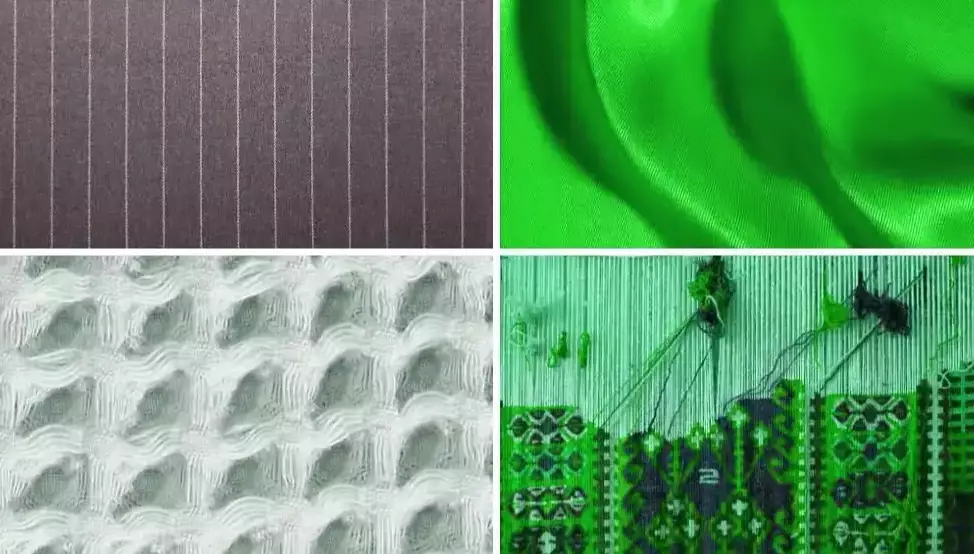
3. Satin Weave
The trickster of the group. It's not a fiber (satin can be made from silk, polyester, or cotton), it's a structure. In a satin weave, the weft threads "float" over multiple warp threads (or vice versa, creating "sateen") before passing under one. These long floats on the surface are what create the signature shine and smoothness.
What it feels like: Luxuriously smooth, glossy on one side, and has a superb drape. It feels warm to the touch.
Where you'll find it: Formal satin gowns, sateen bed sheets (which are cotton in a satin weave), linings, and some neckties.
The big trade-off: Those beautiful floats are a weakness. They catch on rough surfaces like jewelry or nails more easily than other weaves. Satin weaves are less durable for high-friction applications. A satin sheet feels divine but might not last as long as a hard-wearing percale (plain weave) sheet.
Beyond the Basics: Common Weave Variations
Designers modify the basic weaves to create specific textures and functions. Here are the ones you need to know.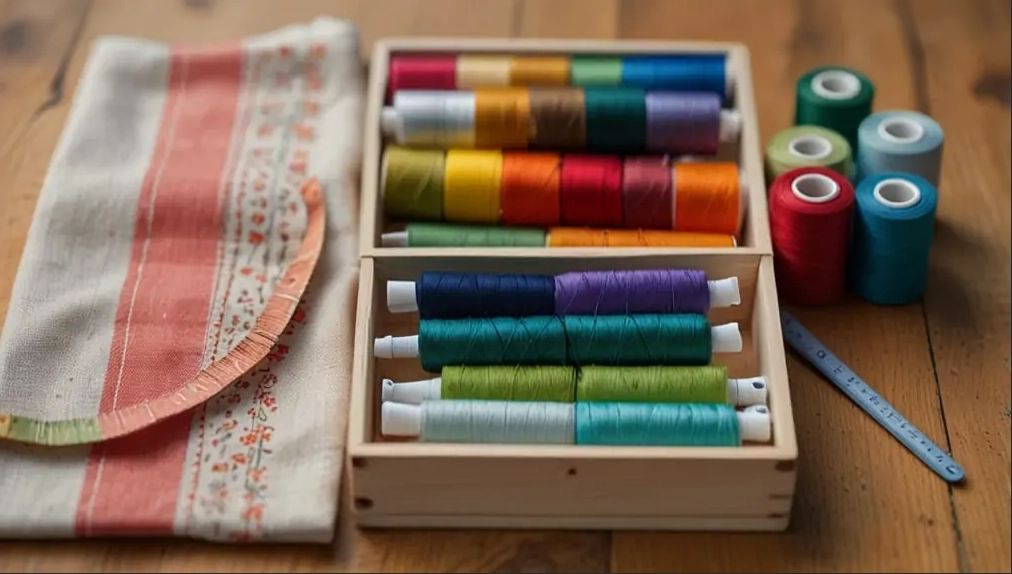
Jacquard: Not a single weave, but a category. Using a special loom, intricate patterns (like damask, brocade, or matelassé) are woven directly into the fabric. The pattern is structural, not printed. You'll feel the raised texture.
Dobby: Creates small, geometric, textured patterns (like the dots on a birdseye piqué or the texture of a waffle cloth) through a mechanical attachment on the loom. Great for adding visual interest and a bit more breathability.
Leno: A clever open-weave where warp threads are twisted around the weft threads, locking them in place. This creates a very stable mesh that resists slipping. Used in sheer curtains, mosquito netting, and some lightweight summer fabrics.
Pile Weaves: These create a soft, raised surface (the pile) on the fabric. This includes velvet (cut pile), terry cloth (uncut loops, like your bath towel), and corduroy (cut pile in defined rows, or "wales"). Warm, plush, but often high-maintenance.
How to Choose the Right Weave for Your Project
Let's get practical. This table breaks down the best weave choices for common needs. Remember, fiber content (cotton, linen, wool, synthetic) works in tandem with the weave.
| Your Goal | Recommended Weave Type | Why It Works & What to Look For |
|---|---|---|
| Everyday Durability (Jeans, Workwear) | Twill (Denim, Canvas, Drill) | The diagonal structure distributes stress evenly and resists abrasion. Look for a tight, heavy-weight twill. For bags, a tightly woven canvas (plain weave) is also excellent. |
| Crisp, Cool Shirts & Summer Bedsheets | Plain Weave (Broadcloth, Poplin, Percale) | The tight criss-cross allows maximum air circulation and feels cool against the skin. For sheets, "percale" is the keyword—it denotes a specific tight plain weave with a thread count typically between 200-400. |
| Luxurious Drape & Formalwear | Satin Weave or Crepe* | Satin's long floats create unparalleled fluidity and shine. *Note: Crepe is often a twisted yarn in a plain or satin weave, giving a pebbly texture and great drape without the sheen. |
| Warmth & Coziness (Winter) | Pile Weaves (Flannel, Velvet, Fleece**) or Twill (Wool) | Pile traps air, providing insulation. **Fleece is usually knitted, not woven, but serves a similar purpose. Twill-weave wool fabrics like gabardine are dense and wind-resistant. |
| Easy Care & Wrinkle Resistance | Twill or synthetic-blend Plain Weaves | Twill's inherent resilience fights wrinkles. A plain weave fabric blended with polyester or treated with a wrinkle-resistant finish will also perform well. Pure linen in a plain weave will wrinkle beautifully—it's a feature, not a bug. |
| Sheer & Breathable Curtains | Leno or loose Plain Weave (Voile, Linen) | Leno provides stability so the fabric doesn't sag. A loose, open plain weave like cotton voile offers breezy transparency. |
Common Weave Mistakes and How to Avoid Them
I've seen these errors cost people time and money. Let's sidestep them.
Mistake 1: Assuming "Sateen" is Synthetic. Sateen refers to cotton (or sometimes rayon) woven in a satin weave structure. It's not a cheap plastic fabric. High-quality long-staple cotton sateen sheets are luxurious, breathable, and durable. Don't confuse the weave name with fiber content.
Mistake 2: Choosing Satin for High-Friction Areas. That gorgeous satin bedsheet? It might develop pulls or "runs" if you have rough skin on your heels or a pet with claws. For durability, plain weave (percale) or a strong twill is a safer bet.
Mistake 3: Ignoring Weight and Thread Count. Weave is one factor; the other is how densely it's woven. A lightweight twill (like some chinos) will wear out faster than a heavyweight one. In plain weaves, thread count matters, but only up to a point (400-600 is sweet spot; beyond can mean thinner, weaker threads). Always feel the fabric's substance.
Mistake 4: Overlooking the Fabric's Back. Turn it over. A quality twill will look neat on the back. A cheap satin might have an obvious, loose grid on the back, indicating short floats and lower quality. The back tells the truth about construction.
Your Fabric Weave Questions Answered
 What's the best weave for a hot climate that's also durable?