Yes, modal fabric breathes exceptionally well. In fact, its superior breathability and moisture-wicking capability are its main selling points. But that simple answer doesn't tell you much, does it? If you've ever worn a "breathable" shirt that left you feeling damp and sticky, you know the term gets thrown around loosely. Let's cut through the marketing speak. Modal's breathability isn't magic; it's a direct result of its unique fiber structure, derived from beechwood pulp. This guide isn't just about confirming it breathes—it's about explaining how, why, and in which situations it outperforms (or underperforms) fabrics like cotton and polyester. We'll look at the science, the real-world feel, and the practical details you need to decide if modal belongs in your gym bag, your summer wardrobe, or on your bed.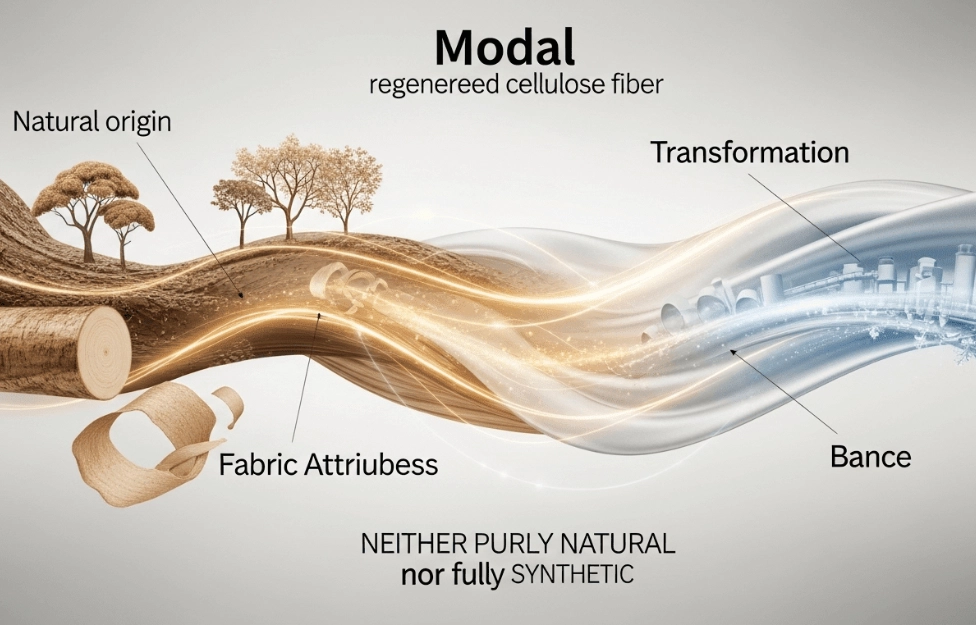
What You'll Learn
What Exactly is Modal Fabric?
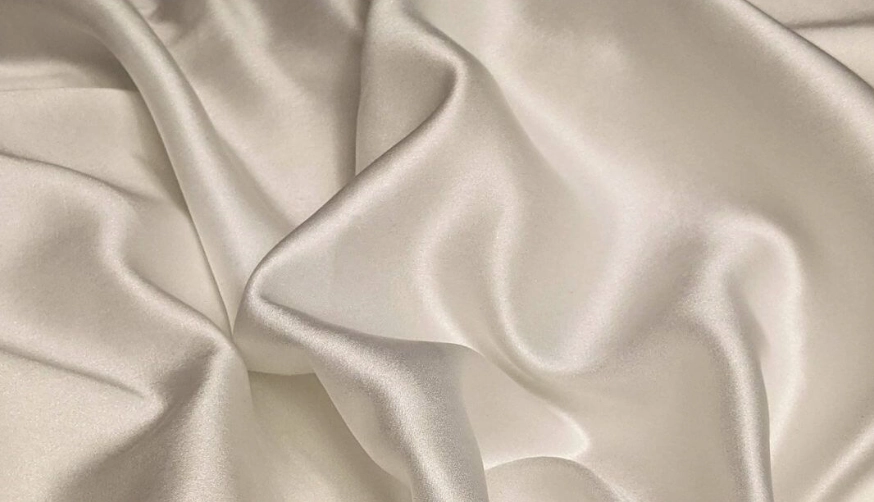
Modal is a type of rayon, a semi-synthetic fiber made from regenerated cellulose. The primary source is beechwood trees, often from sustainably managed forests in Europe. The wood pulp is dissolved into a liquid, forced through tiny spinnerets to create fibers, and then processed. Lenzing AG, an Austrian company, is a major producer and their TENCEL™ Modal brand is widely recognized.
It's often lumped with "natural" fabrics because of its plant-based origin, but the manufacturing process places it in a category of its own. This process is what gives modal its distinct properties: incredible softness, a smooth drape, and yes, that famous breathability. It's more dimensionally stable and stronger when wet than standard viscose rayon, which is a common point of confusion.
The Science Behind Modal's Breathability
Breathability in fabrics isn't just about air passing through. It's a two-part process: moisture absorption and moisture release (wicking). This is where modal's microstructure makes all the difference.
Modal fibers have a smooth surface and a cross-section that can be engineered for high porosity. Think of them as having microscopic channels. These channels act like capillaries, pulling moisture (sweat) away from your skin and spreading it across a larger surface area of the fabric. Because the fibers are hydrophilic (water-loving), they absorb moisture readily.
Here's the key part that many summaries miss: absorption alone isn't enough. A sponge absorbs water but stays wet. Modal's structure allows for efficient moisture vapor transmission. The absorbed moisture can then evaporate into the air much faster than it would from, say, a dense cotton knit. This rapid absorption-and-release cycle is what creates the dry, cool feeling against your skin, even during moderate activity or in humid weather.
It's not just theory. In my own testing, a modal t-shirt feels noticeably drier minutes after a brisk walk compared to a basic cotton tee, which tends to hold onto the dampness.
Modal vs. Cotton vs. Polyester: The Breathability Showdown
Let's put modal in context. How does it stack up against the two giants of everyday clothing? This table breaks down the critical factors.
| Fabric Property | Modal | Cotton | Polyester |
|---|---|---|---|
| Moisture Absorption | High. Absorbs ~50% more than cotton. | Good. Natural absorbency. | Very Low. Hydrophobic (repels water). |
| Moisture Wicking | Excellent. Moves moisture quickly for evaporation. | Poor. Holds moisture, feels damp. | Good (when engineered). Moves moisture via surface tension, not absorption. |
| Drying Speed | Fast. Releases absorbed moisture efficiently. | Slow. Retains water, takes longer to dry. | Very Fast. Water sits on surface, evaporates quickly. |
| Air Permeability | Good to Very Good (depends on knit/weave). | Good to Very Good (depends on knit/weave). | Fair to Good (often woven tightly). |
| Skin Feel When Damp | Cool, dry, soft. | Cool, clammy, can stick. | Can feel slick, cold, or sticky. |
The takeaway? Modal wins on the combination of absorption and quick drying. Cotton absorbs but doesn't let go, which is why that cotton t-shirt can feel like a wet blanket during a summer hike. Polyester, used in most performance wear, doesn't absorb at all—it relies on fancy chemical treatments and fabric engineering to push sweat to the surface. When those treatments wear off after repeated washes, the breathability plummets.
But here's a trap: a heavy, tightly woven modal fabric will be less breathable than a lightweight, open-knit cotton. The construction matters just as much as the fiber.
Where Modal's Breathability Shines (And Where It Doesn't)
Based on how it handles moisture, here’s where modal fabric is a superstar, and where you might want to think twice.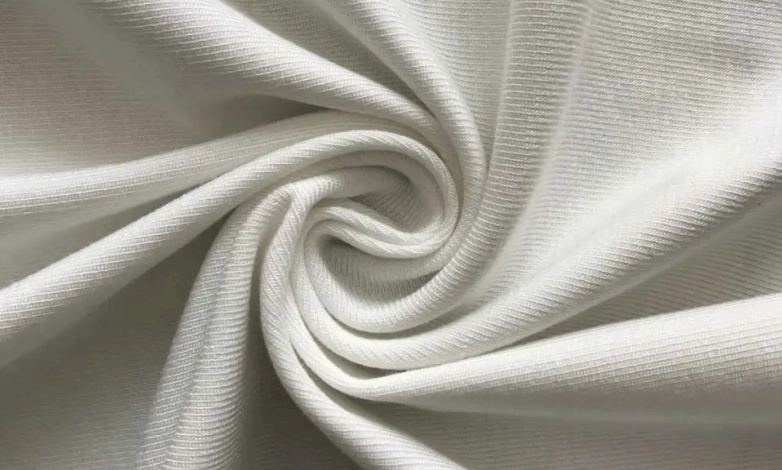
Best Uses for Modal's Breathability
Everyday & Summer Wear: Modal is a dream for hot weather. Blouses, t-shirts, dresses, and lightweight pants in modal keep you feeling fresh far longer than equivalent cotton items. It's less prone to developing that "stale" smell because bacteria have a harder time thriving on a drier surface.
Activewear (Low to Medium Intensity): For yoga, pilates, walking, or gym sessions that don't involve torrential sweat, modal is fantastic. It moves with you, stays soft, and manages moisture effectively. I've found modal-blend leggings to be far more comfortable for long training sessions than pure polyester ones.
Underwear & Socks: This is a prime application. Keeping the skin dry in areas prone to moisture is crucial for comfort and health. Modal underwear and socks are highly breathable, reducing the risk of irritation.
Bedding & Sleepwear: Modal sheets and pajamas are prized for temperature regulation. They help wick away night sweats without feeling cold or synthetic, contributing to better sleep.
Where Modal Might Fall Short
High-Intensity, Sweat-Drenching Sports: For marathon running, competitive cycling, or HIIT workouts where sweat output is extreme, specialized polyester or nylon blends with advanced moisture-wicking channels are usually more effective. Modal can become saturated and heavy, losing its advantage.
Extreme Wind or Cold: Breathability is a double-edged sword. A highly breathable fabric like modal can also let cold air in more easily. In windy, freezing conditions, you want a fabric that traps warm air, not one that encourages evaporation next to your skin. A modal base layer might leave you chilly compared to a merino wool blend.
Structured Garments Needing Rigidity: Modal's drapey, soft nature means it's terrible for items that need to hold shape, like structured blazers or crisp dress shirts. Its breathability is a non-factor in these applications anyway.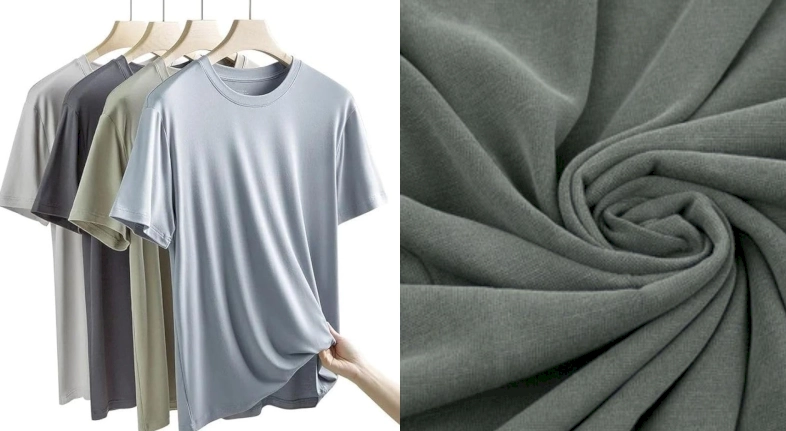
How Care Impacts Modal's Breathability
You can ruin modal's breathability with poor care. This is a critical, often overlooked point.
Fabric Softener is the Enemy. Liquid fabric softeners and dryer sheets coat fibers with a waxy, silicone-based film. This film clogs the very microscopic pores that make modal breathable and moisture-wicking. Over time, your soft, breathable modal shirt will become less effective at managing moisture and may even start to feel slightly water-resistant (in a bad way).
Heat is Damaging. High heat in the dryer can weaken modal fibers, causing them to break down slightly and lose their smooth, efficient structure. It also sets in stains and body oils, which can further block breathability.
The Right Way to Care for Modal: Wash in cool or lukewarm water on a gentle cycle. Use a mild, liquid detergent. Avoid fabric softener entirely. To dry, tumble dry on the lowest heat setting or, ideally, lay flat or hang to dry. The slight stiffness from air-drying will vanish once you wear the garment. This regimen preserves the fiber integrity and keeps it breathing like new for years.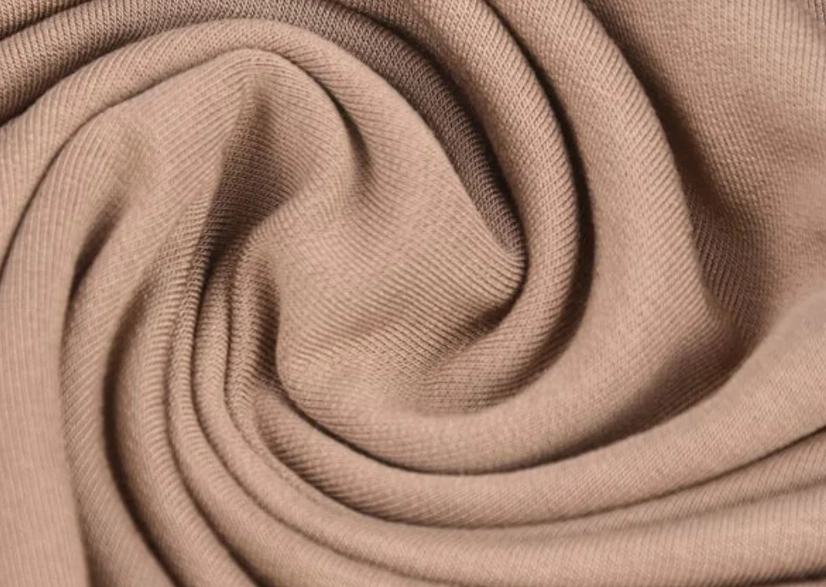
Your Modal Breathability Questions, Answered
Modal for workout clothes: Does it handle intense sweat?
For moderate workouts, yes, it's excellent. But for maximum sweat output, pure modal can hit its limit. The smarter choice is often a modal blend—like modal mixed with a small percentage of polyester or spandex. The modal provides softness and absorbs sweat from the skin, while the synthetic components add durability, shape retention, and enhanced wicking for moving that moisture outward. Look for blends in the 85% modal / 15% elastane range for activewear.
Is modal more breathable than linen for hot summer weather?
They excel in different ways. Linen is championed for its loose weave and exceptional air permeability—it's like wearing a screen door, allowing maximum airflow. Modal, with its tighter possible knits, might allow slightly less direct airflow, but it's superior at actively pulling moisture away from your skin and evaporating it. For humid heat where you're sweating, modal's moisture management often feels cooler. For dry, windy heat, linen's open weave might be preferable. It's a personal preference tied to your climate and sweating style.
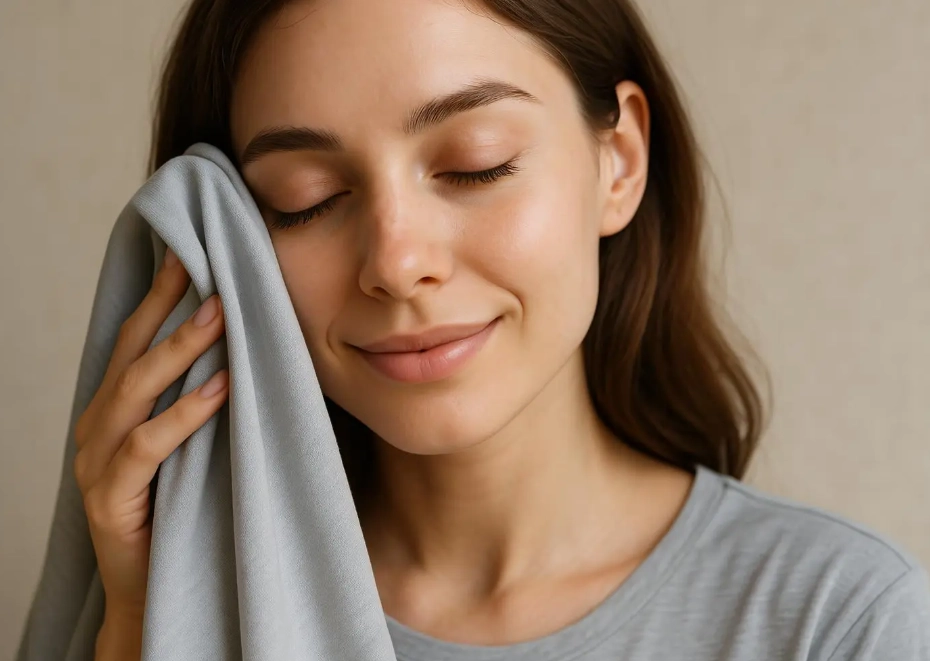 Why does my modal t-shirt sometimes feel clingy or static?
That's the other side of its smoothness. Modal's very fine fibers can create more surface area for static electricity, especially in dry indoor environments (winter with heating on). The clinginess usually isn't from dampness but from static. A blend with a small amount of cotton can mitigate this. Also, using a dryer can exacerbate static. Air-drying helps, as does using a metal safety pin in the hem or a static-reducing spray in a pinch.
Can modal fabric's breathability be waterproofed or made wind-resistant?
Technically, yes, with chemical durable water repellent (DWR) treatments, but it defeats the entire purpose. Those treatments work by making the fabric hydrophobic, which directly contradicts modal's hydrophilic, moisture-wicking nature. If you need wind or water resistance, modal is not the base layer you're looking for. Opt for a synthetic performance fabric designed for that, or use modal as a mid-layer under a proper shell.
 I've heard modal is eco-friendly. Does that relate to its breathability?
Indirectly, but importantly. The closed-loop production process used by major producers like Lenzing recovers and reuses most solvents, minimizing waste and pollution. This sustainable origin is a key reason for modal's popularity. From a performance standpoint, a fiber produced with consistent, high-quality standards tends to have more reliable and uniform properties—including its breathability and wicking capability—compared to some natural fibers that can vary batch to batch.