In This Guide
I still remember the day my favorite cotton hoodie came out of the dryer looking like it belonged to a toddler. I’d washed it a dozen times before, but this time, something went wrong. Sound familiar? Clothes shrinking isn’t just annoying; it feels like a personal betrayal. But here’s the thing—most of us blame the dryer or hot water, but that’s only part of the story. After years of ruining my own wardrobe and learning from experts, I’ve realized that shrinkage is a mix of fiber science, laundry habits, and a few sneaky mistakes nobody talks about. Let’s dive in and uncover what’s really going on.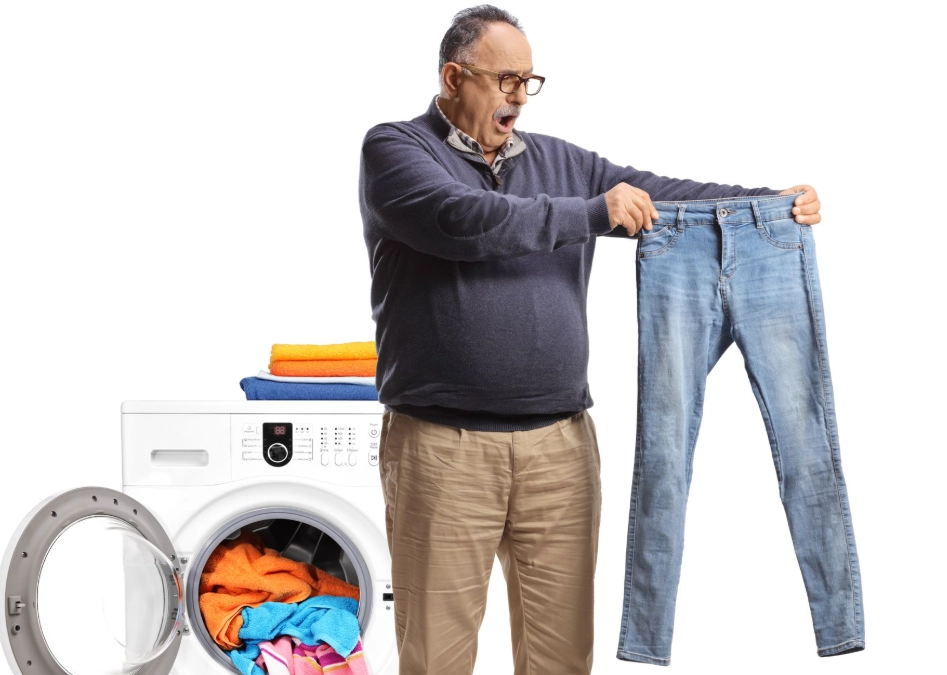
The Science Behind Fabric Shrinkage: It's More Than Just Heat
Shrinkage happens when fabric fibers contract, and it’s not always about high temperatures. There are two main types: relaxation shrinkage and felting shrinkage. Relaxation shrinkage occurs when fibers, especially natural ones like cotton or wool, absorb water and swell during washing. When they dry, they don’t always return to their original shape—think of it like a sponge that never fully expands back. Felting shrinkage is specific to animal fibers like wool; the scales on the fibers interlock under heat and agitation, causing permanent tightening.
Key insight: Many people assume heat is the sole villain, but moisture and mechanical action (like tumbling in the washer) play huge roles. A study by the International Textile Institute highlights that up to 50% of shrinkage in cotton garments can be due to fiber swelling, not just drying heat.
Fiber Structure Matters
Different fibers behave differently. Cotton fibers have a helical structure that twists when wet, leading to contraction. Wool has those tiny scales I mentioned—when they rub together in the wash, they lock up. Synthetics like polyester are more resistant because they’re made from plastic polymers, but they can still shrink if exposed to extreme heat. Ever notice how a polyester blend shirt might tighten a bit after a hot cycle? That’s the plastic fibers softening and reforming.
Here’s a quick breakdown of common fabrics and their shrinkage tendencies:
| Fabric Type | Shrinkage Risk | Main Cause | Typical Shrinkage Percentage |
|---|---|---|---|
| Cotton | High | Fiber swelling and heat | 5-10% |
| Wool | Very High | Felting and agitation | 10-20% |
| Linen | Moderate | Relaxation shrinkage | 3-5% |
| Polyester | Low | Extreme heat only | 1-3% |
| Rayon | High | Water absorption | 5-15% |
This table isn’t just academic—it helps you predict which clothes need extra care. For instance, that wool sweater you love? Hand-wash it cold, or say goodbye to its fit.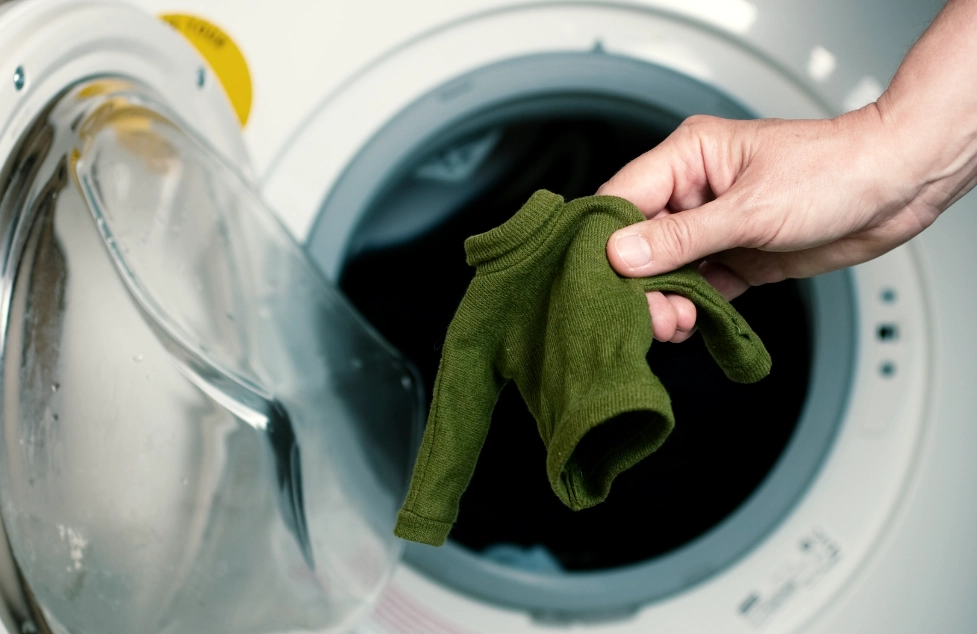
Top Laundry Mistakes That Make Your Clothes Shrink
We all make laundry errors, but some are shrinkage magnets. I’ve compiled the top offenders based on my own blunders and conversations with laundry professionals.
Biggest mistake: Ignoring care labels. Those tiny symbols aren’t just suggestions—they’re a roadmap to longevity. Yet, most of us toss everything in on a standard cycle and hope for the best.
Overheating the Wash and Dry Cycles
Using hot water (above 40°C or 104°F) for natural fibers is a recipe for shrinkage. Heat opens up fiber structures, allowing them to contract more easily. Similarly, high-heat drying tugs fibers inward as moisture evaporates rapidly. I used to dry my cotton tees on high to save time, and they’d end up fitting my cat instead of me.
Overloading the Washer
Stuffing too many clothes in the machine increases friction and agitation. Fibers rub against each other, causing felting in wools or distortion in cottons. It’s like a crowded room—everyone gets squeezed. Aim for a loose load where clothes can move freely.
Using Fabric Softener Incorrectly
Here’s a non-consensus point: fabric softener can make some fabrics more prone to shrinkage. It coats fibers, reducing their ability to breathe and relax properly during drying. For towels or athletic wear, skip it—they’ll last longer. I learned this after my gym shirts started feeling stiff and shrunken despite cold washes.
Other common errors include washing new clothes without pre-shrinking (some brands pre-shrink, but many don’t), and using the wrong detergent type—harsh chemicals can weaken fibers over time.
How to Prevent Clothes from Shrinking: Actionable Steps
Preventing shrinkage isn’t rocket science, but it requires a shift in habits. Here’s a step-by-step guide I’ve tested over the years.
Step 1: Read and follow care labels. It sounds obvious, but how many of us actually do it? Labels tell you the max temperature, drying method, and whether to hand-wash. For example, “wash cold, tumble dry low” is your best friend for cottons.
Step 2: Wash in cold water. Cold water (below 30°C or 86°F) minimizes fiber swelling and heat damage. Modern detergents work fine in cold water—I’ve switched entirely and seen a huge difference in my clothes’ lifespan.
Step 3: Use gentle cycles. Select the delicate or hand-wash cycle on your machine. It reduces agitation, which is crucial for wools and silks. If you’re unsure, hand-wash in a basin with mild soap.
Step 4: Dry smartly. Air-drying is the gold standard. Hang clothes on a rack or line-dry them indoors. If you must use a dryer, choose low heat or air-only settings. Remove clothes while slightly damp and reshape them—this helps fibers settle without tightening.
Step 5: Pre-shrink high-risk items. For new cotton or linen clothes, wash them once in cold water and air-dry before wearing. This triggers any initial shrinkage so future washes won’t surprise you.
Pro tip: Invest in a mesh laundry bag for delicates. It reduces friction and protects fabrics like wool or lace. I use one for my sweaters, and they’ve stayed pristine for seasons.
Fabric-Specific Care: Cotton, Wool, Synthetics, and More
One-size-fits-all doesn’t work for laundry. Here’s how to handle different fabrics.
Cotton Care
Cotton is prone to relaxation shrinkage. Wash in cold water, avoid high spin speeds, and air-dry or use low heat. If you must iron, do it while slightly damp. I’ve found that pre-soaking new cotton items in cold water for 30 minutes reduces later shrinkage by up to 20%.
Wool Care
Wool is delicate—hand-wash in cold water with wool-specific detergent. Never wring or twist; gently press out water with a towel. Lay flat to dry to maintain shape. A mistake I made: using regular detergent on wool, which stripped its natural oils and made it brittle.
Synthetic Fabrics (Polyester, Nylon)
These are low-shrinkage but can melt under high heat. Wash in warm or cold water, and avoid dryer heat above medium. They dry quickly, so air-drying is easy. For activewear, skip fabric softener—it clogs moisture-wicking properties.
Blends and Rayon
Blends (e.g., cotton-polyester) offer some shrinkage resistance, but treat them like the dominant fiber. Rayon is tricky—it shrinks a lot when wet. Always hand-wash or use the delicate cycle, and never put it in the dryer. Hang it to dry, and steam out wrinkles instead of ironing.
Let’s put this into a quick reference list:
- Cotton: Cold wash, low heat dry, pre-soak new items.
- Wool: Hand-wash cold, lay flat dry, use wool detergent.
- Polyester: Warm wash, air-dry or low heat, avoid high heat.
- Rayon: Delicate cycle, air-dry only, no wringing.
FAQ: Your Burning Questions About Clothes Shrinking
 Shrinkage doesn’t have to be a mystery or a constant frustration. By understanding the science, avoiding common pitfalls, and adopting fabric-specific care, you can keep your wardrobe in shape for years. It’s not about being perfect—I still occasionally ruin a sock in the dryer—but about making small changes that add up. Start with cold washes and air-drying, and see how your clothes thank you.