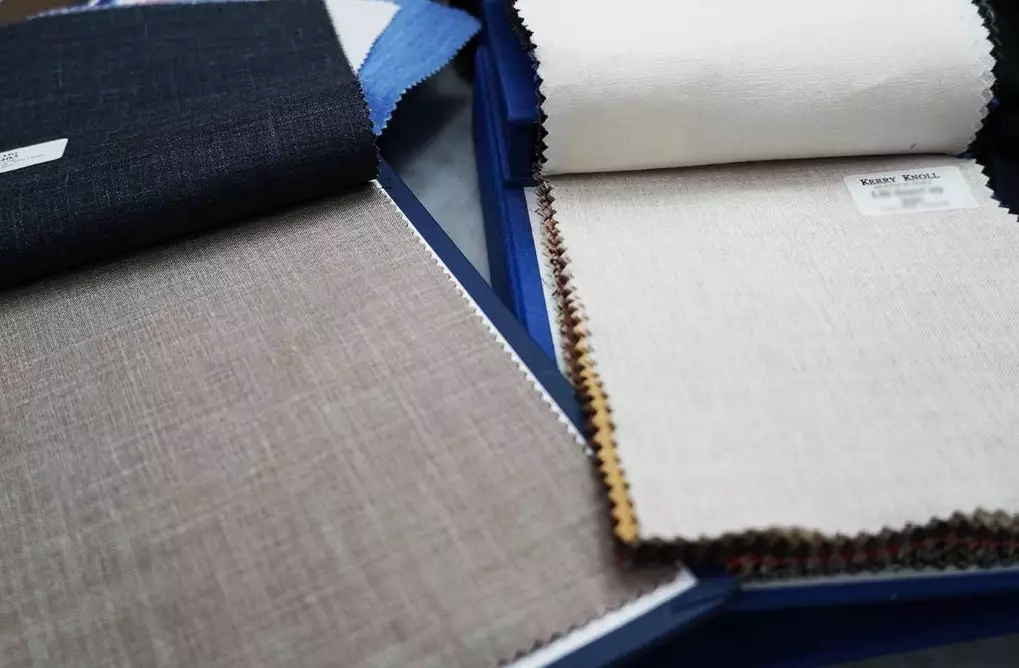
Let's get straight to it. You have a plain cotton shirt, a faded pair of jeans, or some off-white fabric you want to bring to life. Maybe you're tired of the color, or you're upcycling something old. Dyeing cotton isn't magic, but it's also not just throwing fabric in colored water. Get it right, and you get rich, lasting color. Get it wrong, and you get a splotchy, faded mess that stains everything else in the wash. I've been there. My first attempt at dyeing a cotton tote bag ended up looking tie-dyed by accident—and not in a good way.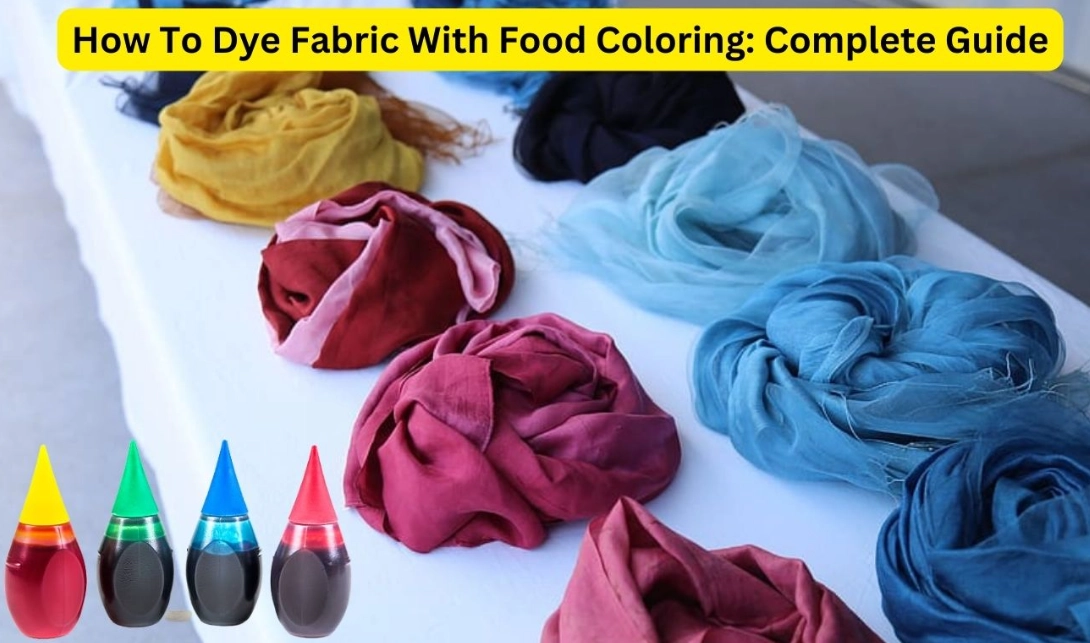
In This Guide
- What You Need to Dye Cotton Fabric at Home
- Fabric Prep: The Step Everyone Rushes (And Regrets)
- The Main Dyeing Process: Stovetop, Bucket, or Machine
- How to Dye Cotton with Natural Dyes
- Locking In the Color: How to Fix Dye on Cotton
- Why Did My Project Fail? Common Dyeing Problems
- Your Dyeing Questions, Answered
What You Need to Dye Cotton Fabric at Home
You don't need a chemistry lab. Here's the real list, broken down by necessity.
The Non-Negotiables: Cotton fabric (obviously), dye, salt or vinegar (acts as a fixing agent), a large pot or bucket (stainless steel or dedicated to dyeing), hot water, rubber gloves, and a stir stick (an old wooden spoon works).
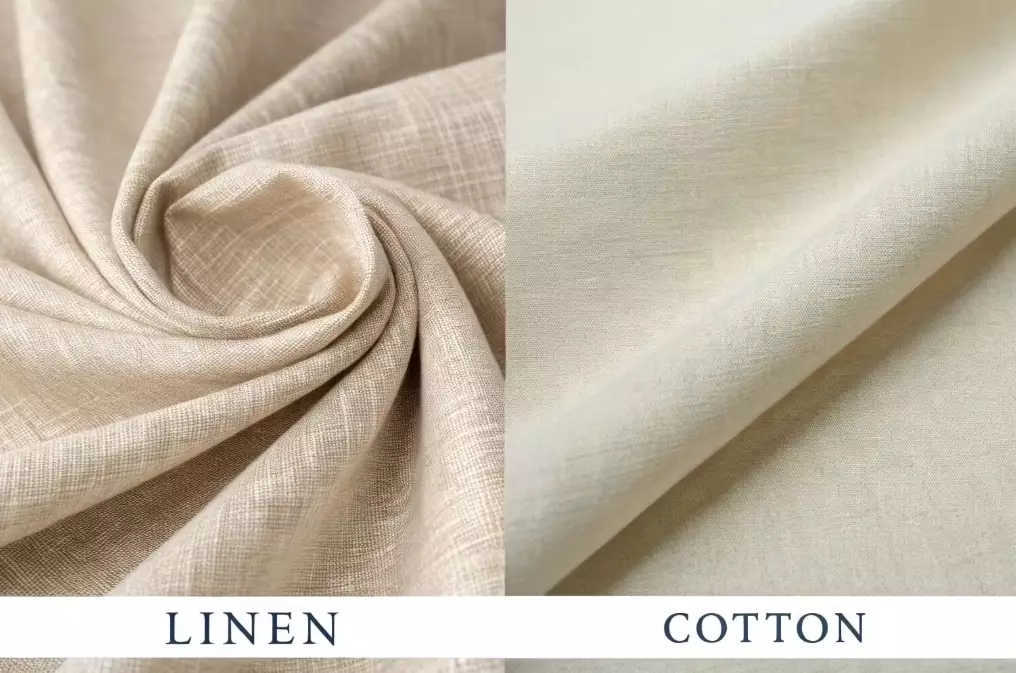
The cotton itself matters. Are you dyeing a 100% cotton tee? A 60/40 cotton-poly blend? A thick canvas? Pure cotton absorbs dye best. Blends will result in lighter, more muted tones as the synthetic fibers resist the dye. Heavier fabrics like denim or canvas need more dye and more time.
Choosing Your Dye: Synthetic vs. Natural
This is your first big decision.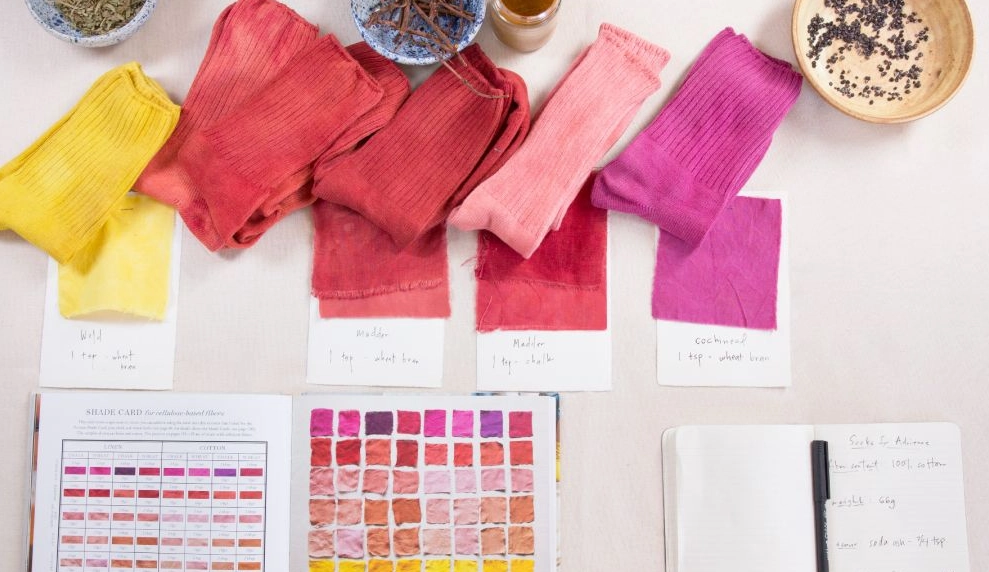
| Type | Best For | Pros | Cons | Key Agent |
|---|---|---|---|---|
| Fiber Reactive Dyes (e.g., Procion MX) | Vibrant, permanent colors on cellulose fibers (cotton, linen). | Extremely colorfast, works in cool water, huge color range. | Requires soda ash to fix, more steps, shorter shelf life once mixed. | Soda Ash |
| All-Purpose Dye (e.g., RIT DyeMore) | Blends, items with unknown fiber content, beginners. | Simple, readily available, works on many fibers. | Less vibrant on pure cotton, less colorfast over many washes. | Salt |
| Natural Dyes (e.g., avocado pits, onion skins) | Earthy, subtle tones, sustainable projects. | Non-toxic, eco-friendly, creates unique colors. | Color is less predictable, requires a mordant (like alum), more process. | A Mordant (e.g., Alum) |
My go-to for pure cotton is fiber reactive dye. The colors pop and last. For a quick refresh of a cotton-poly blend couch cover, I'd use an all-purpose dye like RIT DyeMore. For a special, slow craft project, I go natural.
Fabric Prep: The Step Everyone Rushes (And Regrets)
Here's the expert secret nobody shouts about: preparation is 50% of the success. Skipping this is why colors turn out uneven or wash out fast.
You must wash the fabric first. No exceptions. New fabric has sizing (starch). Old clothes have dirt, oils, and detergent residue. All of these block dye. Wash it in warm water with a little mild detergent, no fabric softener. Dry it completely.
Next, get it wet again. Submerge your clean, dry fabric in plain warm water and let it soak until fully saturated. This "pre-wetting" ensures the dye penetrates evenly, instead of hitting dry spots and creating splotches.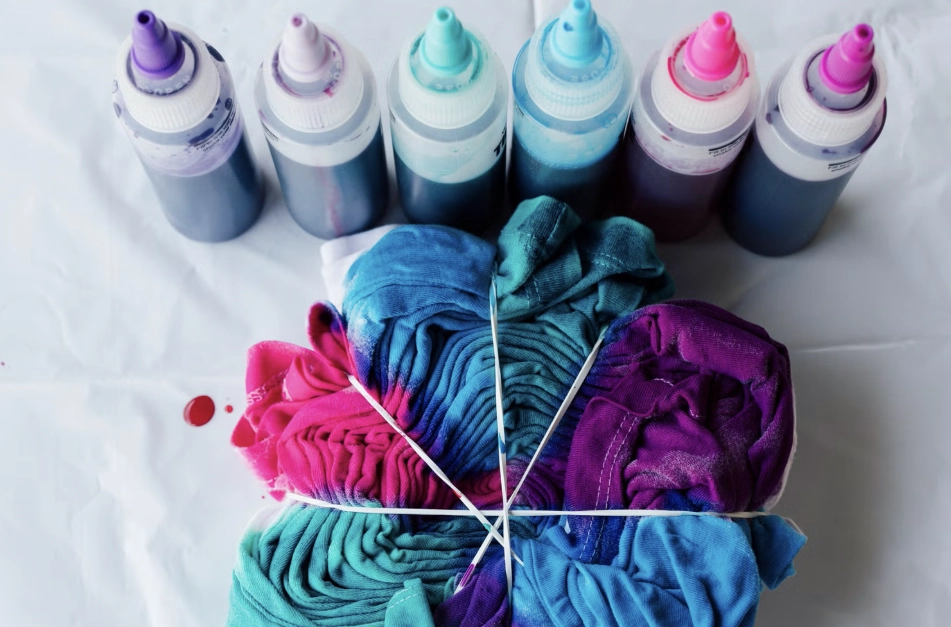
Stop Here If Your Fabric Has a Finish: Some cotton, like quilting fabric or certain shirts, has a permanent press or water-resistant finish. Dye will bead up on it. Test by dripping water on it. If it soaks in, you're good. If it beads, you need to scour the fabric (simmer with synthrapol or heavy-duty detergent) to remove the finish—a tedious but necessary step.
The Main Dyeing Process: Stovetop, Bucket, or Machine
Let's assume you're using an all-purpose or cotton-specific dye. The process is similar.
1. Dissolve the Dye. In your pot or bucket, dissolve the dye powder or liquid in about two cups of very hot water. Stir until no granules remain. This prevents speckling.
2. Create the Dyebath. Add enough hot water to the pot so your fabric can move freely. The water should be very warm to hot (like a hot bath). Stir in the salt (for all-purpose dye) or vinegar (for some natural dyes) according to your dye's instructions. This is the fixing agent that helps the dye bond.
3. Add the Fabric. Wring out your pre-wetted fabric and add it to the dyebath. Stir slowly and continuously for the first 10-15 minutes. Then, stir every few minutes. This constant motion is crucial for evenness.
4. Simmer and Soak. For stovetop dyeing, maintain a low simmer (not a rolling boil) for 30-60 minutes, depending on the depth of color you want. For bucket dyeing, you'll need to keep adding hot water to maintain temperature over 60+ minutes. Patience here builds color intensity.
5. The Rinse. Wearing gloves, remove the fabric. Rinse it under cool water until the water runs clear. Then gradually move to warmer water. Don't shock it with hot water immediately.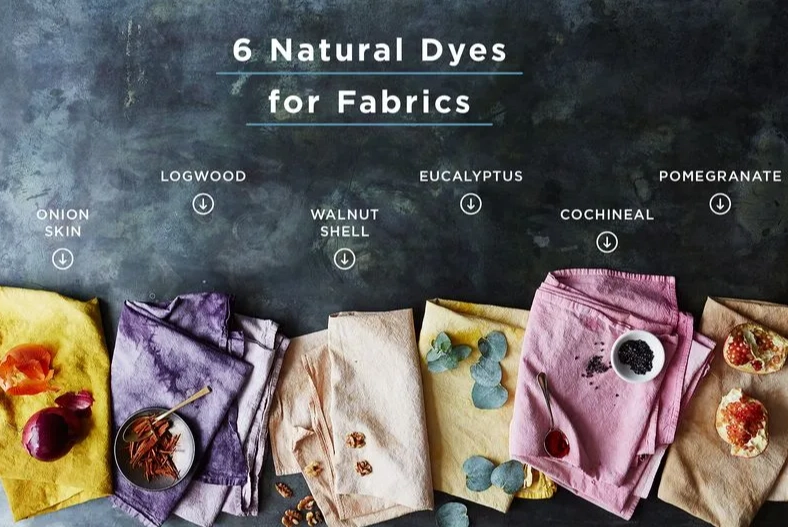
How to Dye Cotton with Natural Dyes
This is a slower, more rewarding process. The color comes from plants, food waste, or minerals.
The Critical Difference: The Mordant. You can't just boil fabric with avocado pits. Most natural dyes need a mordant—a mineral that binds the dye to the fiber. Alum (potassium aluminum sulfate) is the most common and safest for home use. You mordant the fabric before dyeing it.
Basic Natural Dye Process:
1. Mordant: Simmer your pre-wetted fabric in a pot with water and alum (about 15% of the fabric weight) for an hour. Let it cool in the pot, then wring out. You can do this a day ahead.
2. Create the Dyebath: Simmer your dye material (e.g., 100g of onion skins for a medium orange) in water for an hour to extract color. Strain out the solids.
3. Dye: Add the wet, mordanted fabric to the natural dyebath. Simmer for another hour or more, stirring occasionally. Let it cool in the pot for deeper color.
4. Rinse: Rinse gently. The color will shift as it oxidizes. The USDA has a great resource on historical natural dye plants for inspiration.
The results are soft, complex, and never identical twice. A yellow onion skin dyebath gave me a bright orange on one batch and a deep rust on another, depending on the fabric and pH.
Locking In the Color: How to Fix Dye on Cotton
"Fixing" the dye means making it permanent. If you skip this, you'll see color bleed every wash.
For synthetic dyes, the fixing agent (salt, vinegar, soda ash) in the dyebath does most of the work. But the final step is heat setting.
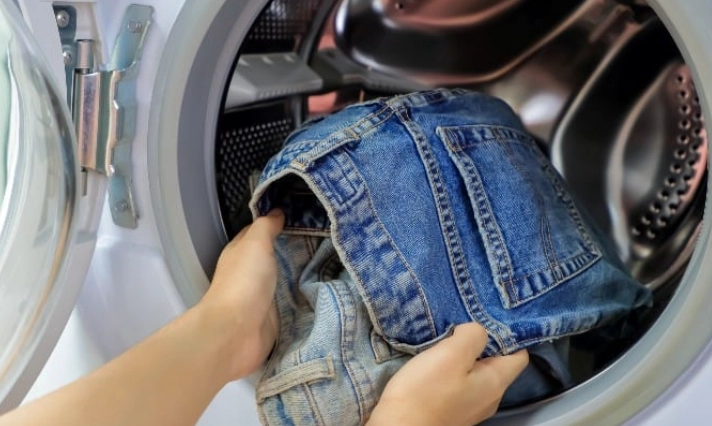
After the final rinse, wash the fabric alone in the washing machine with a small amount of mild detergent on a warm cycle. Then, tumble dry on medium or high heat. The heat helps seal the dye molecules into the fiber. For delicate items, you can iron them with a hot iron (using a pressing cloth).
For natural dyes, the mordant is the fixative. A post-dye soak in a vinegar or salt solution can sometimes help set the color further, depending on the dye source.
Why Did My Project Fail? Common Dyeing Problems
Let's diagnose.
Problem: Color is pale or washed out.
Likely Cause: Dyebath wasn't hot enough, didn't soak long enough, or you didn't use enough dye/fixing agent. Cotton needs sustained heat and time.
Problem: Color is splotchy and uneven.
Likely Cause: Fabric wasn't pre-wet, or you didn't stir enough at the beginning. The fabric clumped together, creating pockets of concentrated dye.
Problem: Color bleeds a lot on the first wash.
Likely Cause: Inadequate rinsing after dyeing, or the dye wasn't properly fixed. You may not have used the correct fixing agent or heat set it.
Problem: The dye didn't take at all on certain areas.
Likely Cause: Fabric finish (like on some "wrinkle-free" cottons) or a hidden stain (grease, oil) that repelled the dye.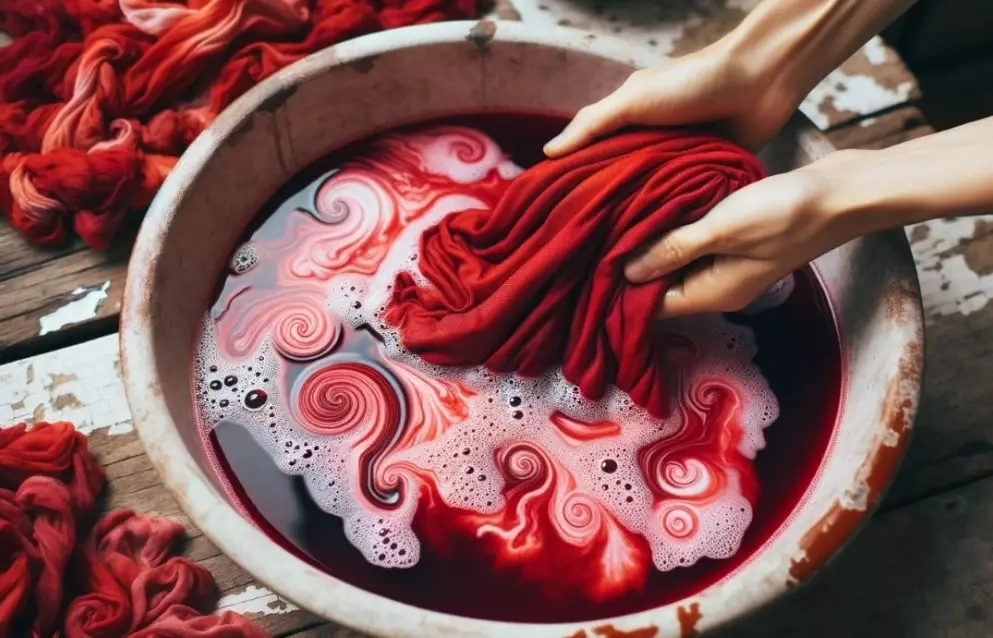
Your Dyeing Questions, Answered
 How do I prevent dye from bleeding onto other clothes later?