Silk charmeuse. You've felt it in a stunning evening gown, seen it draped elegantly in high-end lingerie, or maybe you've run your fingers over it on a luxury bedding set. That unmistakable, liquid-like sheen and sensationally smooth touch—it's unlike any other fabric. But what exactly is silk charmeuse fabric? It's more than just "shiny silk." It's a specific weave with a distinct personality, incredible beauty, and a few quirks you absolutely need to know before you buy or sew with it. Let's cut through the marketing fluff and get into what makes this fabric a timeless icon of luxury.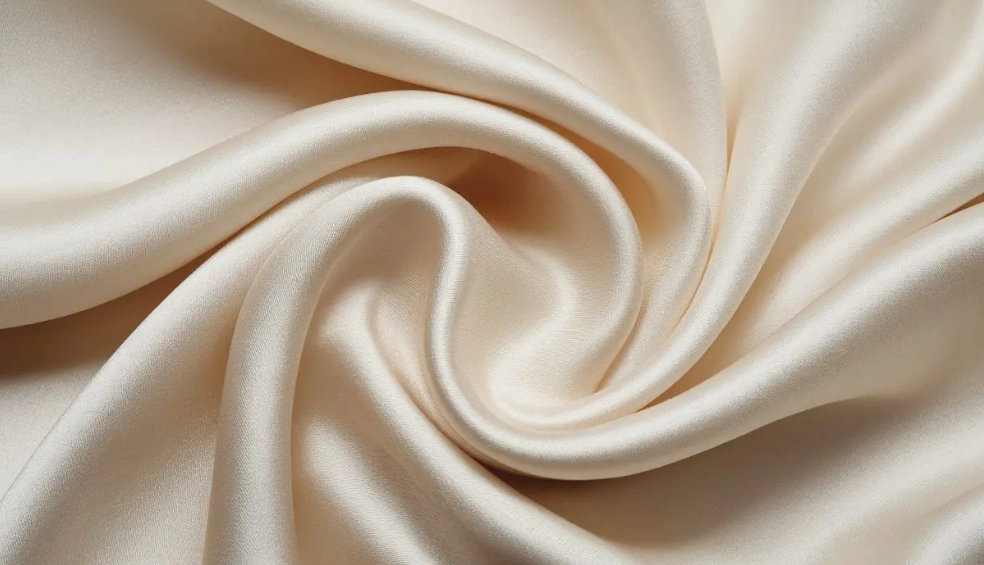
What You'll Discover in This Guide
What Exactly Is Silk Charmeuse Fabric?
At its core, silk charmeuse is defined by its weave structure, not just its fiber content. The term "charmeuse" (pronounced shar-moos) refers to a specific satin weave. Here’s the technical bit made simple: in a satin weave, the threads (warps) "float" over multiple weft threads before going under one. This creates long, uninterrupted stretches of thread on the fabric's surface.
With silk charmeuse, these floating threads are on the right side of the fabric. They catch the light uniformly, giving that famous, high-gloss, reflective finish. Flip it over, and you get a soft, matte, and slightly dull backside. This two-faced nature is its signature.
Now, a crucial point many miss: "Charmeuse" can be made from other fibers like polyester, rayon, or acetate. But when we talk about true luxury and those specific drape and feel qualities, silk charmeuse is the gold standard. The combination of silk's natural protein fibers with the satin weave creates magic—a fabric that is fluid, breathable, and has a sublime hand-feel that synthetics struggle to mimic perfectly.
Quick History Note: The weave has roots in medieval China, but the name "charmeuse" is French, derived from "charmeuse" (feminine for charmer). It literally means "enchantress"—a fitting name for a fabric that charms with its look and feel.
Key Properties of Silk Charmeuse (The Good and The Challenging)
Let's break down what you're really getting into with this fabric. It's not all red-carpet glamour; there's practical stuff to consider.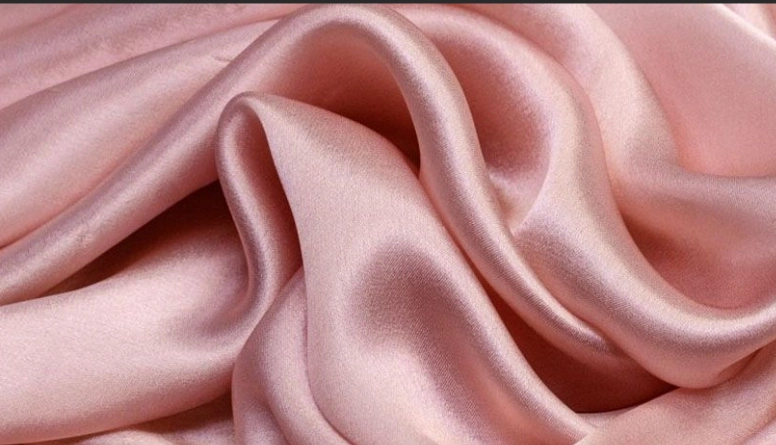
The Alluring Advantages
That Unmatched Drape and Fluidity: This is its superpower. Silk charmeuse falls and moves with the body in a way few fabrics can. It doesn't stand away from you; it clings and flows simultaneously, making it perfect for bias-cut garments that look like a second skin.
Luxurious Sheen and Visual Depth: The glossy surface has a rich, deep luster, not a cheap plastic shine. It makes colors look incredibly vibrant and saturated.
Breathable and Temperature Regulating: Real silk is a natural protein fiber. It wicks moisture and helps keep you cool in summer and warm in cooler weather. This is a key differentiator from polyester charmeuse, which can feel clammy.
Lightweight and Smooth: It feels incredibly soft and smooth against the skin, which is why it's a top choice for lingerie, linings, and sleepwear.
The Real-World Challenges (What Nobody Tells You)
It's Slippery and Tricky to Sew: This is the number one complaint from home sewists. The glossy surface wants to slide all over your cutting table and under the presser foot. Using tissue paper, a walking foot, and fine pins (or clips) is non-optional.
Shows Every Flaw: Every pinprick, uneven stitch, or seam pucker will be visible on that glossy surface. It demands precision.
Prone to Snagging: The long floats on the surface are vulnerable. A rough fingernail, a sharp ring, or a splintered chair can pull a thread and create a run or snag.
Water Spots and Staining: Water droplets can leave visible marks. Oils from your skin, perfume, or makeup can stain it if not treated promptly. I've seen more than one beautiful silk charmeuse bridesmaid dress ruined by sweat stains during a summer wedding.
Requires Delicate Care: You can't just toss it in the washer. Hand-washing or professional dry cleaning is the standard, which adds to the long-term cost of ownership.
How It Stacks Up Against Other Silks
People often lump all "silks" together. That's a mistake. Here’s a quick comparison to clear things up.
| Fabric Type | Weave/Texture | Key Characteristics | Best For |
|---|---|---|---|
| Silk Charmeuse | Satin Weave (glossy front, matte back) | High sheen, fluid drape, slippery, delicate. | Evening wear, lingerie, linings, luxury bedding. |
| Silk Crepe de Chine | Crepe Weave (pebbly texture) | Matte finish, slight crinkle, more body, less slippery. | Blouses, dresses, scarves, more structured garments. |
| Silk Chiffon | Plain Weave (very fine) | Sheer, gauzy, ethereal, extremely lightweight. | Overlays, sheer sleeves, scarves, decorative layers. |
| Silk Georgette | Crepe Weave (sheer) | Sheer, matte, slightly rough texture, good drape. | Flowy blouses, dresses, skirts with more opacity than chiffon. |
How to Use Silk Charmeuse Fabric in Your Projects
Knowing its personality helps you pick the right project. Don't fight the fabric; work with its strengths.
Clothing That Makes Sense:
- Bias-cut Dresses and Slips: This is where it shines (literally). The bias cut uses the fabric's natural diagonal stretch and incredible drape to create a figure-hugging yet fluid silhouette. Think 1930s Hollywood glamour.
- High-end Lingerie and Robes: Its skin-friendly smoothness and luxurious feel are perfect for camisoles, chemises, and elegant robes.
- Blouses and Shirts (with caution): It can work for loose, drapey blouses. But be mindful—it's too clingy for structured shirts and can show every lump and bump.
- Evening Wear and Formal Attire: Scarves, wraps, and the flowing parts of gowns. It adds instant luxury.
Beyond the Wardrobe:
- Luxury Bedding and Pillowcases: Silk pillowcases are famous for reducing friction on hair and skin. Charmeuse is a popular choice for this due to its smoothness.
- High-End Garment Linings: Using it to line a wool coat or a structured dress feels incredible and adds a hidden touch of luxury. It also helps garments slide on and off easily.
- Decorative Home Accents: Think throw pillows or small decorative items. I'd avoid high-traffic areas due to its delicacy.
A personal tip: If you're new to sewing with silk, don't make your first project a complex bias-cut gown. Start with a simple scarf or a lined tote bag pocket to get a feel for how the fabric behaves under your needle.
Caring for Silk Charmeuse: A Non-Negotiable Routine
Treat it well, and it will last for decades. Neglect it, and it'll look tired in a season.
Washing: Hand-washing in cool water with a gentle, pH-neutral soap made for delicates (like The Laundress Silk Wash or a baby shampoo) is my preferred method. Swirl gently, don't wring or twist. Rinse thoroughly in cool water. For items with structure or complex construction (like a lined dress), professional dry cleaning is the safer bet.
Drying: Never use a dryer. Roll the item in a clean, absorbent towel to remove excess water, then lay it flat on a drying rack away from direct sunlight or heat. Reshape it while damp.
Ironing: Use the lowest heat setting on your iron (the "silk" setting). Always iron on the matte (wrong) side of the fabric. Place a pressing cloth (a clean cotton handkerchief works) between the iron and the fabric if you must iron the right side. Steam helps, but avoid pressing too hard—you can flatten the sheen.
Storing: Store it clean. Moths are attracted to protein fibers like silk. Fold it neatly and store it in a breathable cotton bag or in a drawer with cedar blocks. Avoid plastic bags long-term, as they can trap moisture.
Here’s a mistake I see all the time: people spray perfume or deodorant directly onto their skin while wearing a silk charmeuse top. The alcohol and oils can spray onto the fabric and cause permanent discoloration. Always apply these products before putting the garment on and let them dry completely.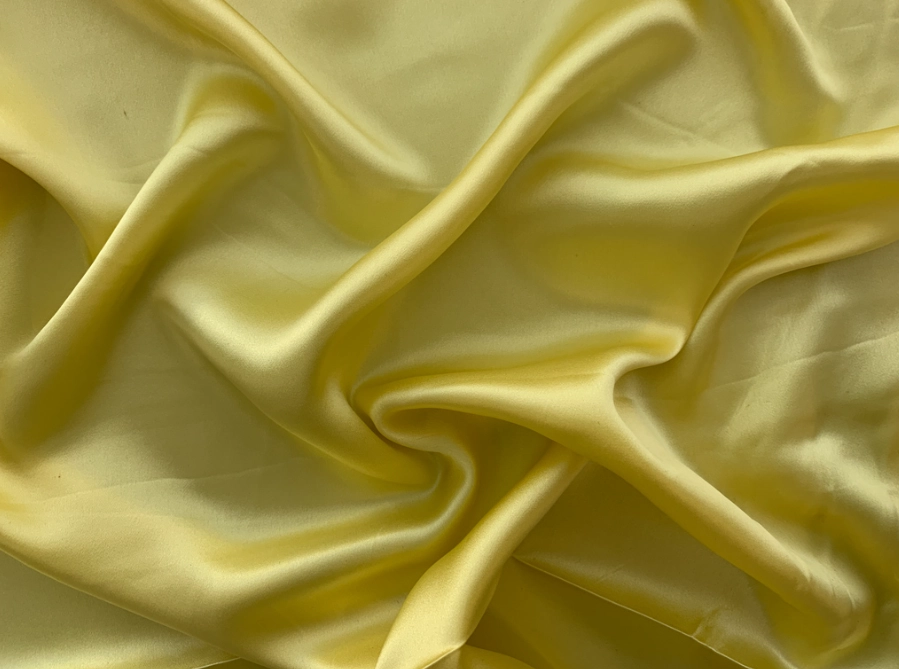
Your Silk Charmeuse Questions, Answered
It's actually an excellent choice for a summer dress. Natural silk is highly breathable and wicks moisture away from your body. The lightweight nature of charmeuse allows for air circulation. The potential issue isn't heat, but sweat stains. If you tend to sweat heavily, choose a darker color or a print, and consider using dress shields if the design allows.
It's a budget-friendly substitute with a similar look, but it's a different experience. Polyester charmeuse is less breathable, can feel plasticky or clammy against the skin, and doesn't drape with the same liquid quality. It's more durable and easier to care for (often machine washable), which makes it practical for items like costume wear or decorative pillows. For clothing you'll wear against your skin, especially in warm weather, the investment in real silk is worth it.
The fraying is intense. Here's my process: First, I use very sharp fabric shears or a rotary cutter on a self-healing mat. I cut single layers whenever possible for accuracy. Immediately after cutting a piece, I run a narrow line of Fray Check (a liquid seam sealant) along the raw edges with the bottle's fine tip. Let it dry completely before handling. For seams that will be enclosed (like in a lining), you can also use a French seam or a Hong Kong finish, which encases the raw edge, but applying Fray Check before you start sewing keeps the chaos manageable.
Momme (mm) is a unit of weight for silk, similar to thread count for cotton. A higher momme number means a heavier, denser, and more durable fabric. 16-19 mm is lightweight, very fluid, and sheer-ish. It's typical for lingerie and flowing garments. 22-25 mm is medium-weight, has more opacity and body, drapes beautifully but with less cling, and is more resilient. For a dress you want to wear more than once, I'd lean towards 22 mm. For bedding, 22-25 mm is the standard for durability. Always check the momme weight when buying—it tells you more about quality than price alone.
Not necessarily. Water spots on silk are usually mineral deposits left behind after the water evaporates. Don't panic and don't try to spot-clean it with more water—that can make the ring bigger. The best fix is to lightly mist the entire garment with clean water using a spray bottle until it's evenly damp, then lay it flat to dry. This evens out the moisture and often makes the spot disappear. If that doesn't work, a full, gentle hand-wash usually removes it.