Summer dressing isn't just about looking good. It's a survival skill. You're standing in front of your closet, the forecast says 95°F (35°C) with 80% humidity, and you need an outfit that won't leave you feeling like a damp dishrag by noon. The classic debate always comes down to two natural champions: linen and cotton. But which one is actually better? The answer isn't a simple trophy handoff. It depends on your day, your style, and a few fabric secrets most articles don't tell you. Having spent years testing fabrics in real-world heat from Mediterranean coasts to humid city streets, I've found the winner shifts based on context. Let's cut through the marketing fluff.
What You'll Discover in This Guide
The Core Showdown: Breathability and Moisture Management
This is where the battle is decided. Both fabrics are natural and breathable, but they handle heat and sweat in fundamentally different ways. Think of breathability as the fabric's ability to let air pass through, and moisture-wicking as its ability to pull sweat away from your skin and help it evaporate.
| Property | Linen (Made from Flax) | Cotton (Made from Cotton Boll) |
|---|---|---|
| Breathability | Exceptional. The hollow flax fibers create a natural airflow channel. It's the king of letting your skin breathe. | Very Good. A porous structure allows for decent air circulation, especially in lighter weaves like poplin or voile. |
| Moisture Wicking & Absorption | Absorbs moisture very quickly (high initial absorption rate) but releases it (dries) relatively slowly. Can feel damp for longer. | Absorbs a significant amount of moisture (can hold up to 27 times its weight!) but tends to hold onto it. When soaked, it can feel heavy and cling. |
| Drying Speed | Dries slower than cotton once fully wet. This is a key downside many overlook. | Dries faster than linen from a fully saturated state, which is counter-intuitive given its absorption. |
| Weight & Drape | Stronger, heavier yarns give a structured, slightly stiff drape that softens beautifully with wear. | Softer, more pliable fibers from the start. Creates a fluid, comfortable drape that conforms to the body. |
| Texture & Feel | Crisp, textured, with natural slubs. Feels cool to the touch initially. | Generally smooth and soft against the skin from the first wear. |
The Linen Truth: It's Not Magic
Linen's breathability is legendary, and for good reason. On a dry, hot day, nothing beats it. But here's the nuanced truth everyone misses: linen's initial moisture absorption is fantastic—it pulls sweat off your skin fast, giving that instant cool feeling. However, it lacks a strong wicking action to move that moisture away and evaporate it quickly. On a brutally humid day, your linen shirt can absorb your sweat and then just... sit with it, feeling damp and cool but not necessarily dry. I learned this the hard way during a summer in Bangkok. My linen shirt was a lifesaver for an hour, then felt like a cool, wet towel for the next two.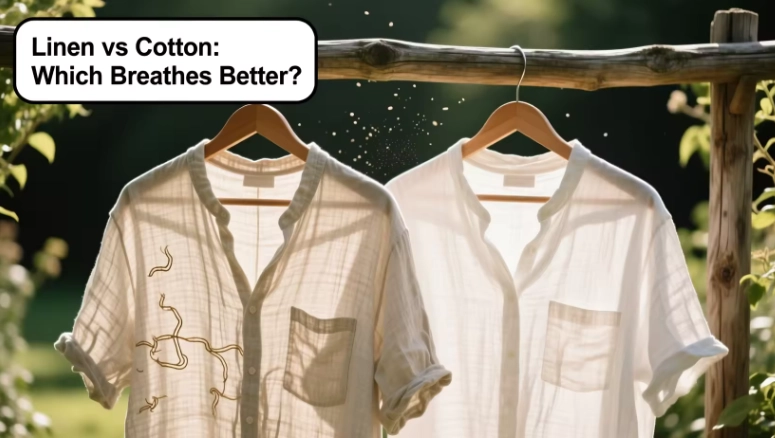
The Cotton Reality: It's All About the Weave
Labeling all "cotton" the same is a rookie mistake. A dense, thick cotton Oxford cloth shirt will trap heat like an oven. But a loose, open-weave cotton like seersucker or madras is a summer game-changer. These weaves create tiny air pockets that enhance breathability dramatically. The real advantage of high-quality cotton in humidity is that when it does get wet with sweat, it can feel less clammy against the skin than damp linen, and it often dries a bit faster if there's any breeze. The International Cotton Advisory Committee notes that cotton's comfort is highly dependent on fabric construction.
Quick Verdict: The Sweat Test
For dry heat (Mediterranean, desert climates): Linen has a slight edge. Its superior breathability and instant cool-touch win.
For humid, sticky heat (tropical, coastal, muggy cities): It's a tie, leaning towards specific cotton weaves. A loose, airy cotton or a linen-cotton blend often performs better by managing dampness more efficiently.
The Reality Check: Care and Durability
How a fabric behaves in the wash and over time matters just as much as how it feels on day one.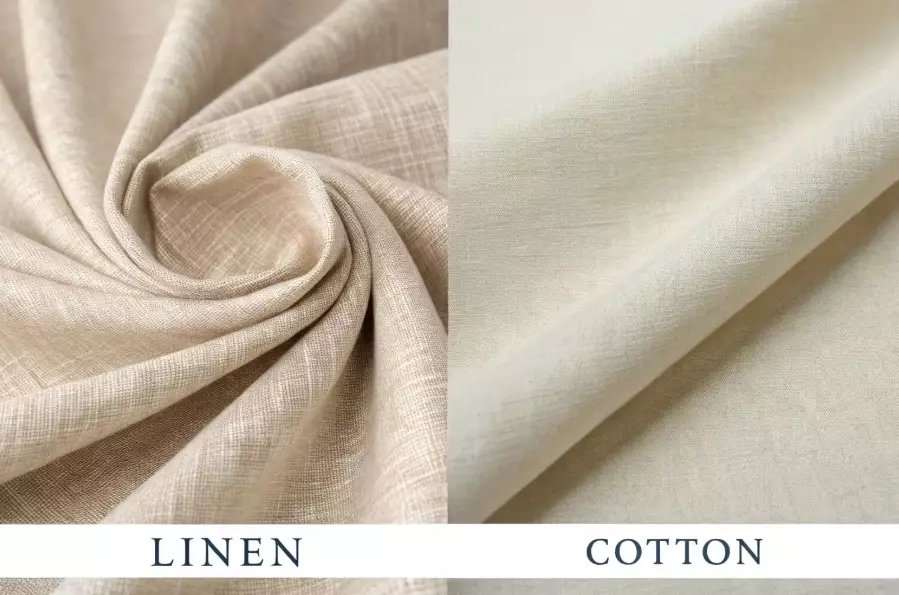
Linen's Character (Emphasis on Character): Let's be honest. Linen wrinkles. It's not a flaw; it's a feature. The fibers have low elasticity. Fighting it is futile—embracing the relaxed, rumpled look is the only path to linen happiness. Ironing it requires steam and patience. On the plus side, linen is incredibly strong—it gets softer and more luminous with every wash without losing integrity. It can last for decades. A study by the European Confederation of Flax and Hemp (CELC) highlights linen's exceptional longevity compared to other natural fibers.
Cotton's Convenience: Cotton is generally easier to care for. It wrinkles less than linen (though it still can), responds well to ironing, and most weaves come out of the dryer looking presentable. Its durability varies by thread count and weave. A thick canvas cotton is tough, while a fine voile is delicate. The main issue? Cotton pills more easily than linen, especially in areas of friction (like under arms). Over many hot washes, cheap cotton can thin out and lose its shape.
Style and Aesthetics: The Look and Feel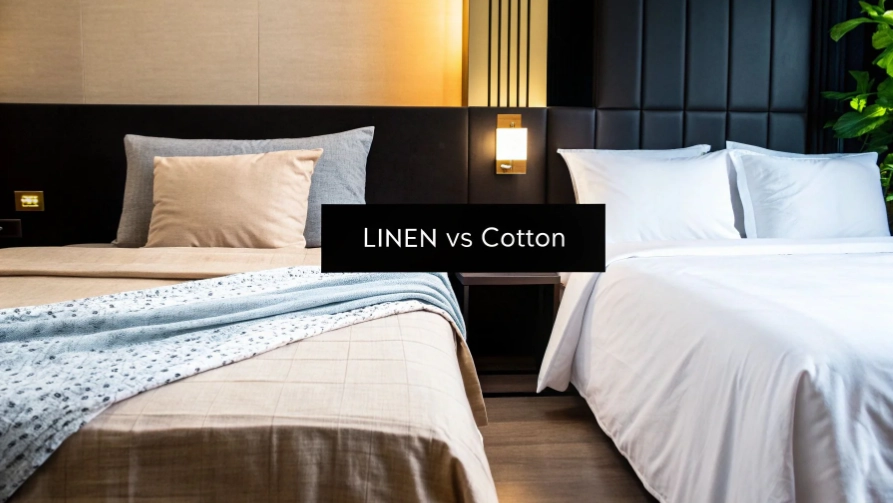
This is subjective, but it drives most purchases.
Linen screams relaxed, effortless elegance. It has a timeless, slightly rustic texture that looks expensive and lived-in. It's the fabric of long lunches, beach weddings, and artistic studios. The downside? That same relaxed drape can look sloppy if not styled with intention. A rumpled linen suit works in Positano; it might not fly in a formal office setting.
Cotton is the versatile chameleon. It can be crisp and polished (broadcloth dress shirt), casually rugged (denim or chambray), or breezy and bohemian (eyelet or gauze). It's easier to maintain a sharp, clean appearance with cotton. For structured summer pieces like tailored shorts, crisp polo shirts, or A-line dresses, cotton and cotton blends often provide a cleaner silhouette.
How to Choose Between Linen and Cotton for Your Needs
Stop asking which is "better." Start asking which is better for what.
Choose Linen If:
- You're facing intense, dry heat and value maximum airflow.
- You adore the natural, textured, slightly rustic aesthetic.
- You're building a capsule wardrobe with pieces meant to age gracefully for years.
- Your summer activities are leisurely: vacations, weekends, outdoor dining.
- You don't mind (or even love) the wrinkled look.
Choose Cotton If: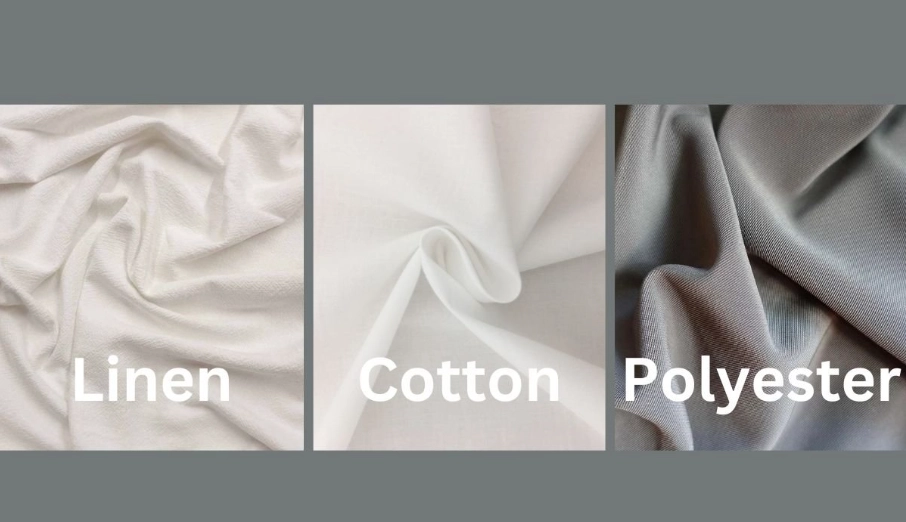
- You need a versatile fabric that transitions from a casual day to a smarter setting easily.
- You live in a humid climate and prefer a fabric that manages dampness with a faster dry time.
- You want low-maintenance clothing that looks neat with minimal ironing.
- You have sensitive skin and prioritize all-day softness against the body.
- You're looking for specific performance weaves like seersucker or chambray.
The Expert's Secret Weapon: The Blend. Often, the perfect answer is a linen-cotton blend (common ratios are 55% linen/45% cotton or 50/50). This hybrid captures linen's breathability and texture while incorporating cotton's softness, drape, and reduced wrinkling. It's the ideal gateway fabric if you're linen-curious but wrinkle-averse.
Your Summer Fabric Questions, Answered
 What's the best fabric for a summer suit?
 Are there sustainable considerations between linen and cotton?
The final call? Don't pick a side—build a summer wardrobe that uses both. Use linen for your statement pieces where breathability and style are paramount: the overshirt, the wide-leg trousers, the elegant dress. Use cotton (in smart weaves) for your daily workhorses: the reliable polo, the easy chino shorts, the soft pajama set. And always have a linen-cotton blend shirt on hand for days when you can't decide. Understanding their strengths lets you dress not just for the weather, but for your life.