You know the feeling. You buy a new work shirt that looks perfect on the hanger. By your first coffee break, it's a crumpled mess. Or that sleek blazer that turns your commute into a personal sauna. Choosing the right fabric for your workwear isn't about following arbitrary rules—it's the difference between feeling confident and polished all day, and counting down the minutes until you can change.
I've spent over a decade consulting on professional image, and the single biggest mistake I see is people prioritizing the cut or brand over the material. A cheap shirt in a great fabric will often out-perform an expensive one in a poor one. This guide will move beyond "cotton is good" and give you the practical, nuanced knowledge to build a work wardrobe that works as hard as you do.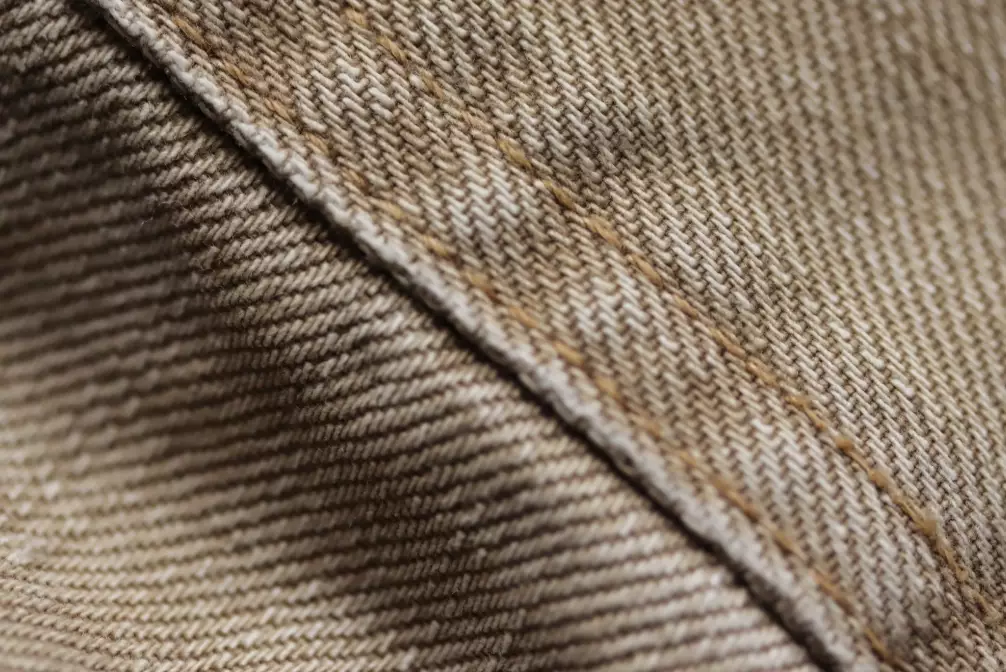
What You'll Learn Inside
- The Non-Negotiable Fabric Fundamentals for the Office
- A Detailed Look at Top Office-Appropriate Fabrics
- Office Fabrics to Tread Lightly With (Or Avoid Altogether)
- Matching Fabric to Your Climate & Dress Code
- Practical Tips for Shopping & Caring for Workwear Fabrics
- Your Top Workwear Fabric Questions Answered
The Non-Negotiable Fabric Fundamentals for the Office
Before we name names, let's talk about the four pillars every office fabric must stand on. If it fails more than one, it's probably not worth your money.
Breathability vs. Insulation
This is about how well air passes through the material. High breathability (like linen) keeps you cool but might offer little warmth. Some insulation (like wool) is good for temperature regulation. The nightmare scenario is a fabric that does neither—trapping sweat and heat. Most synthetic blends fall into this trap if not engineered well.
Drape and Structure
Drape is how a fabric falls and flows on your body. A fluid drape (e.g., soft rayon) is great for blouses and dresses. Structure gives garments shape—think of a crisp cotton poplin shirt collar that stays up. You often need a balance. A suit jacket needs structure in the shoulders but a soft drape in the skirt.
Wrinkle Resistance and Recovery
Wrinkle resistance is how well a fabric avoids creasing. Wrinkle recovery is its ability to bounce back after being crumpled. This is where many get fooled. A fabric can feel smooth but crease instantly and never recover (some cheap linens). A good wool blend might show a crease but will often relax and smooth out after hanging for an hour.
Durability and Ease of Care
Will it pill after three washes? Does it require ironing after every wear? Your workhorse pieces need to survive the weekly cycle. A delicate silk might be beautiful, but if you can't handle the dry cleaning bills, it's not a practical choice for Monday-Thursday.
A Detailed Look at Top Office-Appropriate Fabrics
Here’s where we get specific. This table breaks down the champions of the professional wardrobe.
| Fabric | Best For | Key Pros | Watch Out For | Real-World Example |
|---|---|---|---|---|
| Cotton (Poplin, Broadcloth) | Shirts, blouses, dresses, casual trousers. | Highly breathable, natural, soft, easy to care for (if treated). | Can wrinkle easily unless blended or treated with a finish like "non-iron". Pure cotton often needs ironing. | Everlane's 100% Cotton Poplin Shirt – classic, but pack a steamer. |
| Wool & Wool Blends (Gabardine, Flannel) | Suits, blazers, trousers, skirts, winter dresses. | Excellent temperature regulation, naturally wrinkle-resistant, great drape, durable. | Can be itchy (check micron count), requires more careful cleaning (often dry clean). Price varies hugely by quality. | A SuitSupply wool-blend suit. The blend (often with polyester or nylon) adds durability and reduces cost. |
| Linen | Summer blazers, trousers, shirts, dresses in business casual settings. | The king of breathability, lightweight, natural texture looks elevated. | Wrinkles profoundly and immediately. Can lack structure. Often seen as too casual for conservative offices. | A loose-fit linen-blend shirt from a brand like & Other Stories, where the blend (with cotton or rayon) tames the wrinkles. |
| High-Quality Polyester/Viscose/Rayon Blends | Blouses, dresses, knitwear, structured pieces. | Affordable, excellent wrinkle resistance, consistent color, can mimic natural fibers. | Poor blends are non-breathable and can feel plasticky. Can pill or develop a shine over time. | A Vince Camuto blouse in a 50% polyester, 47% rayon, 3% spandex blend – it drapes beautifully and travels well. |
| Chino/Twill Cotton | Trousers, skirts, casual jackets. | More durable and structured than plain cotton, diagonal weave hides minor stains/wrinkles. | Can be heavy/stiff in lower qualities. Not as formal as a worsted wool. | The classic Dockers or J.Crew chino pant – a business casual staple for a reason. |
Notice I didn't just say "wool" or "cotton." The specific weave (poplin vs. oxford, gabardine vs. flannel) changes everything. An oxford cotton shirt is thicker and more casual than a fine poplin one. A wool flannel suit is wintery and soft, while gabardine is sleek and year-round.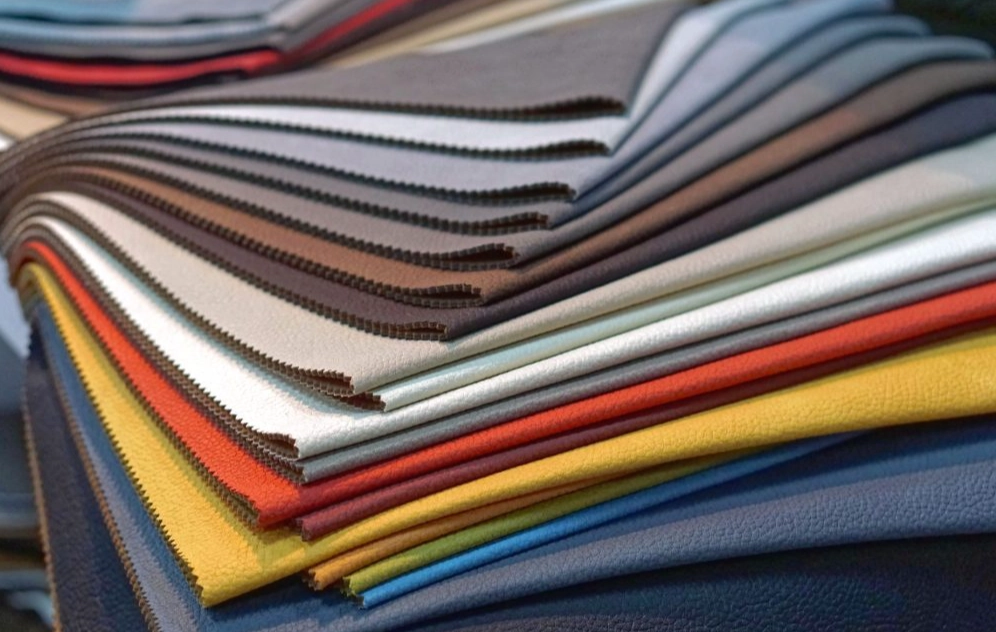
Office Fabrics to Tread Lightly With (Or Avoid Altogether)
Some fabrics come with big red flags for the office.
100% Cheap Polyester: The main culprit behind the "sauna effect." It doesn't breathe, traps odors, and can have an unflattering shine. If it's in a blend (under 30%), it can be useful for stretch or durability. Alone? Run.
Thin, Flimsy Jersey: A cotton jersey t-shirt is fine. A tissue-thin rayon jersey dress often clings in the wrong places, shows every seam and undergarment, and looks more like loungewear. It lacks the necessary structure for a professional environment.
Overly Textured Novelties: Sequin, extreme neoprene, faux fur, overly distressed denim. These scream "statement piece" not "professional." They distract and rarely align with a polished office aesthetic.
Unlined Rough Wool: A scratchy, unlined wool sweater will make you miserable all day and can look cheap. Always check the inner feel. Resources like the International Wool Textile Organisation note that finer micron wools (like Merino) are inherently softer.
Matching Fabric to Your Climate & Dress Code
Your geographic location and office culture are the final filters.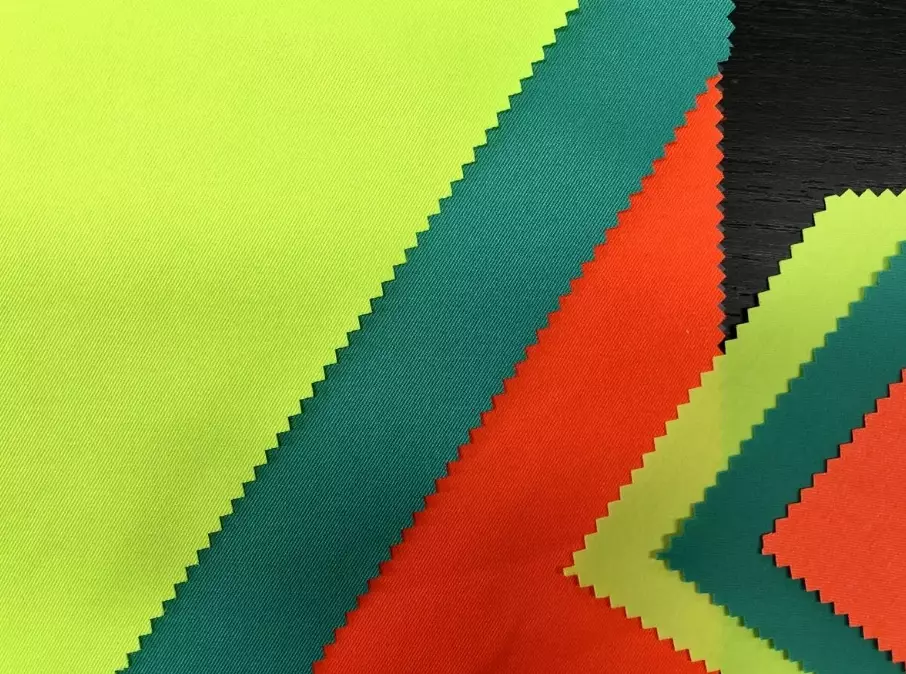
For Hot & Humid Climates / Casual Offices
Your goal is breathability and minimal layers. Linen blends (with cotton or rayon) are your best friend. Lightweight cotton poplin and seersucker (that puckered cotton) are genius—the texture creates air pockets. Technical performance blends from brands like Ministry of Supply or Lululemon's workwear line use fabrics designed to wick moisture and resist wrinkles, blending in while keeping you cool.
For Cold Climates / Formal Offices
Here, insulation and structure are key. Wool flannel and tweed provide warmth and a classic, authoritative look. Heavier weight cotton twills and corduroy (in muted colors) can work in business casual settings. The secret is layering with fine merino wool knits underneath—they're warm without bulk.
The Business Casual Sweet Spot
This is where you have the most fun. Mix a structured chino pant (bottom) with a soft rayon blend blouse (top). Pair a linen-blend blazer (texture) with a simple cotton dress (smooth). The contrast in fabrics itself creates a polished, intentional look.
Practical Tips for Shopping & Caring for Workwear Fabrics
Knowledge is useless if you can't apply it in a store or online.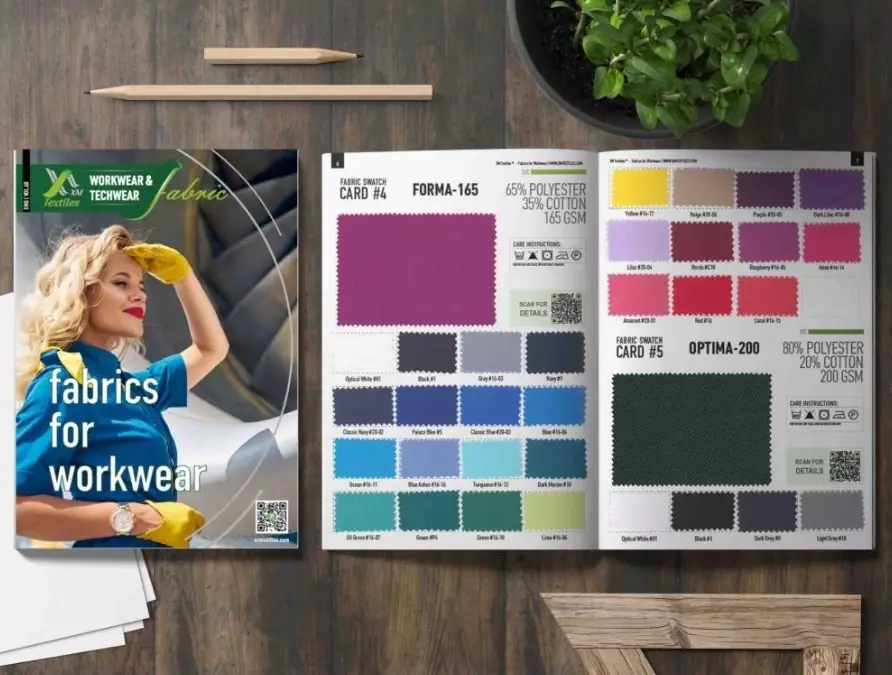
Read the Label First: Not just "cotton," but the blend. 60% cotton, 37% polyester, 3% spandex is a common, practical blend for shirts. The polyester adds wrinkle resistance, the spandex gives a hint of stretch.
Feel the Weight: A fabric that feels substantial is usually more durable and drapes better than a tissue-thin one. Hold it up to the light. If you can see your hand clearly through it, it's probably too thin for professional separates.
Check the Inside: Are seams finished? Is a jacket or skirt fully lined? A lining (especially in a slippery fabric like Bemberg) makes garments easier to put on, hang better, and last longer.
Care Dictates Use: Be brutally honest with your lifestyle. If "dry clean only" is a deal-breaker, filter it out immediately. Modern "machine washable wool" or treated cottons are game-changers.
My personal rule? I invest in natural, durable fabrics (wool, good cotton) for core items like suits, blazers, and trousers that define my silhouette. I'm more flexible with blends for tops and dresses where comfort and easy care are paramount.
Your Top Workwear Fabric Questions Answered
 How can I make linen look professional enough for my office?