Let's cut through the noise. If you have sensitive skin, eczema, allergies, or just hate that unexplained itch, you've probably searched for "hypoallergenic fabrics." The term gets slapped on everything from baby clothes to luxury bedding. But what does it actually mean? Spoiler: it's not a regulated medical term. No government agency certifies it. It's a promise, not a guarantee. And that's where most guides stop. They'll list "organic cotton" and call it a day. I've spent over a decade sourcing textiles, and I can tell you the real story is more nuanced—and more important—than that.
True hypoallergenic properties come from a combination of the fiber's inherent nature and, crucially, how it's processed. A fabric can start life as a gentle, natural fiber and be ruined by harsh dyes, chemical finishes, or poor weaving that creates friction. Your goal isn't just to find a "hypoallergenic" label; it's to understand the why behind the claim so you can make informed choices that actually work for your body.
Your Quick Guide to Hypoallergenic Fabrics
What Makes a Fabric Hypoallergenic?
Think of it as a fabric's personality. A hypoallergenic fabric is one that's less likely to cause an allergic reaction or skin irritation. It achieves this through a few key traits: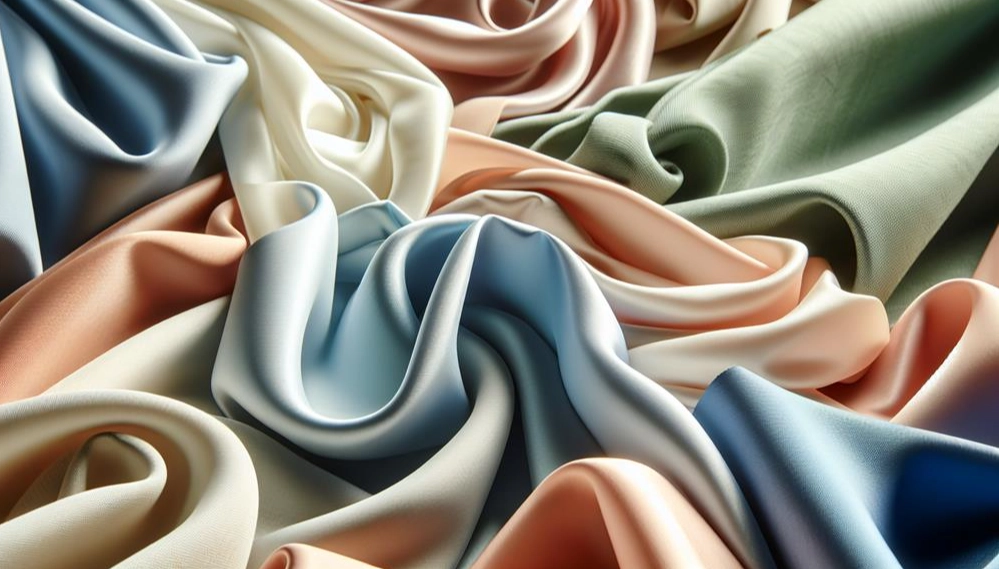
Smooth Fiber Surface: Fibers with a smooth, long structure (like silk or Tencel lyocell) trap less dust, pollen, and skin cells. Rough, scaly fibers (some wools) can irritate mechanically.
Moisture-Wicking & Breathable: Fabrics that pull sweat away from the skin and allow air to circulate prevent a damp, warm environment where bacteria and mold—common irritants—thrive. This is where bamboo viscose and linen shine.
Minimal Chemical Processing: This is the big one. A fiber can be naturally gentle, but if it's bleached with chlorine, dyed with heavy metals, or treated with formaldehyde-based wrinkle-resistant finishes, all bets are off. The OEKO-TEX Standard 100 certification is your best friend here—it tests for over 100 harmful substances.
Tight Weave or Knit: A densely woven fabric acts as a better barrier to dust mites and other allergens. Percale cotton with a high thread count is better than a loose, flannel weave.
The Top Hypoallergenic Fabrics (Ranked by Practicality)
Not all hypoallergenic fabrics are created equal. Some are luxurious but high-maintenance. Others are workhorses. Here’s a breakdown of the top contenders, considering not just gentleness but also durability, cost, and ease of care.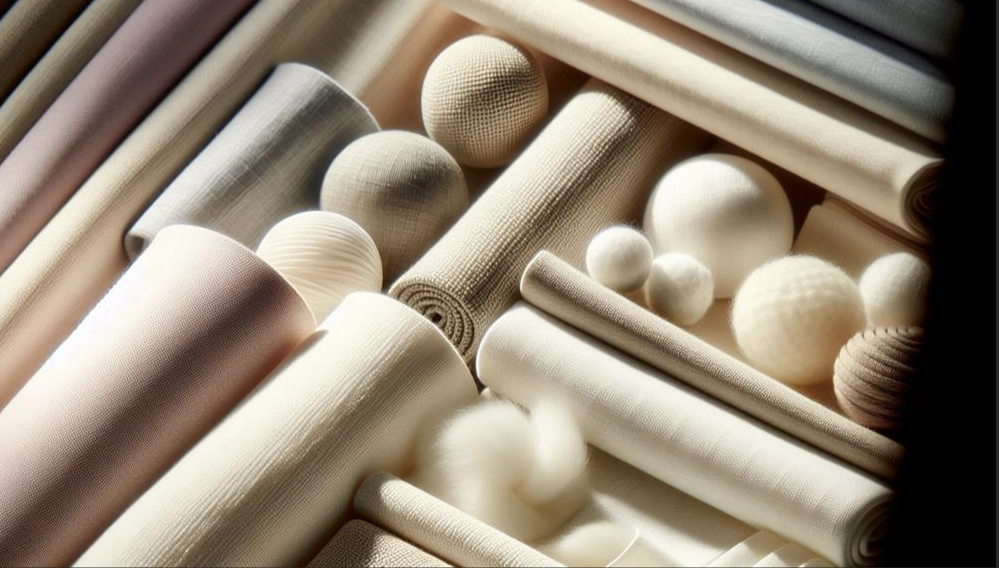
| Fabric | Why It's Hypoallergenic | Best For | Watch Out For |
|---|---|---|---|
| Silk (Mulberry) | Natural protein fibers are smooth, dust-mite resistant, and temperature regulating. Contains sericin, which can have anti-inflammatory properties. | Bedding, pillowcases ("beauty sleep"), underwear, base layers for extreme sensitivities. | Very delicate, requires special care (hand wash, no sun). Can be expensive. Ensure it's pure silk, not a blend with synthetic coatings. |
| Linen (Flax) | Highly breathable, wicks moisture faster than cotton, gets softer with each wash. Naturally antibacterial and requires fewer pesticides to grow. | Summer clothing, sheets, towels. Ideal for hot sleepers or those with night sweats. | Wrinkles easily (though that's part of its charm). Can be stiff initially; look for "stone-washed" or "pre-softened" linen. |
| Tencel Lyocell (from Eucalyptus) | My personal favorite. Closed-loop production uses non-toxic solvents. Fiber is incredibly smooth, breathable, and moisture-absorbent. Resists bacterial growth. | Everything. Seriously: activewear, jeans, dresses, bedding. It's versatile and durable. | Sometimes blended with elastane for stretch—check the label. Ensure it's from a reputable brand like Tencel™ for the eco-friendly process. |
| Organic Cotton (GOTS Certified) | Grown without synthetic pesticides, which reduces chemical residue. Soft, breathable, and widely available. | Everyday wear, baby clothes, towels, casual bedding. The reliable staple. | "Organic" refers only to farming. The fabric can still be bleached and dyed with harsh chemicals. Look for GOTS certification which covers processing too. |
| Bamboo Viscose/Rayon | Naturally derived, very soft (like silk), and has micro-gaps that make it breathable and thermo-regulating. | Socks, underwear, t-shirts, soft bedding. | The "natural" claim is tricky. The process to turn bamboo pulp into fiber often uses strong chemicals. Seek out brands that use cleaner, closed-loop methods and have OEKO-TEX certification. |
Fabrics to Approach with Caution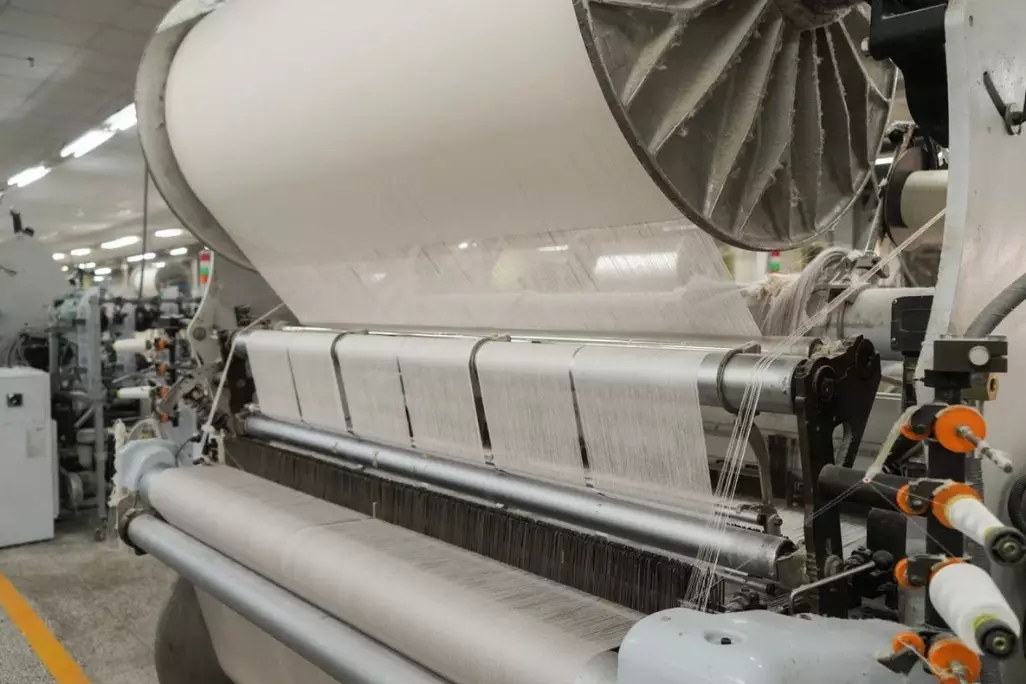
This isn't about declaring war on certain materials, but about understanding their risks if you're prone to reactions.
Wool: A classic dilemma. High-quality, fine merino wool can be wonderfully temperature-regulating and odor-resistant. But the lanolin (a natural wax) and the scaly structure of the fibers are common irritants. If you love wool, try a merino base layer from a brand like Icebreaker or Smartwool against your skin first. Avoid coarse, scratchy wools altogether.
Conventional (Non-Organic) Cotton: It's the world's most popular fabric, but its cultivation uses a significant percentage of the world's insecticides and pesticides. Residues can remain and irritate sensitive skin. It's also often treated with formaldehyde for "easy care."
Synthetic Fabrics (Polyester, Nylon, Acrylic): Here's the non-consensus part: not all synthetics are evil for sensitive skin. Modern, high-quality polyester designed for performance wear can be very smooth and wick moisture well. The real issue is breathability. Cheap synthetics trap sweat and heat, creating a petri dish on your skin. They can also be treated with chemical finishes. If you must use synthetics (for athletic wear, swimsuits), look for ones with moisture-wicking claims and wash them thoroughly before use.
How to Choose Hypoallergenic Clothing & Bedding
It's more than just picking a material. Here’s your action plan next time you shop.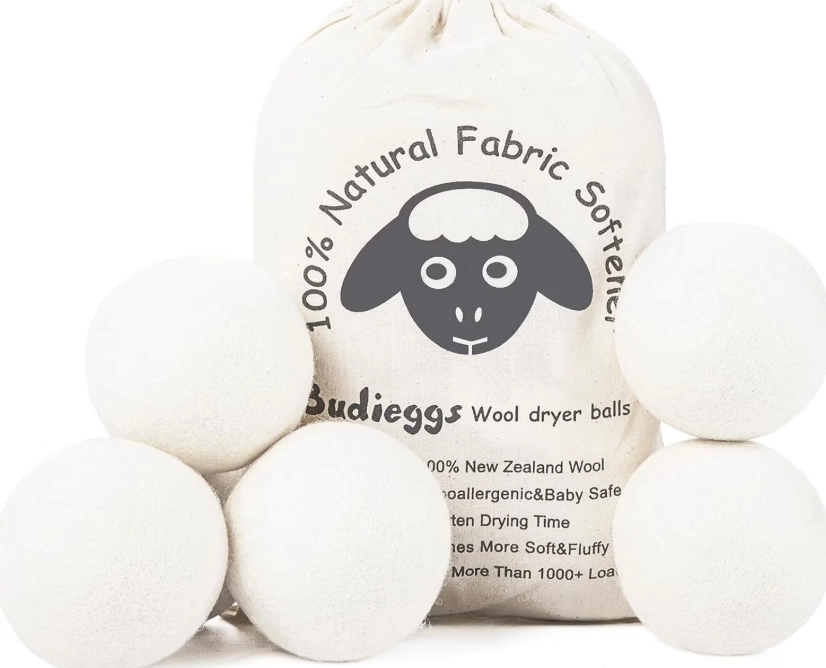
Read the Label Like a Detective
Fiber content is the first clue. Then, look for certifications. OEKO-TEX Standard 100 is the gold standard for safety from harmful substances. GOTS (Global Organic Textile Standard) covers both organic farming and responsible processing. A product with both is your safest bet.
The Feel Test
Run the fabric between your fingers. Is it soft and smooth, or does it feel slightly rough, sticky, or plastic-like? Hold it up to the light. Can you see through it? A tighter weave is better. Smell it. Does it have a strong chemical or plasticky odor? That's a red flag.
Start with High-Impact Items
You don't need to overhaul your wardrobe overnight. Focus on items in prolonged, direct contact with your skin: underwear, sleepwear, bedsheets, and pillowcases. Switching to a silk or Tencel pillowcase can dramatically reduce facial irritation and bedhead.
The Non-Negotiable Care & Maintenance Guide
You can buy the best hypoallergenic fabric in the world and ruin it with poor care. This is how you keep your safe fabrics safe.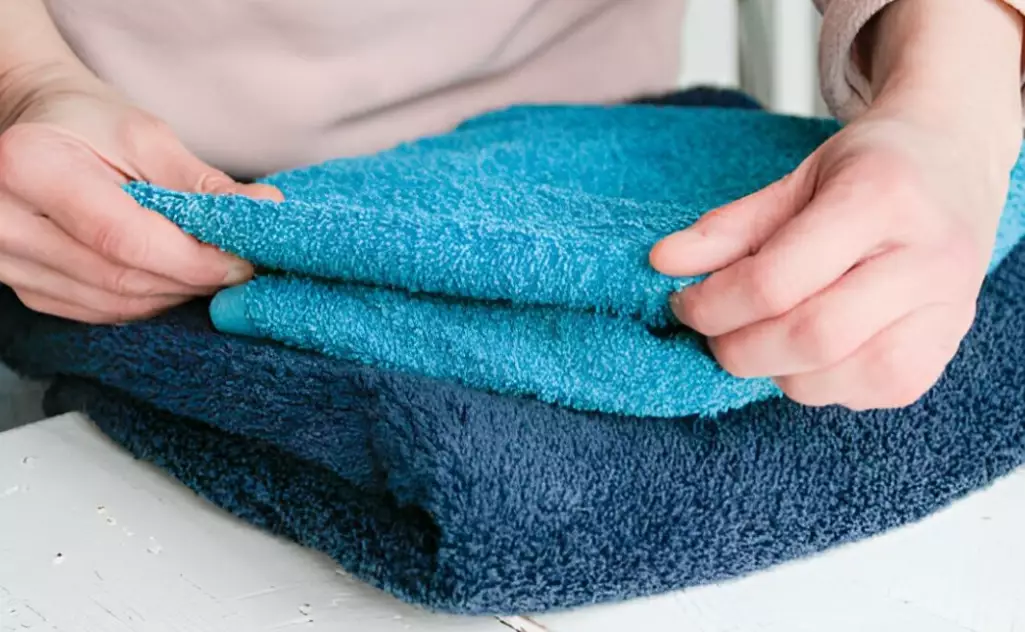
Wash Before First Wear: This removes excess dyes, sizing agents, and finishing chemicals from the manufacturing process. Use a gentle, fragrance-free detergent.
Ditch Fabric Softener and Scented Detergents: They coat fibers with a film that can trap allergens and irritants. For softness, add a half cup of white vinegar to the rinse cycle instead.
Wash in Hot Water (If the Fabric Allows): For bedding and towels, washing in water at least 130°F (54°C) is the most effective way to kill dust mites. Check the care label first.
Dry Thoroughly & Store Properly: Never put slightly damp clothes or linens in a drawer or closet. Mold and mildew are potent allergens. Ensure items are bone-dry before storing.
Your Hypoallergenic Fabric Questions Answered
Why does my "hypoallergenic" bamboo bedsheet still make me itch at night?
It likely comes down to the processing or a blend. Many "bamboo" sheets are actually bamboo viscose blended with polyester or treated with chemical softeners. The bamboo fiber itself is smooth, but the additives aren't. Check the exact fiber content on the label—look for 100% bamboo viscose/rayon—and the certifications. Also, some people react to the antimicrobial agents sometimes added to bamboo products. Try a set made from pure, OEKO-TEX certified Tencel lyocell as an alternative; its production is typically cleaner.
 Is there a difference between hypoallergenic fabrics for eczema versus general sensitive skin?
The core principles are the same, but eczema skin is often more fragile and prone to drying out. For eczema, focus even more on moisture-wicking and breathability to prevent sweat buildup, which is a major trigger. Fabrics that are slightly textured can also be problematic if they create micro-abrasions on compromised skin. Super smooth fabrics like fine silk or high-quality Tencel are often top recommendations from dermatologists for eczema patients. The National Eczema Association provides a list of product recommendations that have earned their Seal of Acceptance, which is a great resource.
Can I make my existing non-hypoallergenic clothes safer?
You can significantly reduce their irritant potential. Wash them multiple times with a free-and-clear detergent to strip away residual chemicals. Avoid dryer sheets. For items like jeans or stiff shirts, the breaking-in process through washing will help. However, you can't change the fundamental structure of the fiber. A cheap, non-breathable polyester shirt will always trap heat. Use this strategy for items you love, but for core, high-contact items, investing in genuinely better fabrics is a more reliable long-term solution.
The journey to a less irritable wardrobe isn't about perfection. It's about awareness. Stop trusting the vague "hypoallergenic" tag and start looking at fiber content, certifications, and weaves. Prioritize natural, minimally processed fibers with a smooth hand feel. Start with your bedding and build from there. Your skin will thank you for the rest of your life.