Let's cut through the marketing fluff. When someone asks "how is modal fabric?", they're usually holding a silky-soft t-shirt or a pair of breathable underwear and wondering: Is this just expensive rayon, or is it actually worth it? Is it really eco-friendly? Will it fall apart after three washes? I've been working with and writing about textiles for over a decade, and I've seen modal go from a niche fabric to a mainstream staple—with all the confusion that brings.
Modal is a type of rayon, a regenerated cellulose fiber made from beech tree pulp. It's known for its incredible softness, breathability, and drape. But that's the textbook answer. The real story is in the details: how it feels against your skin day after day, how it behaves in the wash, and where it truly shines (or doesn't) compared to cotton, regular viscose, or lyocell (TENCEL™).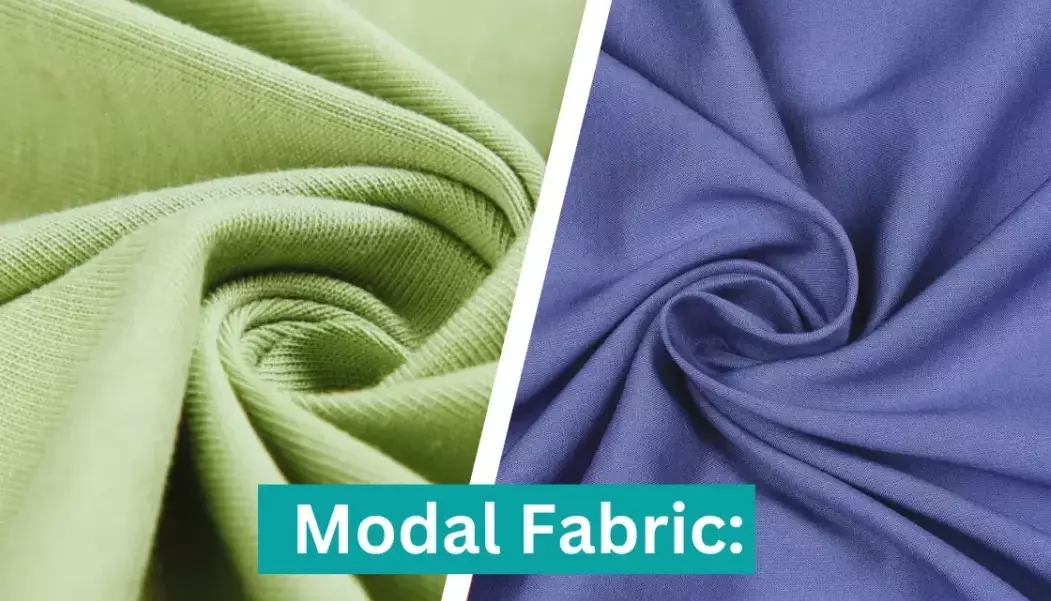
What's Inside This Guide
What is Modal Fabric? Beech Trees to Your Wardrobe
Modal starts in sustainably managed beech tree forests, primarily in Europe. The wood is chipped, processed into a pulp, and then dissolved using chemicals to create a viscous solution. This solution is forced through tiny spinnerets (like a showerhead) into a chemical bath, where it solidifies into fine fibers. The key difference from standard viscose rayon is an additional processing step that alters the fiber's molecular structure, making it stronger when wet and giving it that signature soft, fluid handfeel.
The Austrian company Lenzing AG is the giant here, producing most of the world's high-quality modal under the brand name Lenzing Modal™. They've pioneered a closed-loop process for some of their modal lines (like Modal EDGE), meaning they recover and reuse most of the chemicals and water. This is a crucial point—the environmental footprint of modal can vary wildly depending on the manufacturer. A generic "modal" on a label tells you little about its eco-impact. Always look for certifications like the EU Ecolabel or sourcing from organizations like the Forest Stewardship Council (FSC) if sustainability is a priority.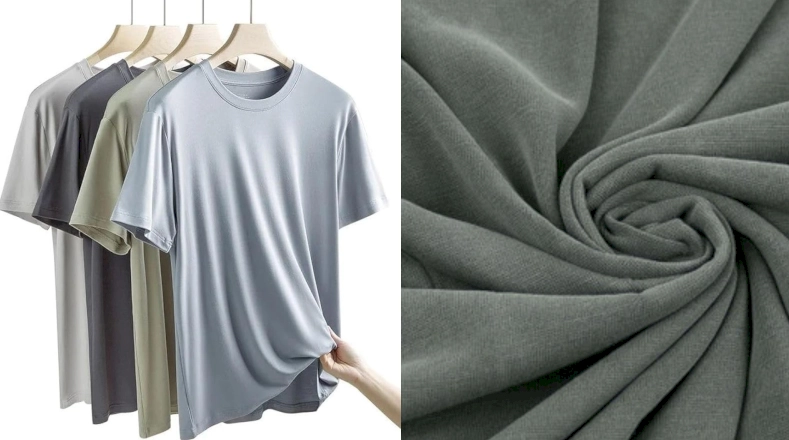
Modal Fabric Pros and Cons: The Unvarnished Truth
Here’s where we get real. Based on my experience testing everything from luxury modal bedding to budget-brand modal blends, here’s the balanced breakdown.
The Good: Why People Love Modal
Silky Softness That Lasts. This is modal's superpower. It’s significantly softer than cotton right out of the gate, and unlike some cheap viscose that stiffens up, modal often gets even softer with repeated washing (if you treat it right). It has a beautiful, fluid drape that makes for elegant loungewear and dresses.
Breathable and Moisture-Wicking. Modal absorbs moisture about 50% more efficiently than cotton. I notice this most in hot weather or during light activity—a modal t-shirt feels cool and dry where cotton would feel damp and clingy. It's a fantastic choice for base layers and summer pajamas.
Color Retention Champion. The fibers absorb dye deeply and brilliantly. Modal garments tend to hold their vibrant colors far longer than cotton through countless washes. You won't see that faded, washed-out look after a season.
Minimal Shrinkage. Because it's stronger when wet, modal is much more resistant to shrinkage in the wash compared to cotton or standard rayon. This is a huge practical advantage.
The Not-So-Good: The Pitfalls Nobody Talks About
Durability Can Be a Question Mark. This is the big one. While stronger wet than viscose, modal is still less durable than cotton or polyester. The super-fine fibers used in ultra-soft weaves are prone to pilling and abrasion. I had a beautiful 100% modal bedsheet that developed pills in high-friction areas within six months. Blends (like modal-cotton or modal-polyester) often solve this.
It Can Stretch Out. That beautiful drape comes with a cost. Pure modal knits, especially in heavier items like sweaters, can lose their shape and become baggy over time. It lacks the natural recovery of wool or elastane.
Wrinkle-Prone. Don't expect a crisp, structured look. Modal wrinkles easily, which is part of its casual, relaxed appeal. But it's something to know if you're looking for a travel-friendly fabric.
The "Eco-Friendly" Label Needs Scrutiny. Not all modal is created equal. The generic production process can be chemically intensive and polluting if not managed responsibly. The "biodegradable" claim is true in controlled composting conditions, but not in a landfill.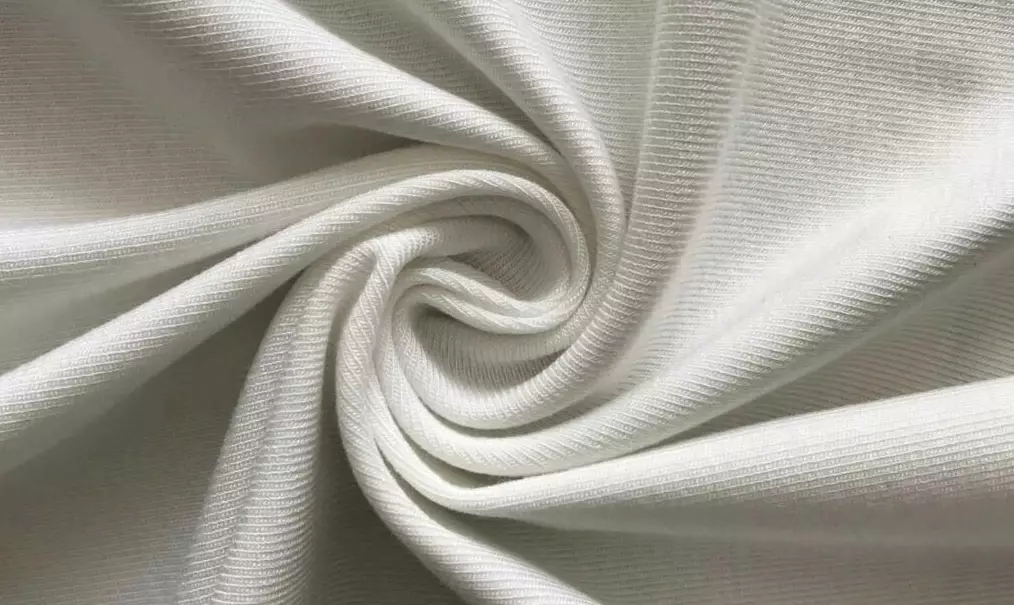
Modal vs. Other Fabrics: A Quick Comparison
Choosing fabric is about trade-offs. This table breaks down how modal stacks up against its closest competitors.
| Fabric | Softness & Feel | Durability & Strength | Moisture Management | Environmental Impact (Typical) | Best For |
|---|---|---|---|---|---|
| Modal | Exceptionally soft, silky drape | Moderate; prone to pilling in fine weaves | Excellent absorption & breathability | Good (if from responsible source like Lenzing) | Underwear, loungewear, soft bedding, summer tops |
| Cotton | Soft (especially after breaking in), crisp | High; very durable | Absorbent but slow-drying | High water & pesticide use (conventional) | Everyday wear, towels, denim, structured garments |
| Viscose Rayon | Soft, drapey, but can feel slightly slick | Weak, especially when wet; prone to damage | Good absorption, less breathable than modal | Often poor; high chemical use | Flowey dresses, blouses (where durability is less critical) |
| Lyocell (TENCEL™) | Soft, smooth, with a subtle sheen | High; strongest of the cellulosics | Superior moisture-wicking & odor resistance | Excellent; most advanced closed-loop process | Activewear, premium bedding, durable daily basics |
My Take: Think of modal as the luxury sedan of rayon—incredibly comfortable for daily cruising. Lyocell is the high-performance SUV—tough and tech-forward. Cotton is the reliable pickup truck. Choose based on your route.
How is Modal Fabric Used? From Bedsheets to Activewear
Modal isn't just for fancy underwear. Its properties make it ideal for specific applications.
Intimates & Loungewear: This is modal's home turf. The softness and breathability against the skin are unmatched. Brands like Hanky Panky and Natori use it extensively for lingerie. For loungewear, it provides that "barely there" feeling perfect for relaxing.
Bedding: Modal sheets are a game-changer for hot sleepers or anyone with sensitive skin. They feel cool and silky. However, my earlier warning stands: for longevity, look for a modal-cotton blend (e.g., 40% modal / 60% long-staple cotton). It gives you 80% of the softness with 200% more durability.
Everyday & Summer Apparel: T-shirts, tank tops, and lightweight dresses benefit from modal's drape and breathability. It's a step up from basic cotton for feeling put-together yet comfortable.
Activewear Blends: You'll rarely see 100% modal in activewear because it stretches out. But blended with spandex or polyester (e.g., 85% modal / 15% spandex), it creates leggings or tops that are soft, breathable, and have enough recovery for yoga or Pilates.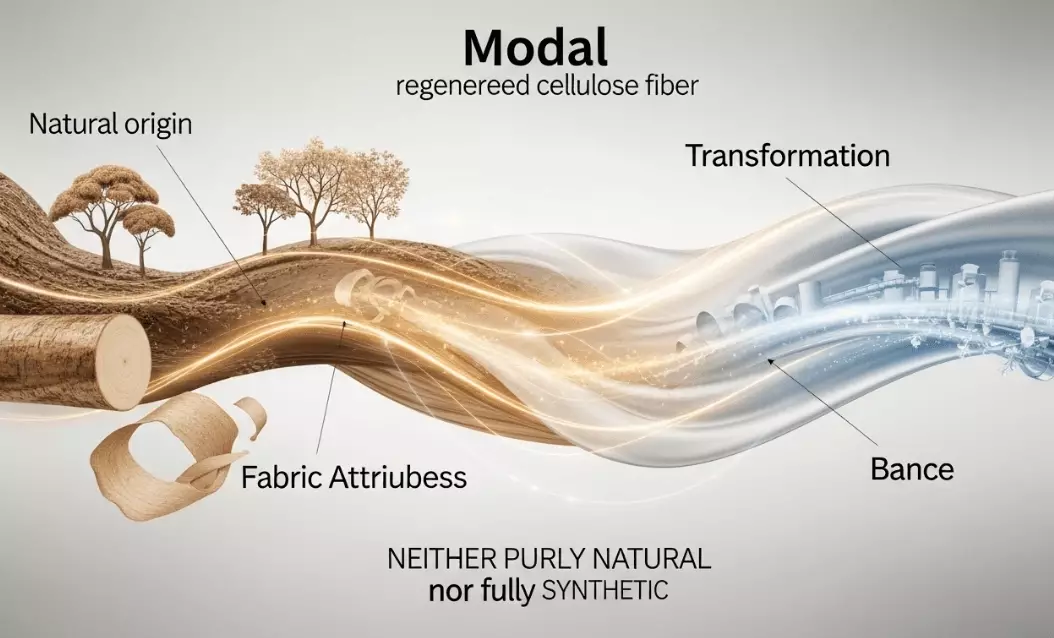
Caring for Modal Fabric: Do's and Don'ts
Treat it well, and it will reward you. Abuse it, and it will pill and sag.
- DO wash in cold water on a gentle cycle. Heat is the enemy.
- DO use a mild detergent. Skip the heavy enzymes and optical brighteners.
- DO turn garments inside out before washing to minimize surface abrasion.
- DO air dry flat whenever possible. This is the single best thing you can do for its lifespan.
- DON'T wring or twist wet modal. It weakens the fibers. Gently press out water.
- DON'T use a high-heat dryer. If you must machine dry, use the lowest heat setting and remove while slightly damp.
- DON'T use chlorine bleach. It will degrade the fibers rapidly.
I learned the hard way with a favorite modal dress. One warm wash and a trip through the dryer, and it went from a knee-length dress to a trendy top. Air-drying is non-negotiable.
Your Modal Fabric Questions, Answered
 Modal vs. Bamboo: What's the actual difference?