That persistent itch, the unexplained red rash on your waistline or underarms, the feeling that you just can't get comfortable in your own skin—or rather, in your own shirt. You've ruled out detergent, you've lotioned up, but the problem sticks around like a bad tag. What if the culprit is woven right into the fabric itself? Fabric allergies and sensitivities are far more common than most people realize, and they're often misdiagnosed as eczema or general dry skin. I spent years blaming stress for my neck rashes before I traced it back to the formaldehyde-based resins in my "wrinkle-free" dress shirts.
What's Inside This Guide
What Exactly Is a Fabric Allergy?
Let's clear something up first. When people say "fabric allergy," they're usually talking about one of two things: allergic contact dermatitis or irritant contact dermatitis. The first is a true allergy where your immune system overreacts to a specific chemical in the textile, like a dye, finishing agent, or formaldehyde resin. The second is more of a sensitivity—your skin gets irritated by the physical texture of the fibers themselves, like the coarse scales on wool fibers scratching delicate skin.
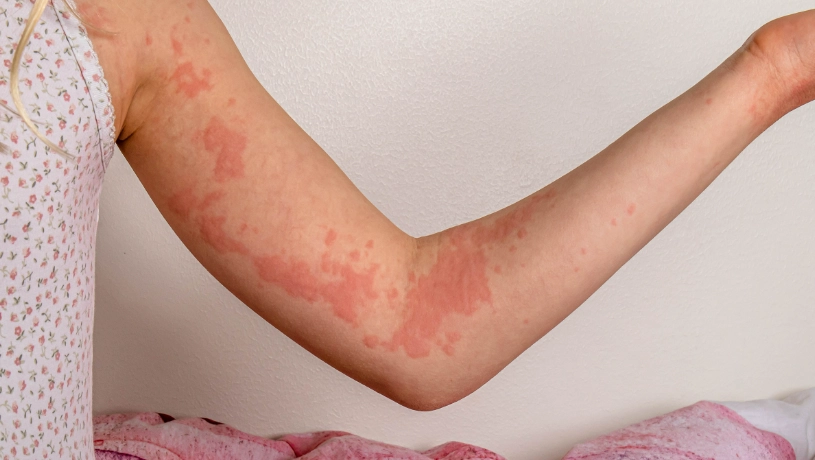
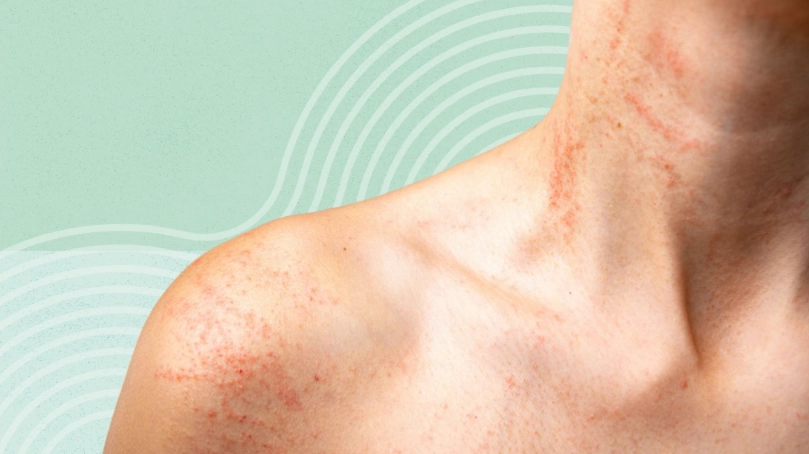
The American Academy of Dermatology notes that textile dermatitis often shows up in areas where fabric rubs or traps sweat: armpits, inner elbows, back of the knees, neckline, and waistband. It looks like a red, itchy rash, sometimes with small bumps or even blisters. It's not just about "cheap" clothes either. I've had reactions to high-end merino wool base layers that others swear by.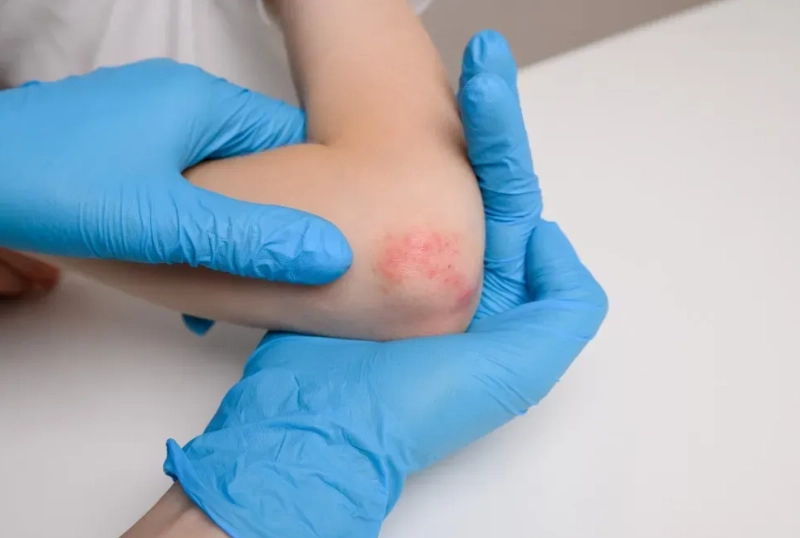
The Usual Suspects: Fabrics That Often Cause Trouble
Some materials are repeat offenders. Here’s a breakdown of the most common irritants, why they cause issues, and what to look for instead.
| Fabric / Component | Why It Can Cause Issues | Who's Most at Risk & Alternative |
|---|---|---|
| Wool (especially coarse) | The microscopic, scaly fibers physically irritate and scratch the skin. Lanolin (wool grease) can also be a true allergen for some. | People with sensitive skin, eczema, or rosacea. Try: Superfine merino (18.5 micron or less), alpaca, or cashmere blends. |
| Polyester & Nylon (Synthetics) | These are petroleum-based plastics. They don't breathe well, trapping sweat and heat against the skin. This moist environment irritates skin and can also leach chemical residues from manufacturing. | Anyone who sweats easily or has heat-sensitive skin. Try: Moisture-wicking natural blends or advanced technical fabrics labeled for sensitive skin. |
| Spandex/Lycra (Elastane) | While great for stretch, the chemicals used in its production, like thiourea derivatives, can be potent allergens, especially in tight-fitting garments. | People wearing activewear, swimwear, or shapewear for prolonged periods. Try: Garments with lower elastane content (under 5%) or natural stretch options like knits. |
| Formaldehyde-based Finishes | Used for "wrinkle-free," "stain-resistant," or "permanent press" properties. The formaldehyde resins can off-gas and cause severe allergic reactions. | Wearers of non-iron dress shirts, certain uniforms, or easy-care linens. Try: Organic cotton, linen, or fabrics not marketed as wrinkle-resistant. |
| Disperse Dyes | These are the dyes used primarily on synthetic fabrics. They are notorious for causing allergic reactions, often from dark colors (blues, blacks, reds) rubbing off. | People who get rashes where dark, synthetic clothing fits snugly (under bra straps, waistbands). Try: Natural fiber clothing dyed with low-impact or plant-based dyes. |
A mistake I see often? People ditch wool but keep wearing "performance" polyester athletic gear, then wonder why their skin is still angry. Synthetic athletic wear is a double whammy—tight fit, non-breathable fabric, and chemical dyes. It's a perfect storm for irritation.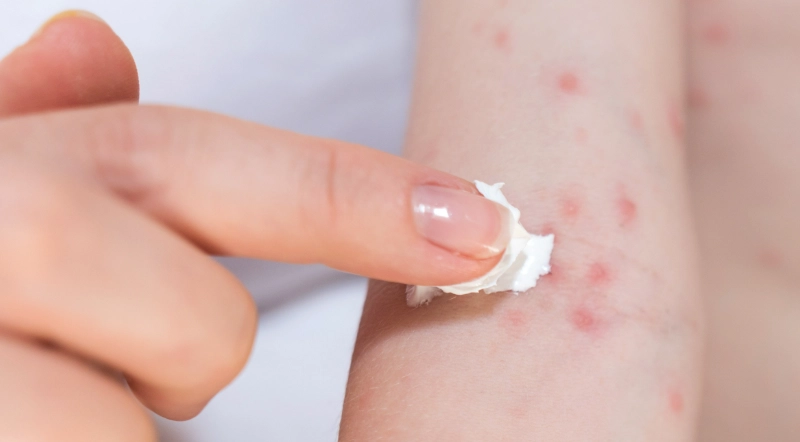
Quick Tip: A fabric isn't inherently "bad." It's about the specific fiber, its finish, and your unique skin. A fabric that makes one person itch might be another's holy grail. The key is systematic observation.
How to Play Detective: Identifying Your Personal Trigger
Don't guess. Investigate. Here’s a methodical approach I recommend to my clients.
Step 1: The Clothing Diary
For two weeks, make a simple note each day: what you wore (be specific: "blue polyester-blend workout leggings," "gray wool sweater") and any skin symptoms ("itchy red patches on waist after 3 hours"). Patterns will emerge. You might see that symptoms only appear on days you wear synthetic office pants, or only with a specific dark-colored bra.
Step 2: The Patch Test (At-Home Version)
Take a suspect garment. Cut a small square from an inconspicuous area (like an inside seam). Tape it to the inside of your forearm with a bandage or medical tape. Leave it on for 48 hours, keeping it dry. If you get a red, itchy rash under that specific spot, you've likely found a culprit. Test one fabric at a time.
Step 3: The Elimination Trial
Pick a category, like "tops." For one week, wear only 100% cotton tops you've washed multiple times. See if symptoms clear. Then, reintroduce one potential trigger fabric (e.g., a polyester top) and monitor. This slow roll is more reliable than throwing out your whole wardrobe.
If your reactions are severe, a dermatologist can perform professional patch testing with a standardized series of chemicals, including textile dyes and finishes.
Action Plan: Strategies for Immediate Relief and Long-Term Management
Once you suspect a fabric allergy, you need a two-pronged approach: soothe your skin now and prevent future flare-ups.
For Immediate Relief:
- Remove the offending garment immediately. This seems obvious, but we often "power through" the itch.
- Gently wash the area with cool water and a fragrance-free, mild cleanser. Pat dry, don't rub.
- Apply a cool compress for 10-15 minutes to reduce inflammation.
- Use an over-the-counter hydrocortisone cream (1%) sparingly for a day or two to calm severe itching. For a natural option, a thin layer of pure aloe vera gel or colloidal oatmeal lotion can help.
The Long-Term Game: Laundry and Skin Barrier
Your laundry routine is your first line of defense. Most people don't wash new clothes correctly.
- Wash Everything New, Twice. I mean it. That first wash removes a huge amount of surface-level dyes, formaldehyde, and other chemical finishes from manufacturing and shipping. Use hot water if the fabric care label allows—heat helps break down and remove more residues.
- Switch to a free and clear detergent. Avoid detergents with fragrances, dyes, and optical brighteners. Brands like All Free & Clear or Tide Free & Gentle are widely recommended by dermatologists.
- Skip the fabric softener and dryer sheets. They coat fibers with a film that can trap irritants and reduce breathability. Use wool dryer balls instead.
- Repair your skin barrier. If your skin is constantly irritated, it's more vulnerable. Incorporate a simple, fragrance-free moisturizer containing ceramides or niacinamide into your daily routine.
Your Hypoallergenic Shopping Guide
Navigating stores and labels is the next step. "Hypoallergenic" isn't a regulated term, so you have to be label-savvy.
Fabric First Principles:
- Organic Cotton: The gold standard for many. Grown without pesticides, often processed with fewer harsh chemicals. Look for GOTS (Global Organic Textile Standard) certification.
- Linen: Made from flax, it's naturally breathable, moisture-wicking, and requires fewer chemical processes than cotton. It gets softer with every wash.
- Tencel/Lyocell: A game-changer. It's a man-made fiber from sustainably sourced wood pulp, processed in a closed-loop system that recycles solvents. The result is a silky-smooth, breathable, biodegradable fiber that is rarely irritating.
- Silk: Natural protein fiber that is temperature-regulating and gentle. Opt for washable silk or peace silk (ahimsa) if you're concerned about ethics. Be aware that some can be sensitive to sericin, a protein in raw silk.
- Bamboo Viscose: Be cautious. While bamboo itself is great, turning it into soft fabric often involves harsh chemical solvents. Look for brands that specify a "lyocell-type" closed-loop process for their bamboo.
What to Look For on the Tag:
Don't just check the front for "soft" or "natural." Turn the garment inside out and study the care label and composition tag.
- Composition: Aim for 100% of a natural or low-irritant fiber, or a high percentage (e.g., 95% organic cotton, 5% elastane).
- Certifications: GOTS, OEKO-TEX Standard 100 (means tested for harmful substances), or Made in Green.
- Avoid These Phrases on Tags: "Wrinkle-resistant," "Stain-resistant," "Permanent press," "Static-free," "Color-fast" (unless you know the dye type).
I've had great personal success with brands like Pact (for everyday organic cotton), COS (for well-constructed Tencel blends), and for basics, just seeking out 100% GOTS-certified cotton wherever I can find it. It's an investment, but so is not scratching all day.
Your Fabric Allergy Questions, Answered
 Are "natural" fabrics like cotton always safe?