You're staring at two sets of sheets online. Both are 100% cotton, both promise luxury, but one is sateen and the other is percale. The price difference is there, but is it just marketing? Having worked with textiles for over a decade, I can tell you the choice between sateen and percale isn't about quality tiers—it's about choosing the right tool for the job. It's the difference between a silk robe and crisp linen pants. Both are fantastic, but they serve completely different purposes and personal preferences. Let's cut through the fluff and get to what really matters for your sleep.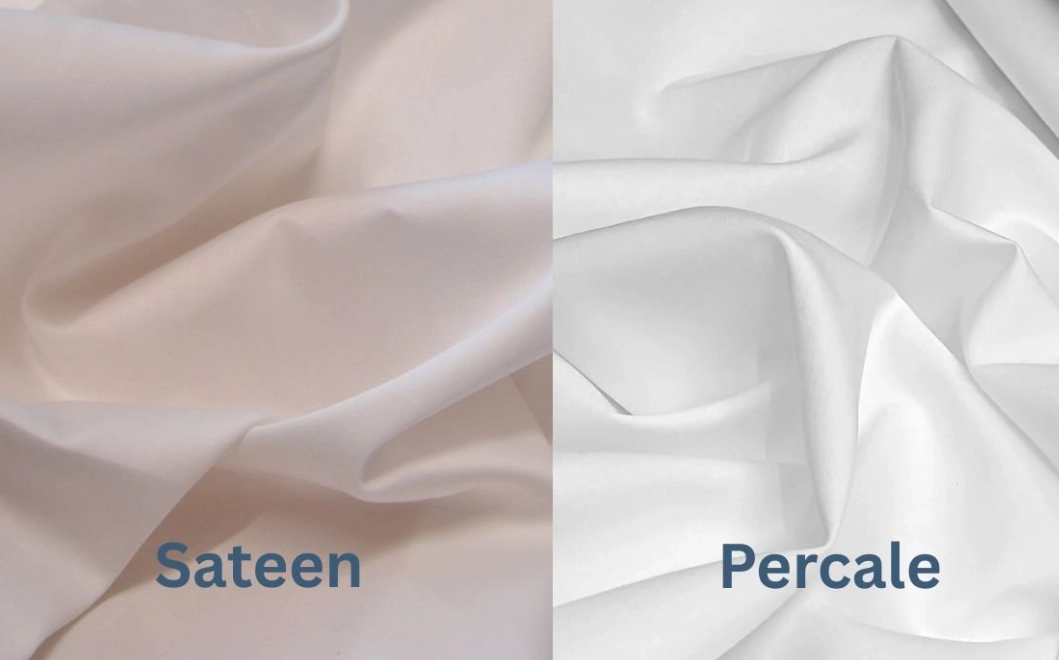
What You'll Discover in This Guide
What is Sateen Weave?
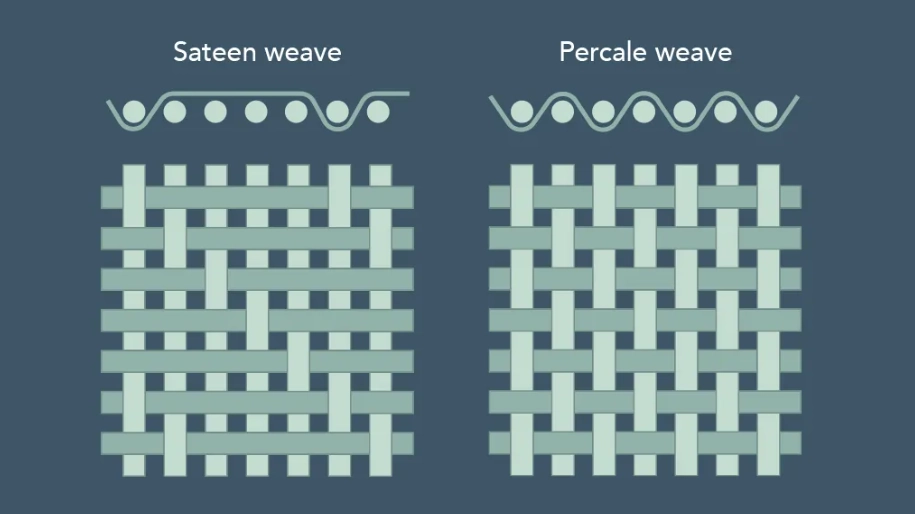
Think of sateen as the satin of the cotton world. It's not a type of cotton fiber, but a specific way of weaving those fibers. The technical name is a "four over, one under" weave. This means one thread (the weft) floats over four threads (the warp) before tucking under one. Those long floats are the secret.
Those floats create a smooth, unbroken surface on one side of the fabric. This is why sateen sheets feel luxuriously soft and silky to the touch right out of the package. They have a subtle, luminous sheen that catches the light beautifully—it's not glossy, just a gentle glow. The fabric also tends to be heavier and have a denser, warmer drape.
Here's a nuance most guides miss: that beautiful sheen and softness can sometimes come at a cost. The floating threads are more exposed to friction. In cheaper sateen constructions or with aggressive washing, those floats can abrade or snag over time, leading to a slightly fuzzier surface long before the fabric actually wears through. It's a trade-off.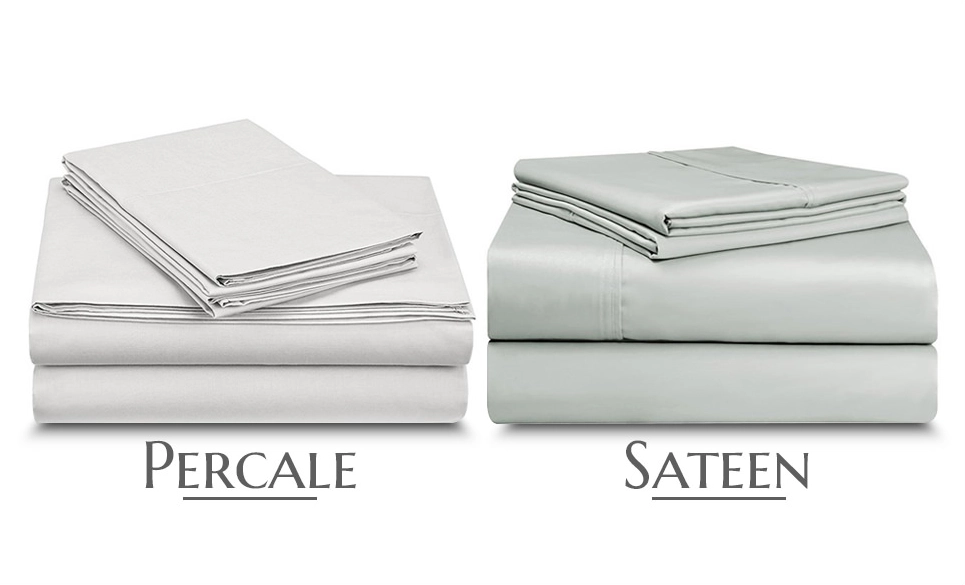
What is Percale Weave?
Percale is the classic. It's a simple, tight, one-over-one-under plain weave, like a checkerboard or a basic basket weave. This creates a fabric that is matte, crisp, and breathable. The word "crisp" is key—it doesn't mean rough. High-quality percale, especially with long-staple cotton like Egyptian or Supima, is incredibly smooth. It's the crispness of a freshly ironed, high-thread-count cotton shirt.
Percale feels cool to the touch. The even weave allows for maximum air circulation. It's lightweight and gets softer with every wash, but it retains that characteristic crisp, dry hand-feel. It never feels clingy or slippery.
A common misconception is that percale is "less luxurious" than sateen. That's a marketing trick. Luxury hotels like The Ritz-Carlton and The Four Seasons famously use high-thread-count percale for its durability, breathability, and that classic, clean hotel-bed feel. It's a quiet, understated luxury that prioritizes function and longevity.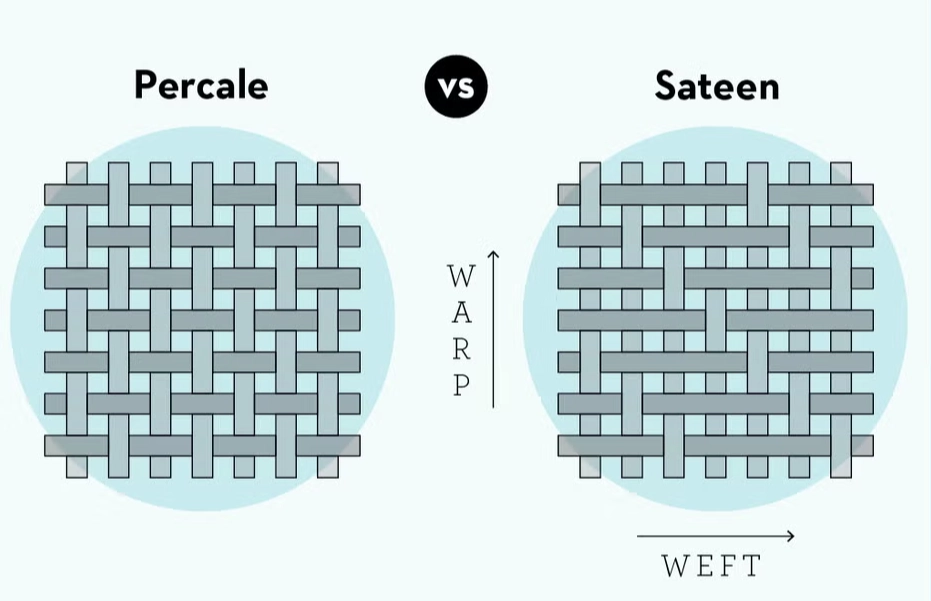
Sateen vs Percale: Side-by-Side Comparison
Let's break it down in a way that matters for your nightly routine. Forget thread count for a second—it's relevant, but weave is the boss.
| Feature | Sateen | Percale |
|---|---|---|
| Feel & Texture | Silky, smooth, lustrous. Feels soft immediately. Has a heavier, more substantial drape. | Crisp, cool, matte. Feels like a fine cotton shirt. Lightweight and airy. |
| Temperature | Warmer. The tighter, denser weave traps more body heat. Ideal for cooler climates or seasons. | Cooler. The breathable weave promotes air circulation. A top choice for hot sleepers or summer. |
| Durability & Care | Good, but the float threads can be prone to snagging. May show wrinkles more. Often requires more careful washing. | Excellent. The balanced weave is inherently strong and resistant to pilling. Wrinkles are a classic part of the look (think linen). Easy to care for. |
| Appearance | Elegant sheen, more formal look. Can show lint and pet hair more readily. | Matte, casual, relaxed elegance. The "hotel standard" look. Hides lint well. |
| Best For Sleepers Who... | Prefer a cozy, enveloping feel. Love silky textures. Sleep in cooler environments. Don't mind a bit more maintenance for a luxe look. | Sleep hot. Prefer a crisp, cool feel against their skin. Value low-maintenance bedding. Appreciate a classic, timeless aesthetic. |
How to Choose Between Sateen and Percale Sheets
This isn't a test. It's about listening to your body and your lifestyle. Ask yourself these questions:
What's your personal thermostat? This is the biggest decider. If you wake up sweating or live in a warm climate, percale's breathability is a non-negotiable gift. If you're always chilly, sateen's cozy embrace will feel like a hug.
What texture do you crave at night? Close your eyes. Do you imagine sinking into soft, smooth luxury? That's sateen. Or do you imagine the refreshing, clean feel of crisp cotton? That's percale. I made the mistake of buying sateen for my partner who runs hot—they hated it. We switched to percale, and the complaints stopped.
How much maintenance do you want? Percale is the jeans-and-a-t-shirt of sheets—it looks good wrinkled, washes easily, and gets better with age. Sateen is more like a silk blouse. It can look stunning, but it might need a lower-heat dry and a quick steam to look its best, as it can hold wrinkles from the dryer more noticeably.
Consider your bed's role. Is it a cozy nest for weekend lounging? Sateen supports that vibe. Is it a place to crash and cool down after a long day? Percale is your workhorse.
Real-Life Scenario Breakdown
The Hot Sleeper in Arizona: Percale, no question. Look for 100% long-staple cotton percale. Linen-cotton blends are also a phenomenal percale-like option for extreme heat.
The Always-Cold Sleeper in New England: Sateen. The denser weave provides a micro-climate of warmth. Flannel is another option, but sateen offers year-round warmth without the bulk.
The Luxury Hotel Experience Seeker: This is where it gets interesting. You want percale. High-end hotels use it for durability and that signature crisp, clean feel. Brands like Frette and Sferra are famous for their exquisite percale. If you associate luxury with a silky feel, then lean sateen, but know that's a different style of luxury.
Common Mistakes and Expert Care Tips
I've seen people ruin good sheets. Don't be that person.
Mistake #1: Overloading on Fabric Softener. This is a killer for both weaves but especially for percale. It coats the fibers, reducing breathability and that natural crisp feel. For percale, you want zero fabric softener. For sateen, a tiny amount if you must, but vinegar in the rinse cycle is a better natural softener that won't gunk up the fibers.
Mistake #2: Blaming the Weave for Poor Fiber Quality. A cheap, short-staple cotton sateen will feel plasticky and hot. A low-quality percale will feel rough and sandpapery. The magic is in the fiber length. Prioritize brands that specify Supima, Egyptian, or Pima cotton. Resources from the Supima association or Cotton Incorporated explain why long-staple fibers matter more than a high thread count number.
Care Protocol: Wash in cold or warm water on a gentle cycle. Tumble dry on low heat and remove promptly. For percale, a slightly damp removal and a quick snap before hanging can minimize wrinkles if you prefer that look. For sateen, a low-heat dry is crucial to prevent damaging the floats and setting in deep wrinkles.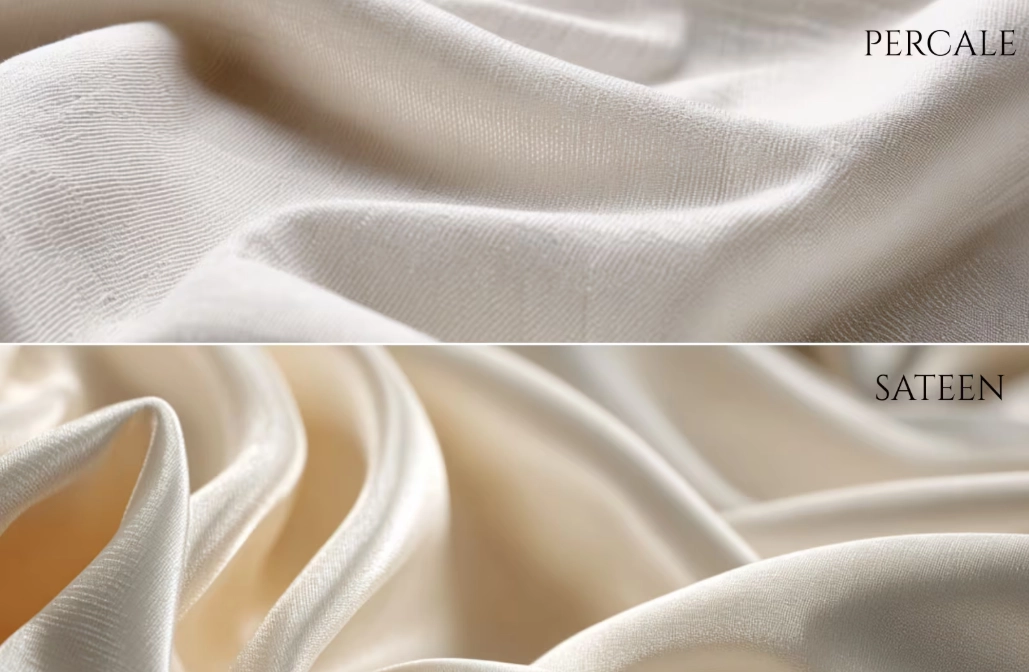
Your Questions, Answered
 Can you mix and match sateen and percale in one bedroom?
The sateen versus percale debate ends not with a winner, but with a better question: what does your body need to sleep best? Percale is the cool, crisp, easy-going friend. Sateen is the warm, silky, elegant companion. One promotes airflow, the other celebrates cozy comfort. Invest in the fiber quality first, understand what the weave delivers, and you'll end up with sheets you love for years, not just the first night.