You're probably wearing it right now. It's in your bed sheets, your towels, maybe even the bag you carry. Cotton fabric is everywhere, and for good reason. But here's the thing most blogs don't tell you: not all cotton is created equal. Picking up a shirt labeled "100% cotton" tells you almost nothing about how it will feel, how long it will last, or whether it will turn into a shapeless rag after a few washes. I learned this the hard way after buying "luxury" cotton bed sheets that pilled terribly in three months. That experience sent me down a rabbit hole, and what I found changed how I shop for fabric completely.
This guide isn't just a list of cotton's obvious qualities. We're going to look at what really matters—from the subtle differences between weave types that affect durability, to the unspoken trade-offs in sustainable options. Whether you're a home sewer choosing fabric for a dress, a consumer looking for quality bedding, or just curious about the material that dominates your wardrobe, you'll find actionable advice here.
What's Inside This Cotton Guide
Why Cotton Still Reigns Supreme (The Real Reasons)
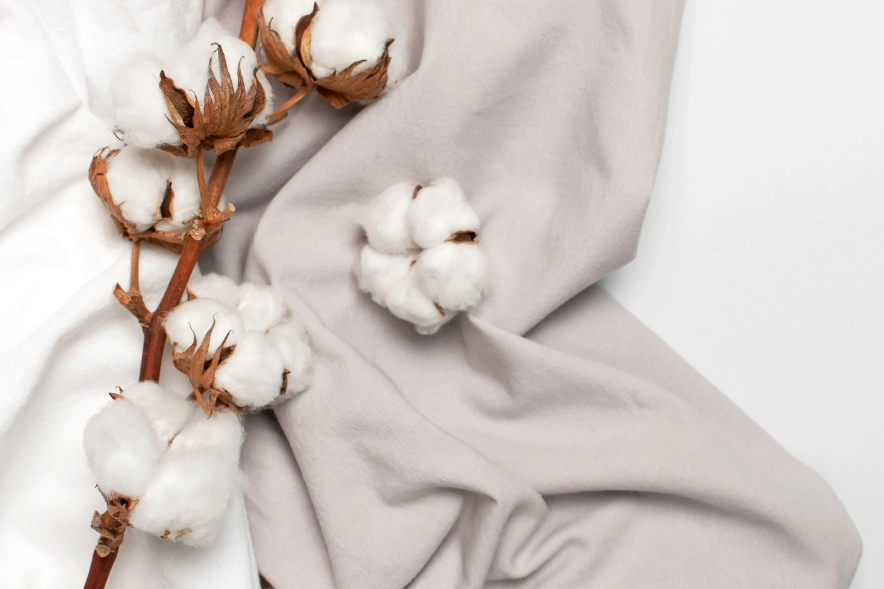
We all know cotton is breathable and natural. But its dominance comes from a combination of properties that synthetic fabrics struggle to match simultaneously. It's the ultimate all-rounder.
Breathability and Moisture Control is the big one. Cotton fibers are hollow, which allows them to absorb moisture (up to 27 times their own weight, according to studies from the Cotton Incorporated research center) and pull it away from your skin. This makes it feel cool in summer. Unlike polyester, which can feel clammy, cotton absorbs sweat and allows it to evaporate.
Comfort and Hypoallergenic Nature. Cotton is generally non-irritating. For people with sensitive skin or conditions like eczema, a high-quality, untreated cotton is often the safest bet. It doesn't trap odors like synthetics do, either.
But let's talk about the downsides that don't get enough airtime. Cotton's major weakness is that it holds onto moisture. That fantastic absorbency means a cotton jacket is a terrible choice for hiking in the rain—it will get soaked, heavy, and lose its insulating properties. It also wrinkles easily and can shrink significantly if not pre-treated or cared for properly.
The Durability Myth: Many think "natural" means delicate. Not true with cotton. The strength of a cotton fabric comes from its thread count and weave, not just the fiber itself. A tightly woven canvas cotton can be more durable than many synthetic blends. I have a cotton canvas tote that's outlasted three "sturdy" nylon bags.
Cotton Types & Weaves: A Shopper's Decoder Ring
This is where most people get lost. "Pima," "Egyptian," "Percale," "Jersey"—what do these labels actually mean for how the fabric behaves?
First, cotton varieties refer to the plant and staple length (fiber length). Longer staples mean smoother, stronger, and more lustrous yarns.
- Upland Cotton: The most common. Shorter staple, versatile, and affordable. This is your everyday t-shirt and denim cotton.
- Pima/Supima® Cotton: Grown in the US, with extra-long staples. Softer, more resistant to pilling, and has a silky feel. Look for this in quality bed linens and premium t-shirts.
- Egyptian Cotton: The gold standard for length and fineness, traditionally grown in the Nile Valley. It produces incredibly soft, strong, and luxurious fabric. Beware: the term is often misused. Genuine long-staple Egyptian cotton is premium.
Second, and arguably more important for feel and use, is the weave. This is how the yarns are interlaced.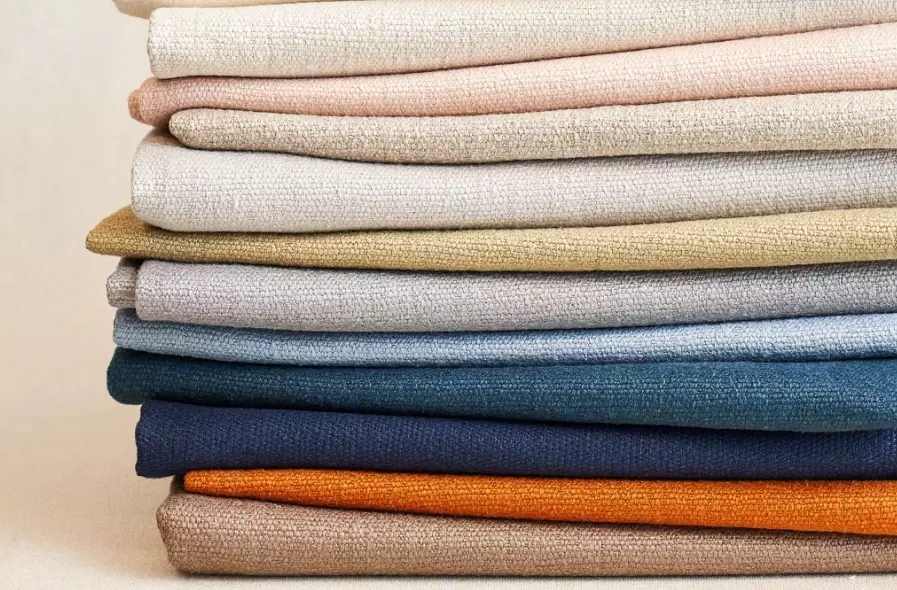
| Weave Type | What It Looks/Feels Like | Best For | A Key Trait |
|---|---|---|---|
| Plain Weave (e.g., Percale, Muslin) | Crisp, matte finish. Simple over-under pattern. | Bed sheets (Percale), shirts, quilting. | Breathable but can feel "papery" if thread count is low. |
| Twill Weave (e.g., Denim, Chino) | Diagonal rib pattern. Dense and durable. | Jeans, jackets, workwear, upholstery. | Breaks in beautifully, gets softer with wear. |
| Satin Weave (e.g., Sateen) | Lustrous, silky surface. Yarns "float" over others. | Luxury bedding, dresses, linings. | Feels luxurious but can snag more easily. |
| Jersey Knit (Not a weave, but a knit) | Soft, stretchy, with visible loops on one side. | T-shirts, underwear, casual dresses. | Comfortable but edges will curl unless finished. |
My personal favorite for summer shirts is a lightweight oxford cloth (a type of plain weave with a thicker yarn). It's more textured than broadcloth, breathes well, and hides wrinkles better. For sheets, I'm team Percale—it’s crisp and cool, unlike the sometimes-slippery, warmer feel of sateen.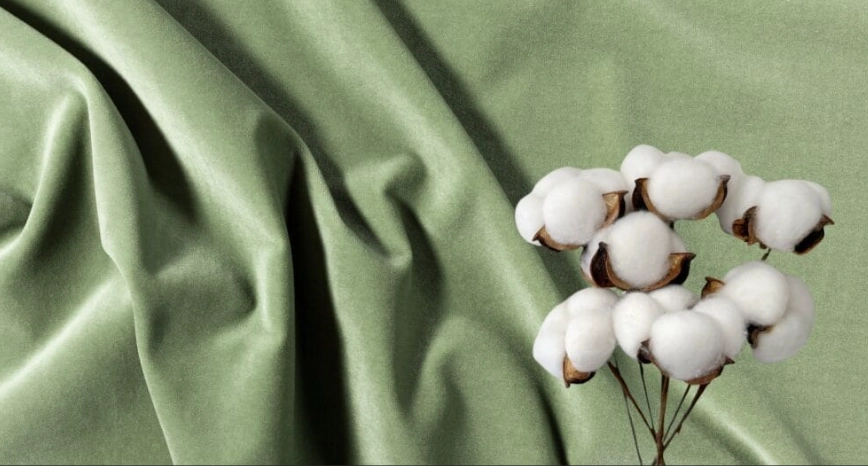
How to Choose the Right Cotton Fabric for Your Project
Stop looking at the fiber content alone. Follow this decision chain instead.
Step 1: Define the Purpose
Ask: What does this item need to DO? Is it a kitchen towel that needs maximum absorbency? A summer dress that needs drape and breathability? A child's playwear that needs to survive the washing machine? The purpose dictates everything.
Step 2: Feel and Test the Hand
"Hand" is the industry term for how fabric feels. Go to a store if you can. Drape it over your hand. Crumple a corner in your fist for a few seconds, then release. How bad are the wrinkles? Hold it up to the light. Is it very sheer? This tells you more than any online description.
Step 3: Decode the Label or Description
Look for specifics. "100% Cotton" is a start. Better is "100% Long-Staple Cotton." Even better: "100% Supima® Cotton, Percale Weave, 400 Thread Count." Weight matters too. It's often given in grams per square meter (GSM).
- Lightweight (90-150 GSM): Voile, lawn. Great for blouses, lightweight shirts.
- Medium-weight (150-250 GSM): Standard poplin, quilting cotton. Versatile for shirts, dresses, crafts.
- Heavyweight (250+ GSM): Denim, canvas, toweling. For jeans, jackets, bags, towels.
For online shopping, reputable fabric retailers like Mood Fabrics or Fabric.com provide detailed specs. Read the reviews, especially from people who have washed the fabric.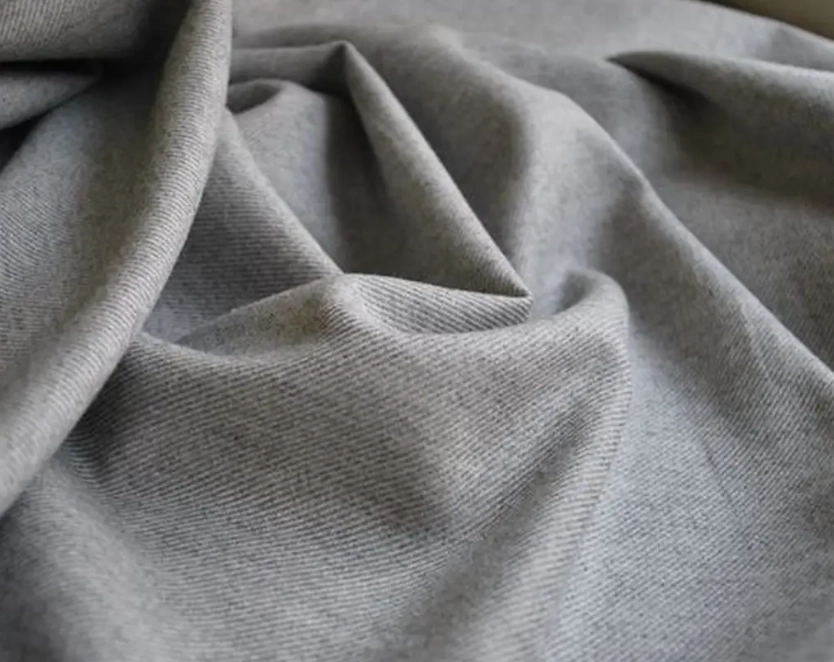
A Breakdown of Common Cotton Fabric Uses
Let's get specific about matching fabric to end-use.
For Clothing:
Everyday T-Shirts: Look for a medium-weight jersey knit, preferably made from combed cotton or a Pima blend. Combed cotton has the shorter fibers removed, making it smoother and less likely to pill. Avoid very thin jerseys—they become transparent.
Button-Down Shirts: Broadcloth (light, smooth) for formal, Oxford cloth (textured, durable) for casual, and Chambray (like a lightweight denim) for a stylish middle ground.
Dresses & Skirts: Cotton lawn or voile for floaty, drapey styles. Cotton sateen for a more formal, body-skimming silhouette. Twill or denim for structured shifts and A-lines.
For Home:
Bed Sheets: Thread count is a guide, not a gospel. A 300-400 thread count percale or sateen made from long-staple cotton is the sweet spot for durability and feel. Extremely high thread counts (1000+) can feel plasticky and trap heat.
Towels: You want a thick, looped pile for absorbency. Turkish or Egyptian cotton towels are famous for becoming softer and more absorbent with each wash. Check the GSM—a good bath towel is over 500 GSM.
Upholstery & Curtains: Durability is key. Cotton canvas, denim, or heavyweight twill are excellent choices. They can be washed and will develop a characterful patina.
Care & Common Mistakes You're Probably Making
Cotton is robust, but you can shorten its life dramatically with simple errors.
Mistake 1: Over-drying on High Heat. This is the #1 cause of shrinkage and fiber damage. Cotton can handle a hot wash (which is great for hygiene), but tumble dry on low or medium heat. Better yet, remove while slightly damp and air dry flat or on a line. Your clothes will maintain their shape and size.
Mistake 2: Ignoring the Weave During Ironing. A hot iron is fine for cotton, but use steam. For twills and denim, iron on the reverse side to avoid creating shiny patches. For delicate weaves like voile, use a lower temperature or a pressing cloth.
Mistake 3: Using Fabric Softener on Towels. This coats the fibers, destroying their natural absorbency. If your towels feel stiff after air-drying, toss them in the dryer with a dryer ball for 10 minutes on low—no softener needed.
I ruined a beautiful cotton linen-blend dress by ironing it too hot and too dry. It left a permanent, glossy scar right on the front. Now I always check the care label and do a patch test on an inside seam.
Your Cotton Questions, Answered
Why does my 100% pure cotton t-shirt feel rough and itchy?
Is organic cotton fabric actually better and worth the higher price?
 How can I prevent my new cotton clothes from shrinking?
What's the best cotton fabric for a hot and humid climate?
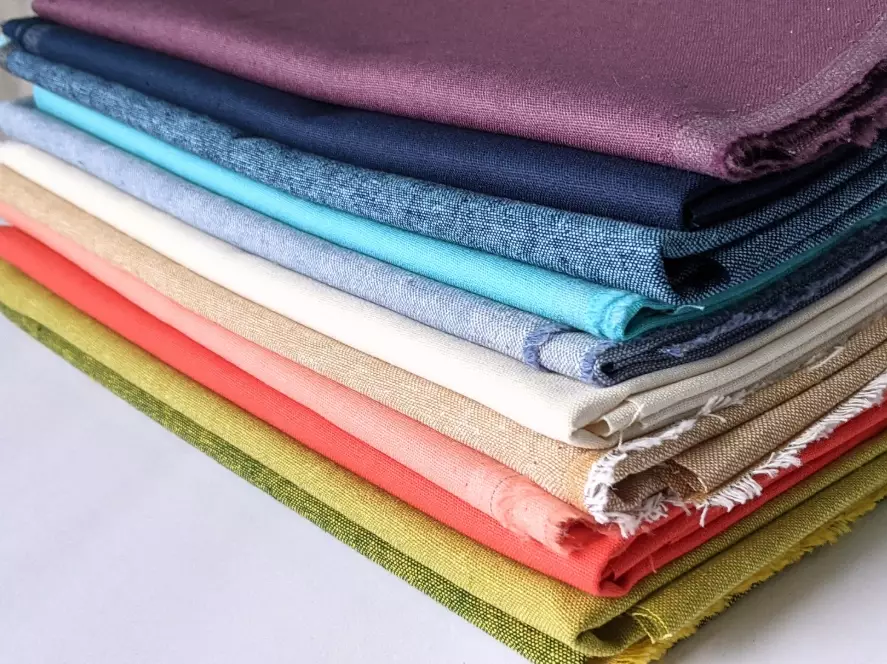 The world of cotton fabric is deeper than it seems. It's not a single thing, but a spectrum of textures, weights, and qualities. By moving beyond the "100% cotton" label and paying attention to weave, weight, and staple length, you can make choices that lead to clothes and home goods that look better, feel better, and last for years. Start by feeling the fabric, asking what it needs to do, and never trusting a towel that promises to be softer than a cloud right out of the package.